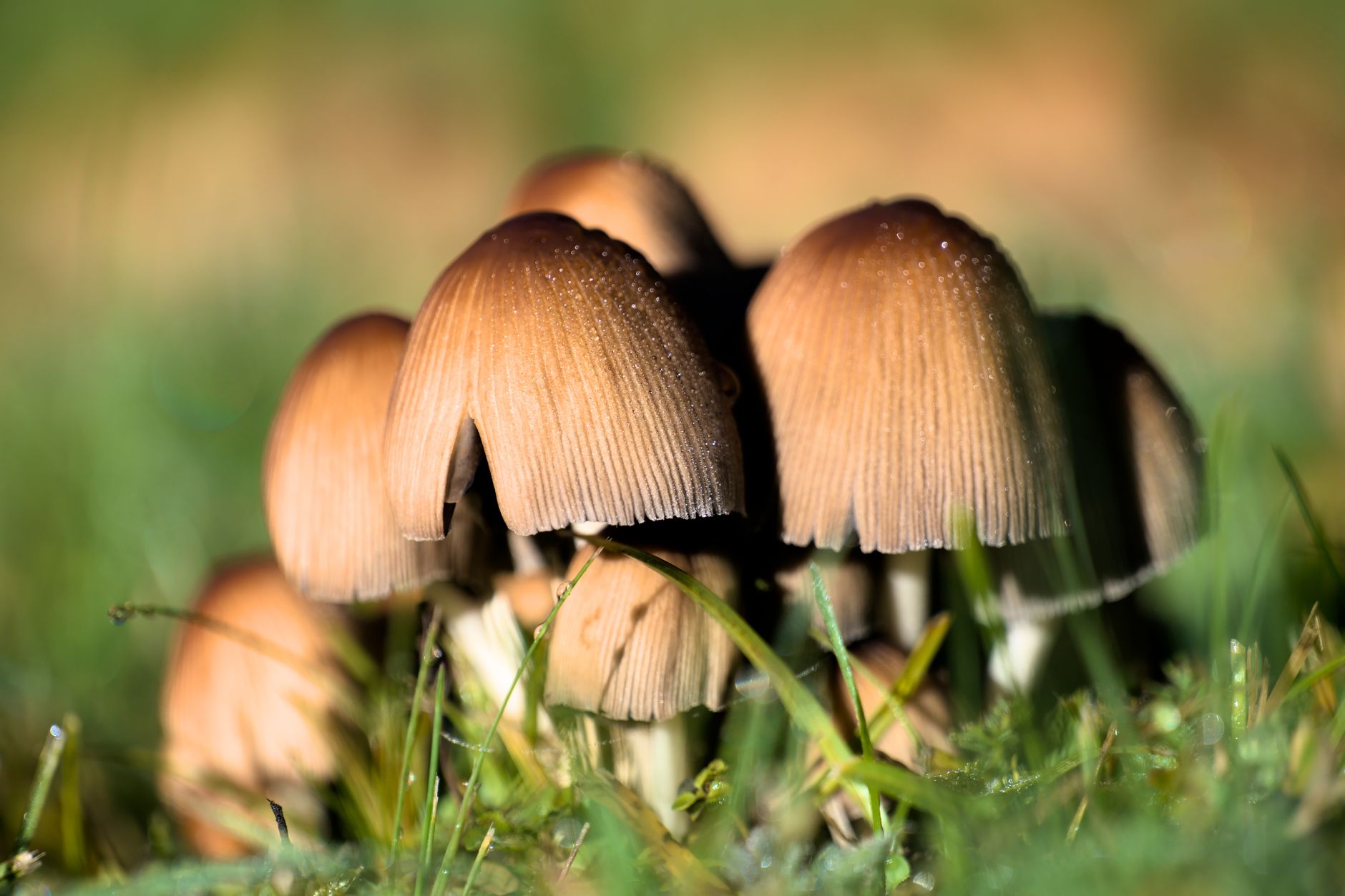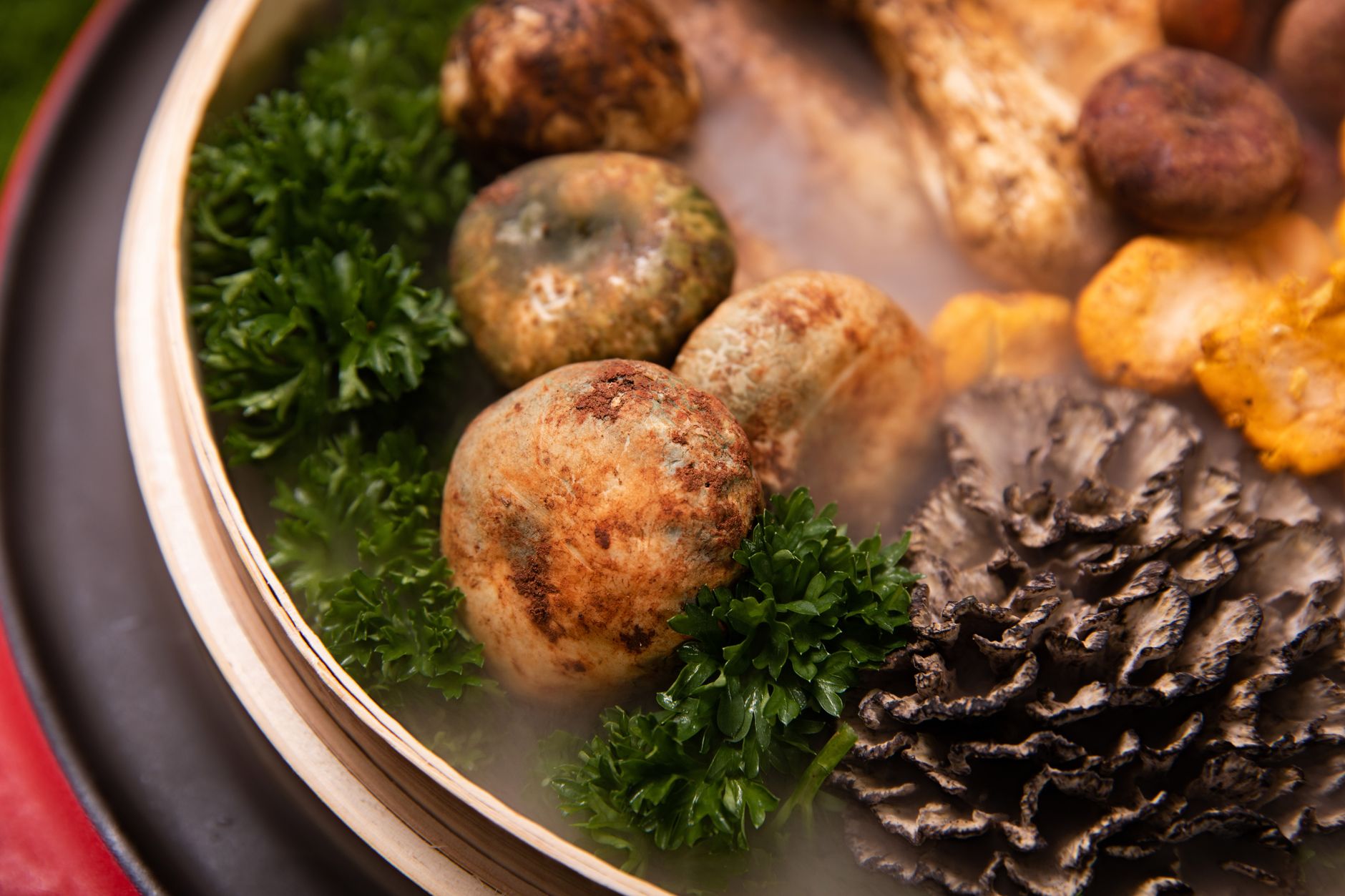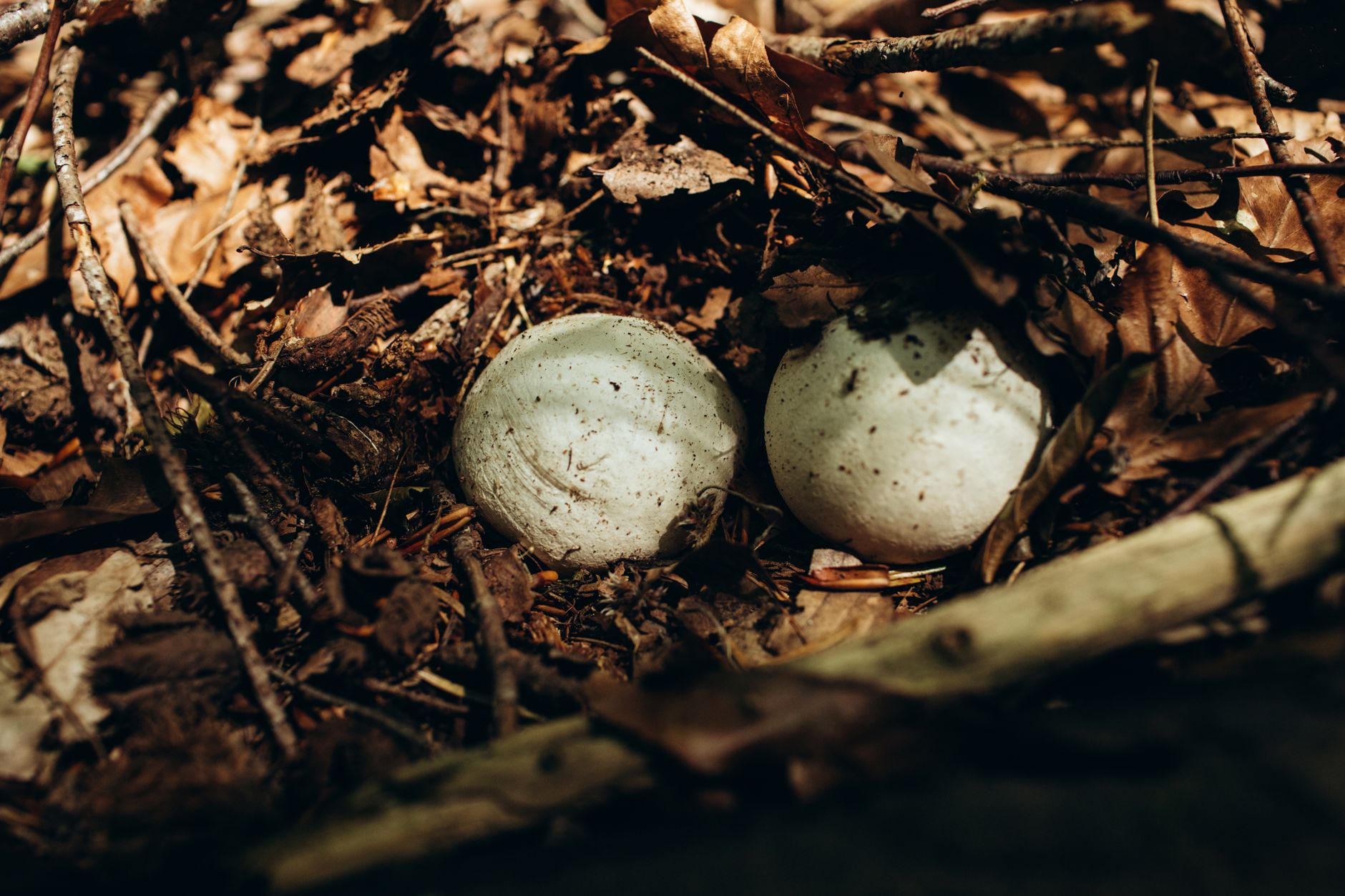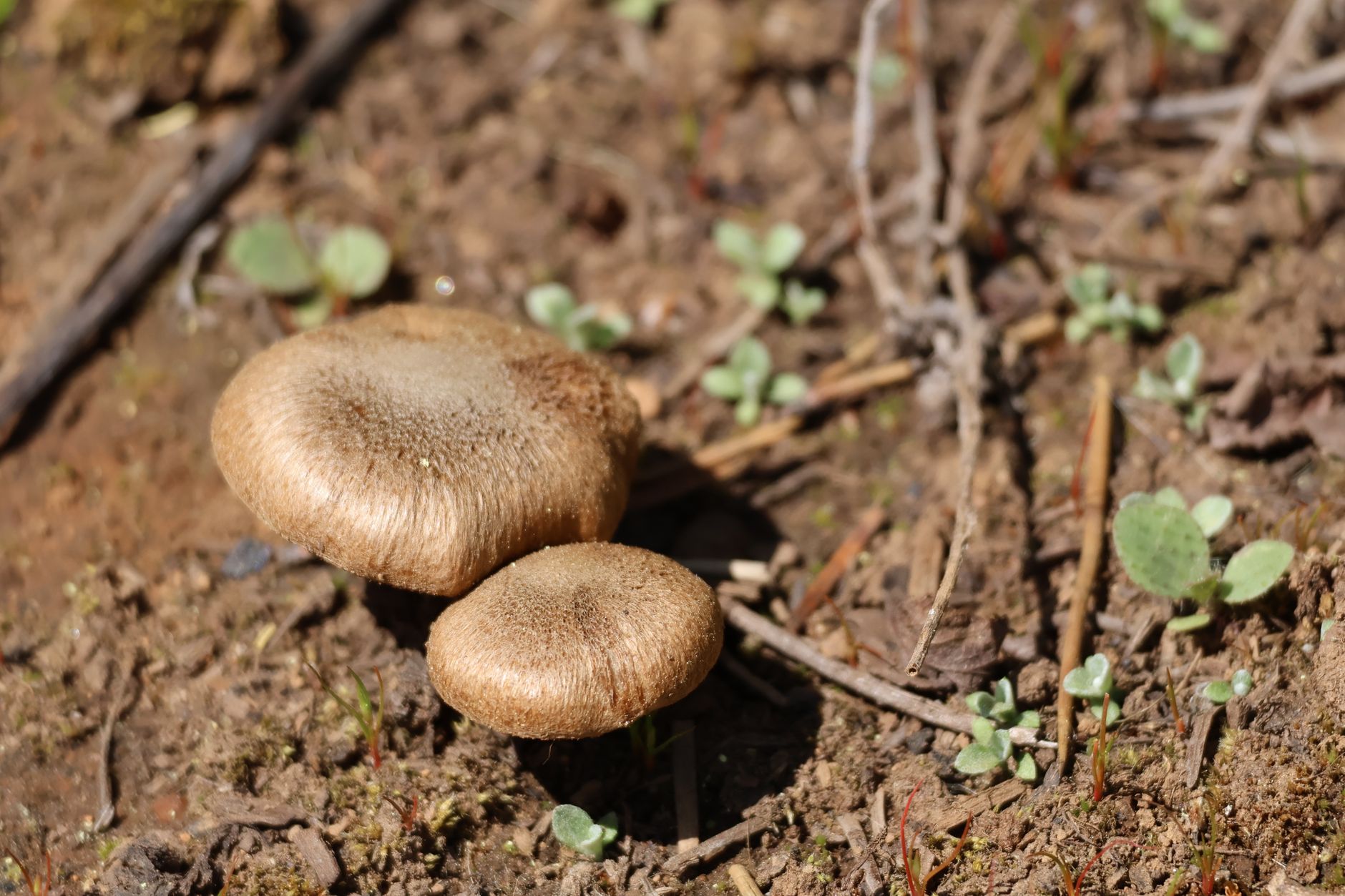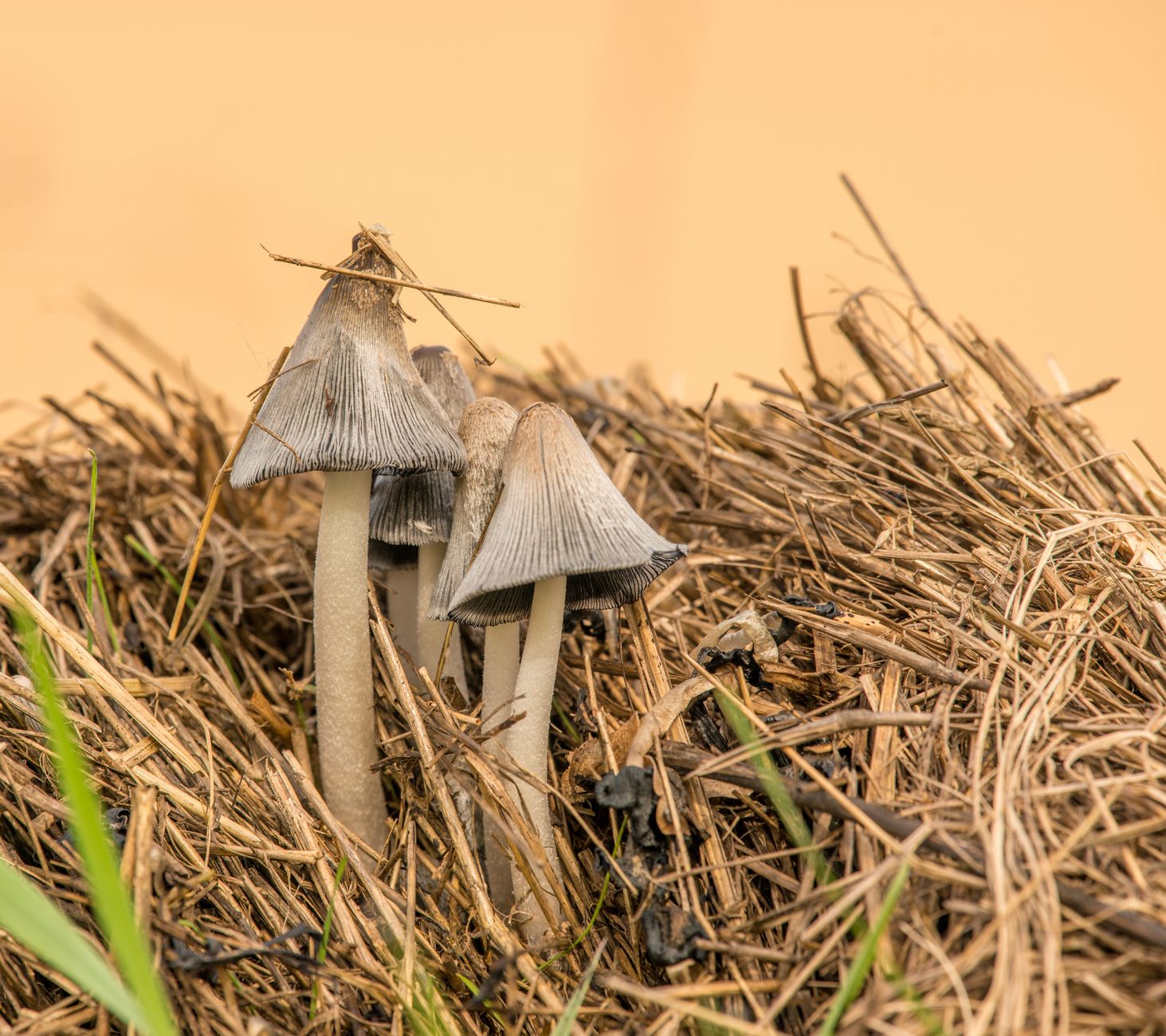
Cluster of wild mushrooms on forest floor in Myślenice, Poland, highlighting natural growth.

How to Grow Lion's Mane at Home: Complete Guide

Quick Answer: The easiest way to grow lion’s mane at home is a ready-to-fruit grow kit (e.g. North Spore Lion’s Mane Spray & Grow) — cut an X, mist 3–4× daily at 85–95% humidity, and harvest in 10–14 days. For DIY, use a hardwood-sawdust fruiting block inoculated with grain spawn, sealed with polyfill. Lion’s mane needs higher humidity and slightly cooler temps (65–75°F) than oysters, but delivers dramatic yields and sells for $16–25/lb fresh. ...

April 25, 2026 · 9 min · GrowMushrooms
Close-up of hands harvesting oyster mushrooms from a substrate in an indoor farm.

How to Grow Lion's Mane: Complete Guide (Moderate, Hardwood sawdust)

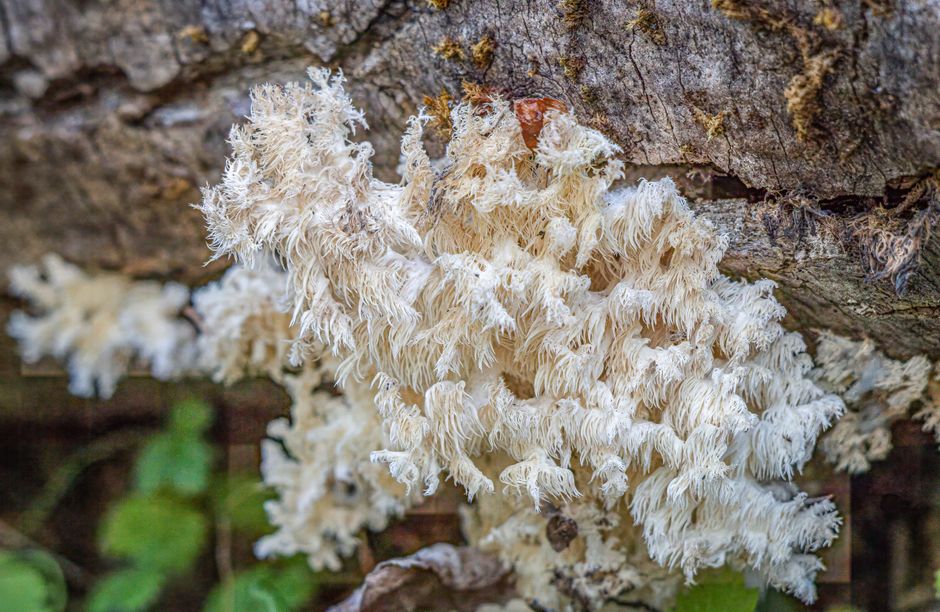
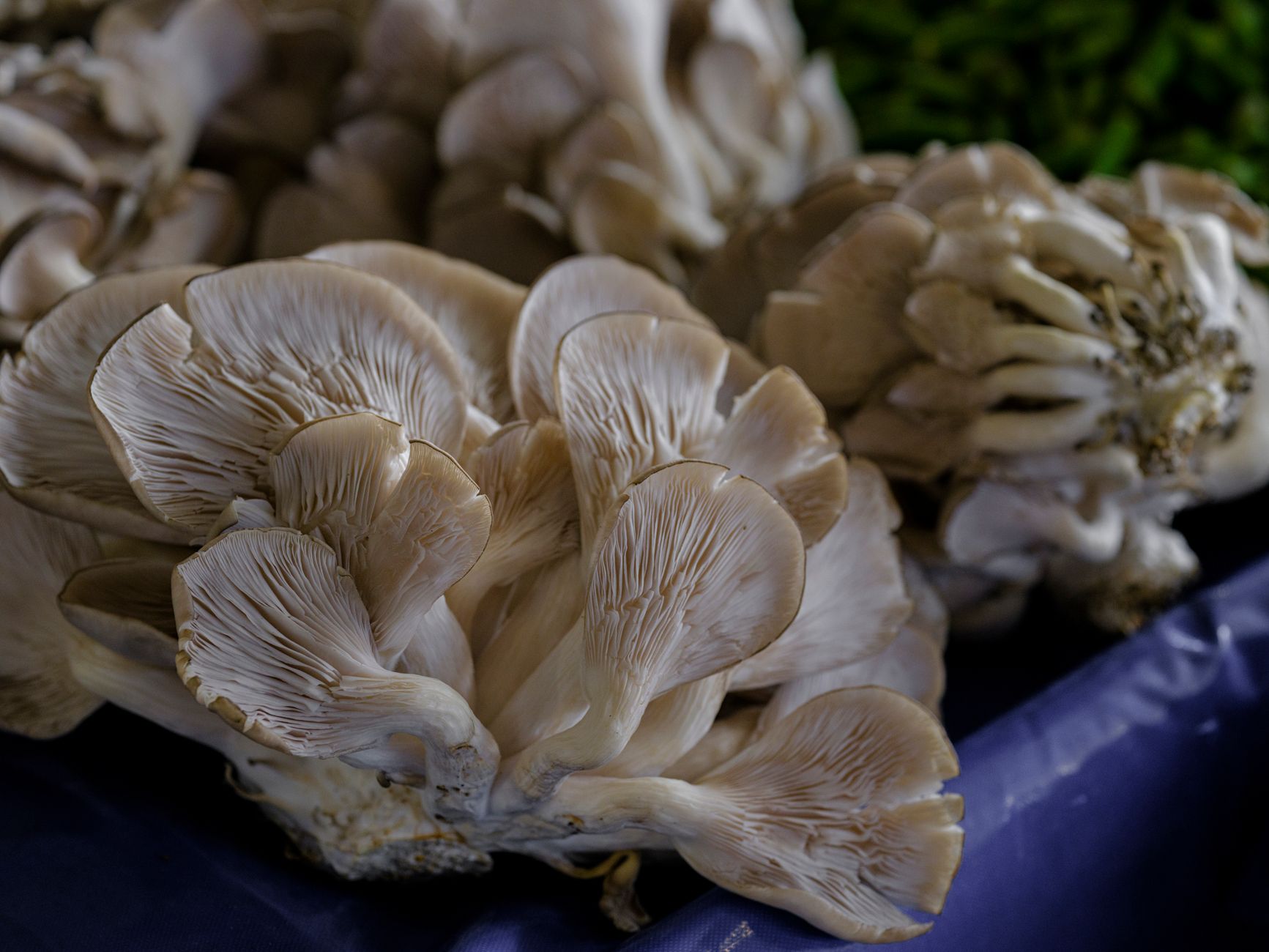
Quick Answer: Lion’s Mane (Hericium erinaceus) is a Moderate mushroom to cultivate, fruiting at 65-75°F on Hardwood sawdust, supplemented. Popular for potential cognitive benefits. It delivers a seafood-like, crab/lobster flavor when cooked flavor and is popular for pan-frying in butter, crab cake substitute. Overview Hericium erinaceus, commonly known as Lion’s Mane, is cultivated worldwide for its seafood-like, crab/lobster flavor when cooked flavor and impressive nutritional profile. Popular for potential cognitive benefits. Whether you’re a hobbyist grower or planning to scale, Lion’s Mane rewards careful attention to substrate, humidity, and temperature. ...

April 25, 2026 · 5 min · GrowMushrooms
From above of white raw edible uncooked organic mushrooms placed on brown background

How to Grow Maitake: Complete Guide (Hard, Hardwood logs/stumps)

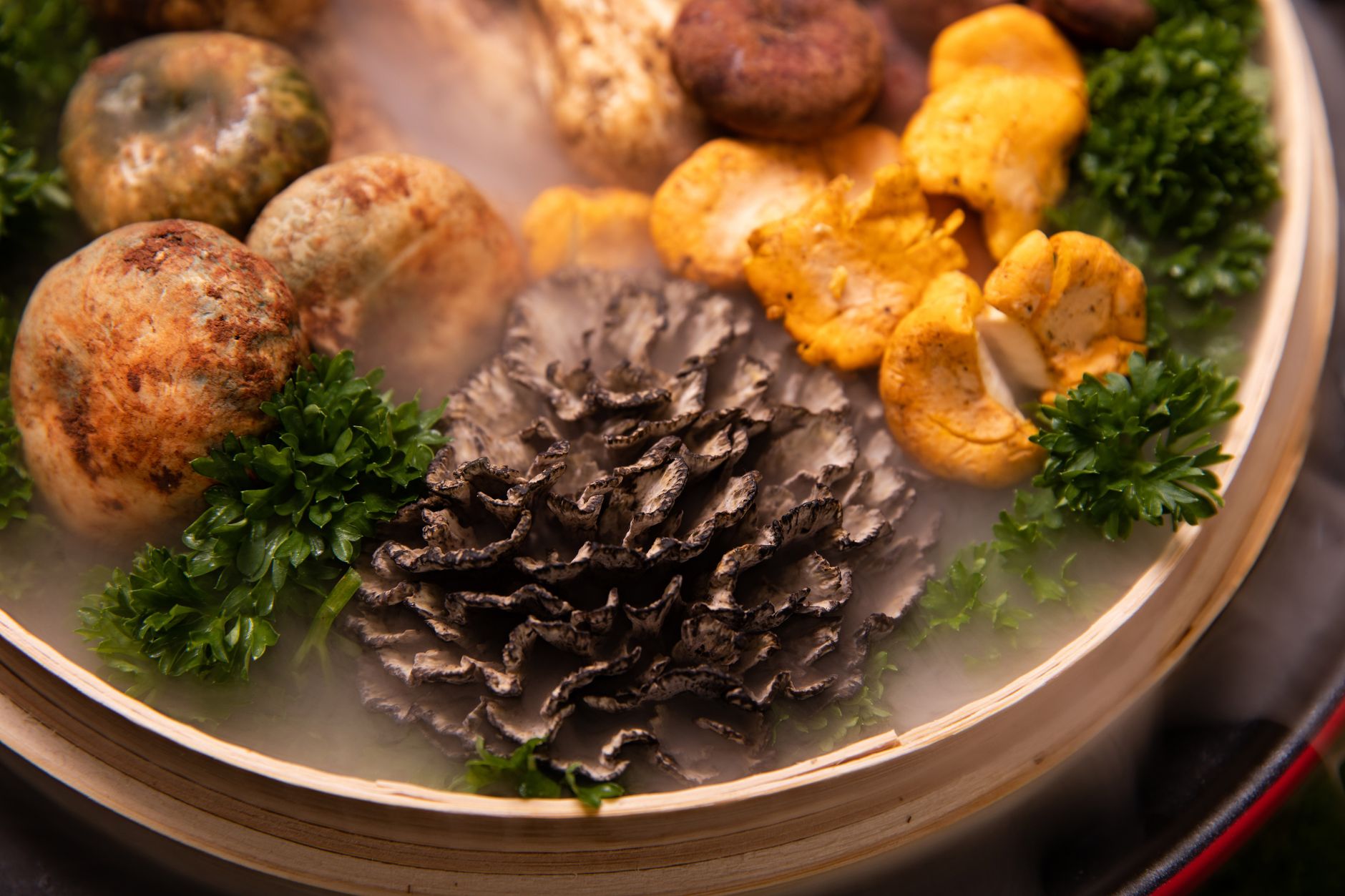
Quick Answer: Maitake (Grifola frondosa) is a Hard mushroom to cultivate, fruiting at 50-65°F on Hardwood logs/stumps. Also called ‘hen of the woods’. It delivers a earthy, complex, peppery flavor and is popular for roasting, soups, tempura. Overview Grifola frondosa, commonly known as Maitake, is cultivated worldwide for its earthy, complex, peppery flavor and impressive nutritional profile. Also called ‘hen of the woods’. Whether you’re a hobbyist grower or planning to scale, Maitake rewards careful attention to substrate, humidity, and temperature. ...

April 25, 2026 · 4 min · GrowMushrooms
From above composition of small soft brown raw edible mushrooms on brown background

How to Grow Matsutake: Complete Guide (Very Hard, Pine forest floor)

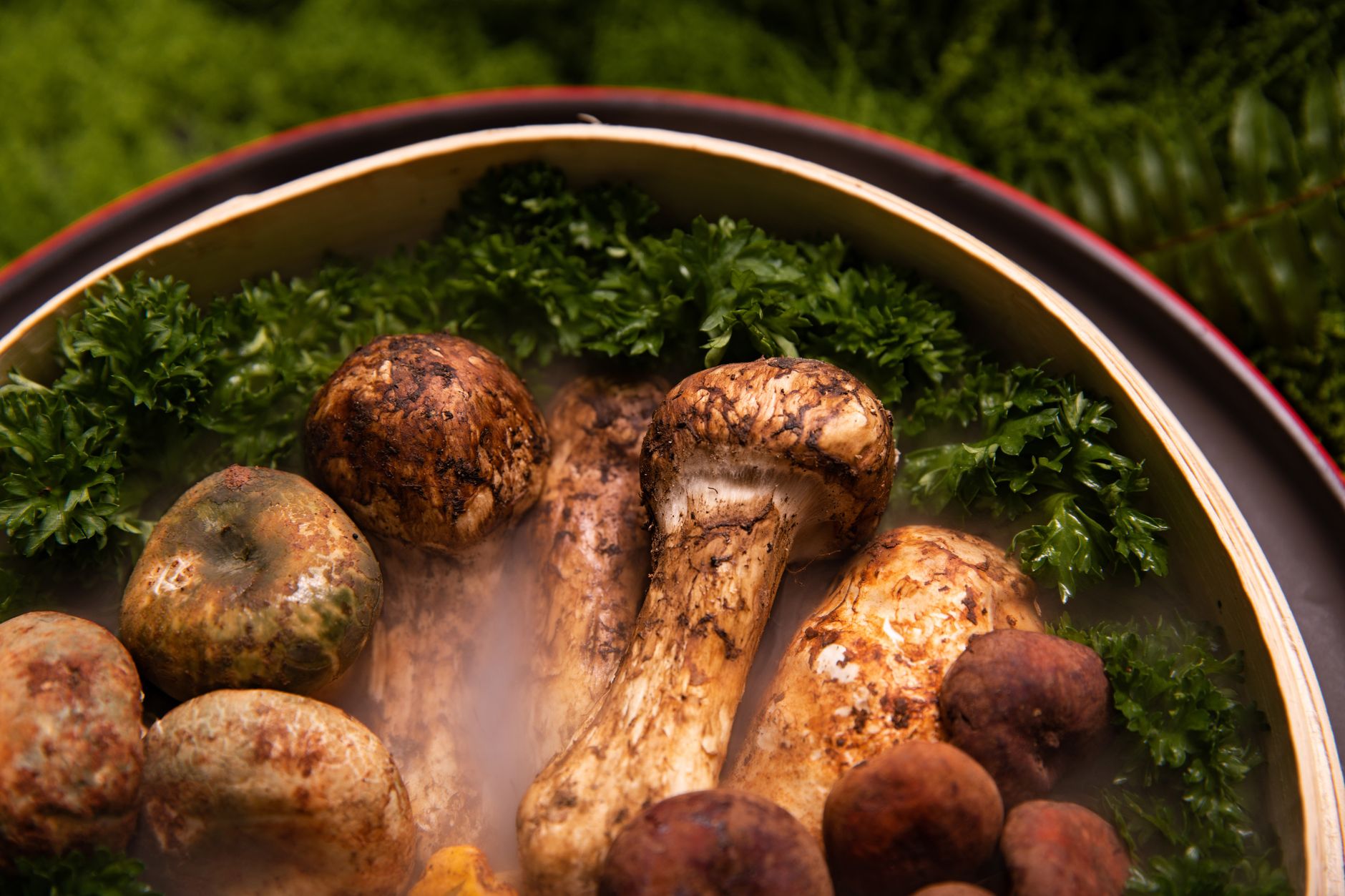
Quick Answer: Matsutake (Tricholoma matsutake) is rated Very Hard to cultivate — in practice, this means it cannot be reliably grown at home and must be wild-foraged. It is prized for its spicy, cinnamon-like, aromatic flavor and is used for sukiyaki, steamed rice, soup. Highly prized in Japan, declining due to habitat loss. Overview Tricholoma matsutake, commonly called Matsutake, is one of the most prized mushrooms in gastronomy and traditional food culture. Highly prized in Japan, declining due to habitat loss. Its spicy, cinnamon-like, aromatic flavor makes it a sought-after ingredient for professional chefs and home cooks alike. ...

April 25, 2026 · 4 min · GrowMushrooms
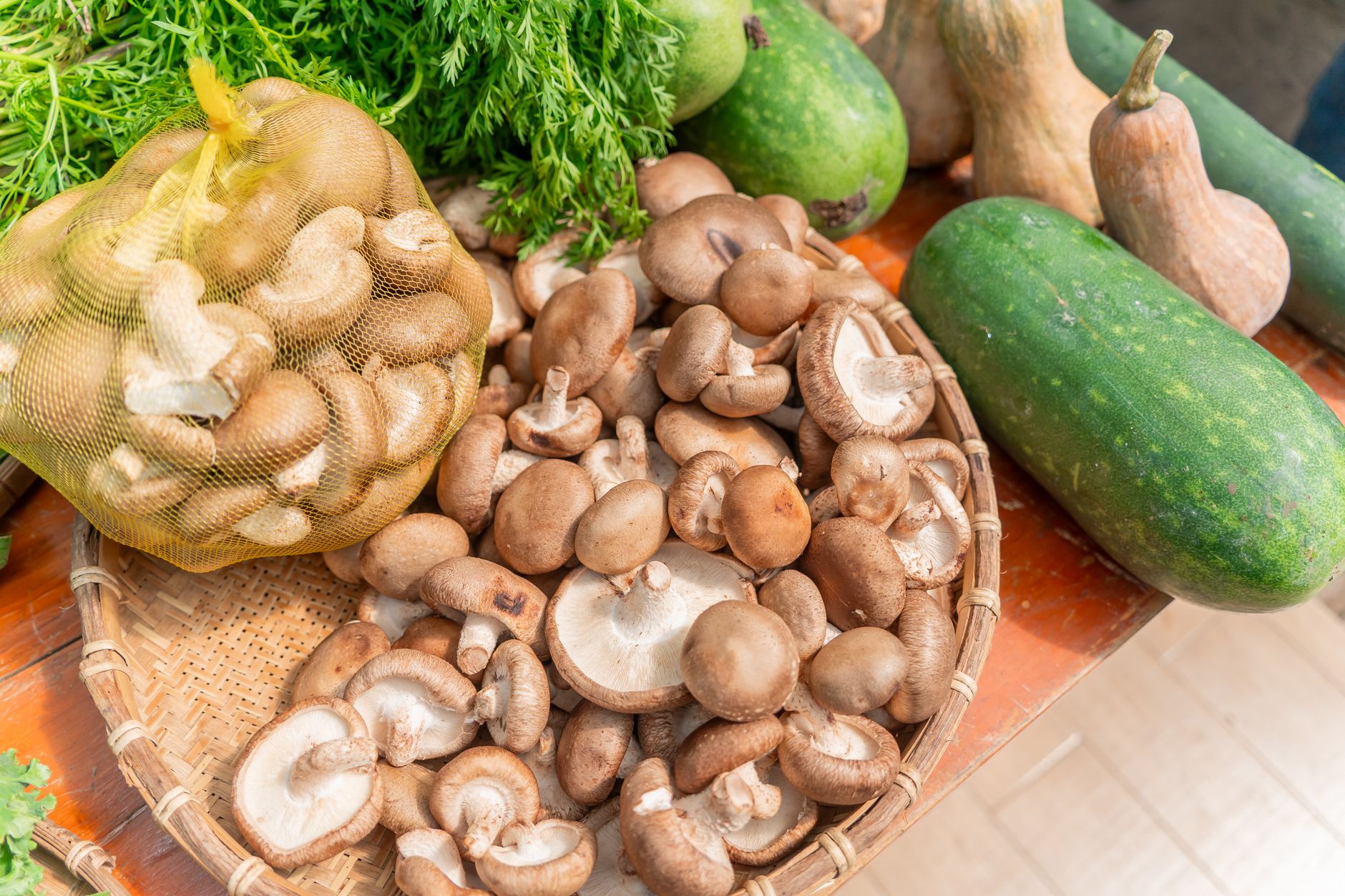
A vibrant assortment of fresh shiitake mushrooms and vegetables on a wooden table, perfect for healthy cooking.

How to Grow Morel: Complete Guide (Very Hard, Disturbed soil)

Quick Answer: Morel (Morchella esculenta) is rated Very Hard to cultivate — in practice, this means it cannot be reliably grown at home and must be wild-foraged. It is prized for its nutty, earthy, complex, honeycomb texture flavor and is used for sautéed in butter, stuffed, soups. Highly seasonal spring mushroom, hollow cap. Overview Morchella esculenta, commonly called Morel, is one of the most prized mushrooms in gastronomy and traditional food culture. Highly seasonal spring mushroom, hollow cap. Its nutty, earthy, complex, honeycomb texture flavor makes it a sought-after ingredient for professional chefs and home cooks alike. ...

April 25, 2026 · 4 min · GrowMushrooms
Close-up of fresh shiitake mushrooms in a plastic bag at a Hong Kong market.

How to Grow Nameko: Complete Guide (Moderate, Hardwood logs/sawdust)

Quick Answer: Nameko (Pholiota nameko) is a Moderate mushroom to cultivate, fruiting at 50-65°F on Hardwood logs/sawdust. Popular in Japanese cuisine. It delivers a mild, slightly nutty, gelatinous coating flavor and is popular for miso soup, noodles, hot pot. Overview Pholiota nameko, commonly known as Nameko, is cultivated worldwide for its mild, slightly nutty, gelatinous coating flavor and impressive nutritional profile. Popular in Japanese cuisine. Whether you’re a hobbyist grower or planning to scale, Nameko rewards careful attention to substrate, humidity, and temperature. ...

April 25, 2026 · 4 min · GrowMushrooms
A close-up photo of assorted uncooked mushrooms on a dark fabric surface, depicting natural textures.

How to Grow Oyster Mushrooms at Home: Complete Guide

Quick Answer: The easiest way to grow oyster mushrooms at home is with a ready-to-fruit grow kit — cut an X in the bag, mist daily, harvest in 7-14 days. For DIY methods, pasteurized straw logs inoculated with grain spawn produce the highest yields. Oyster mushrooms grow on many substrates (straw, coffee grounds, sawdust) and are the most beginner-friendly mushrooms to cultivate. Oyster mushrooms (Pleurotus ostreatus) and related species are the gateway drug of mushroom cultivation. They’re fast-growing, aggressive colonizers that fruit on a wide range of cheap substrates. Unlike shiitake or lion’s mane, which require specific hardwood substrates and longer incubation, oysters will grow on straw, coffee grounds, cardboard, and even old books. ...

April 25, 2026 · 9 min · GrowMushrooms
A vibrant group of mushrooms growing in a lush, green forest environment.

How to Grow Paddy Straw Mushroom: Complete Guide (Moderate, Rice straw)

Quick Answer: Paddy Straw Mushroom (Volvariella volvacea) is a Moderate mushroom to cultivate, fruiting at 85-95°F on Rice straw, cotton waste. Extremely popular in Southeast Asian cuisine. It delivers a delicate, slightly sweet flavor and is popular for soups, stir-fries. Overview Volvariella volvacea, commonly known as Paddy Straw Mushroom, is cultivated worldwide for its delicate, slightly sweet flavor and impressive nutritional profile. Extremely popular in Southeast Asian cuisine. Whether you’re a hobbyist grower or planning to scale, Paddy Straw Mushroom rewards careful attention to substrate, humidity, and temperature. ...

April 25, 2026 · 5 min · GrowMushrooms
Close-up of mushrooms growing in lush forest moss, showcasing natural beauty and woodland tranquility.

How to Grow Pink Oyster Mushroom: Complete Guide (Very Easy, Straw)

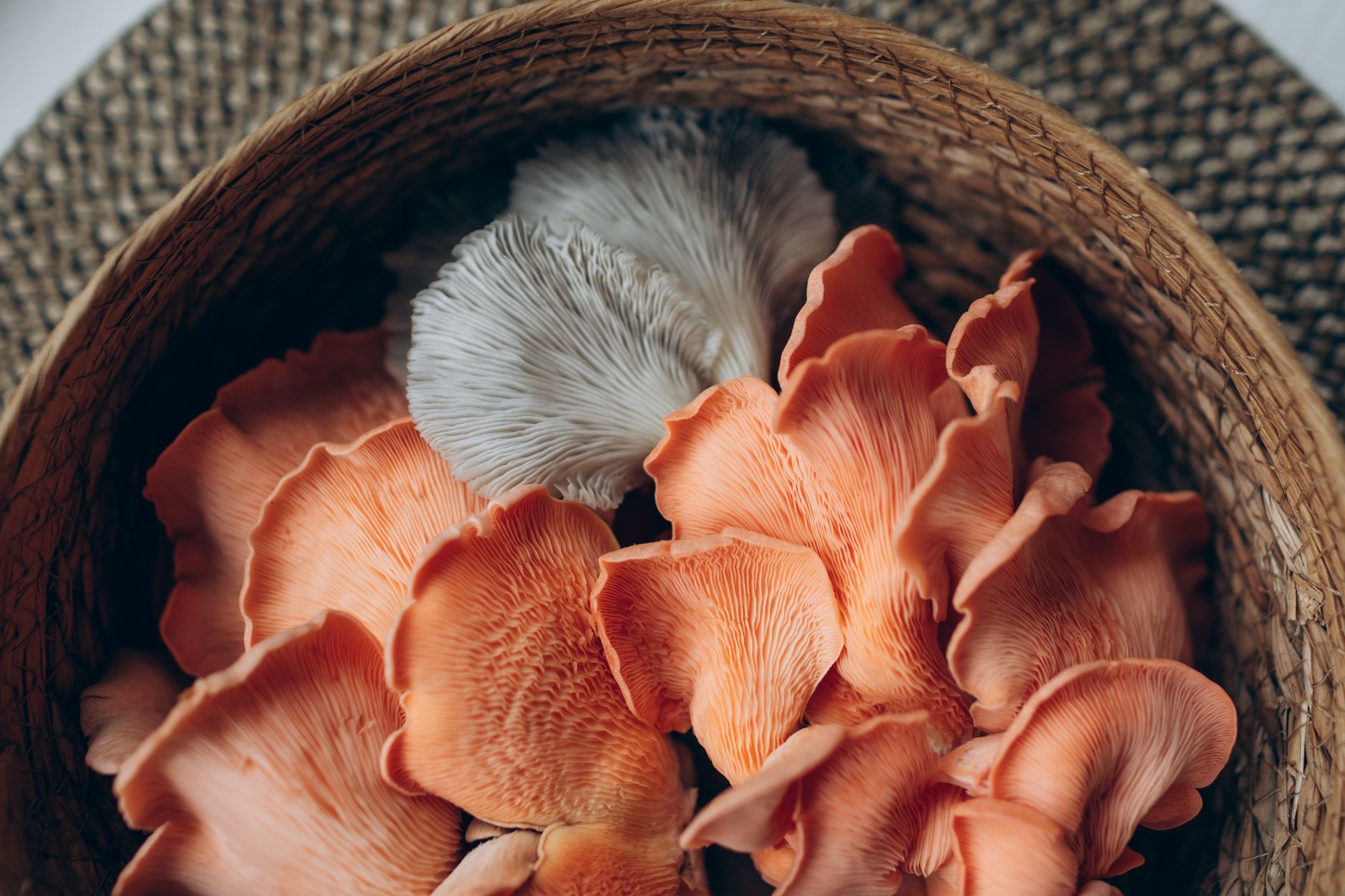
Quick Answer: Pink Oyster Mushroom (Pleurotus djamor) is a Very Easy mushroom to cultivate, fruiting at 65-85°F on Straw, hardwood sawdust. Tropical variety, does not fruit in cold. It delivers a mildly seafood-like, slightly ham-like when cooked flavor and is popular for stir-fries, tacos, soups. Overview Pleurotus djamor, commonly known as Pink Oyster Mushroom, is cultivated worldwide for its mildly seafood-like, slightly ham-like when cooked flavor and impressive nutritional profile. Tropical variety, does not fruit in cold. Whether you’re a hobbyist grower or planning to scale, Pink Oyster Mushroom rewards careful attention to substrate, humidity, and temperature. ...

April 25, 2026 · 5 min · GrowMushrooms
Close-up of wild mushrooms growing on a log in a forest, surrounded by fallen leaves and greenery.

How to Grow Pioppino: Complete Guide (Moderate, Hardwood logs)

Quick Answer: Pioppino (Cyclocybe aegerita) is a Moderate mushroom to cultivate, fruiting at 55-72°F on Hardwood logs, cottonwood. Also called black poplar mushroom. It delivers a nutty, earthy, slightly sweet flavor and is popular for pasta, risotto, sautéed. Overview Cyclocybe aegerita, commonly known as Pioppino, is cultivated worldwide for its nutty, earthy, slightly sweet flavor and impressive nutritional profile. Also called black poplar mushroom. Whether you’re a hobbyist grower or planning to scale, Pioppino rewards careful attention to substrate, humidity, and temperature. ...

April 25, 2026 · 4 min · GrowMushrooms
Detailed close-up of wild mushrooms growing on fallen leaves in a forest setting.

How to Grow Porcini: Complete Guide (Very Hard, Mycorrhizal with spruce/pine/oak/chestnut)

Quick Answer: Porcini (Boletus edulis) is rated Very Hard to cultivate — in practice, this means it cannot be reliably grown at home and must be wild-foraged. It is prized for its rich, nutty, earthy, robust umami flavor and is used for pasta, risotto, drying/powder, soups. King of mushrooms, cannot be cultivated. Overview Boletus edulis, commonly called Porcini, is one of the most prized mushrooms in gastronomy and traditional food culture. King of mushrooms, cannot be cultivated. Its rich, nutty, earthy, robust umami flavor makes it a sought-after ingredient for professional chefs and home cooks alike. ...

April 25, 2026 · 4 min · GrowMushrooms
A close-up shot of wild mushrooms growing on a forest floor, showcasing details and natural growth.

How to Grow Portobello: Complete Guide (Easy, Composted manure)

Quick Answer: Portobello (Agaricus bisporus (mature)) is a Easy mushroom to cultivate, fruiting at 65-75°F on Composted manure. Same species as button/cremini, fully mature. It delivers a rich, meaty, umami flavor and is popular for grilling, burgers, stuffed dishes, roasting. Overview Agaricus bisporus (mature), commonly known as Portobello, is cultivated worldwide for its rich, meaty, umami flavor and impressive nutritional profile. Same species as button/cremini, fully mature. Whether you’re a hobbyist grower or planning to scale, Portobello rewards careful attention to substrate, humidity, and temperature. ...

April 25, 2026 · 4 min · GrowMushrooms
A top view of various mushrooms including oyster and button, arranged in a woven basket.

How to Grow Reishi Mushrooms at Home: Complete Cultivation Guide

Quick Answer: Grow reishi mushrooms on sterilized hardwood sawdust blocks supplemented with wheat bran, colonize for 4–8 weeks at 70–80°F, then fruit at 70–80°F with 85–95% humidity and 12 hours of indirect light. Reishi is slow (4–7 months total) but produces stunning medicinal mushrooms valued at $30–60/lb dried. Key indicators for harvest: uniform lacquered surface formed + beginning spore drop. Reishi (Ganoderma lucidum) is the “mushroom of immortality” in traditional Chinese medicine — and one of the most visually stunning organisms you can grow at home. Unlike oyster or lion’s mane mushrooms, reishi isn’t grown for eating; it’s grown for the dried caps that go into tea, tinctures, and supplements. The glossy, lacquered red caps that develop over months are genuinely beautiful, and there’s something satisfying about growing a medicinal organism used for over 2,000 years. The process requires patience but no special skills beyond good sterile technique. ...

April 25, 2026 · 7 min · GrowMushrooms
Cluster of wild mushrooms on forest floor in Myślenice, Poland, highlighting natural growth.

How to Grow Scarlet Elf Cup: Complete Guide (Very Hard, Buried sticks and branches)

Quick Answer: Scarlet Elf Cup (Sarcoscypha coccinea) is rated Very Hard to cultivate — in practice, this means it cannot be reliably grown at home and must be wild-foraged. It is prized for its very mild, slightly nutty flavor and is used for garnish, salads (decorative use). Early spring mushroom, bright red cup. Overview Sarcoscypha coccinea, commonly called Scarlet Elf Cup, is one of the most prized mushrooms in gastronomy and traditional food culture. Early spring mushroom, bright red cup. Its very mild, slightly nutty flavor makes it a sought-after ingredient for professional chefs and home cooks alike. ...

April 25, 2026 · 4 min · GrowMushrooms
A close-up photo of assorted uncooked mushrooms on a dark fabric surface, depicting natural textures.

How to Grow Shaggy Mane: Complete Guide (Hard, Lawns)

Quick Answer: Shaggy Mane (Coprinus comatus) is a Hard mushroom to cultivate, fruiting at 55-75°F on Lawns, disturbed soil (wild). Auto-digests into black ink within hours. It delivers a mild, delicate, must be cooked immediately flavor and is popular for must cook immediately after harvest; omelettes, soups. Overview Coprinus comatus, commonly known as Shaggy Mane, is cultivated worldwide for its mild, delicate, must be cooked immediately flavor and impressive nutritional profile. Auto-digests into black ink within hours. Whether you’re a hobbyist grower or planning to scale, Shaggy Mane rewards careful attention to substrate, humidity, and temperature. ...

April 25, 2026 · 5 min · GrowMushrooms
A close-up of assorted wild mushrooms on a dark background, showcasing natural textures and colors.

How to Grow Shiitake Mushrooms at Home: The Complete Beginner's Guide

Quick Answer: Grow shiitake mushrooms indoors on supplemented hardwood sawdust blocks — colonize in darkness for 8–16 weeks, then cold shock and fruit at 85–95% humidity. On outdoor logs, expect 6–12 months to first flush but longer-lasting production. Pre-inoculated grow kits (Northspore WR46 block ~$25–35) are the easiest start. Shiitake mushrooms are the best-selling cultivated mushroom in the world after the button mushroom — and for good reason. They’re meaty, deeply flavorful with umami richness, and loaded with beta-glucans and other bioactive compounds. They also happen to be one of the most satisfying mushrooms to grow at home, especially on oak logs where a single inoculated log will produce multiple flushes per year for 3–6 years. Here’s how to do it right. ...

April 25, 2026 · 6 min · GrowMushrooms
A top view of various mushrooms including oyster and button, arranged in a woven basket.

How to Grow Snow Fungus: Complete Guide (Moderate, Hardwood with parasitic yeast)

Quick Answer: Snow Fungus (Tremella fuciformis) is a Moderate mushroom to cultivate, fruiting at 65-80°F on Hardwood with parasitic yeast. Popular in Chinese medicine and desserts. It delivers a tasteless, gelatinous, absorbs flavors flavor and is popular for desserts, soups, skincare applications. Overview Tremella fuciformis, commonly known as Snow Fungus, is cultivated worldwide for its tasteless, gelatinous, absorbs flavors flavor and impressive nutritional profile. Popular in Chinese medicine and desserts. Whether you’re a hobbyist grower or planning to scale, Snow Fungus rewards careful attention to substrate, humidity, and temperature. ...

April 25, 2026 · 5 min · GrowMushrooms
A close-up of assorted wild mushrooms on a dark background, showcasing natural textures and colors.

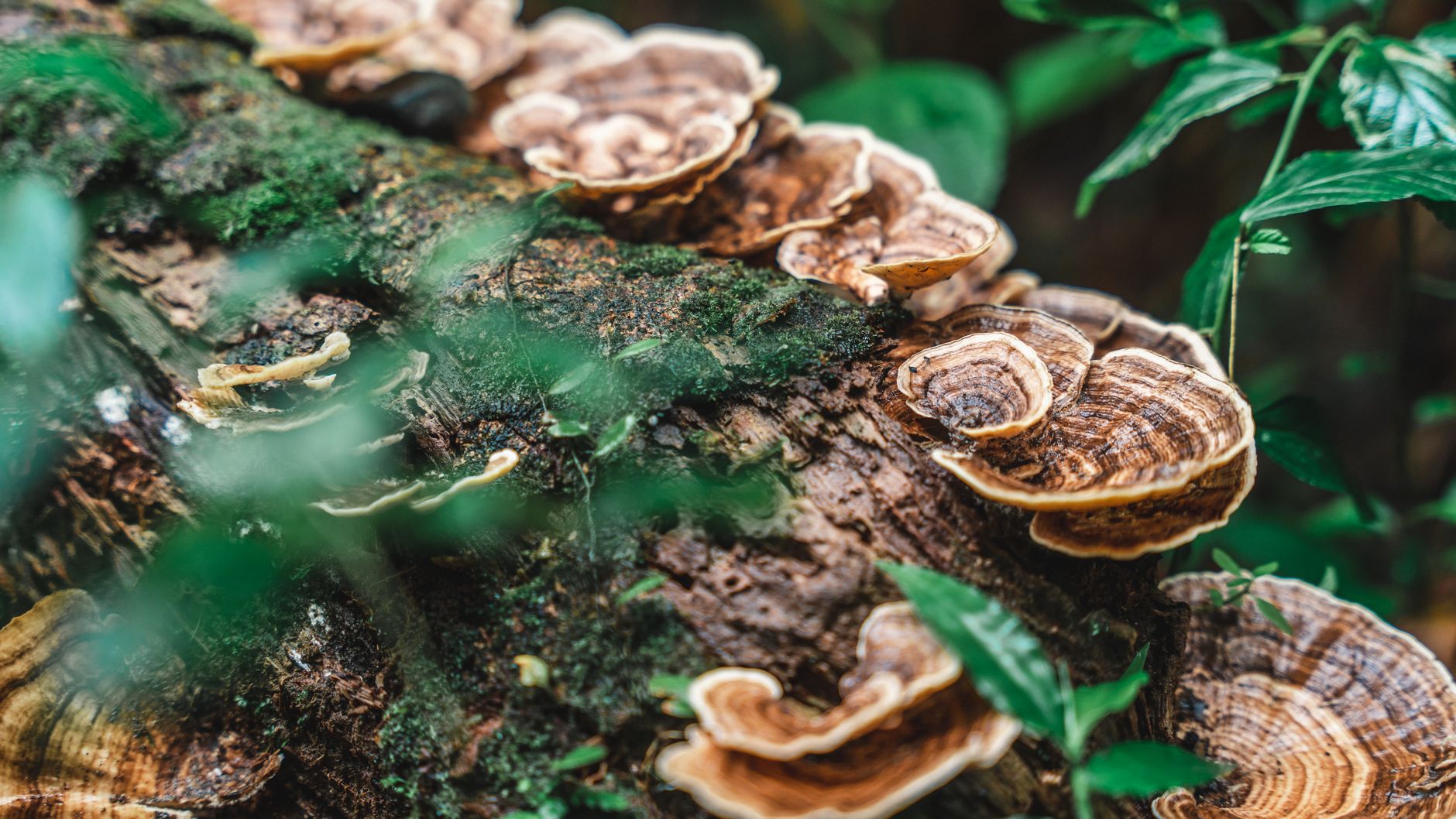
How to Grow Turkey Tail: Complete Guide (Moderate, Hardwood logs and stumps)

Quick Answer: Turkey Tail (Trametes versicolor) is a Moderate mushroom to cultivate, fruiting at 50-68°F on Hardwood logs and stumps. Most studied medicinal mushroom. It delivers a mild, earthy (mainly used as supplement) flavor and is popular for tea, tinctures, broth additive. Overview Trametes versicolor, commonly known as Turkey Tail, is cultivated worldwide for its mild, earthy (mainly used as supplement) flavor and impressive nutritional profile. Most studied medicinal mushroom. Whether you’re a hobbyist grower or planning to scale, Turkey Tail rewards careful attention to substrate, humidity, and temperature. ...

April 25, 2026 · 5 min · GrowMushrooms
A detailed close-up of assorted dried mushrooms on a dark background, showcasing texture and variety.

How to Grow Velvet Pioppino: Complete Guide (Moderate, Elm)

Quick Answer: Velvet Pioppino (Flammulina velutipes (wild form)) is a Moderate mushroom to cultivate, fruiting at 35-55°F on Elm, oak, willow logs. Wild form differs from cultivated enoki. It delivers a slightly sweet, mild flavor and is popular for soups, stir-fries. Overview Flammulina velutipes (wild form), commonly known as Velvet Pioppino, is cultivated worldwide for its slightly sweet, mild flavor and impressive nutritional profile. Wild form differs from cultivated enoki. Whether you’re a hobbyist grower or planning to scale, Velvet Pioppino rewards careful attention to substrate, humidity, and temperature. ...

April 25, 2026 · 5 min · GrowMushrooms
A variety of wild mushrooms laid on dark fabric, showcasing earthy tones and textures.

How to Grow White Truffle: Complete Guide (Extremely Hard, Oak)

Quick Answer: White Truffle (Tuber magnatum) is rated Extremely Hard to cultivate — in practice, this means it cannot be reliably grown at home and must be wild-foraged. It is prized for its garlicky, earthy, intensely aromatic flavor and is used for shaved raw over dishes, truffle oil. Most expensive truffle; cannot be cultivated. Overview Tuber magnatum, commonly called White Truffle, is one of the most prized mushrooms in gastronomy and traditional food culture. Most expensive truffle; cannot be cultivated. Its garlicky, earthy, intensely aromatic flavor makes it a sought-after ingredient for professional chefs and home cooks alike. ...

April 25, 2026 · 4 min · GrowMushrooms
Fresh chanterelle and white mushrooms on marble with parsley, perfect for gourmet cooking.

How to Grow Wine Cap: Complete Guide (Very Easy, Wood chips)

Quick Answer: Wine Cap (Stropharia rugosoannulata) is a Very Easy mushroom to cultivate, fruiting at 50-70°F on Wood chips, straw, garden beds. Great for garden beds, outdoor beds. It delivers a mild, similar to burgundy with earthy notes flavor and is popular for sautéed, soups, burgers. Overview Stropharia rugosoannulata, commonly known as Wine Cap, is cultivated worldwide for its mild, similar to burgundy with earthy notes flavor and impressive nutritional profile. Great for garden beds, outdoor beds. Whether you’re a hobbyist grower or planning to scale, Wine Cap rewards careful attention to substrate, humidity, and temperature. ...

April 25, 2026 · 5 min · GrowMushrooms
Closeup of brown soft cap of fresh uncooked edible mushroom on brown background

How to Grow Wood Ear: Complete Guide (Easy, Hardwood sawdust)

Quick Answer: Wood Ear (Auricularia auricula-judae) is a Easy mushroom to cultivate, fruiting at 60-75°F on Hardwood sawdust, logs. Widely used in Asian cuisine. It delivers a mild, crunchy, gelatinous texture flavor and is popular for hot and sour soup, stir-fries, salads. Overview Auricularia auricula-judae, commonly known as Wood Ear, is cultivated worldwide for its mild, crunchy, gelatinous texture flavor and impressive nutritional profile. Widely used in Asian cuisine. Whether you’re a hobbyist grower or planning to scale, Wood Ear rewards careful attention to substrate, humidity, and temperature. ...

April 25, 2026 · 5 min · GrowMushrooms
From above of white raw edible uncooked organic mushrooms placed on brown background

How to Grow Yellowfoot Chanterelle: Complete Guide (Very Hard, Mossy forest floor)

Quick Answer: Yellowfoot Chanterelle (Cantharellus tubaeformis) is rated Very Hard to cultivate — in practice, this means it cannot be reliably grown at home and must be wild-foraged. It is prized for its mild, slightly peppery, delicate flavor and is used for sautéed, soups, pasta. Also called trumpet chanterelle; wild only. Overview Cantharellus tubaeformis, commonly called Yellowfoot Chanterelle, is one of the most prized mushrooms in gastronomy and traditional food culture. Also called trumpet chanterelle; wild only. Its mild, slightly peppery, delicate flavor makes it a sought-after ingredient for professional chefs and home cooks alike. ...

April 25, 2026 · 4 min · GrowMushrooms
From above composition of small soft brown raw edible mushrooms on brown background

How to Grow Yellowfoot: Complete Guide (Very Hard, Mossy)

Quick Answer: Yellowfoot (Craterellus tubaeformis) is rated Very Hard to cultivate — in practice, this means it cannot be reliably grown at home and must be wild-foraged. It is prized for its delicate, slightly woodsy flavor and is used for soups, pasta. Also called winter chanterelle. Overview Craterellus tubaeformis, commonly called Yellowfoot, is one of the most prized mushrooms in gastronomy and traditional food culture. Also called winter chanterelle. Its delicate, slightly woodsy flavor makes it a sought-after ingredient for professional chefs and home cooks alike. ...

April 25, 2026 · 4 min · GrowMushrooms