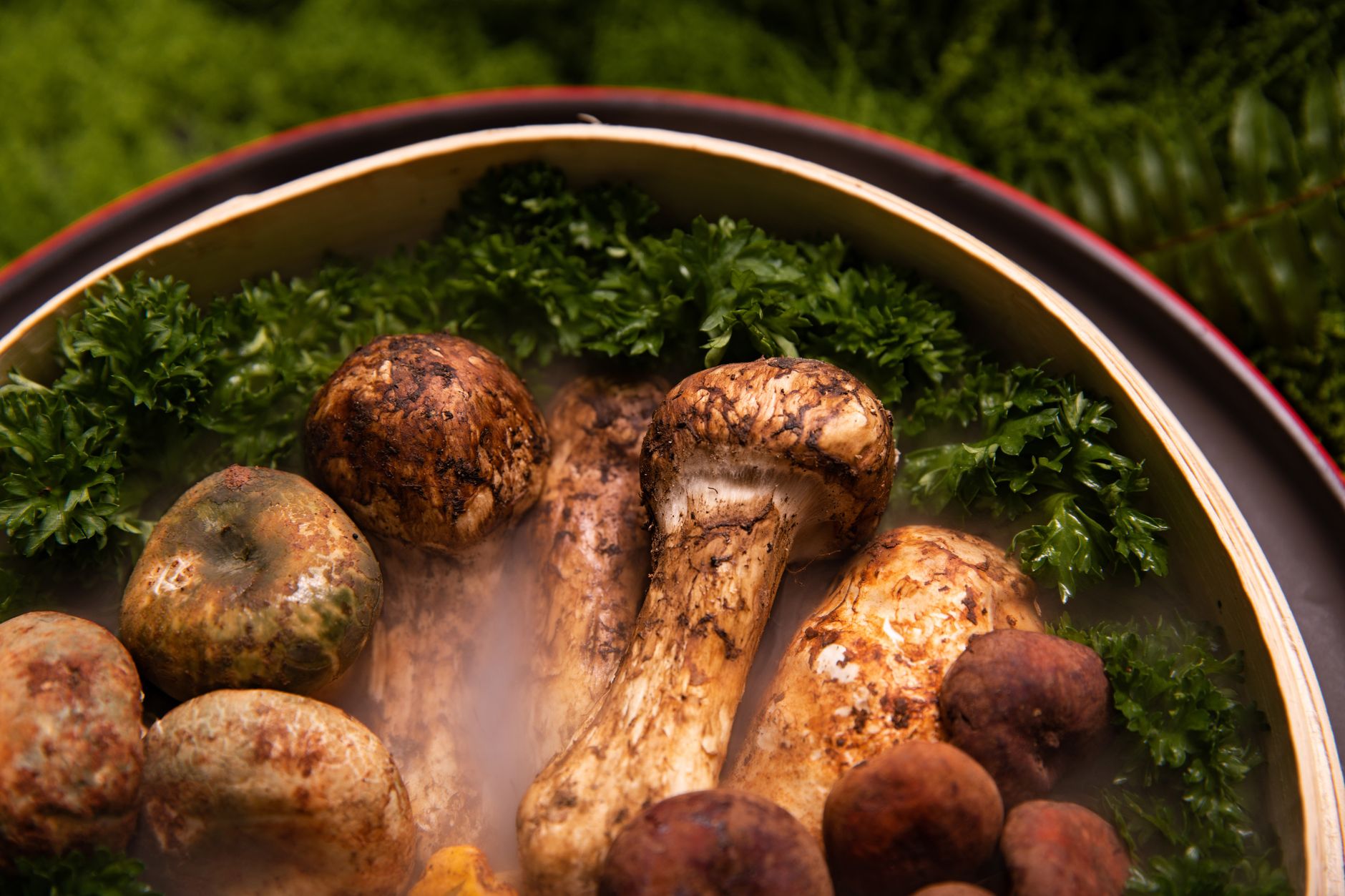
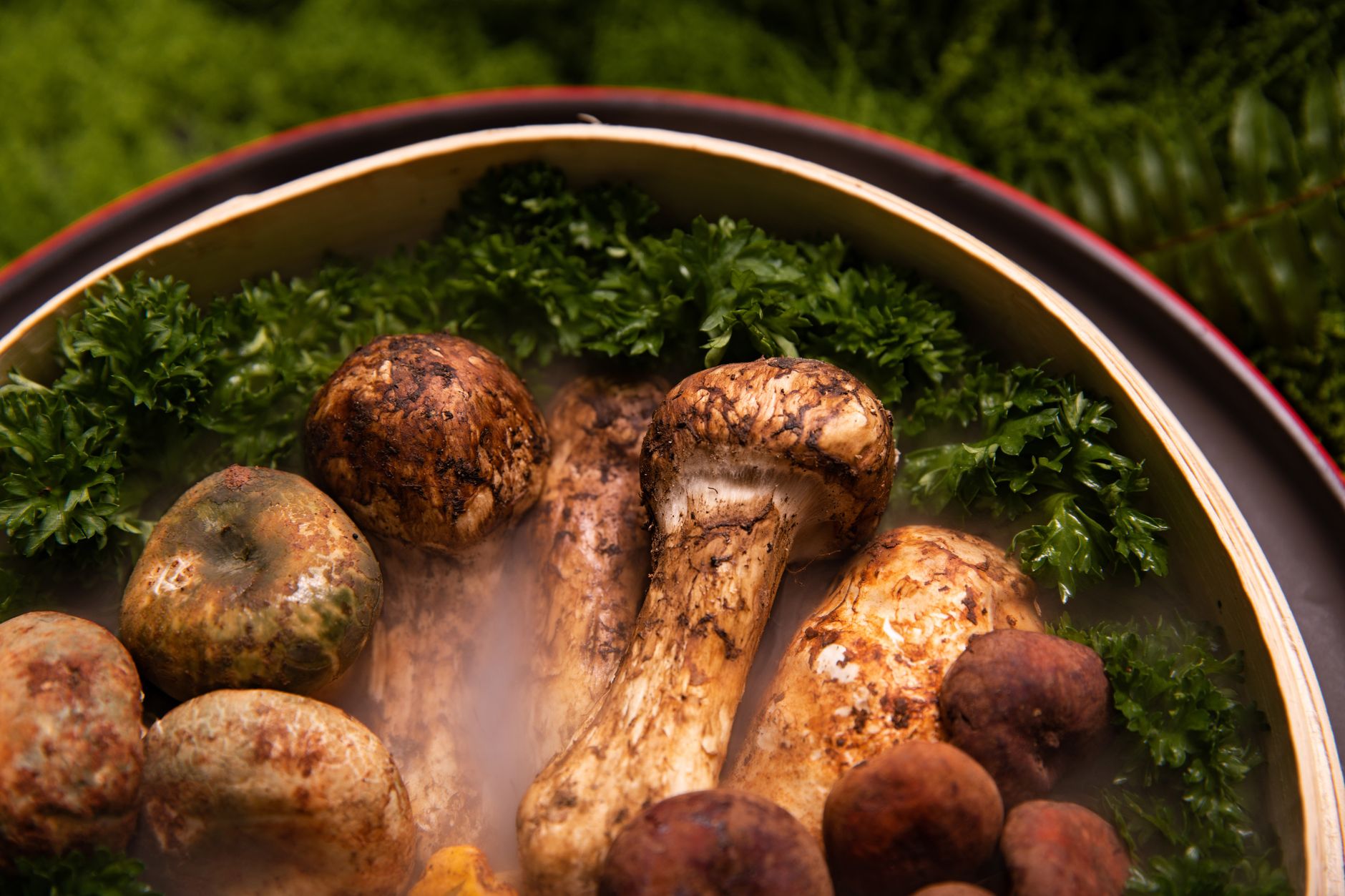
Matsutake (Tricholoma matsutake) is one of the most prized mushrooms in the world, known for its spicy cinnamon aroma and firm texture. It is also one of the hardest mushrooms to cultivate at home. Unlike oyster or shiitake mushrooms, matsutake is mycorrhizal. It must form a living bond with the roots of a host tree, usually a pine. This guide explains the realistic path to growing matsutake at home. You can also read our matsutake growing guide for a broader overview.
Home cultivation of matsutake is not a quick indoor project. You will need a mature pine tree or a large outdoor bed with pine roots. The soil must be acidic, sandy, and low in organic matter, and the mycelium can take years to establish. Most attempts fail, but patient growers in the right climate can succeed. This project is closer to orchard management than to growing mushrooms on straw.
Before you begin, be honest about your site. Matsutake grows naturally in conifer forests with cool fall weather. If you live in a hot, alkaline, or clay-heavy region, you will fight the conditions at every step. That said, a shaded pine planting with amended soil can work in many temperate areas. The key is mimicking the forest floor where matsutake already thrives.
This guide walks through host tree selection, acidic substrate preparation, inoculation, maintenance, and the long wait for your first flush. You will need patience, basic soil tools, and a source of verified matsutake spawn. We will also cover contamination, safety, and realistic expectations.
What You’ll Need
- Mature pine tree or access to pine root zone
- Verified matsutake sawdust spawn or spore slurry
- pH meter
- Soil moisture meter
- 30% to 50% shade cloth
- Decomposed pine needles, coarse sand, aged pine bark
- Hand trowel and garden rake
- Misting system with timer (optional)
How Do You Grow Matsutake at Home?
- Accept the Matsutake Timeline and Mycorrhizal Nature
Matsutake is not a saprotroph. It will not grow on pasteurized straw, sawdust blocks, or coffee grounds. The fungus enters the root tips of pines and exchanges water and minerals for sugars from the tree. This symbiosis is similar to what you see with morels and truffles. If you have tried morel growing guide, you already know how frustrating mycorrhizal mushrooms can be. The same rules apply here. Because matsutake needs a living tree, the project starts years before you see a mushroom. The mycelium must colonize the soil around fine roots for 24 to 36 months before the first shiro, or white mycelial mat, even forms. From inoculation to first harvest, expect 3 to 5 years in the best case. If you want mushrooms in a few weeks, try a fast indoor species instead. Common mistakes come from treating matsutake like an annual vegetable. Gardeners add compost, fertilizer, and water on a weekly schedule. That will kill the fungus. Matsutake wants a stable, low-nutrient, acidic root zone. If you cannot commit to a hands-off five-year plan, do not start. The next step is sourcing material that will not introduce contaminants or false hope.
- Source Verified Matsutake Spawn or Spore Slurry
Do not collect wild mushrooms and assume you have matsutake. Several white gilled mushrooms look similar. Some, like Amanita smithiana, can destroy kidneys. The North American Mycological Association offers identification resources and local clubs. Confirm any wild specimen with an expert before using its spores. For home inoculation, you have two main options. The first is a sawdust spawn made from matsutake mycelium grown on a pine-based medium. The second is a spore slurry, where mature gill fragments or spores are blended into non-chlorinated water. Sawdust spawn colonizes faster, but it is still slow. Sterile technique matters even outdoors. You can review our how to make grain spawn guide for clean culture handling, though matsutake will not fruit on grain alone. Source spawn from a reputable lab or university supplier. Avoid random online listings that promise quick matsutake kits. Ask for a certificate of species identity, and keep the spawn refrigerated until use. If you make your own spore slurry, use distilled water and a clean blender. Use the slurry within 24 hours. The next step is matching the spawn to the right host tree.
- Select the Right Host Tree and Site
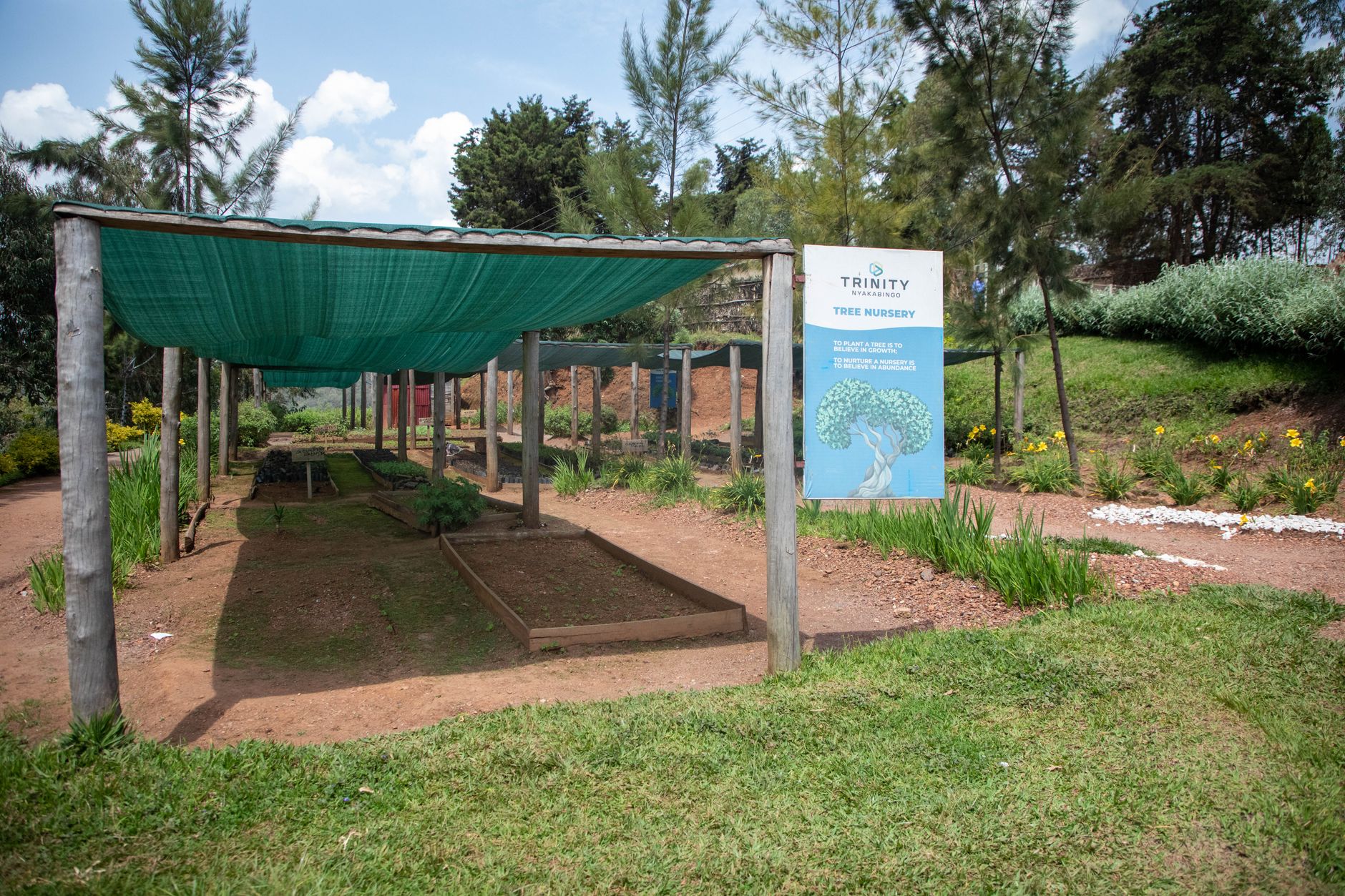
Matsutake associates with several conifers. The most reliable are red pine (Pinus resinosa), pitch pine (Pinus rigida), lodgepole pine (Pinus contorta), and Douglas fir (Pseudotsuga menziesii). In parts of the Pacific Northwest, it also partners with western hemlock and true firs. Choose a tree that is at least 10 years old and healthy. A young sapling does not have enough root mass for a stable mycorrhizal network. The site should have full sun to partial shade, excellent drainage, and acidic soil. Sandy loam is ideal. Clay soil that holds water will rot the mycelium. Avoid low spots where water pools after rain. Research from Penn State Extension on mycorrhizal fungi confirms that root health and soil structure drive success more than any fertilizer. If you do not have a mature pine, you can plant a pine now, but you will wait a decade before inoculation makes sense. A better option may be to find a friend or community garden with existing pines. Matsutake does not transplant well from wild patches, so do not dig up forest soil. The next step is building the substrate layer that will support the mycelium.
- Build the Acidic Pine Duff Substrate Layer
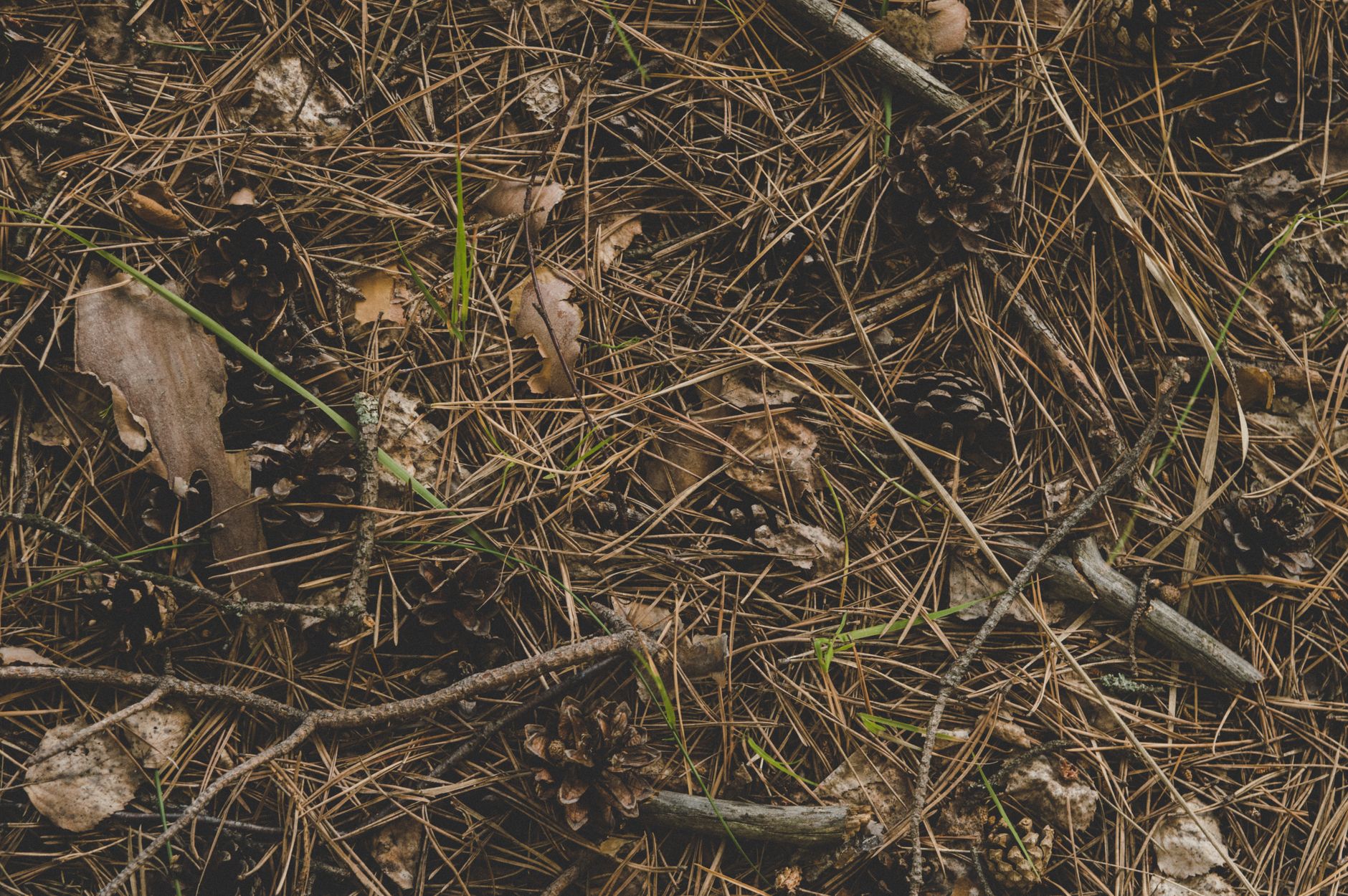
Matsutake prefers a specific forest floor mix. A good target recipe is 60% decomposed pine needles, 20% coarse sand, and 20% aged pine bark by volume. The pH should stay between 4.5 and 5.5. Use a soil pH meter to test before inoculating. This is the single most important data point for matsutake cultivation. Clear a zone around the tree, starting 2 feet from the trunk and extending to the drip line. Remove competing grass, weeds, and surface roots from other plants. Spread the substrate mix 4 to 6 inches deep. Do not work it into the soil. Matsutake mycelium grows best at the interface between the mineral soil and the litter layer. Our best mushroom substrate guide explains why physical structure matters, even for outdoor beds. Never add lime, wood ash, manure, or high-nitrogen fertilizer. Those inputs raise pH and push the microbial community away from matsutake. If your native soil is too alkaline, do not try to force it with sulfur without testing. The next step is placing spawn where the roots actually are.
- Inoculate the Root Zone with Matsutake Spawn
The best inoculation window is early spring or early fall, when soil temperature is between 50°F and 65°F (10°C to 18°C). Dig shallow trenches 2 to 4 inches deep around the drip line, where fine roots are most active. Expose a few small root tips with a hand trowel, but do not cut large roots. Place the sawdust spawn or spore slurry directly against the roots. A common ratio is 1 to 2 liters of spawn per square meter of root zone. Spread it thinly rather than dumping it in clumps. If you use a spore slurry, pour it along the root line and immediately cover with the pine duff mix. The mycelium will grow outward slowly. Do not expect to see rapid white growth like oyster mushrooms. After inoculation, water the area lightly with non-chlorinated water. Rainwater or pond water is better than tap water with chlorine. Then apply another 1 to 2 inches of pine needle mulch. This step connects directly to moisture management, because the spawn will die if the root zone dries out in the first month.
- Maintain Moisture, Shade, and Temperature
During the spawn run, keep the root zone evenly damp but not soggy. Matsutake does best when soil moisture is around 60% to 70% of field capacity. In dry weather, water deeply once or twice a week rather than light daily sprinkling. A soil moisture meter helps you avoid guesswork. Too much water invites mold and root rot. Matsutake fruits in fall when soil temperature drops to 55°F to 65°F (13°C to 18°C) and air humidity rises to 80% to 90%. In hot climates, use 30% to 50% shade cloth over the bed to keep the soil cooler. If your area has dry fall air, a misting system on a timer can raise surface humidity for a few hours each morning. Our mushroom fruiting conditions guide covers the general environmental triggers for mushroom formation. Replenish pine needle mulch every autumn. This maintains acidity, suppresses weeds, and feeds the litter layer where matsutake runs. Do not disturb the soil once the mycelium is established. Walk around the bed, not through it. The next step is the long process of watching for problems.
- Monitor for Contamination and Competing Fungi
The biggest threats in the first two years are Trichoderma green mold, cobweb mold, and fast-growing saprobic fungi from introduced compost. Check the edges of the bed monthly. If you see green, black, or slimy patches, remove that section of duff and dispose of it away from the tree. Do not mix contaminated material into the bed. Our mushroom contamination identification guide can help you tell harmless molds from destructive ones. Healthy matsutake mycelium appears as a white to pale gray web in the litter, often with a distinctive spicy odor. It may form dense shiro mats that repel other fungi. If you see healthy white growth, do not dig it up to check. Disturbing the mycelium can set the colony back months. Competing mycorrhizal fungi, such as Amanita or Suillus species, may also appear. You cannot selectively kill them without harming matsutake. Focus on keeping the soil acidic, low in nitrogen, and undisturbed. That gives matsutake the best chance to dominate the root zone over time.
- Wait Years, Then Harvest Only When Mature
Patience is the real test. From inoculation to first fruiting, expect 3 to 5 years in optimal conditions. Some beds never fruit. You will know the colony is healthy when you see a dense white shiro in the duff, often smelling like cinnamon and old socks. In fall, after a temperature drop and a good rain, small buttons may push through the pine needles. Harvest matsutake when the cap is 2 to 4 inches wide and still partially closed, with a thick stem. Gently twist the mushroom at the base and pull straight up. Do not dig around the stem. Leave the base of the stem in the soil if it breaks. Use a basket or cloth bag, not plastic, to prevent sweating. After harvest, replace any displaced duff and continue your moisture routine. The shiro should produce for several years if left undisturbed. If nothing appears after 5 to 6 years, test the soil pH again and check that the host tree roots are still in the bed. You may need to reinoculate or accept that this tree is not a good match.
Red Flags & Warnings
- 🚨 Never eat a wild mushroom unless an expert positively identifies it. Matsutake has toxic lookalikes, including Amanita smithiana, which can cause severe kidney injury.
- 🚨 Do not collect spawn, soil, or host roots from public lands without permission. Many matsutake habitats are protected, and disturbance can destroy wild shiro for decades.
- 🚨 Avoid overwatering. Soggy soil kills matsutake mycelium and invites Trichoderma and bacterial infections. Keep soil damp but never waterlogged.
- 🚨 Skip nitrogen-rich fertilizers, manure, and lime. They raise pH and favor competing microbes, ruining the acidic root zone matsutake requires.
- 🚨 Expect failure the first few attempts. Mycorrhizal mushroom cultivation is experimental even for researchers, and home success rates are low.
- 🚨 Do not dig up an established shiro to check progress. Disturbing the mycelial mat can set the colony back months or kill it entirely.
Frequently Asked Questions
Can I grow matsutake indoors in a grow bag?
No. Matsutake is mycorrhizal and must bond with living tree roots. Indoor monotubs, grow bags, and sawdust blocks will not produce mushrooms. You need an outdoor pine or suitable host tree.
How long until matsutake fruits after inoculation?
Expect 3 to 5 years if conditions are good. The spawn run alone may take 24 to 36 months before a shiro forms. Some beds never fruit, so treat this as an experimental project.
Which host trees work best for matsutake?
Red pine, pitch pine, lodgepole pine, and Douglas fir are the most reliable. In parts of the Pacific Northwest, western hemlock and true firs also work. Use a healthy tree at least 10 years old.
What soil pH does matsutake need?
Matsutake prefers acidic soil between 4.5 and 5.5. A mix of decomposed pine needles, coarse sand, and aged pine bark helps maintain that range. Test pH before you inoculate.
Can I use store-bought mushroom substrate for matsutake?
Not directly. Sterile pine sawdust spawn can carry the mycelium, but the final root-zone substrate must be natural pine duff and sandy soil. Standard indoor substrates are too rich and alkaline.
Are there poisonous lookalikes I should worry about?
Yes. Amanita smithiana and other white gilled mushrooms look similar and can cause kidney failure. Only harvest with expert confirmation, and never eat a wild mushroom unless an expert positively identifies it.
What Should You Remember?
- Matsutake is mycorrhizal: It must bond with pine roots; no indoor kits or tubs.
- Plan for 3-5 years: First harvest rarely appears before year three, if at all.
- Soil pH 4.5-5.5: Acidic pine duff is critical for mycelial survival.
- Host tree: Use a mature pine or Douglas fir with healthy fine roots.
- Moisture 80-90%: During fruiting, keep air humid and soil damp but not soaked.
- Contamination: Watch for green mold and remove infected duff away from the tree.
- Identification safety: Never eat wild matsutake without expert positive identification.
This article is for general information only. Mushroom identification and consumption carry health and safety risks , never eat a wild mushroom unless positively identified by an expert, and follow sterile technique and food-safety guidance for home grows.