Mushroom Growing in Bathroom: 5 Best Species Compared

Mushroom Growing in Bathroom: 5 Best Species Compared

Quick Answer: The best mushrooms to grow in a bathroom are blue oyster and lion's mane. They tolerate 65-75°F temperatures and 85-95% humidity common after showers. Pioppino and enoki work only in cooler bathrooms. Avoid button mushrooms. Always use clean tools and never eat a wild mushroom without expert identification. You already own a decent mushroom fruiting room. It has a shower, an exhaust fan, tile walls, and a door that traps humidity. A bathroom after a hot shower often hits 85-95% relative humidity, which is exactly where oyster and lion’s mane mushrooms thrive. That makes mushroom growing in bathroom spaces a practical low-cost option for new home cultivators. You still need to control temperature, light, and air exchange. A bathroom is not automatically sterile. It is just a useful shell. Never eat any wild mushroom without expert identification. The North American Mycological Association offers identification resources if you ever collect outside. ...

September 6, 2026 · 11 min · Jarrod Gravison
How to Grow Yellowfoot Mushrooms at Home in a Woodland Patch

How to Grow Yellowfoot Mushrooms at Home in a Woodland Patch

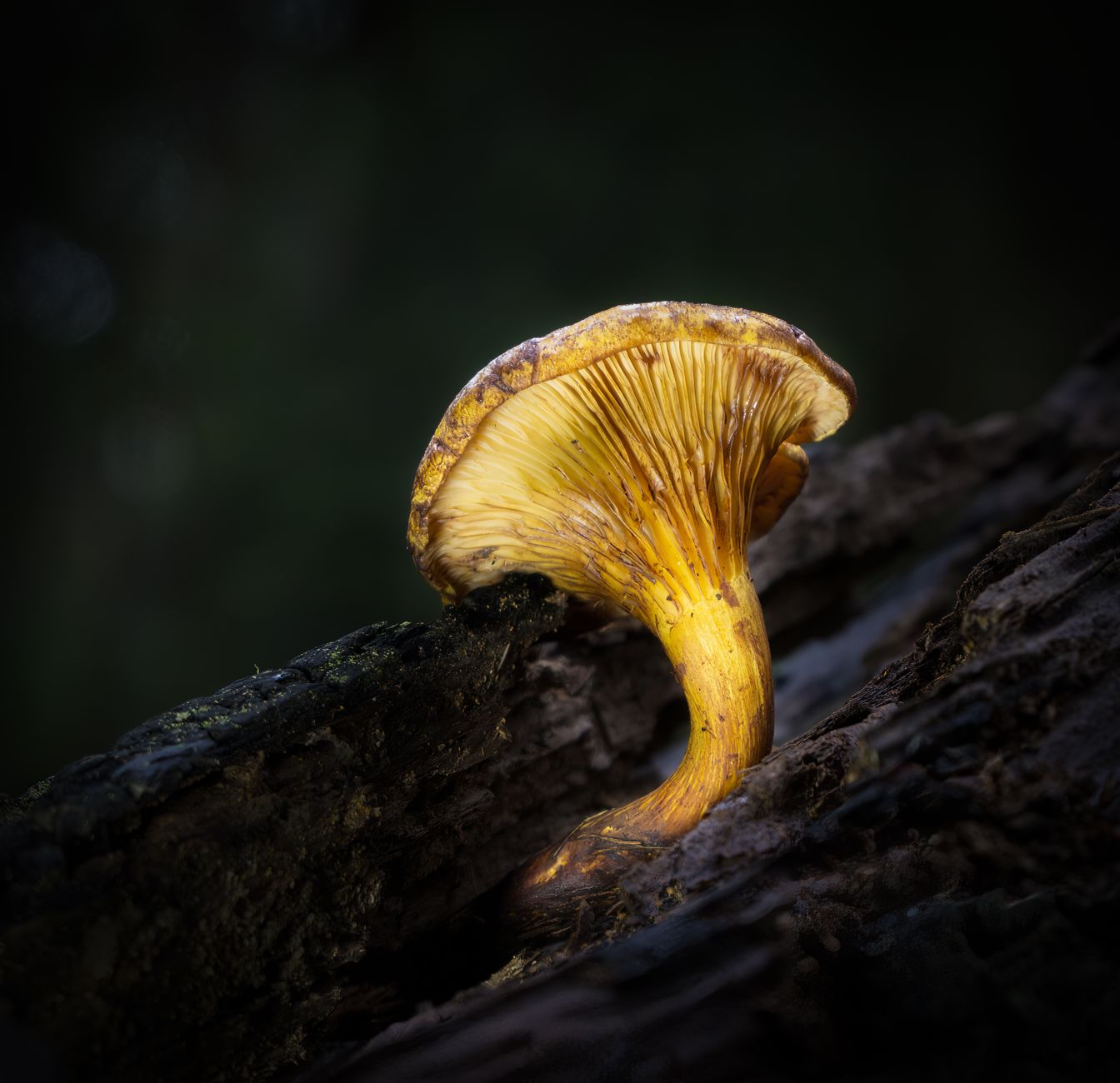
Quick Answer: Yellowfoot is a mycorrhizal mushroom. It needs living tree roots, so indoor fruiting blocks fail. At home, establish an outdoor patch under conifers or birch. Inoculate root-zone soil with yellowfoot sawdust spawn in fall, keep the area moist and shaded, and wait one to three years. Yellowfoot chanterelle, Craterellus tubaeformis, is a wild mushroom that many people want to grow at home. It is related to golden chanterelles but has a smaller, darker cap and a hollow yellow stem. The big question is whether you can cultivate it indoors. The honest answer is no. Yellowfoot is mycorrhizal. It must connect to living tree roots. If you have tried oyster or lion’s mane kits, this species is a completely different project. See the chanterelle growing guide for background on this family. ...

August 16, 2026 · 10 min · Jarrod Gravison
How to Grow Yellowfoot Chanterelle at Home: A Realistic Guide

How to Grow Yellowfoot Chanterelle at Home: A Realistic Guide

Quick Answer: You cannot reliably grow yellowfoot chanterelle indoors because it needs living tree roots. An outdoor bed near a mature conifer with acidic soil, consistent moisture, and cool temperatures gives the best odds. Expect a 2-5 year wait and no guarantee of mushrooms. Yellowfoot chanterelle (Craterellus tubaeformis), also called winter chanterelle or funnel chanterelle, is a delicious wild mushroom with a hollow stem and a brownish cap. It grows in conifer forests across the Northern Hemisphere and appears in the cold months when most other mushrooms have stopped. Many home growers want to cultivate it, but this species is not like oyster or shiitake. It is mycorrhizal, meaning it must partner with the living roots of certain trees. For that reason, the standard indoor methods found in a chanterelle growing guide rarely work for yellowfoot. ...

August 16, 2026 · 14 min · Jarrod Gravison
How to Grow Wood Ear Mushrooms at Home: A Complete Guide

How to Grow Wood Ear Mushrooms at Home: A Complete Guide

Quick Answer: Wood ear mushrooms (Auricularia auricula-judae) grow best on supplemented hardwood sawdust or pasteurized straw. Colonize at 70-78°F for 14-28 days, then fruit at 60-75°F with 85-95% humidity. Harvest in 3-6 weeks. Use a still air box and sterile technique to avoid contamination. Wood ear mushrooms, also known as black fungus or cloud ear, are a chewy, mild-tasting species used in soups, stir-fries, and salads. The Latin name is Auricularia auricula-judae, and several close relatives are cultivated in Asia. They grow on dead hardwood, which makes them well suited for home cultivation on sawdust blocks. If you are new to indoor mushroom growing, first read the best mushroom substrate guide to understand base materials. Always follow safe identification practices from the North American Mycological Association if you ever compare your cultivated mushrooms to wild ones. ...

August 16, 2026 · 11 min · Jarrod Gravison
How to Grow Wine Cap Mushrooms at Home

How to Grow Wine Cap Mushrooms at Home

Quick Answer: Wine cap mushrooms grow best in an outdoor bed layered with hardwood chips and straw. Plant sawdust spawn in spring or fall, keep the bed moist, and maintain 55-80°F for colonization. You can harvest in 4-8 weeks once the burgundy caps emerge. Wine cap mushrooms, also called Stropharia rugosoannulata or garden giant, are one of the best species for home growers who want an outdoor patch. They thrive on wood chips, straw, and garden mulch, which makes them a natural fit for vegetable beds and landscaped areas. Unlike indoor oyster or shiitake projects, wine caps do not need a sterile workspace or a complicated fruiting chamber. You can start a bed near a hydrangea, under a tree, or between raised rows. Before building the bed, review the best mushroom substrate guide to understand how wood and straw feed the mycelium. ...

August 16, 2026 · 12 min · Jarrod Gravison
How to Grow White Truffles at Home: A Practical Guide

How to Grow White Truffles at Home: A Practical Guide

Quick Answer: White truffle growing at home means planting host tree seedlings whose roots are colonized by Tuber magnatum. You need alkaline soil with pH 7.5-8.3, consistent moisture, and 7-12 years before harvest. It is not an indoor project. Success is low outside Mediterranean climates, but proper site prep and long-term care can improve odds. White truffles, specifically Tuber magnatum, are among the most expensive foods on earth. Their aroma is intense, and they grow underground in a symbiotic relationship with tree roots. Unlike oyster mushrooms or shiitake, you cannot fruit white truffles from a sawdust block indoors. If you have explored growing black truffles, you already know this family demands a very different approach. ...

August 16, 2026 · 11 min · Jarrod Gravison
How to Grow Velvet Pioppino Mushrooms at Home Successfully

How to Grow Velvet Pioppino Mushrooms at Home Successfully

Quick Answer: Velvet pioppino mushrooms fruit best when you use supplemented hardwood sawdust, colonize at 70-75°F for 14-21 days, and fruit at 50-65°F with 85-95% humidity. Spawn at a 10-15% rate, keep blocks in a humid fruiting chamber, and harvest clusters when caps are still slightly curled. A second flush often follows a cold water soak. Velvet pioppino (Agrocybe aegerita) is one of the most rewarding mushrooms for home growers who want something beyond oyster mushrooms. It produces tight clusters of brown-capped, long-stemmed mushrooms with a firm texture and a nutty, earthy flavor. Because it thrives on supplemented hardwood sawdust, it fits well into any home cultivation setup that already handles species like chestnut mushrooms. The mushroom is also called black poplar mushroom, and it has a long history in Mediterranean and Asian cooking. It stores well in the refrigerator and holds its shape during sautéing, making it a favorite for soups, pasta, and stir-fries. ...

August 16, 2026 · 11 min · Jarrod Gravison
How to Grow Turkey Tail Mushrooms at Home: A Step-by-Step Guide

How to Grow Turkey Tail Mushrooms at Home: A Step-by-Step Guide

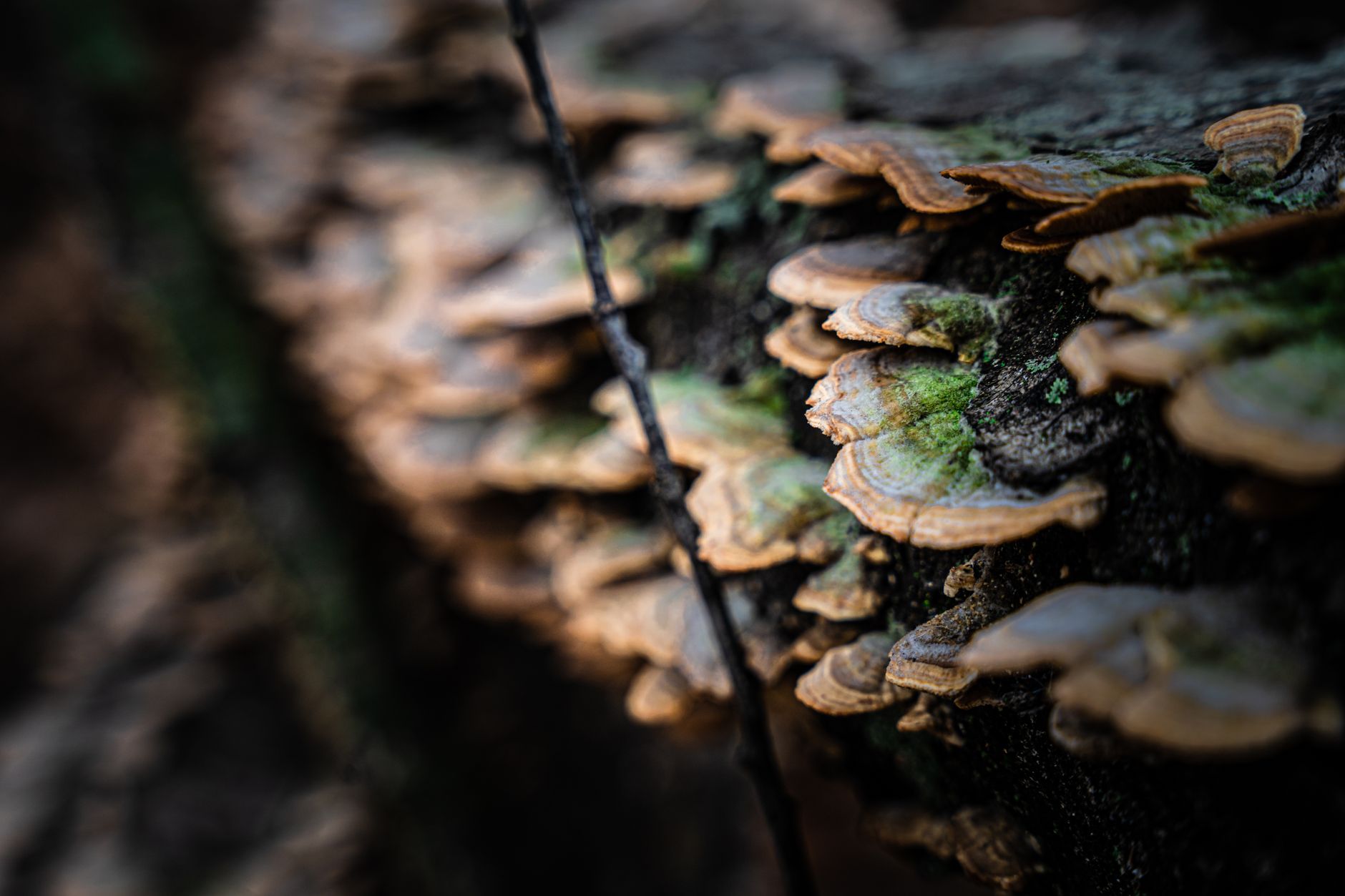
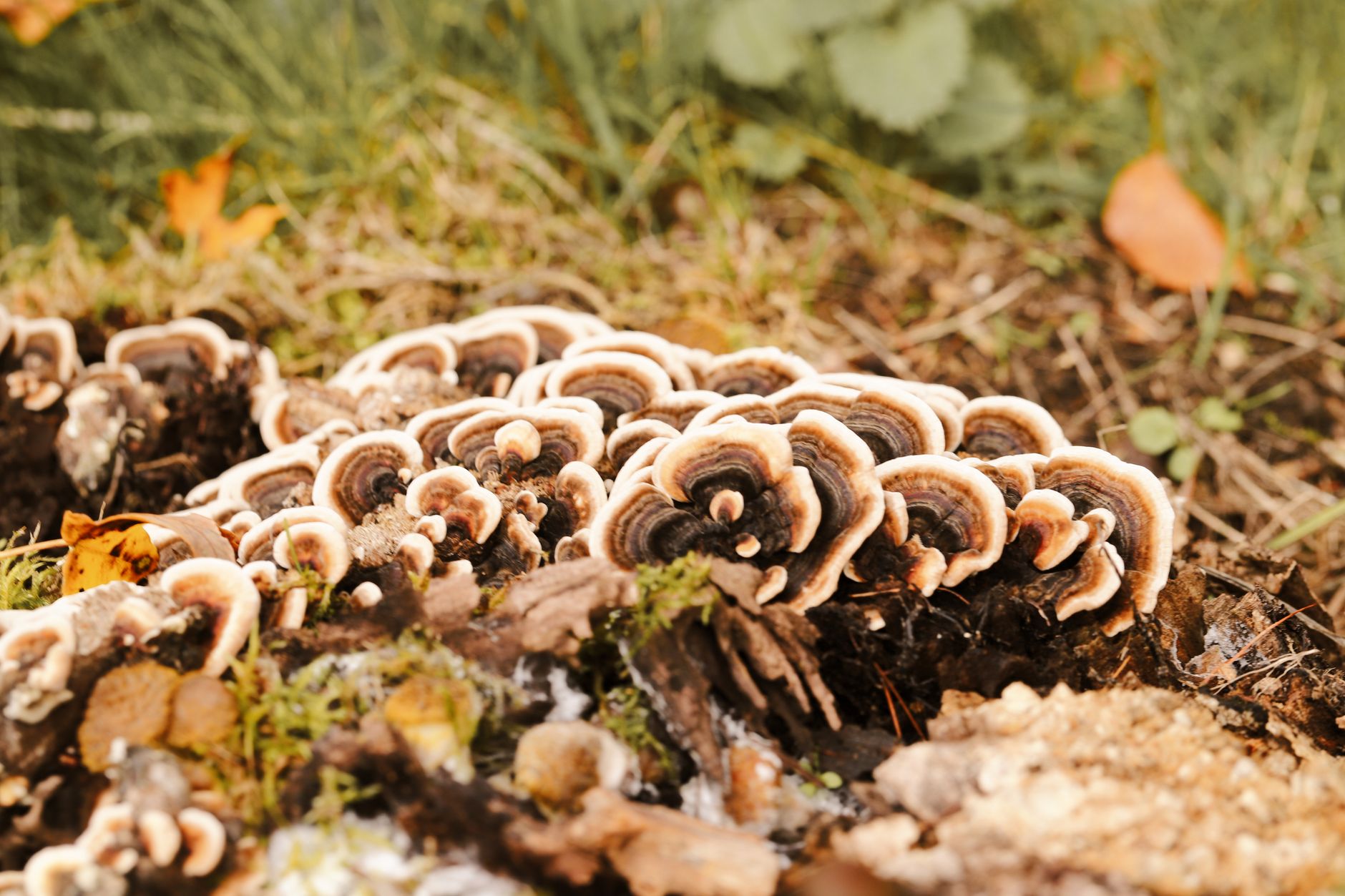
Quick Answer: Turkey tail can be grown at home on supplemented hardwood sawdust or logs. Use hardwood pellets with wheat bran, sterilize at 15 PSI for 90 minutes, colonize at 70-75°F, then fruit at 85-95% humidity. Expect 14-30 days for spawn run and several weeks for conks. Turkey tail (Trametes versicolor) is one of the most recognizable medicinal mushrooms in North America. It forms thin, fan-shaped conks with bands of brown, white, gray, and sometimes blue or green. Unlike oyster mushrooms or shiitake, turkey tail is not grown for the dinner plate. Most growers cultivate it for dried tea, tincture, or extract. Indoor cultivation on supplemented hardwood sawdust makes it possible to produce clean, contaminant-free material year-round. Before you start, review the best mushroom substrate guide to understand why hardwood works so well for this species. ...

August 16, 2026 · 11 min · Jarrod Gravison
How to Grow Snow Fungus at Home: A Complete Cultivation Guide

How to Grow Snow Fungus at Home: A Complete Cultivation Guide

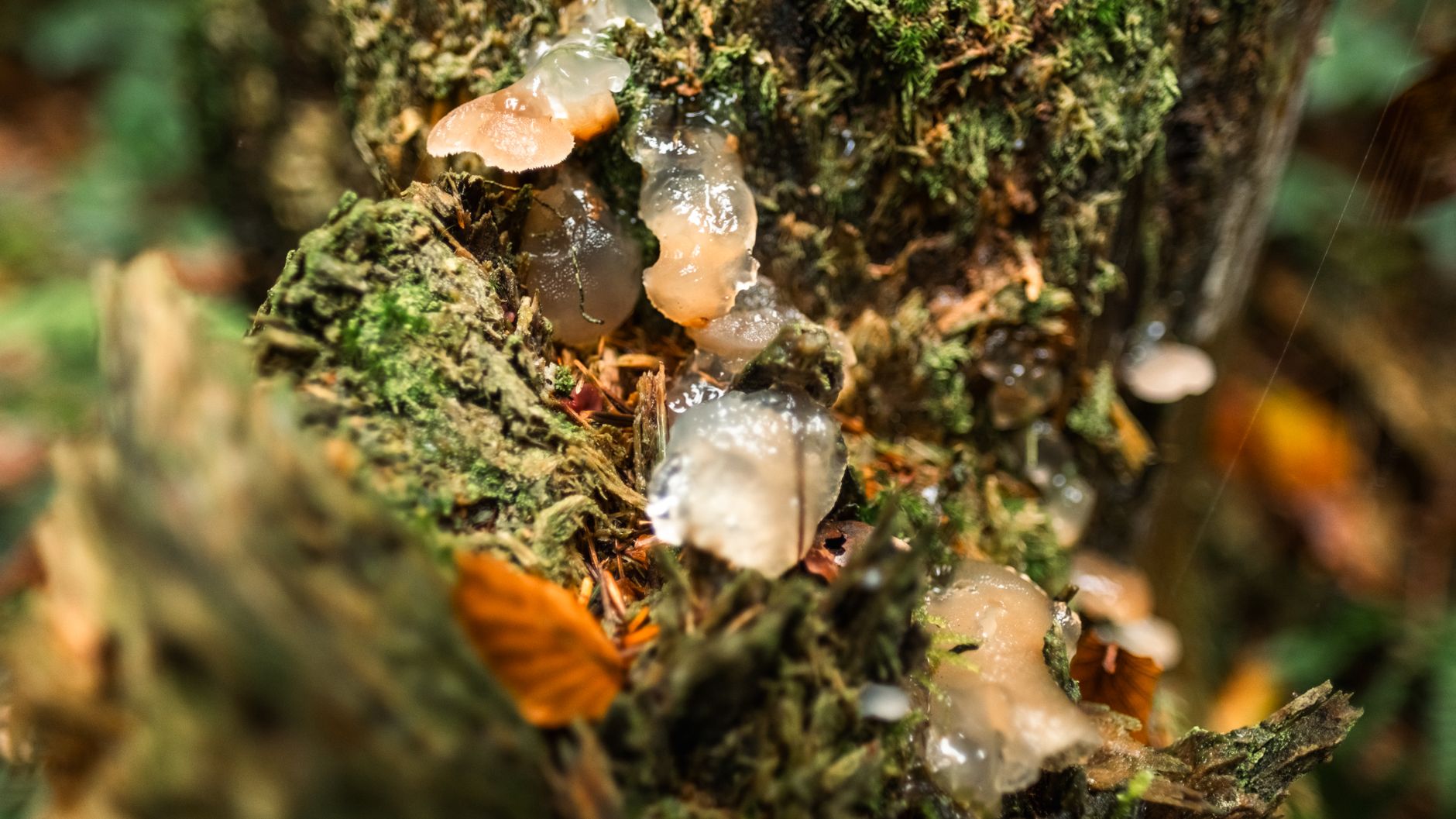
Quick Answer: Snow fungus (Tremella fuciformis) grows at home when you pair it with its host fungus on supplemented hardwood sawdust. Keep colonization at 70-80°F for 21-35 days. Fruit at 65-75°F with 85-95% humidity. This is an advanced project for patient growers. Snow fungus, also called Tremella fuciformis, is a white, translucent, jelly-textured mushroom prized in Asian cuisine and traditional recipes. Unlike oyster mushrooms, which grow vigorously on straw or sawdust, snow fungus is not a beginner-friendly species. It is a parasitic fungus that needs a helper host in the substrate to produce the edible brain-like lobes. The North American Mycological Association reminds growers to never eat any wild mushroom unless an expert positively identifies it. That rule matters here because several gelatinous wild fungi look similar. ...

August 16, 2026 · 13 min · Jarrod Gravison
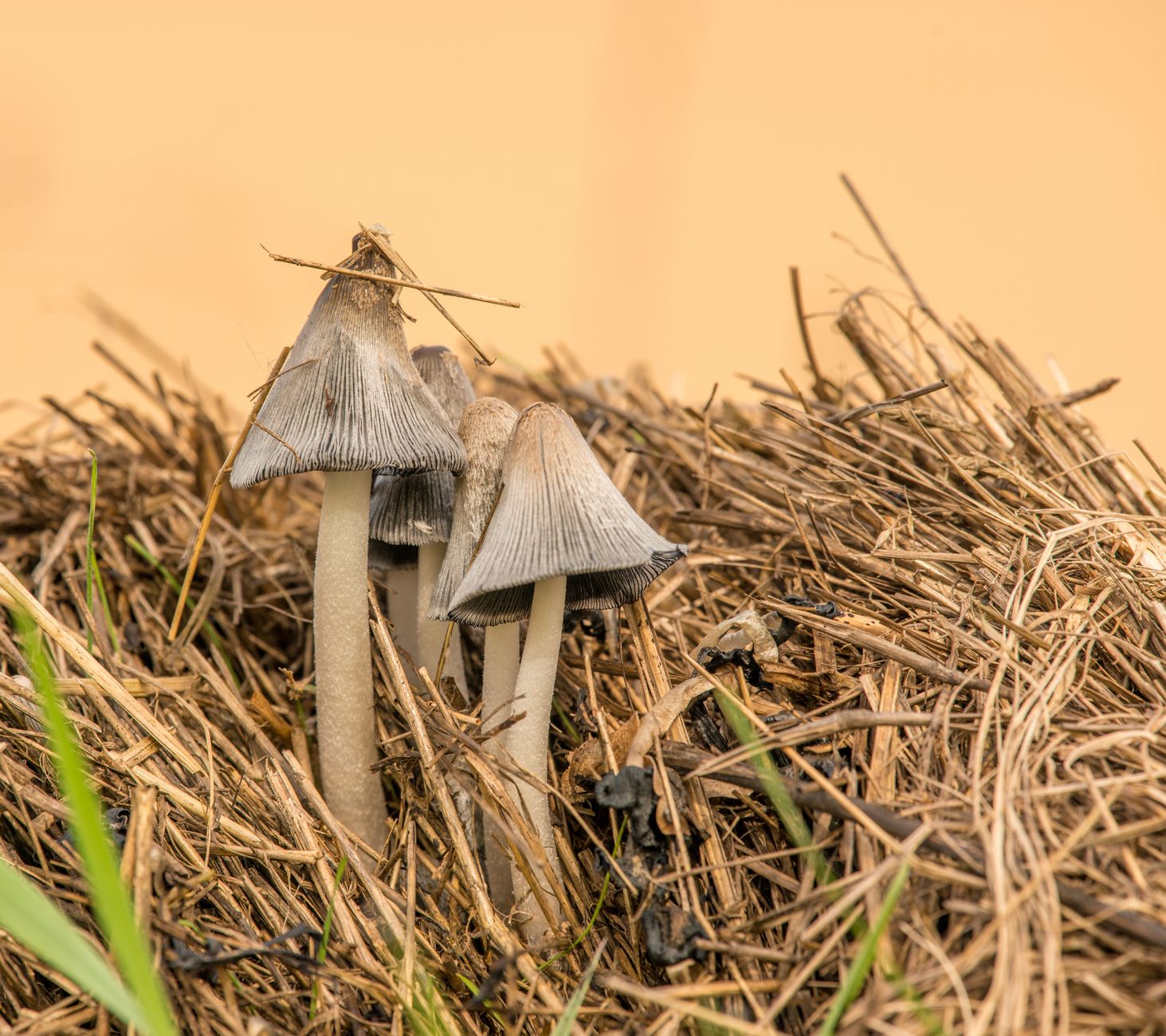
How to Grow Shaggy Mane Mushrooms at Home

How to Grow Shaggy Mane Mushrooms at Home

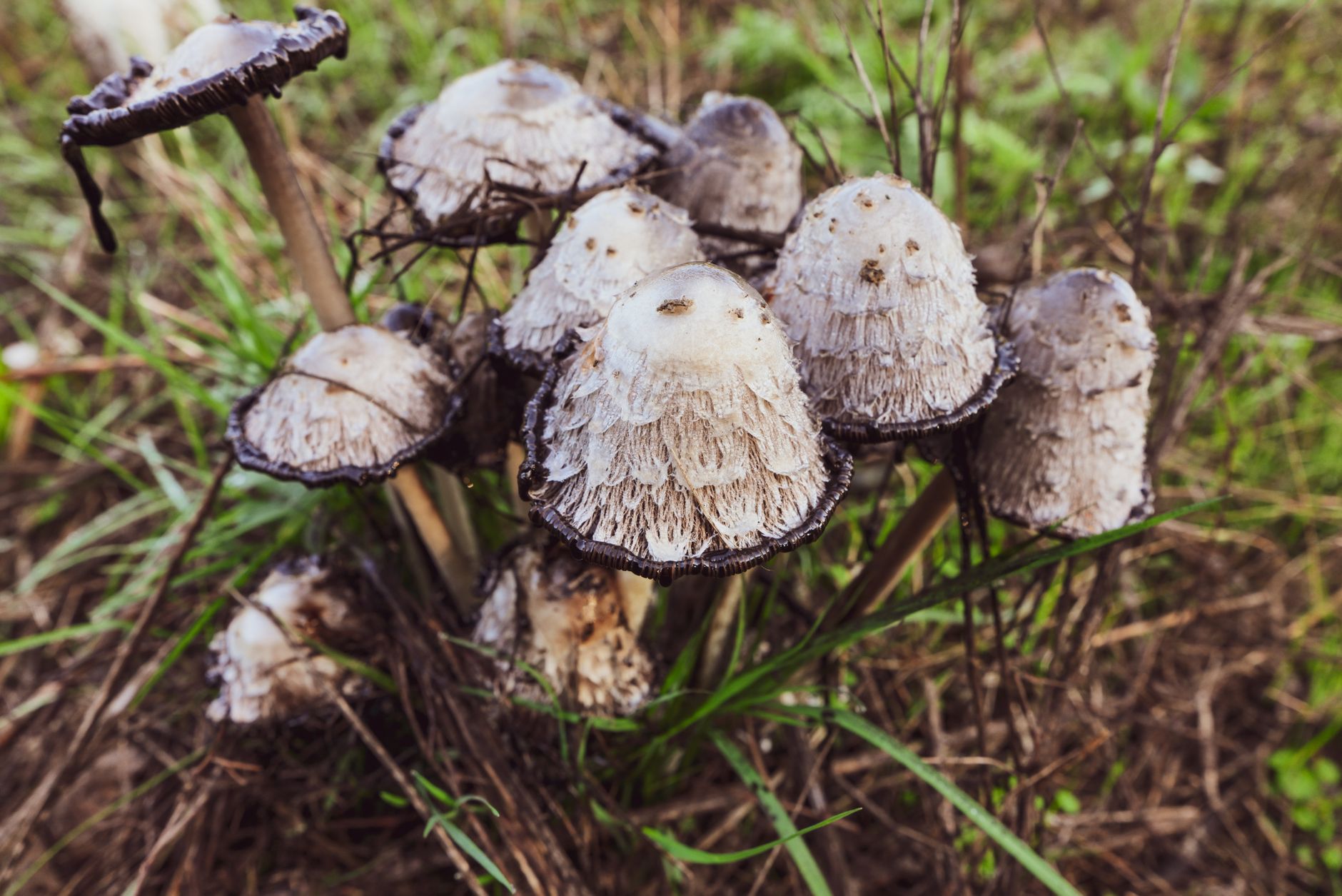
Quick Answer: Shaggy mane (Coprinus comatus) is best grown outdoors in compost-rich beds or containers rather than indoors. It needs a nutrient-rich compost substrate, cool temperatures between 55-65°F, high humidity above 85%, and indirect light. Colonization takes 2-4 weeks, then fruiting begins after a temperature drop and heavy misting. Harvest before the cap deliquesces into black ink. Shaggy mane (Coprinus comatus) is one of the most recognizable wild mushrooms, with a tall, white, shaggy cap that seems to melt into black ink as it matures. Many home growers want to cultivate it because of its delicate flavor and striking appearance, but this species is not as forgiving as oyster or shiitake mushrooms. Unlike wood-loving species, shaggy mane is a secondary decomposer that thrives in compost, manure, and disturbed soil. Before you start, understand that the North American Mycological Association (NAMA) stresses positive identification for any wild mushroom, and the same caution applies to cultivated specimens if you are unsure of the strain. ...

August 16, 2026 · 13 min · Jarrod Gravison
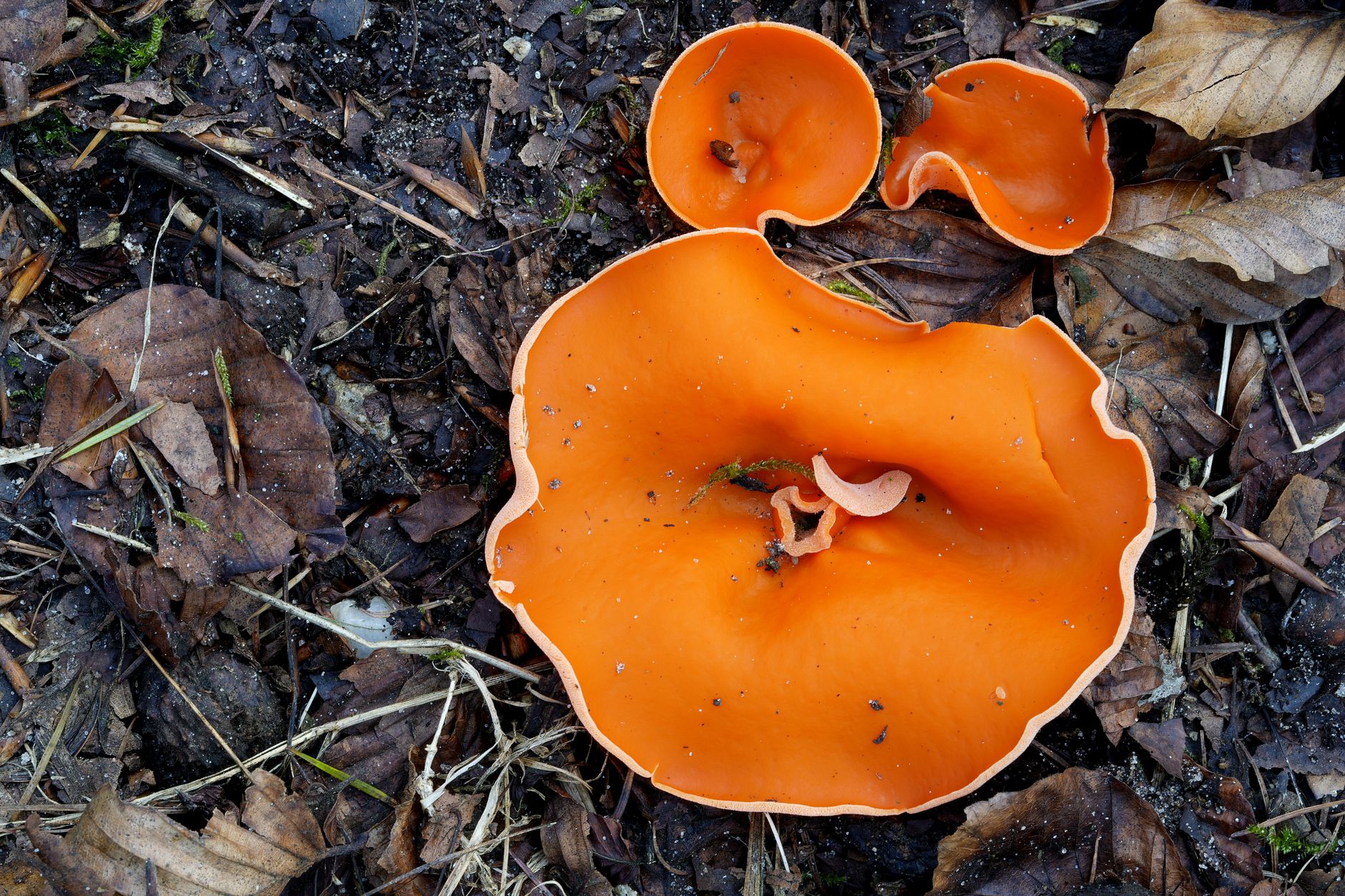
How to Grow Scarlet Elf Cup at Home: The Wood Chip Method

How to Grow Scarlet Elf Cup at Home: The Wood Chip Method

Quick Answer: Scarlet elf cup (Sarcoscypha coccinea) grows best outdoors on a partially buried hardwood chip bed. Use a substrate of about 5 parts hardwood chips, 3 parts sawdust, and 2 parts leaf litter. Keep the bed moist with 85 to 95 percent humidity and cool 55 to 65 degree F conditions. Colonization usually takes 30 to 60 days before cups appear. Scarlet elf cup (Sarcoscypha coccinea) is one of the most striking early season fungi. Its bright red cups push through leaf litter and moss, often near streams and decaying hardwood. Home growers get curious because the cups look almost too vivid to be real. The catch is that this species does not behave like oyster mushrooms or shiitake. It rarely fruits in bags or trays. Most success comes from an outdoor wood chip bed that mimics its natural streamside habitat. That said, a patient grower can coax cups to appear over one to two seasons. ...

August 16, 2026 · 14 min · Jarrod Gravison
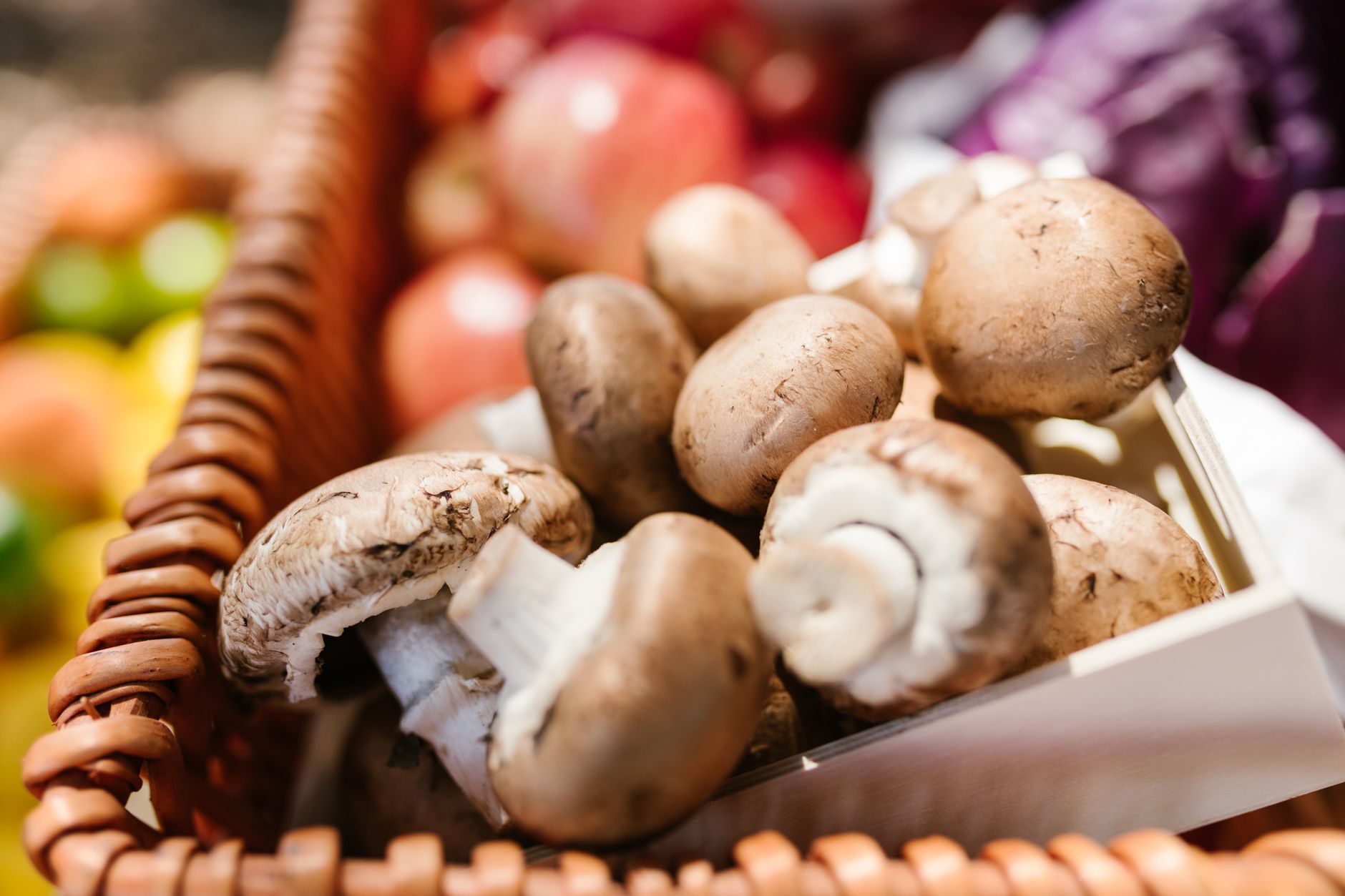
How to Grow Portobello Mushrooms at Home: Step-by-Step Guide

How to Grow Portobello Mushrooms at Home: Step-by-Step Guide

Quick Answer: Portobello mushrooms (Agaricus bisporus) are the mature form of cremini and button mushrooms. Grow them indoors on composted manure-based substrate, case with peat moss, and maintain 65-70°F with 85-95% humidity. Colonization takes 14-21 days, and mushrooms appear 14-21 days after casing. Harvest when caps are 4-6 inches wide. Portobello mushrooms are not a separate species. They are the mature, open-cap stage of Agaricus bisporus. The same species gives you white button mushrooms when picked young and cremini when picked in between. Portobello offers a deep, meaty flavor and a dense texture that holds up on the grill or in the oven. Growing them at home is very possible but requires more patience than oyster mushrooms. You also need a compost-rich substrate, not just straw or sawdust. See our button mushroom growing guide to understand the life cycle. ...

August 16, 2026 · 13 min · Jarrod Gravison
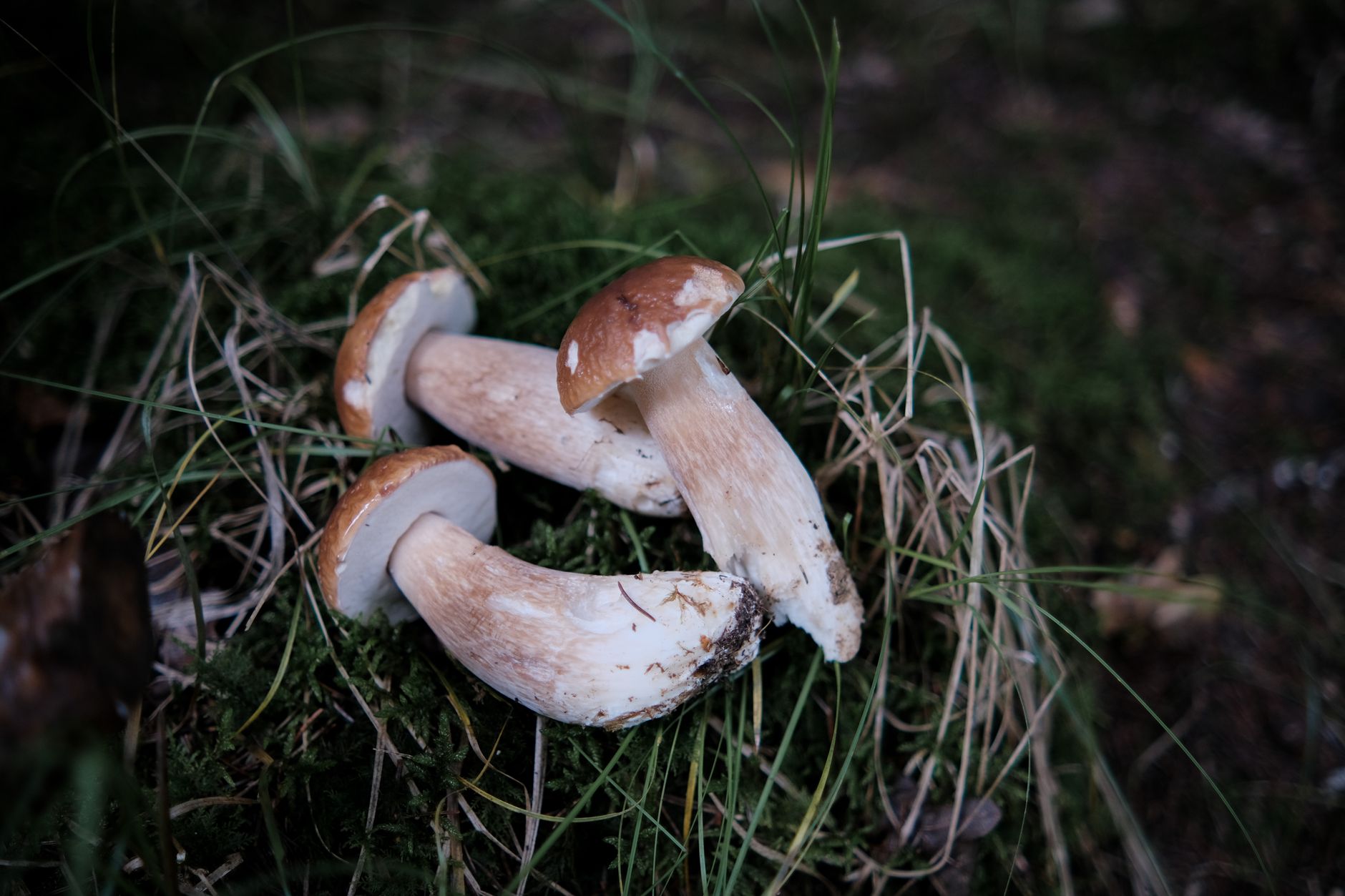
How to Grow Porcini at Home: A Patient Gardener's Guide

How to Grow Porcini at Home: A Patient Gardener's Guide

Quick Answer: You can attempt porcini at home by inoculating young host tree roots with Boletus edulis spores or mycelium and maintaining acidic, well-drained soil. It is not like indoor mushroom kits. Success is uncertain and often takes 4 to 7 years or longer before any mushrooms appear. Porcini mushrooms, Boletus edulis, are among the most prized wild mushrooms in the world. Their rich, nutty flavor makes them a target for home growers. But here is the catch: porcini are mycorrhizal. They form a symbiotic bond with living tree roots. You cannot grow them on sawdust blocks or straw like oyster mushrooms. The process is closer to planting a tree than to indoor mushroom cultivation. If you want to try, you need patience, space, and a compatible host tree. ...

August 16, 2026 · 13 min · Jarrod Gravison
How to Grow Pioppino Mushrooms at Home Indoors and Outdoors

How to Grow Pioppino Mushrooms at Home Indoors and Outdoors

Quick Answer: Pioppino grows best on supplemented hardwood sawdust. Inoculate sterilized substrate with grain spawn, incubate at 70-75°F for 3-5 weeks, then fruit at 55-65°F with 85-95% humidity. Harvest young clusters before caps flatten. Clean spawn and a pressure cooker prevent most failures. Pioppino mushrooms, also called black poplar mushrooms or Cyclocybe aegerita, are a favorite among home growers who want a nutty, earthy mushroom that performs well indoors. The clusters form tight caps on slender stems, and the flavor deepens when cooked. Unlike some finicky wood-loving species, pioppino tolerates a range of fruiting setups once you understand its temperature and humidity needs. This guide walks through the full process from spawn to harvest. You can also review general environmental setpoints in the mushroom fruiting conditions guide. ...

August 16, 2026 · 12 min · Jarrod Gravison
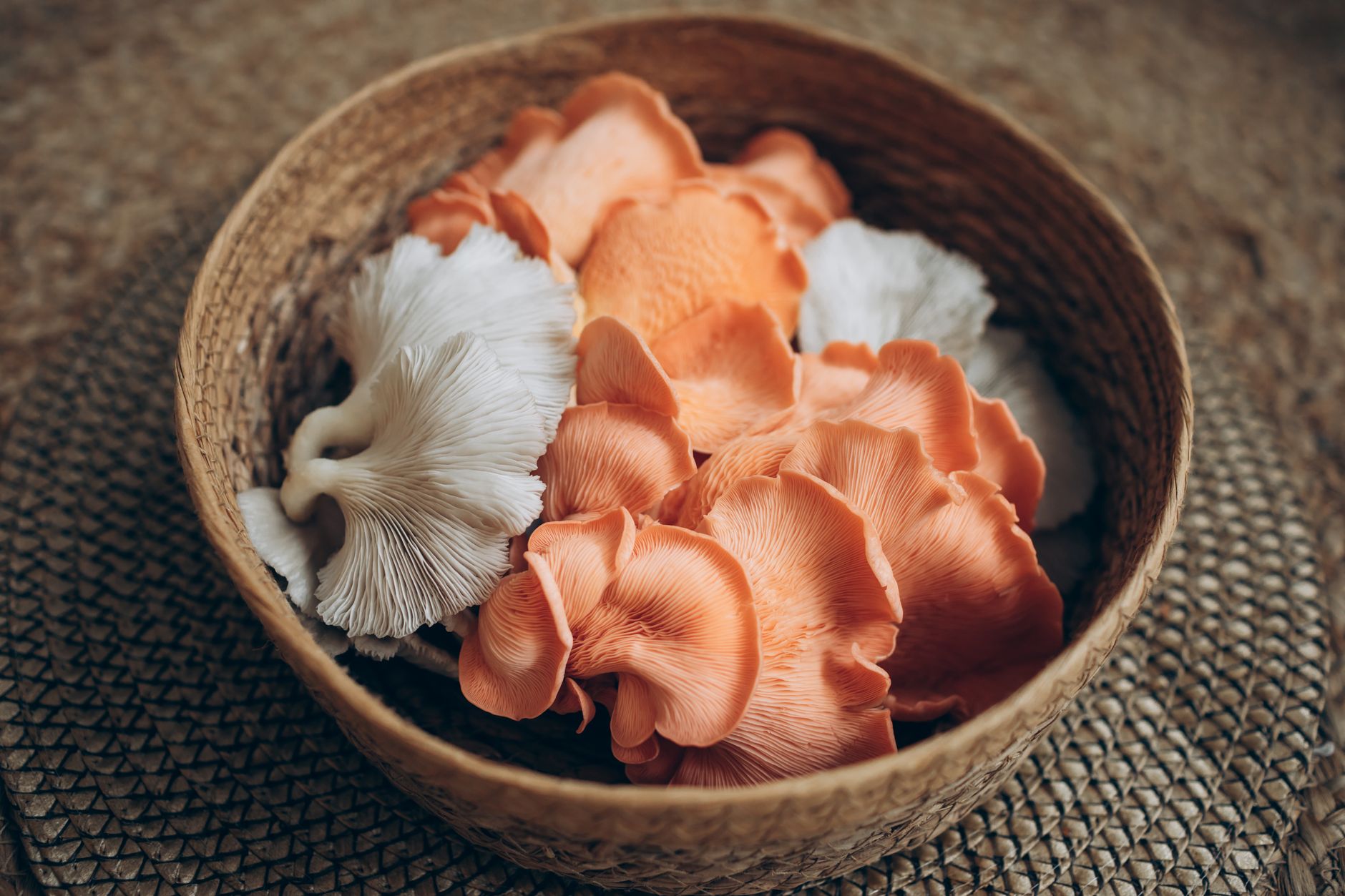
How to Grow Pink Oyster Mushrooms at Home

How to Grow Pink Oyster Mushrooms at Home

Quick Answer: Pink oyster mushrooms are a fast-fruiting tropical species. Grow them on pasteurized straw or supplemented hardwood sawdust at 75-85°F and 85-95% humidity. Expect spawn run in 7-14 days and first harvest about 3-4 weeks after inoculation. Pink oyster mushrooms are one of the fastest and most forgiving mushrooms for home cultivation. They produce clusters of ruffled, salmon-pink caps with a meaty texture and a slightly savory flavor. This guide walks through spawn selection, substrate preparation, fruiting, and harvest. If you want an easier first run, compare options in the best mushroom grow kits 2026 guide before you start from scratch. ...

August 16, 2026 · 11 min · Jarrod Gravison
How to Grow Paddy Straw Mushrooms at Home

How to Grow Paddy Straw Mushrooms at Home

Quick Answer: Paddy straw mushrooms grow fast in warm, humid conditions. Use pasteurized rice straw as substrate, keep spawn run at 35-38°C and fruiting at 28-32°C with 85-95% humidity. Harvest button-stage eggs before caps open. Full colonization takes 7-10 days. Paddy straw mushroom (Volvariella volvacea) is a tropical species that thrives in hot, humid conditions. Home growers in warm climates often choose it because it colonizes fast and fruits on simple agricultural waste like rice straw. If you have struggled with oyster or shiitake mushrooms during summer heat, paddy straw is a strong option. This guide covers the entire process from raw straw to harvest. Start with the right substrate preparation. If you are new to straw work, see our guide to pasteurizing straw for mushrooms. ...

August 16, 2026 · 12 min · Jarrod Gravison
How to Grow Nameko Mushrooms at Home: Step-by-Step Guide

How to Grow Nameko Mushrooms at Home: Step-by-Step Guide

Quick Answer: Nameko mushrooms grow best on supplemented hardwood sawdust blocks. Colonize at 21-24°C for 30-45 days. Then cold shock at 10-15°C with 90-95% humidity to trigger fruiting. Harvest when caps are 2-3 cm wide and still slimy. You can get two or three flushes from one block. Nameko (Pholiota nameko) is a small amber mushroom with a glossy, gelatinous cap. It is popular in Japanese cooking, especially miso soup and nabemono. The mushroom has a rich, earthy flavor and a unique slippery texture. Many home growers avoid nameko because it needs cooler fruiting temperatures and higher humidity than oyster mushrooms. But with the right setup, you can produce consistent flushes indoors. This guide shows you exactly how to grow nameko at home, from spawn to harvest. ...

August 16, 2026 · 12 min · Jarrod Gravison
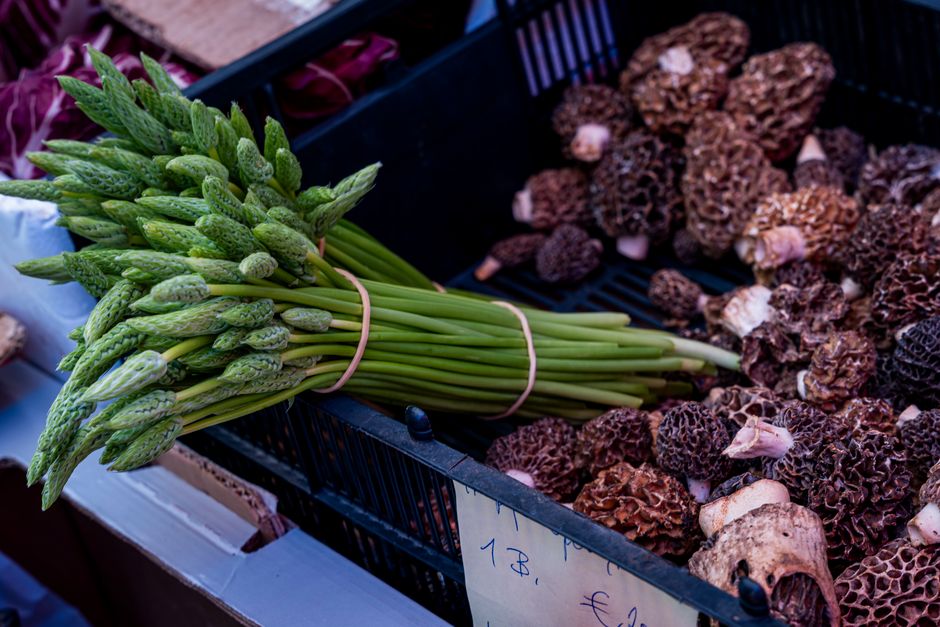
How to Grow Morel Mushrooms at Home: A Realistic Guide

How to Grow Morel Mushrooms at Home: A Realistic Guide

Quick Answer: Growing morels at home is possible but difficult. Success favors outdoor beds with a specific soil mix and patient spawn run. Morels fruit in spring when soil warms to 50-60°F with 85-95% humidity. Use quality spawn and avoid eating any wild mushroom without expert identification. Morel mushrooms are one of the most sought-after wild edibles. Their honeycomb caps and nutty flavor drive foragers into the woods each spring. Many home growers wonder if they can cultivate these prized fungi at home. The answer is yes, but with major caveats. Unlike oyster mushrooms, morels resist easy indoor cultivation. This guide explains the most realistic home methods. We include research from Penn State Extension and safety guidance from the North American Mycological Association. You will learn substrate recipes, temperature targets, and harvest tips. ...

August 16, 2026 · 16 min · Jarrod Gravison
How to Grow Matsutake at Home: A Realistic Pine Mushroom Guide

How to Grow Matsutake at Home: A Realistic Pine Mushroom Guide

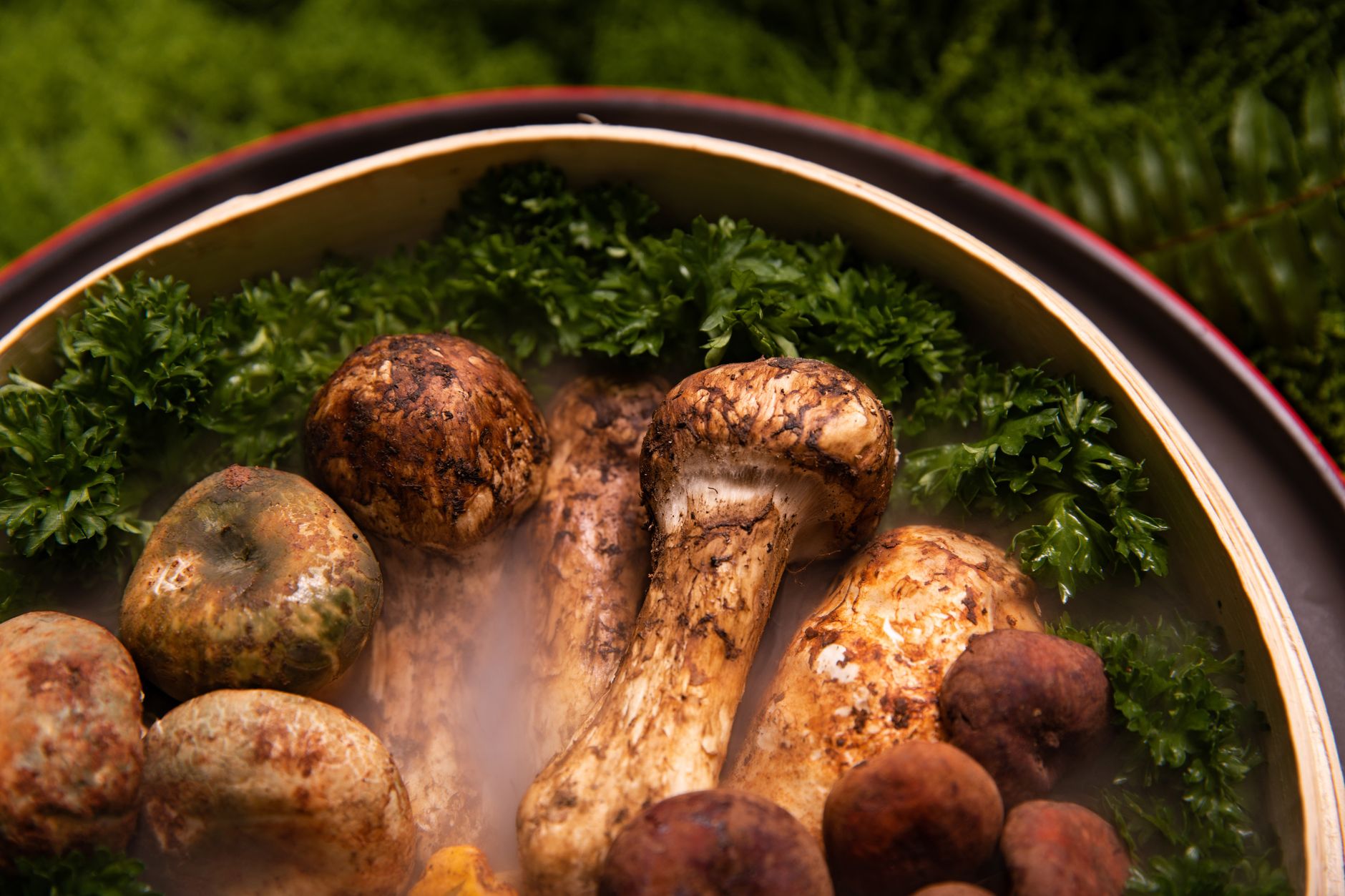
Quick Answer: Matsutake is a mycorrhizal mushroom that needs a living host tree, usually pine. Home cultivation is possible in a cool, acidic, sandy pine forest or a large outdoor pine bed. You inoculate the root zone with matsutake spawn, maintain 55-65°F soil and 80-90% humidity, then wait 2-5 years for the first flush. It is not a beginner project. Matsutake (Tricholoma matsutake) is one of the most prized mushrooms in the world, known for its spicy cinnamon aroma and firm texture. It is also one of the hardest mushrooms to cultivate at home. Unlike oyster or shiitake mushrooms, matsutake is mycorrhizal. It must form a living bond with the roots of a host tree, usually a pine. This guide explains the realistic path to growing matsutake at home. You can also read our matsutake growing guide for a broader overview. ...

August 16, 2026 · 12 min · Jarrod Gravison
How to Grow Maitake at Home: A Complete Step-by-Step Guide

How to Grow Maitake at Home: A Complete Step-by-Step Guide

Quick Answer: Maitake grows best on supplemented hardwood sawdust. Colonize at 70-75°F for 21-30 days, then fruit at 55-65°F with 85-95% humidity. Use grain spawn, keep the block moist, and harvest when fronds are firm and gray-brown. Indoor maitake takes patience but rewards with dense clusters. Maitake (Grifola frondosa) is a prize for home growers. It is also called hen of the woods because its overlapping gray-brown fronds look like feathers on a hen. You may know it from Japanese cooking or immune-support supplements. The mushroom grows on oak and other hardwoods in the wild. Indoors, you can grow it with the right substrate and conditions. This guide walks through each step from spawn to harvest, including substrate recipes and fruiting parameters. Whether you have a small closet or a dedicated grow tent, maitake can work for you. ...

August 16, 2026 · 14 min · Jarrod Gravison
How to Grow Lion's Mane Mushroom at Home in 7 Steps

How to Grow Lion's Mane Mushroom at Home in 7 Steps

Quick Answer: Grow Lion's Mane at home by using sterilized hardwood sawdust, grain spawn, and a humid fruiting chamber. Colonize for 14-21 days at 70-75°F, then fruit at 60-68°F with 85-95% humidity. Harvest when the shaggy teeth form, usually 2-3 weeks after fruiting begins. Lion’s mane (Hericium erinaceus) is one of the most rewarding mushrooms you can grow at home. Its dense, shaggy clusters look like a frozen waterfall. The texture is tender and the flavor is close to crab or lobster. Many home growers treat it as a step up from oyster mushrooms. I have fruited dozens of lion’s mane blocks and still find them easier than most people expect. This guide walks you through the entire process, from spawn to harvest. If you have grown oyster mushrooms before, compare this method with our oyster mushroom growing guide. ...

August 16, 2026 · 12 min · Jarrod Gravison
How to Grow Lion's Mane at Home: Complete Guide

How to Grow Lion's Mane at Home: Complete Guide

Quick Answer: Grow lion's mane by inoculating sterilized hardwood sawdust with grain spawn. Incubate at 68-75°F for 14-21 days, then fruit at 60-70°F with 90-95% humidity and fresh air. Harvest when spines reach 1/4 to 1/2 inch long and the fruit is still white. A ready-to-fruit kit is the easiest starting point. Lion’s mane (Hericium erinaceus) is one of the most rewarding mushrooms you can grow indoors. It produces white, globe-shaped clusters with long soft spines. The flavor is mild and seafood-like, often compared to crab or lobster. For home growers, the real appeal is how quickly it produces dense flushes on hardwood blocks. This guide walks through a full indoor grow from choosing genetics to harvest. You can start with a ready to fruit grow kit or build your own blocks with grain spawn and sawdust. ...

August 16, 2026 · 13 min · Jarrod Gravison
How to Grow King Oyster Mushrooms at Home Successfully

How to Grow King Oyster Mushrooms at Home Successfully

Quick Answer: Inoculate sterilized hardwood sawdust with king oyster grain spawn. Incubate at 70-75°F for 14-21 days. Move to a fruiting chamber at 55-65°F with 85-95% humidity and fresh air twice daily. Harvest when caps flatten slightly, usually 5-7 days after pinning. King oyster mushrooms (Pleurotus eryngii) have dense, meaty stems and small tan caps. They are among the easiest gourmet mushrooms to grow at home if you control humidity and fresh air. Unlike common oyster varieties, king oysters prefer cooler temperatures and produce fewer but larger fruits. This guide covers every stage from substrate to harvest. Before choosing substrate, review the best mushroom substrate guide to understand why hardwood sawdust works so well for this species. ...

August 16, 2026 · 13 min · Jarrod Gravison
How to Grow Hen of the Woods (Maitake) Mushrooms at Home

How to Grow Hen of the Woods (Maitake) Mushrooms at Home

Quick Answer: Hen of the woods (maitake) grows best indoors on supplemented hardwood sawdust blocks. Colonize at 70 to 75°F for 30 to 45 days, then fruit at 55 to 65°F with 85 to 95% humidity. Use a pressure cooker, clean spawn, and cool fresh air. Harvest dense clusters 2 to 3 weeks after pinning. Hen of the woods, also called maitake, is a prized fall mushroom. It grows in large overlapping clusters at the base of oak trees. Growing it at home indoors takes patience. You need a supplemented sawdust block, clean spawn, and a cool fruiting space. The reward is a dense, earthy cluster that can weigh several pounds. This guide covers indoor cultivation from spawn to harvest. If you are new to mushroom substrates, start with the best mushroom substrate guide before mixing. ...

August 16, 2026 · 14 min · Jarrod Gravison