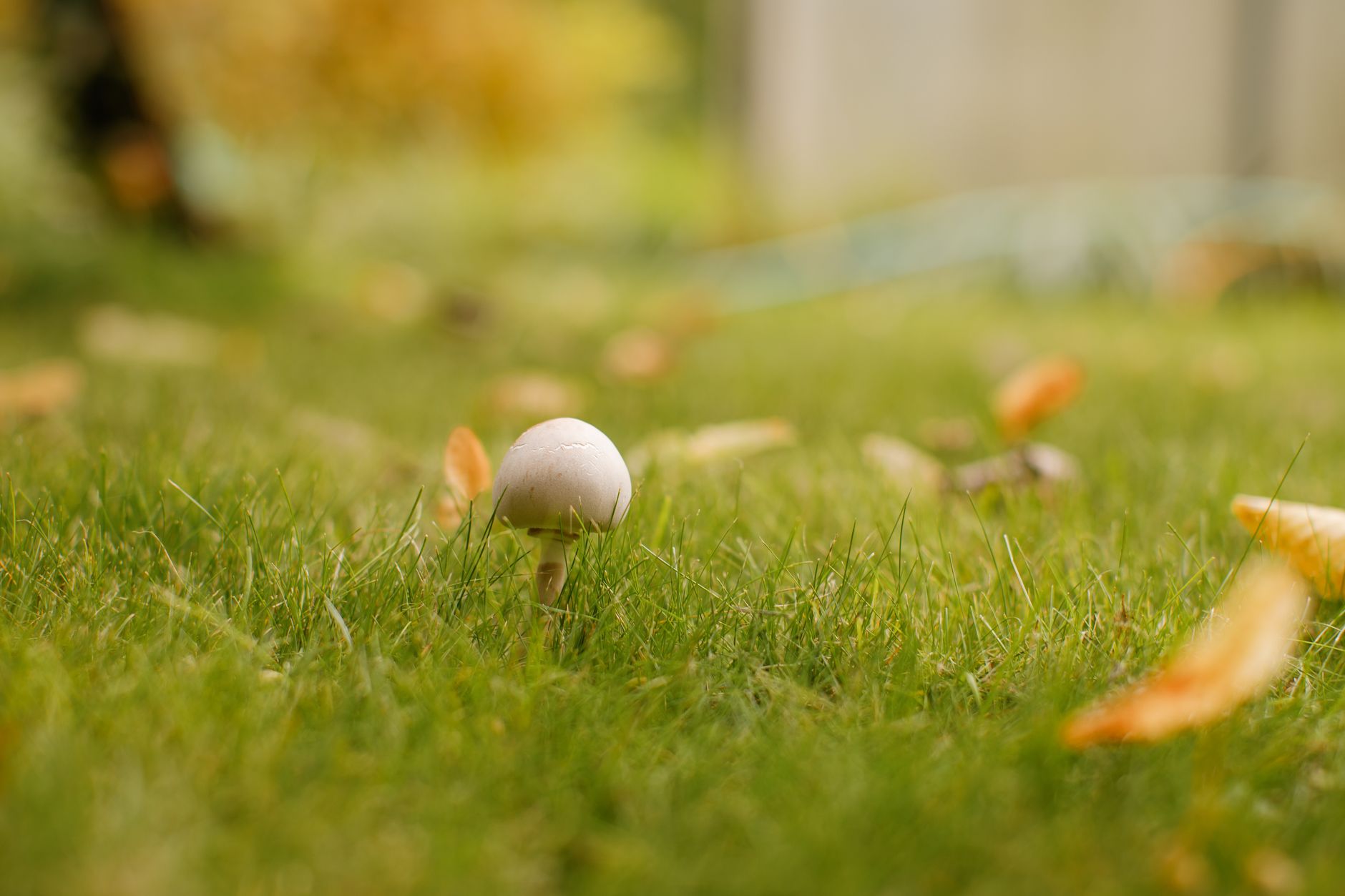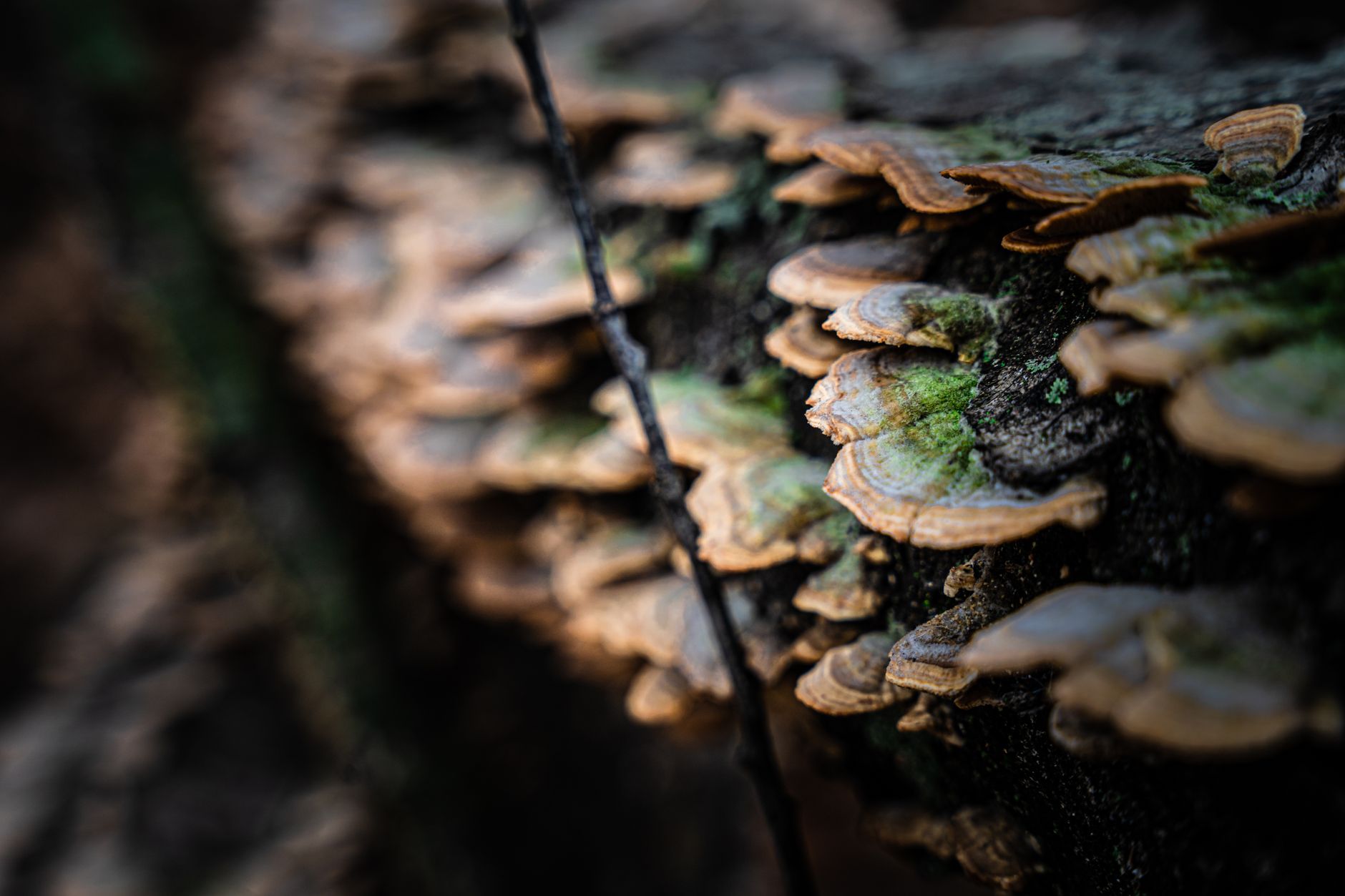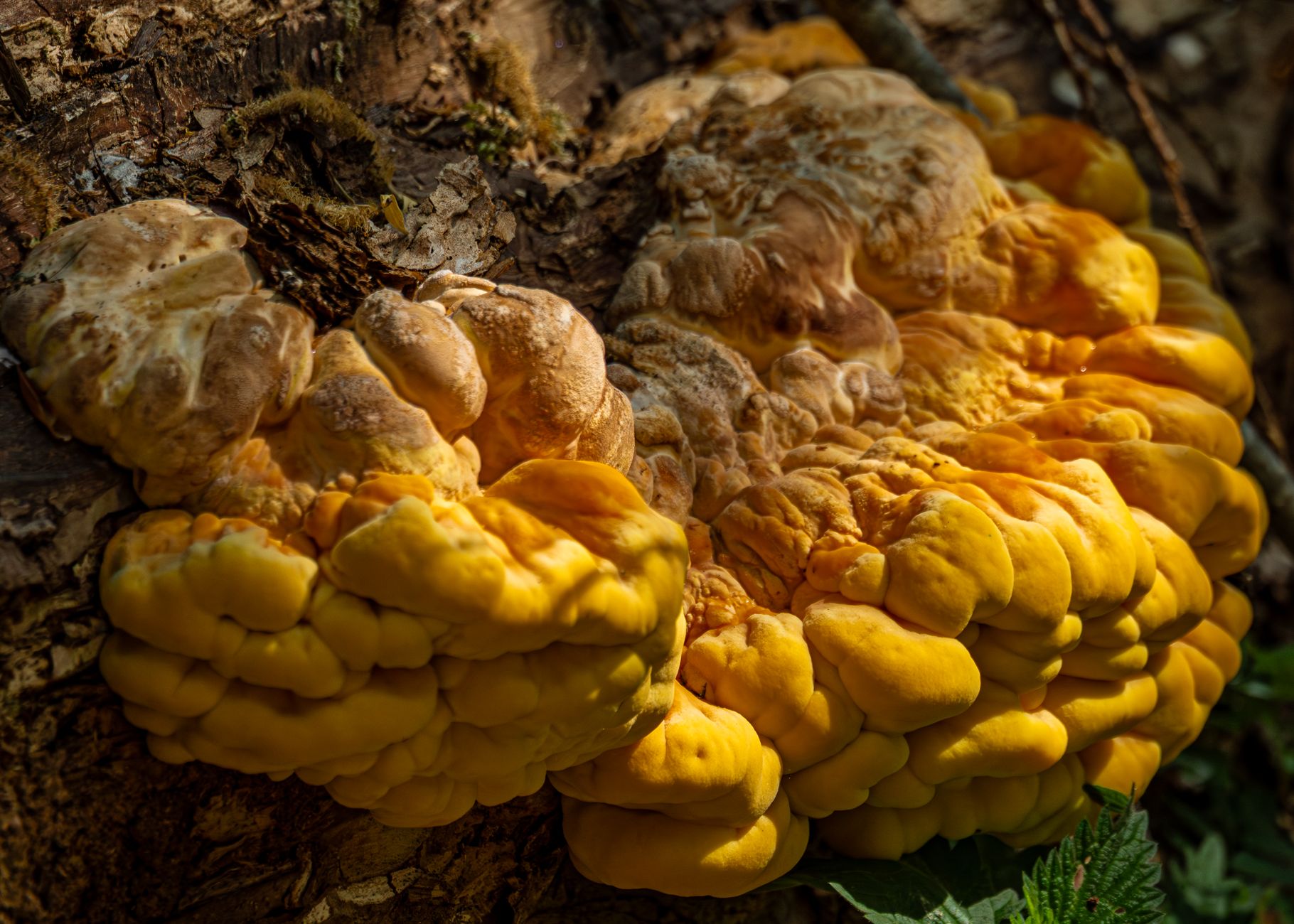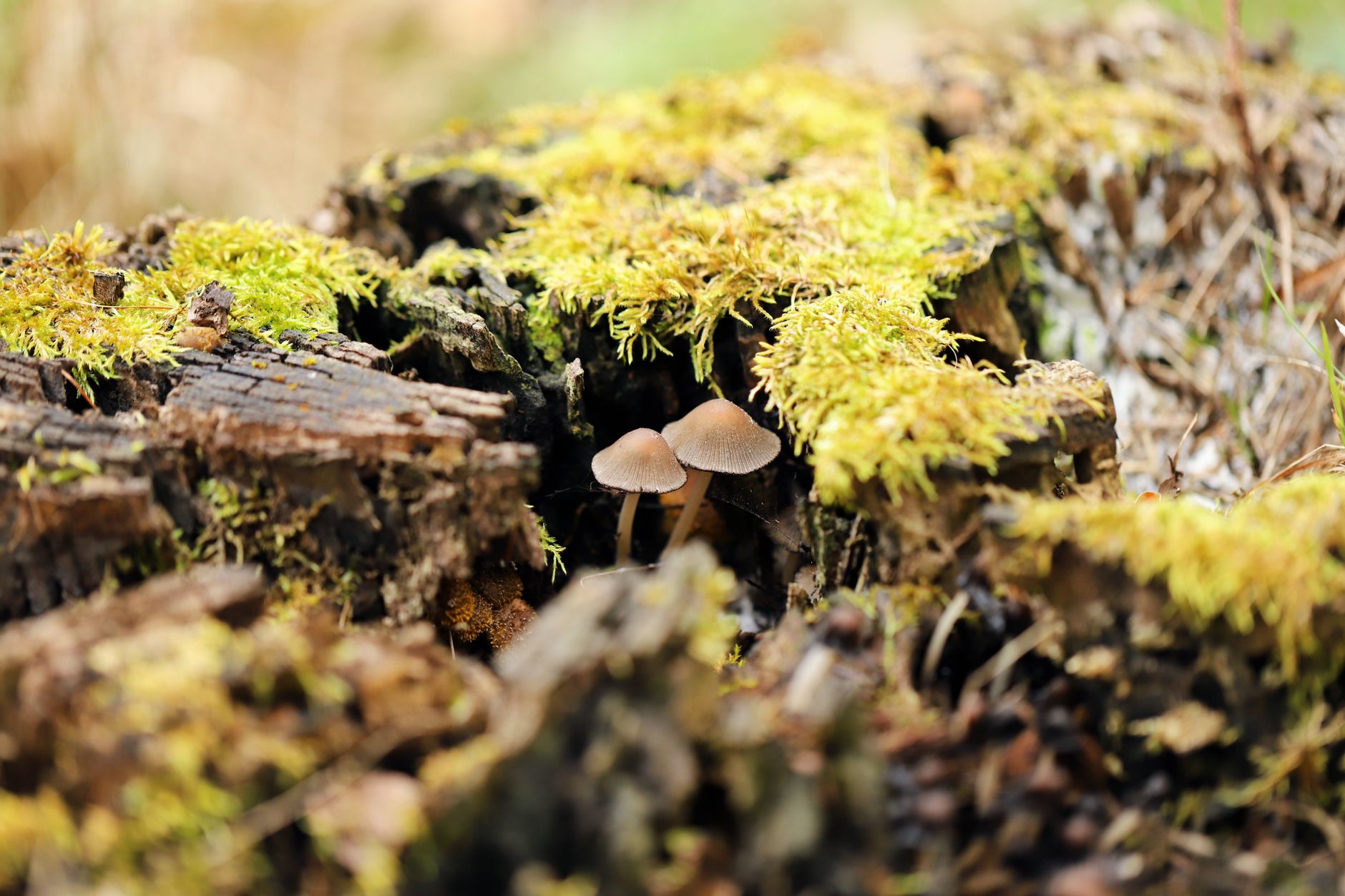
You already own a decent mushroom fruiting room. It has a shower, an exhaust fan, tile walls, and a door that traps humidity. A bathroom after a hot shower often hits 85-95% relative humidity, which is exactly where oyster and lion’s mane mushrooms thrive. That makes mushroom growing in bathroom spaces a practical low-cost option for new home cultivators. You still need to control temperature, light, and air exchange. A bathroom is not automatically sterile. It is just a useful shell. Never eat any wild mushroom without expert identification. The North American Mycological Association offers identification resources if you ever collect outside.
This comparison reviews five species that can fruit in a bathroom. The method matters more than the room itself. I measured the conditions in my own upstairs bathroom for two weeks with a cheap hygrometer. After a ten-minute shower, humidity stayed above 85% for about 40 minutes. The ambient temperature ranged from 68°F at night to 78°F in the afternoon. Those ranges fit some species better than others. For every species, I list substrate ratio, incubation temperature, fruiting humidity, colonization time, and first-flush yield. Use the mushroom fruiting conditions guide to understand what each parameter does.
Why not every mushroom? Button mushrooms and agaricus species prefer cool soil and heavy casing. They also need large flat trays. A bathroom works better for wood-loving mushrooms that grow on blocks or bags. Penn State Extension notes that successful small-scale cultivation depends on clean spawn, pasteurized substrate, and consistent moisture. That matches what I saw. Bathroom growers fail from too much standing water, too little fresh air, or dirty hands. Before you start, build or buy a simple fruiting chamber. A clear plastic tub with drilled holes sits neatly in a bathtub or on a bathroom shelf. See the DIY mushroom fruiting chamber guide for a low-cost build.
The biggest mistake is confusing bathroom humidity with ideal humidity. Bathroom air dries fast when the fan runs. A 20-minute exhaust fan cycle can drop humidity below 50%. Your mushrooms need 80-95% humidity inside their chamber, not in the whole room. Keep a cheap hygrometer inside the tub. You will also need light. Mushrooms do not photosynthesize, but light triggers pinning and influences stem length. A small 6500K LED works. Oyster and lion’s mane are the easiest starting points. Now, here are the five best bathroom-friendly species compared.
How Do the Top Options Compare?
| Species | Best For | Substrate Ratio | Fruiting Humidity | Yield (First Flush) | Price |
|---|---|---|---|---|---|
| Blue Oyster | Beginner bathroom grows | 5% spawn to pasteurized straw | 85-95% | 1-2 lb per 5-lb block | Check price |
| Lion’s Mane | Low-maintenance high value | 5:1 sawdust to bran | 85-90% | 1-1.5 lb per 5-lb block | Check price |
| Shiitake | Experienced tub growers | 4:1 sawdust to bran | 80-85% | 0.5-1 lb per 5-lb block | Check price |
| Pioppino | Cooler bathroom setups | 5:1 sawdust to bran | 90-95% | 1-1.5 lb per 5-lb block | Check price |
| Enoki | Cold bathroom experiments | 4:1 sawdust to bran | 90-95% | 0.5-1 lb per 5-lb block | Check price |
Prices reflect ready-to-fruit grow kits, not raw spawn. Humidity values are measured inside a fruiting chamber, not the ambient room. Always follow local housing rules before modifying a bathroom.
1. Blue Oyster Mushroom , Best for beginners in bathroom grows
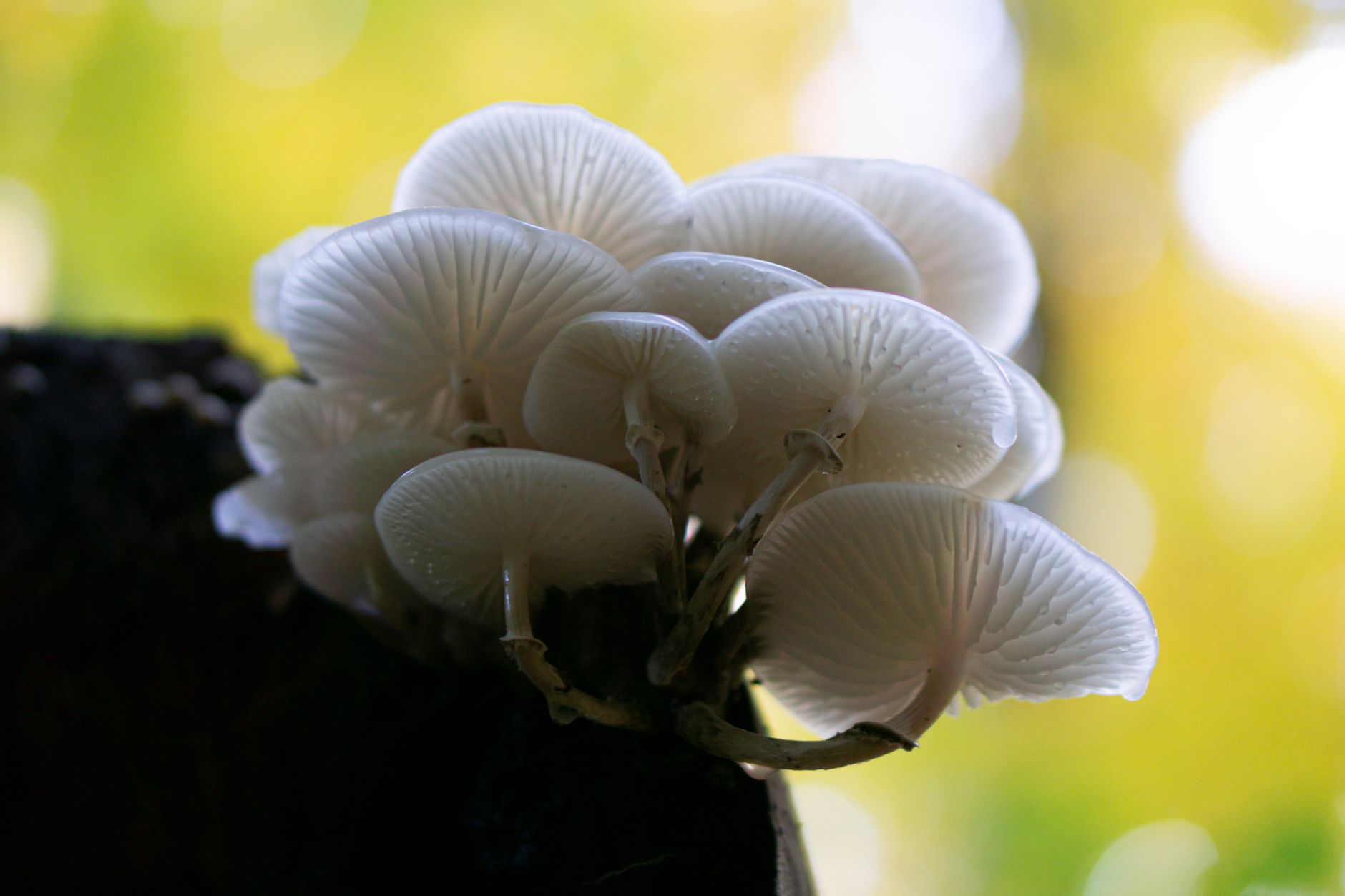
Blue oyster is the most forgiving species for a bathroom setup. It colonizes pasteurized straw, coffee grounds, or hardwood sawdust quickly. Use a spawn rate of 5% by wet substrate weight. Incubate at 75-80°F in a dark cabinet. The mycelium usually covers a 5-pound bag in 10-14 days. Then move the block to your bathroom chamber. Set the fruiting humidity at 85-95% and open the tub twice a day for fresh air. More detail in how to grow oyster mushrooms at home.
Expect 1-2 pounds of mushrooms from a 5-pound block on the first flush. That is enough for several meals. The bathroom works because the shower raises the ambient moisture, but oysters still need direct humidity inside a chamber. The main drawback is spore load. Blue oysters drop a fine white spore dust. Run an exhaust fan during harvest or pick before caps flatten. Check current oyster grow kit prices if you want a ready-to-fruit block.
Key strengths:
- ✅ Fast colonization at 10-14 days reduces contamination window
- ✅ Tolerates 85-95% bathroom humidity well
- ✅ Grows on cheap pasteurized straw or coffee grounds
- ✅ High first-flush yield of 1-2 pounds per 5-pound block
- ✅ Good beginner species with readily available kits
- ❌ Drops heavy white spore load in small bathrooms
- ❌ Needs frequent fresh air exchange to avoid stringy stems
- ❌ Bright bathroom light may be weak; supplemental LED helps
Who it’s for: Choose blue oyster if you want a fast first harvest and can open a tub for fresh air twice a day.
2. Lion’s Mane , Best for low-maintenance high-value flushes
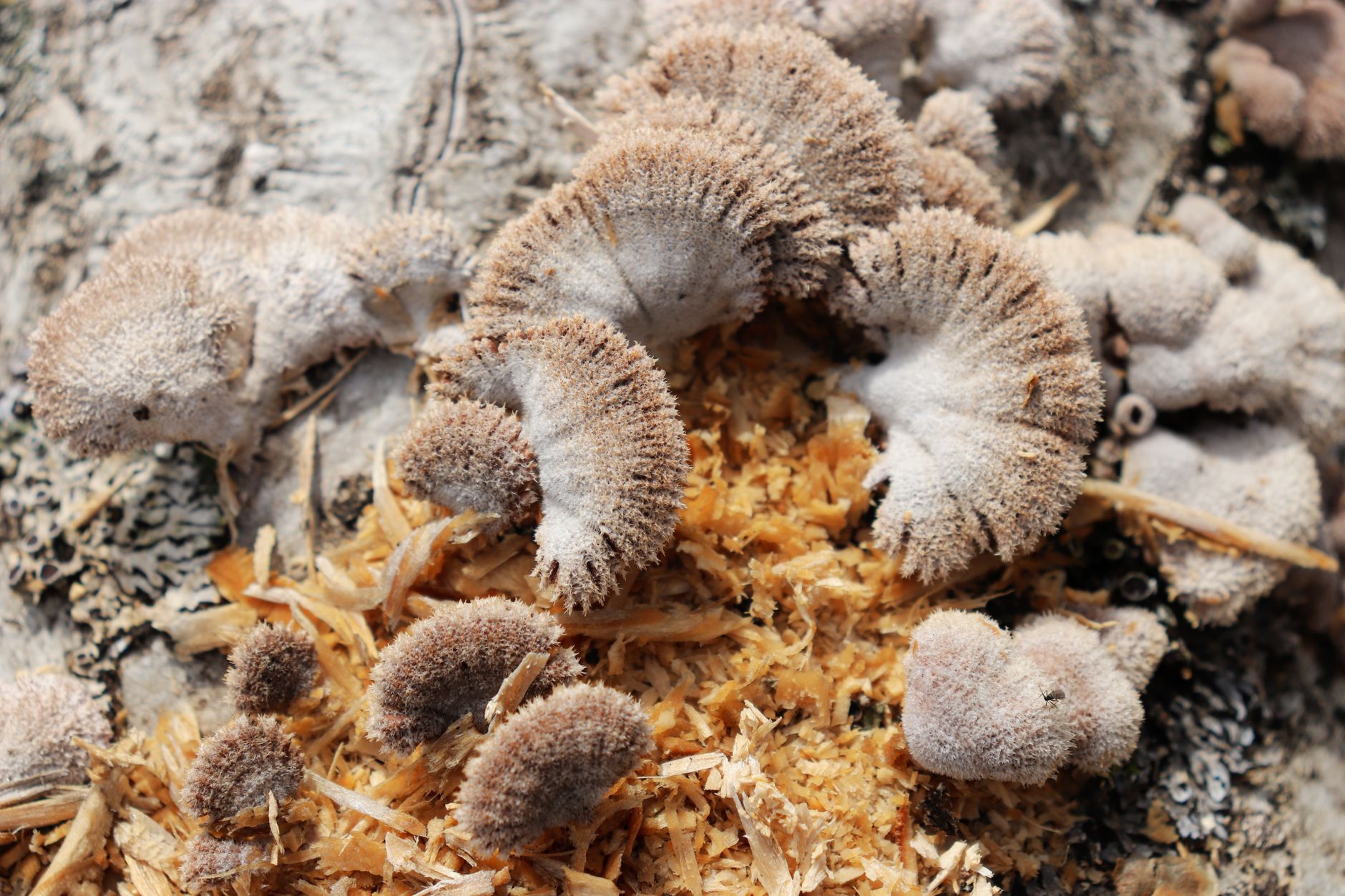
Lion’s mane produces dense white pom-pom clusters. It does not release a heavy spore load like oysters, which matters in a small bathroom. Use hardwood sawdust supplemented with wheat bran at roughly 5:1 by volume. Incubate the block at 70-75°F. Full colonization takes 14-21 days, longer than blue oyster but still manageable. Fruiting humidity should stay at 85-90%. The bathroom’s post-shower humidity helps, but you still need a chamber with a humidity tray or perlite. See how to grow lion’s mane at home for step-by-step instructions.
Expect 1-1.5 pounds from a 5-pound supplemented sawdust block on the first flush. Lion’s mane fruit bodies do not like sitting water. If droplets collect on the teeth, increase air exchange and reduce misting. This species also tolerates slightly lower fresh air than oysters, which makes it easier in a bathroom without an open window. Check current lion’s mane grow kit prices.
Key strengths:
- ✅ Minimal spore drop keeps bathroom air cleaner
- ✅ High-value mushrooms with a firm texture
- ✅ Tolerates 85-90% humidity without constant misting
- ✅ Fruit bodies form dense clusters easy to slice
- ✅ Less fresh air demand than oysters
- ❌ Slower colonization at 14-21 days
- ❌ Sensitive to standing water and direct misting
- ❌ Yield drops if temperature swings above 78°F
Who it’s for: Pick lion’s mane if you want a quiet, clean-fruiting mushroom for a bathroom with stable indoor temperatures.
3. Shiitake , Best for patient growers using a bathroom monotub
Shiitake is the most rewarding of the five but also the slowest. Colonize hardwood sawdust with a 4:1 sawdust to bran mix. Incubation at 70-75°F takes 30-60 days before the block turns brown and ready. That long window gives contaminants time to move in. Use a clean bathroom counter and always wash your hands. A bathroom floor is not a lab bench. Check the how to grow shiitake mushrooms at home guide for more on cold shocking and browning.
Fruiting humidity for shiitake is 80-85%, which is slightly lower than oysters or lion’s mane. That makes bathroom humidity swings less critical. However, shiitake needs a temperature drop or cold shock to pin well. Move the block to a cool bathroom shelf at 55-65°F for 24-48 hours. Then return it to the chamber. First-flush yield is 0.5-1 pound per 5-pound block. It is lower than oyster but the flavor is deeper.
Key strengths:
- ✅ Lower fruiting humidity at 80-85% fits bathrooms
- ✅ Firm, long-storing mushrooms
- ✅ Works well in a small monotub with drilled holes
- ✅ Strong umami flavor for cooking
- ❌ Long 30-60 day colonization invites contamination
- ❌ Needs cold shock for even pinning
- ❌ Lower first-flush yield per block
- ❌ Bathroom temperature may be too stable without a cold spot
Who it’s for: Choose shiitake if you can wait a month or more and have a cooler spot for cold shocking.
4. Pioppino , Best for cooler bathroom setups
Pioppino, or black poplar mushroom, suits a bathroom that stays cool at night. It colonizes hardwood sawdust with a 5:1 sawdust to bran ratio. Incubate at 75°F for 14-21 days. Fruiting requires a temperature drop to 55-65°F and high humidity at 90-95%. If your bathroom has a tile floor and overnight lows in the low 60s, pioppino can pin naturally. In a warm bathroom, you may need a cool closet or a short cold shock.
Pioppino produces clusters of small brown caps with firm stems. A 5-pound block yields 1-1.5 pounds on the first flush when conditions are right. The main challenge is fresh air. High humidity plus stale air produces thin stems and tiny caps. Use a small fan outside the chamber or open the bathroom window for five minutes twice a day.
Key strengths:
- ✅ Cold fruiting at 55-65°F suits cool bathrooms
- ✅ Attractive clusters with firm texture
- ✅ Colonizes quickly at 14-21 days
- ✅ Good yield at 1-1.5 pounds per block
- ✅ Less common but reliable on sawdust blocks
- ❌ Needs humidity at 90-95% which can be hard to hold
- ❌ Requires a real temperature drop to pin
- ❌ High humidity plus low air flow causes weak stems
Who it’s for: Pick pioppino if your bathroom runs cool and you can provide a 10-degree temperature drop.
5. Enoki , Best for cold bathroom experiments
Enoki is a cold-weather mushroom that produces long white stems and tiny caps when grown in high CO2. It colonizes a 4:1 sawdust to bran substrate at 72-77°F in 18-24 days. Fruiting requires 45-55°F and 90-95% humidity. Most bathrooms cannot stay that cold while people shower. You can use a mini fridge, a cool basement bathroom, or winter window draft to manage it. The enoki growing guide explains the tall bottle method.
A 5-pound block yields 0.5-1 pound per flush. That is lower than oyster or pioppino. Enoki also demands high CO2 for the long stems people expect. In a bathroom with an exhaust fan, CO2 drops quickly. Use a deep container or a tall fruiting vessel to trap CO2 near the mushrooms. The payoff is a delicate mushroom that is hard to find fresh in many stores.
Key strengths:
- ✅ Grows well at low temperatures 45-55°F
- ✅ Produces distinctive long white stems
- ✅ Colonizes reliably on sawdust and bran
- ✅ Fun high-CO2 fruiting project
- ✅ Good use for a cold winter bathroom
- ❌ Most bathrooms are too warm for fruiting
- ❌ Lower yield at 0.5-1 pound per block
- ❌ Needs high CO2 and high humidity together
- ❌ Exhaust fans work against the desired CO2
Who it’s for: Choose enoki only if you have a reliably cold space or want a cold-weather experiment.
Frequently Asked Questions
Can I actually grow mushrooms in my bathroom?
Yes, as long as you use a clean fruiting chamber. The bathroom provides convenient moisture, but the mushrooms must live inside a tub with controlled humidity. Never eat any mushroom unless an expert positively identifies it.
Will bathroom mold ruin my grow?
Bathrooms often contain mold spores. A colonized block has some defense, but contamination can still occur. Wipe surfaces, avoid carpet, and keep the chamber closed. Check the contamination identification guide if you see odd colors.
Do mushrooms need light in the bathroom?
Yes. They need a few hours of indirect light or a small 6500K LED for proper pinning and cap development. Ambient bathroom light might not be enough.
What temperature should a bathroom be for mushrooms?
Most species fruit between 55°F and 75°F. Oyster and lion’s mane like 65-75°F, while pioppino and enoki need cooler temperatures. Use a thermometer inside the chamber.
How do I keep humidity high enough without damaging walls?
Keep the humidity inside a plastic tote, not the whole bathroom. Use perlite or a humidifier inside the chamber. Run the bathroom fan after showers to protect walls.
Is it safe to grow mushrooms in a bathroom with a shower?
Yes, if you keep the fruiting chamber off the floor and away from direct spray. Clean the shower regularly. Do not use the same tools for cleaning and mushroom work.
What Should You Remember?
- Humidity: Blue oyster and lion’s mane need 85-95% humidity inside the chamber, not in the whole bathroom.
- Temperature: Most bathroom species fruit at 65-75°F; pioppino and enoki need cooler air.
- Substrate: Use pasteurized straw or supplemented sawdust, not bathroom surfaces or potting soil.
- Fresh air: Oyster stems turn stringy without daily air exchange.
- Contamination: Wash hands, use clean tools, and never place blocks directly on bathroom floors.
- Yield: A 5-pound block typically delivers 0.5-2 pounds on the first flush depending on species.
- Safety: Never eat any wild mushroom unless an expert positively identifies it.
This article is for general information only. Mushroom identification and consumption carry health and safety risks , never eat a wild mushroom unless positively identified by an expert, and follow sterile technique and food-safety guidance for home grows.