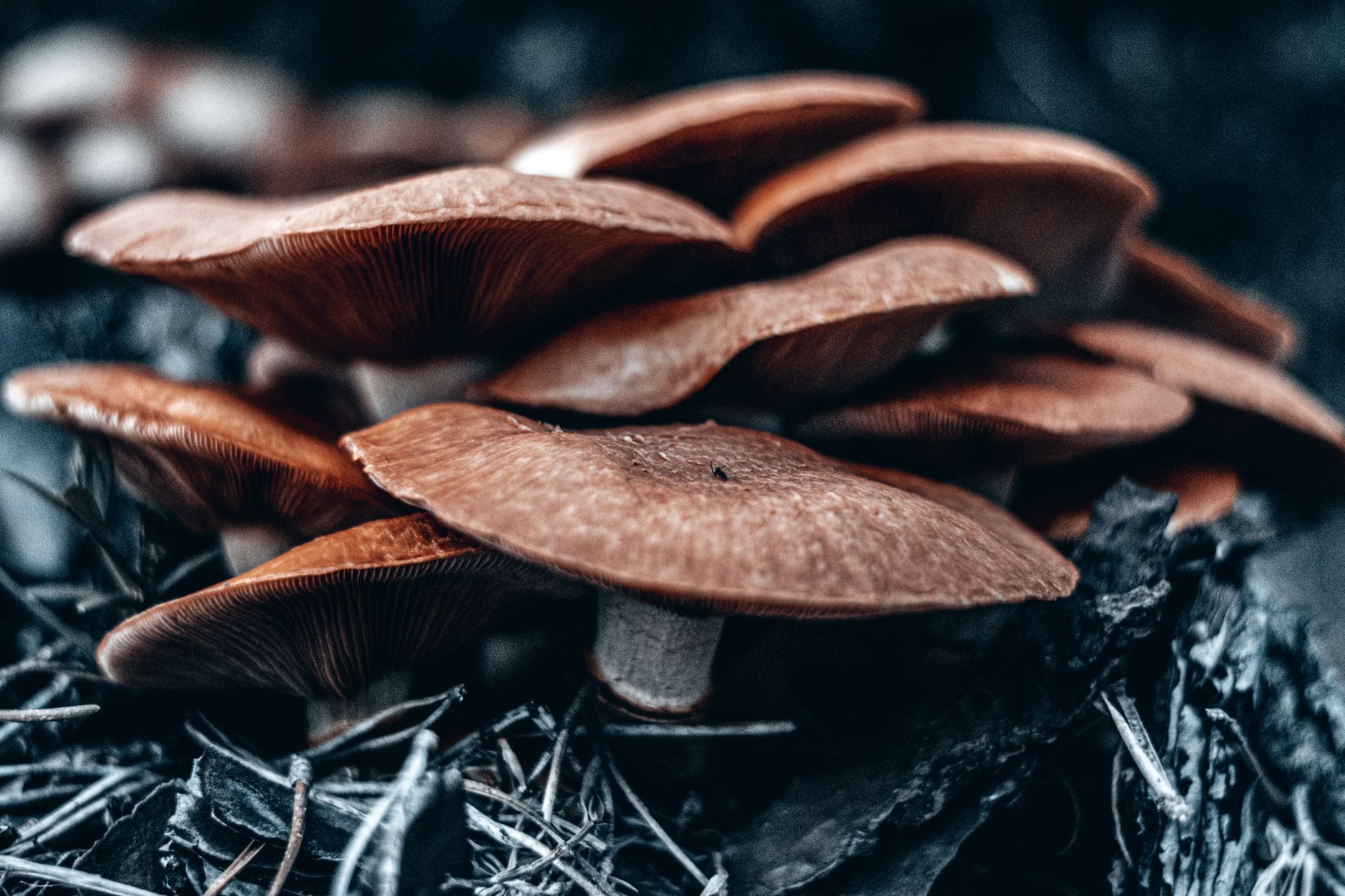
Close-up of wild mushrooms growing on a log in a forest, surrounded by fallen leaves and greenery.

Best Mushroom Grow Kits 2026: Tested & Ranked

Quick Answer: The best mushroom grow kit overall is the North Spore Organic Oyster Kit — highest yield, fully organic, and reliably produces 1–1.5 lbs across 2–3 flushes. For beginners, the Back to the Roots Oyster Kit is foolproof and available at Target. Expect first harvest in 7–14 days. Open the kit, mist 2–3× daily, provide indirect light and airflow, and harvest before the caps curl. Mushroom grow kits are the fastest way to go from zero to harvest. A good kit arrives fully colonized — all you do is open it, mist it, and wait. Within 7-14 days, you’re harvesting fresh gourmet mushrooms that would cost $12-20 per pound at a farmers market. It’s absurdly satisfying. ...

April 25, 2026 · 9 min · Jarrod Gravison
Detailed close-up of wild mushrooms growing on fallen leaves in a forest setting.

Best Mushroom Substrate Guide: What to Use for Every Species

Quick Answer: Mushroom substrate is the material your mycelium colonizes and feeds on - matching species to substrate is the single biggest factor in yield. Best substrates by category: Wheat/rice straw for oyster mushrooms (pasteurize only, $8-12/bale); hardwood sawdust + wheat bran for shiitake, lion’s mane, and reishi (must sterilize); Masters Mix (HWFP + soy hulls) for maximum yields (must sterilize, $20-30 to make). Substrate choice is where many beginners go wrong - either by using the wrong material for their species or by not understanding that preparation requirements (pasteurize vs. sterilize) change based on how nutrient-rich the substrate is. This guide covers every major substrate type, which species it’s best for, how to prepare it, and what to expect. ...

April 25, 2026 · 6 min · Jarrod Gravison
Close-up of fresh shiitake mushrooms in a plastic bag at a Hong Kong market.

DIY Mushroom Fruiting Chamber: SGFC and Martha Tent Build Guide

Quick Answer: A mushroom fruiting chamber provides the optimal humidity and fresh air exchange (FAE) necessary for mushroom growth. A simple Shotgun Fruiting Chamber (SGFC) uses a clear tote with perlite and drilled holes for passive humidity and FAE, ideal for beginners. For larger-scale or automated setups, a Martha Tent with a humidifier and fan offers precise environmental control, suitable for serious growers. Both focus on creating a microclimate for healthy mushroom development. ...

April 25, 2026 · 13 min · Jarrod Gravison
A detailed close-up of assorted dried mushrooms on a dark background, showcasing texture and variety.

How to Make Grain Spawn for Mushrooms: Step-by-Step Guide

Quick Answer: Make grain spawn by simmering rye berries until hydrated, surface-drying, packing into jars, pressure sterilizing at 15 PSI for 90 minutes, cooling, then inoculating with liquid culture. Best grains: rye berries (gold standard, $8–15 per 5 lb bag), wheat berries (more available, $6–12 per 5 lb bag), milo/sorghum (small grain, excellent colonization, cheap at farm stores). Making your own grain spawn is the skill that separates beginner mushroom growers from intermediate ones. A $10–15 syringe of liquid culture can produce 10–15 jars of grain spawn, which in turn can inoculate 50–100 lbs of substrate. This guide takes you from raw grain to fully colonized spawn ready for use. ...

April 25, 2026 · 6 min · Jarrod Gravison
A variety of wild mushrooms laid on dark fabric, showcasing earthy tones and textures.

How to Pasteurize Straw for Mushrooms: Heat and Lime Methods

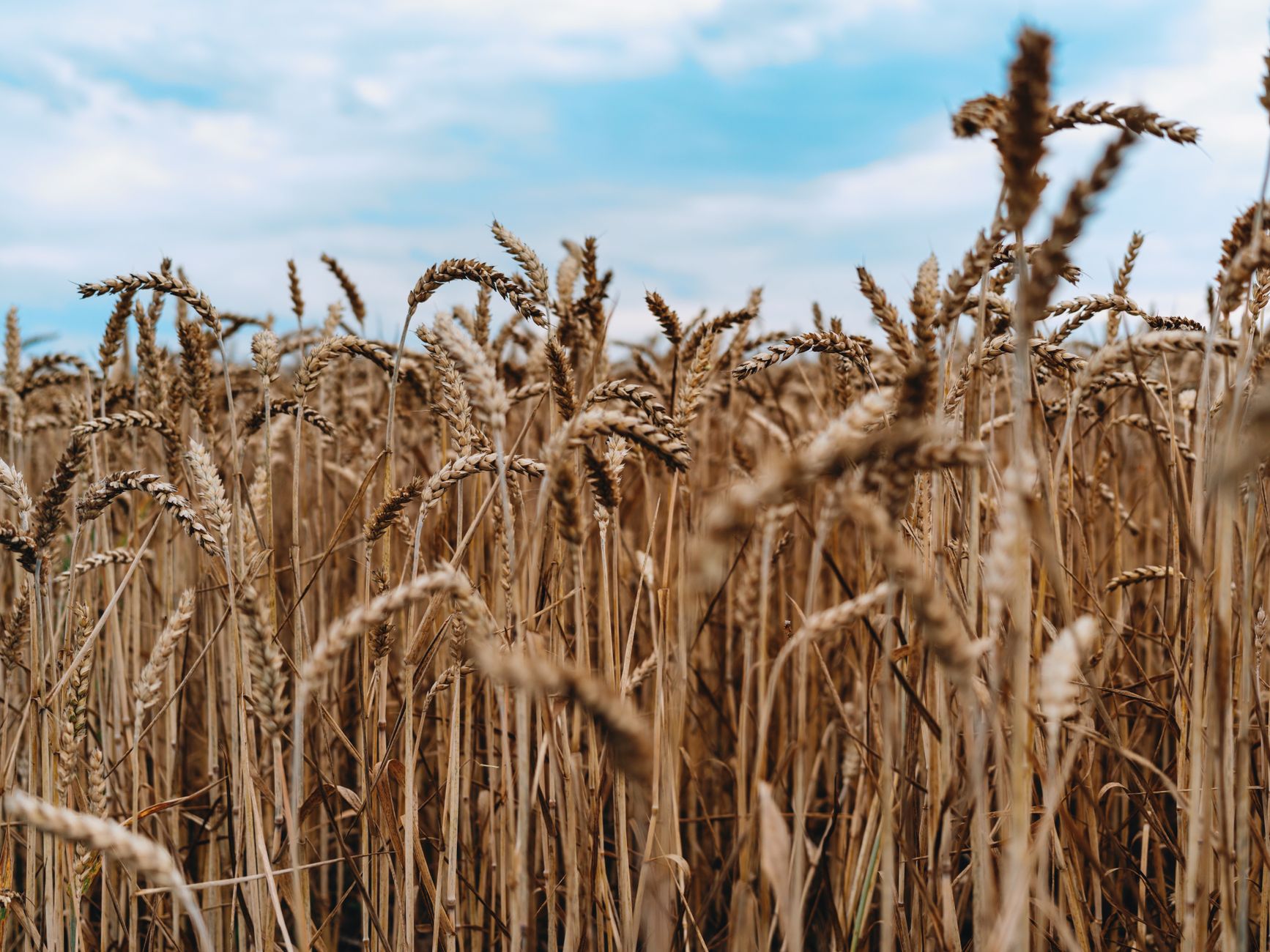
Quick Answer: Pasteurize straw by submerging it in 160–180°F water for 1–1.5 hours, then cooling before inoculating with oyster mushroom spawn. Alternatively, the cold lime method (pH 12 water, 12–18 hours soak) achieves similar results without heating. Straw is the go-to substrate for oyster mushrooms — pasteurization removes competing bacteria without sterilizing. Straw pasteurization is the first major skill in mushroom cultivation. Get it right and your oyster mushrooms colonize fast and clean. Get it wrong — too hot, too wet, or inoculate while still warm — and you get a bag full of green mold within a week. The good news is it’s a very learnable skill, and both methods here are reliable once you understand the principles. ...

April 25, 2026 · 6 min · Jarrod Gravison