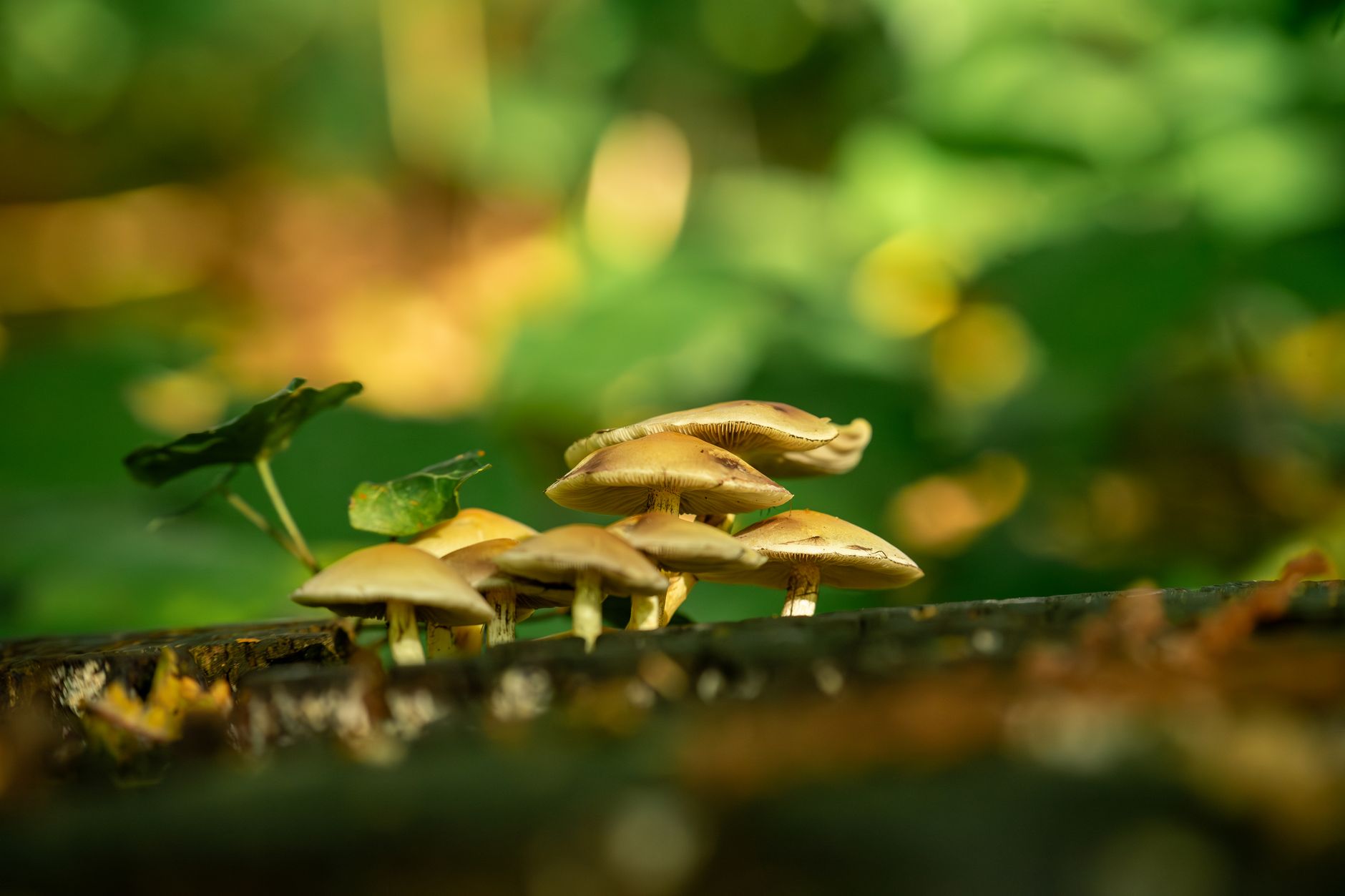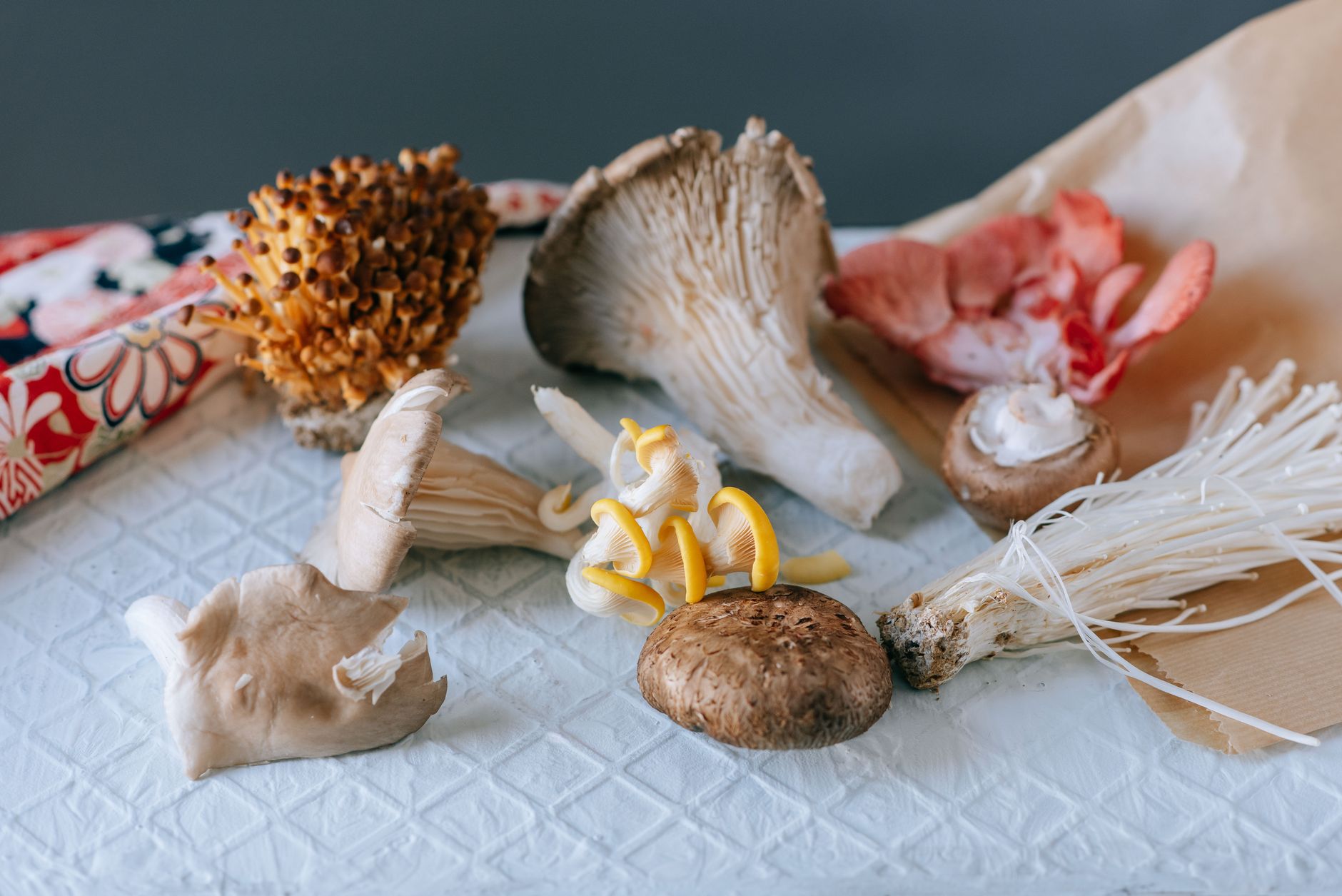
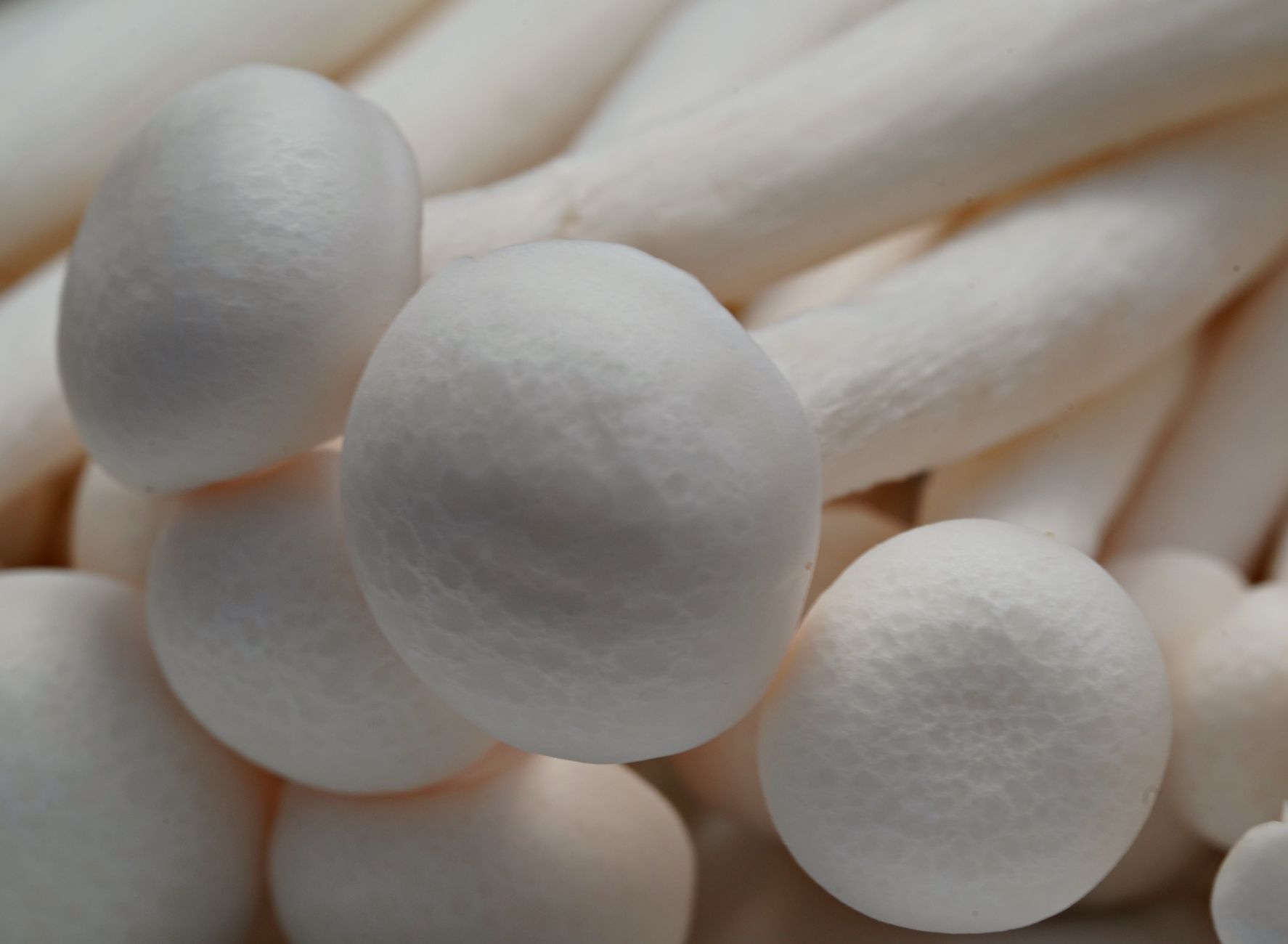
Enoki mushrooms, also called enokitake or Flammulina velutipes, are a favorite in soups and hot pots. The store-bought version has long, white, delicate stems and tiny caps. Wild enoki looks very different. It has a brown, sticky cap and a dark, velvety stem. When you grow enoki at home, you manipulate light, fresh air, and temperature to get that pale, slender shape. Before you start, read the best mushroom substrate guide so you understand the base materials.
The biggest challenge with enoki is temperature. Many edible mushrooms fruit at room temperature, but enoki needs a cold snap. Plan for a fruiting space that stays between 50 and 55 degrees Fahrenheit. You also need high humidity, around 90 to 95 percent. A basement, cool garage, or wine fridge can work. If you do not have a cool room, build a simple DIY mushroom fruiting chamber to control the environment. Without cold, enoki stems stay short and thick instead of long and slender.
You can start enoki from a ready-made grow kit or from grain spawn that you mix into a supplemented sawdust substrate. If you make your own, learn how to make grain spawn before you begin. The process is simple but requires clean technique. Enoki mycelium colonizes sawdust quickly, and then a cold shock triggers pinning. Expect to wait roughly three to four weeks for colonization before you see pins. The wait is worth it.
Safety matters. Do not pick wild enoki unless an expert confirms the identification. The deadly Galerina marginata looks similar to wild Flammulina velutipes. The North American Mycological Association recommends learning spore prints and field marks before eating any wild mushroom. For home cultivation, use a reliable culture or kit from a trusted supplier. This guide focuses on indoor growing with purchased materials, not wild foraging. That keeps the risk very low. Enoki grown from a trusted kit or spawn bag is safe and predictable.
What You’ll Need
- Enoki mushroom grow kit or grain spawn
- Hardwood sawdust
- Wheat bran or soybean hulls
- Gypsum
- Filter patch spawn bags or glass jars
- Pressure cooker or large steamer
- Spray bottle or humidity controller
- Thermometer and hygrometer
- Cool fruiting space such as a wine fridge or basement
How Do You Grow Enoki Mushrooms at Home?
- Choose your enoki cultivation method
Start by deciding between a ready-made enoki grow kit and building your own substrate block. A kit is the fastest way to learn. It includes a colonized block or a small container with instructions. Kits remove the hardest part of the process. For a beginner, look at the best mushroom grow kits in 2026 to compare options. Check the enoki mushroom grow kit on Amazon if you want a simple starting point.
Growing from grain spawn gives you more control over substrate and yields. You need a pressure cooker, spawn bags or jars, and a clean area. This route costs less per pound of mushrooms but takes more time. Enoki grows well in jars or tall bottles. The narrow opening helps trap carbon dioxide around the stems. That is what makes them stretch long. If you use wide trays, the stems may stay short and open caps may appear.
Whichever method you choose, prepare your space before the mycelium arrives. Clean the surfaces with soap and water or a diluted bleach solution. Decide where the block will colonize and where it will fruit. The fruiting area must be cold and humid. You can use a shelf in a cool basement or a converted mini fridge. Plan the move from colonization to fruiting before you start.
- Prepare a supplemented hardwood sawdust substrate
Enoki performs best on supplemented hardwood sawdust, not straw or manure. A proven mix is 80 percent hardwood sawdust, 18 percent wheat bran or soybean hulls, and 2 percent gypsum by dry weight. The wheat bran adds nitrogen for fast growth. The gypsum buffers pH and prevents clumping. Mix these dry ingredients in a clean bucket. Then add water slowly until the mixture reaches 60 to 65 percent moisture content. When you squeeze a handful, only a few drops of water should escape.
Load the substrate into filter patch spawn bags or heat-safe glass jars. Leave headspace for shaking and gas exchange. For enoki, tall narrow containers work best. A wide-mouth quart jar with a filter lid is easy to manage. Fold the bag down or cover the jar with foil. Sterilize the substrate at 15 PSI for 90 minutes if you use a pressure cooker. If you do not have a pressure cooker, steam pasteurize for 90 to 120 minutes on two consecutive days. Penn State Extension notes that consistent sterilization prevents competitor molds in supplemented sawdust. You can learn more from Penn State Extension.
After sterilizing, let the substrate cool to room temperature in a clean area. Do not open the jars or bags before inoculation. Any dust or mold spore that lands on the surface can ruin the block. Clean your hands and wear gloves. Work in a still air box if possible. This step connects directly to inoculation because the substrate must be cool enough not to kill the spawn. If the substrate is too hot, the mycelium dies on contact.
- Inoculate and colonize in the dark
Once the substrate reaches room temperature, add grain spawn at a rate of 5 to 10 percent of the wet substrate weight. For a 1-pound jar, that is about 0.8 to 1.6 ounces of spawn. Break up the grain spawn into individual kernels. Mix it evenly through the sawdust. Seal the jar or bag quickly. Shake the container to distribute the spawn. This gives the mycelium many starting points and speeds colonization.
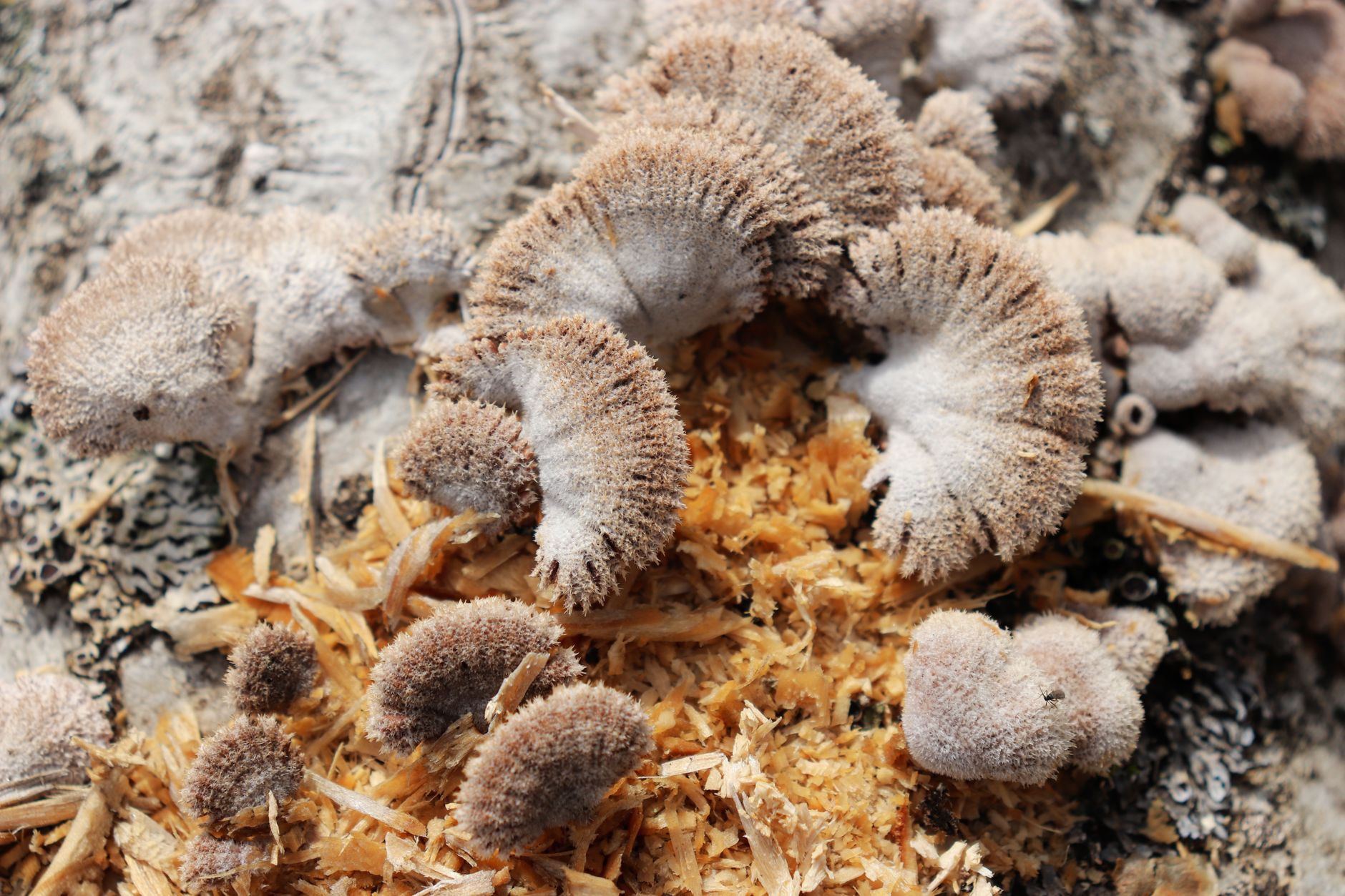
Place the inoculated containers in a dark, warm area at 68 to 75 degrees Fahrenheit. Enoki mycelium colonizes quickly. Expect full colonization in 21 to 30 days, depending on spawn rate and temperature. Check the containers every few days. White mycelium should spread from the spawn points. Watch for green, black, or orange spots. Those are signs of contamination. If you see anything off, read the mushroom contamination identification guide before you open the container.
Leave the lids or bags closed during colonization. Enoki does not need fresh air at this stage. The filter patch allows gas exchange while keeping mold spores out. Keep the space dark. Light can trigger early pinning before the substrate is fully colonized. Early pinning is not a disaster, but it can reduce total yield. Wait until the entire block is solid white. Then the block is ready for the next step: cold shock.
- Cold shock the colonized block to trigger pinning
Enoki needs a cold shock to switch from colonization to fruiting. Place the fully colonized container in a spot that stays between 45 and 55 degrees Fahrenheit for 24 to 48 hours. A refrigerator works, but never store it next to open food without wrapping the block. The cold period mimics autumn conditions. After the shock, move the block to the fruiting chamber or cool shelf. The target fruiting temperature is 50 to 55 degrees Fahrenheit. Keep that range steady.
At this stage, you also introduce high humidity. Set up the DIY mushroom fruiting chamber guide if you have not already. Aim for 90 to 95 percent relative humidity. High humidity keeps the young pins from drying out. Enoki stems are thin and lose moisture fast. A simple clear tote with a humidifier and a small fan can work. Place a thermometer and hygrometer inside so you can monitor conditions without guessing.
Light exposure matters for enoki color and shape. To get white stems and tiny caps, keep light very low. A dim room or a short daily exposure of indirect light is enough. If the block receives bright light, caps turn brown and widen. That is not harmful, but it is not the classic store-bought look. Once the cold shock and humidity are set, pins appear within 5 to 10 days. Small white dots form on the surface, then stretch upward.
- Maintain high humidity and carbon dioxide for long stems
Enoki stems grow long and thin because of high carbon dioxide and humidity. Keep the fruiting area between 90 and 95 percent humidity at all times. Use a humidity controller or ultrasonic humidifier to avoid constant manual misting. Check the mushroom humidity controller on Amazon if you want an automated option. A controller turns the humidifier on when levels drop below your set point. That prevents soggy substrates and dry caps.
Do not open the fruiting chamber too often. Each time you open it, carbon dioxide escapes and humidity drops. Enoki can still form with a little fresh air exchange, but excessive fresh air makes caps expand and stems thicken. For long, narrow stems, limit air exchange to one or two short periods per day. If you use a monotub or tote, crack the lid only slightly. Watch the stems as they grow. They should remain white and tight.
Fruiting takes about 7 to 14 days from pinning to harvest once conditions are stable. The block may look fuzzy at the base. That fuzz is aerial mycelium caused by high humidity and low air movement. It is not contamination. You can wipe it away before cooking. But if the fuzz spreads over the caps and smells sour, you likely have cobweb mold. Read the mushroom fruiting conditions guide for more details. Keep the chamber clean to avoid mold.
- Harvest enoki at the right time
Harvest enoki when the stems are 4 to 6 inches long and the caps are still small and tight. This usually happens 7 to 14 days after pinning. Do not wait until the caps flatten and turn brown. The texture becomes tough and the flavor bitter. Grasp the clump at the base and twist gently. The whole cluster should pull away from the substrate. You can also cut the cluster with clean scissors if it resists.
Use a sharp knife or scissors sanitized with alcohol. Cut as close to the substrate as possible without digging into the block. Removing the whole cluster leaves a clean surface for a second flush. If you leave ragged bits, they can rot and invite mold. Harvest in the morning if possible. The mushrooms are most hydrated at that time. This gives a longer shelf life in the refrigerator.
After harvest, do a quick quality check. Fresh enoki should smell mild and slightly sweet. Discard any clumps with brown slime, green spots, or a sour odor. Do not rinse the mushrooms until you are ready to cook them. Excess water speeds up spoilage. Store unwashed enoki in a paper bag or a loosely closed container in the fridge. They last up to one week.
- Troubleshoot slow growth, contamination, and color issues
Several problems show up with enoki. The most common is short, thick stems with large brown caps. That means the fruiting area is too warm or the block is getting too much fresh air. Lower the temperature to 50 to 55 degrees Fahrenheit. Reduce air exchange and keep light dim. If the caps stay brown and slimy, you may have bacterial blotch. Too much water sitting on the caps causes this. Mist the air, not the mushrooms.
Contamination is another issue. Green mold, black pin mold, and sour wet spot can appear during colonization or fruiting. If you see a colored patch, isolate the container immediately. Do not open it indoors. Take a photo and compare it with the mushroom contamination identification guide. For a grow kit, check the troubleshooting tips in the why your mushroom grow kit has contamination causes and how to fix it article. Early action can save other blocks.
Sometimes the block colonizes but never pins. This is often due to lack of cold shock. Move the block to a colder spot for 48 hours. Make sure the surface is not completely dry. Lightly mist the surface to trigger pinning. If the block shrinks or pulls away from the container sides, it is too dry. Soak the bottom in cold water for an hour. Then place it back in the fruiting chamber. Enoki is forgiving if you correct conditions quickly.
- Store your harvest and prepare for a second flush
After the first harvest, the block still contains moisture and nutrients. You can often get a second, smaller flush. Rehydrate the block by soaking it in cold water for 2 to 4 hours. Use filtered or bottled water if your tap water is heavily chlorinated. Drain the block completely. Then put it back in the same cold fruiting conditions. Keep humidity at 90 to 95 percent. Pins often appear within one to two weeks.
Store harvested enoki properly. Place them in a paper bag or a container with the lid slightly ajar. Keep the refrigerator at about 35 to 38 degrees Fahrenheit. Do not store them in the crisper drawer with ethylene-producing fruits like apples. The gas can make mushrooms spoil faster. If you have more than you can eat, cook and freeze them. Sautéed enoki freezes well in a sealed bag. The texture holds up better than you might expect.
Once the block stops producing, compost the spent substrate. Do not reuse it for a new run unless you sterilize it again. Break it up and add to a garden bed or worm bin. Clean the fruiting chamber with soap and water or vinegar. Let it dry completely before the next project. Enoki is not a one-and-done mushroom. With careful rehydration, many growers get two or three flushes before the block is spent.
Red Flags & Warnings
- 🚨 Never eat wild enoki unless an expert confirms the identification. Deadly Galerina marginata looks similar and grows in the same habitats.
- 🚨 Keep fruiting temperatures below 60 degrees Fahrenheit. Enoki that grows warm produces short, thick stems and brown caps instead of the classic white, slender shape.
- 🚨 Do not over-mist the caps. Standing water on the surface invites bacterial blotch and sour rot. Mist the air or the chamber walls.
- 🚨 Throw out any block with green, black, or orange mold. Opening a contaminated container indoors spreads spores to your other projects.
- 🚨 Use a dedicated cold space, not your kitchen fridge if possible. Food odors and stray bacteria can contaminate the block or affect flavor.
- 🚨 Do not store fresh enoki in a sealed plastic bag for more than a day. Moisture builds up and causes slimy decay.
Frequently Asked Questions
What temperature do enoki mushrooms need to fruit?
Enoki fruits best between 50 and 55 degrees Fahrenheit. The colonized block also benefits from a cold shock at 45 to 55 degrees Fahrenheit for 24 to 48 hours before pinning. Temperatures above 60 degrees Fahrenheit lead to short stems and wide brown caps.
Can I grow enoki mushrooms from grocery store stems?
It is possible but less reliable than using grain spawn or a grow kit. The grocery store enoki may be old or treated, and the mycelium is often weak. You can try cloning a fresh clump onto agar, but beginners should start with a clean culture or kit.
How long does it take to grow enoki mushrooms at home?
Plan for about five to seven weeks from inoculation to first harvest. Colonization takes 21 to 30 days. After the cold shock, pinning takes 5 to 10 days, and the stems are ready to harvest 7 to 14 days later.
Why are my enoki mushroom caps brown instead of white?
Brown caps mean the mushroom received too much light or too much fresh air. Commercial white enoki is grown in dim, high-carbon dioxide, high-humidity conditions. Lower the light and reduce air exchange to keep caps small and pale.
Do I need a special grow kit for enoki?
No. A general mushroom grow kit with a supplemented sawdust block can work, but you must provide cold fruiting conditions. Ready-made enoki kits simplify the process. You can also use jars and grain spawn to build your own.
What is the best substrate for enoki mushrooms?
A supplemented hardwood sawdust mix works best. Use 80 percent hardwood sawdust, 18 percent wheat bran or soybean hulls, and 2 percent gypsum. Keep moisture at 60 to 65 percent and sterilize before adding grain spawn.
What Should You Remember?
- Cold: Fruiting enoki requires 50 to 55 degrees Fahrenheit. A cold shock of 45 to 55 degrees Fahrenheit for 24 to 48 hours triggers pins.
- Humidity: Keep relative humidity at 90 to 95 percent. Use a humidifier and monitor with a hygrometer.
- Substrate: Use 80 percent hardwood sawdust, 18 percent wheat bran or soybean hulls, and 2 percent gypsum.
- Colonization: Expect 21 to 30 days at 68 to 75 degrees Fahrenheit in the dark.
- High CO2: Limit fresh air and light to force long, thin, white stems with tiny caps.
- Harvest: Pick clusters when stems are 4 to 6 inches long and caps are small and tight.
- Safety: Never eat wild enoki unless an expert confirms the identification. Deadly lookalikes exist.
This article is for general information only. Mushroom identification and consumption carry health and safety risks , never eat a wild mushroom unless positively identified by an expert, and follow sterile technique and food-safety guidance for home grows.