Many new cultivators get strong mycelium growth and then see nothing. The block stays white and healthy, but no mushrooms appear. The missing piece is usually fruiting conditions. Mushrooms are not like leafy plants. They do not need bright light or rich soil to fruit. They need a specific shift in humidity, fresh air, temperature, and light to trigger pinning. Learning this shift is the key skill in home cultivation. This guide explains what fruiting conditions are, why they matter, and how to create them in a small indoor space. It covers common species and common mistakes.
During colonization, mycelium grows through grain or bulk substrate in a sealed or nearly sealed container. It tolerates high carbon dioxide and lower humidity. To fruit, the organism senses stress and opportunity. Cooler air, fresh oxygen, small amounts of light, and surface moisture tell the mycelium that it is time to reproduce. If you keep the same conditions, the mycelium can stay in a vegetative state for weeks or months. Some bags will eventually fruit inside the bag, but yields are usually poor. Penn State Extension research on mushroom culture emphasizes that fresh air exchange and surface evaporation are the two most commonly overlooked pinning triggers. The North American Mycological Association also highlights that cultivated mushrooms need controlled environments that mimic natural seasonal shifts.
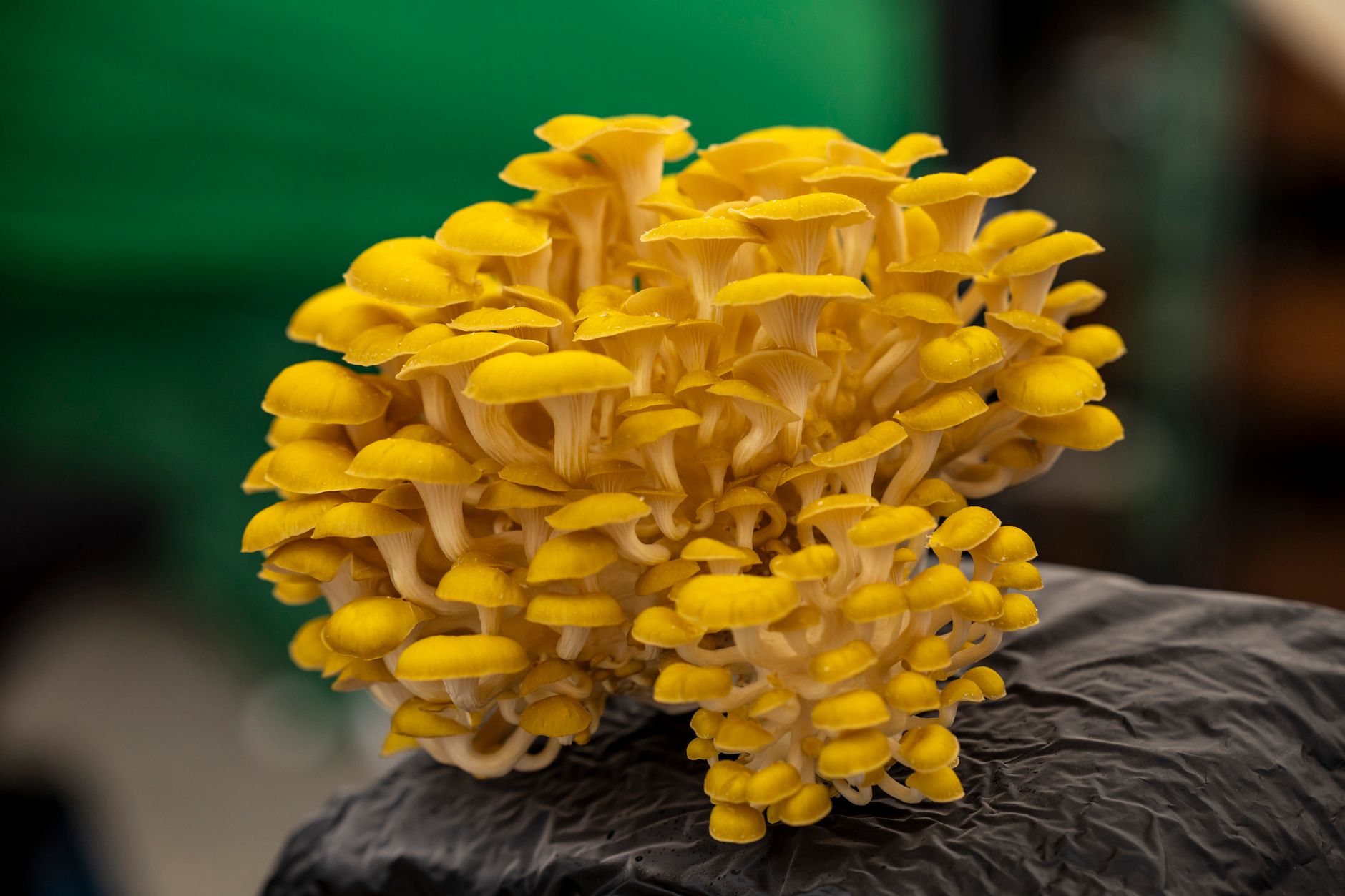
Fruiting conditions are not one set of numbers. Different species have different preferences. Oyster mushrooms can fruit in cooler rooms with heavy fresh air. Shiitake prefer high humidity and slower temperature drops. Lion’s mane needs high humidity and moderate fresh air. Reishi can fruit in less light. This guide will give you a practical baseline and then species-specific adjustments. You can build a simple fruiting chamber with a DIY mushroom fruiting chamber guide if you want a dedicated space. Even a clear tote with holes works for many beginners.
| Species | Fruiting Temp (°F) | Relative Humidity (%) | Light | Fresh Air Exchange |
|---|---|---|---|---|
| Blue Oyster | 55-65 | 85-95 | Indirect 500-1000 lux | 4-7 exchanges per hour |
| Shiitake | 55-65 | 85-90 | Indirect 8-12 hours | 4-5 exchanges per hour |
| Lion’s Mane | 60-70 | 85-95 | Low indirect | 3-4 exchanges per hour |
| Reishi | 70-80 | 85-95 | Low indirect | 2-3 exchanges per hour |
| Button | 62-68 | 90-95 | Low indirect or dark | 2-4 exchanges per hour |
What Exactly Are Mushroom Fruiting Conditions?
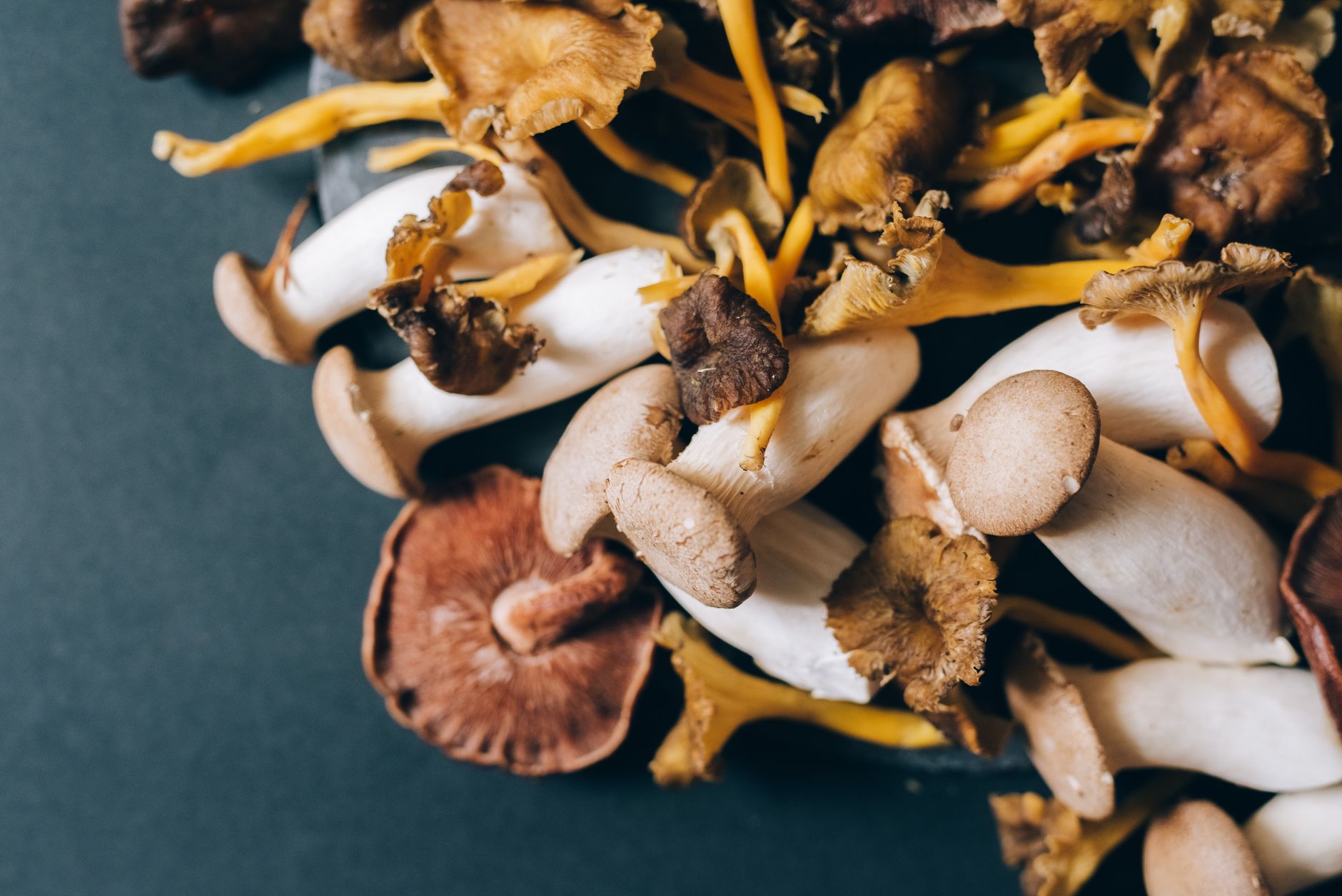
Fruiting conditions are the environmental parameters that tell colonized mycelium to switch from vegetative growth to mushroom formation. Four factors matter most. Humidity, fresh air exchange, temperature, and light. Surface evaporation is also a powerful trigger. During colonization, the mycelium is fine with high carbon dioxide and low light. When you expose it to fresh air, a small amount of light, cooler temperatures, and high humidity, the organism interprets those signals as a seasonal change. That change starts pinning.
Many commercial growers use precise climate control to keep these factors stable. The USDA reports that US mushroom producers sold 896 million pounds of mushrooms during the 2020-2021 growing season. Almost all of that volume came from indoor facilities with tightly managed fruiting rooms. Home growers do not need a commercial room, but they do need to understand the same principles. A simple clear tote, a spray bottle, and a few holes can work for small blocks.
Penn State Extension guidance notes that carbon dioxide levels above 800 to 1,000 parts per million during fruiting can cause poor mushroom shape. This is a specific data point worth remembering. If you seal your fruiting space too tightly, carbon dioxide builds up fast. The result is often long stems and small caps. Good fruiting conditions balance high humidity with enough air movement to remove carbon dioxide without drying out the surface.
- Relative humidity between 80 and 95 percent for most home species
- Fresh air exchange at least 4 times per hour for oyster mushrooms
- Temperatures from 55 to 75 degrees Fahrenheit depending on species
- Low indirect light for 12 hours a day
- Surface moisture and evaporation to initiate pinning
Why Does Fresh Air Exchange Matter So Much?
Fresh air exchange, often called FAE, removes carbon dioxide and brings in oxygen. Mycelium produces carbon dioxide as it grows. In a sealed spawn bag, carbon dioxide levels can be very high, and that is okay during colonization. But high carbon dioxide during fruiting confuses the mushroom. The organism thinks it is still buried under substrate. So it does not form a proper cap or it makes a long, thin stem trying to reach fresh air.
Oyster mushrooms are the most sensitive common home species to carbon dioxide. They need frequent air exchange, sometimes four to seven complete air changes per hour. A small desktop fan on low or an open window with a screened tote can help. Symptoms of poor FAE include fuzzy stems, skinny elongated stems, and undersized caps. These symptoms are different from contamination, which you can learn to spot in the mushroom contamination identification guide. Environmental stress and contamination can look similar at first, but contamination usually has green, black, or pink growth.
For a detailed look at oyster mushroom behavior, see how to grow oyster mushrooms at home. Oyster mushrooms are a great learning species because their response to fresh air is so visible. If your oyster mushrooms have long stems and tiny caps, the air is the first thing to adjust. Increase fan speed, add more holes, or crack the lid more often.
- Use a fan to circulate air but avoid pointing it directly at the mushroom surface
- Make holes on multiple sides of the tote to create cross ventilation
- Open the fruiting chamber at least twice a day to manually exchange air
- Watch for fuzzy feet at the base of stems, which signals excess carbon dioxide
What Temperature and Humidity Do Mushrooms Need to Fruit?
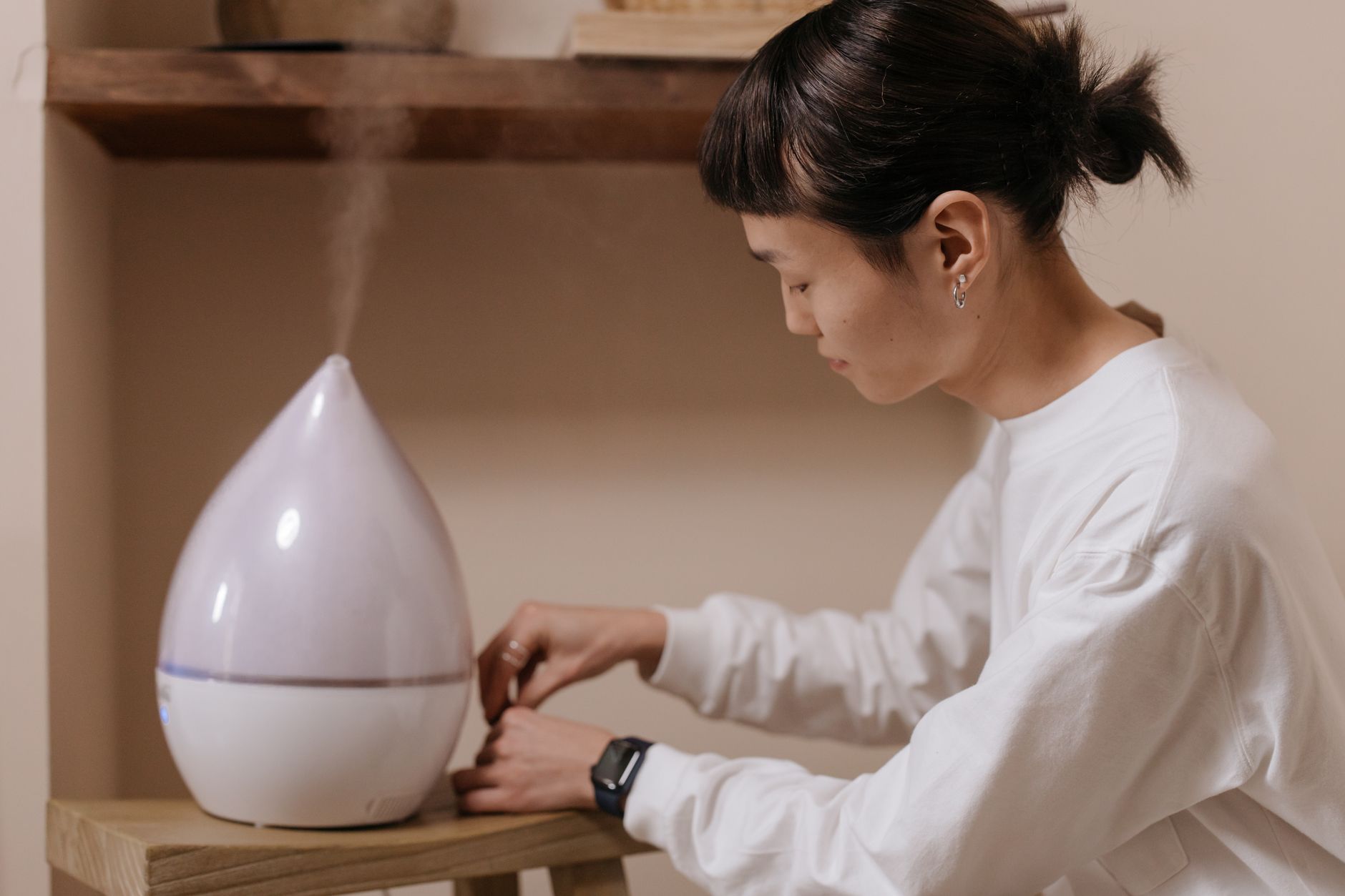
Most home cultivated mushrooms fruit between 55 and 75 degrees Fahrenheit. Humidity should stay between 80 and 95 percent relative humidity. These ranges vary by species. Oyster mushrooms typically prefer 55 to 65 degrees Fahrenheit. Shiitake can fruit from 55 to 70 degrees. Lion’s mane does well from 60 to 70 degrees. Reishi can tolerate warmer conditions, often 70 to 80 degrees. Warm weather species like pink oyster prefer 70 to 85 degrees.
Humidity is critical during the first 48 hours after you introduce fruiting conditions. If the block dries out, pins may not form. Many home growers mist the inside walls and floor of a fruiting chamber three to five times per day. But do not soak the block directly. Over-misting the surface can lead to bacterial blotch and other problems. A digital humidity controller with a small humidifier can make this easier. The best mushroom substrate guide explains how substrate water content supports humidity around the block.
A common mistake is to chase a single number. Instead, think about balance. Very high humidity without fresh air causes condensation and weak mushrooms. Low humidity causes dried out pins. The goal is a steady range with visible moisture on the tub walls but not standing water on the block. Most growers report that 85 to 95 percent relative humidity with good air movement gives the best pin sets.
- Blue oyster: 55 to 65 degrees Fahrenheit, 85 to 95 percent relative humidity
- Shiitake: 55 to 65 degrees Fahrenheit, 85 to 90 percent relative humidity
- Lion’s mane: 60 to 70 degrees Fahrenheit, 85 to 95 percent relative humidity
- Reishi: 70 to 80 degrees Fahrenheit, 85 to 95 percent relative humidity
How Does Light Affect Mushroom Pinning and Growth?
Mushrooms are not photosynthetic, but light still matters. Light acts as a signal. It tells the mycelium that above-ground conditions exist. Without light, many species will fruit poorly, produce pale stems, or fail to pin. A low level of indirect light is enough. Think of a shaded forest floor, not direct sun. Direct sunlight can overheat and dry out your fruiting block fast.
A simple 6500K LED strip or a nearby window with indirect daylight works well. Aim for 12 hours on and 12 hours off. Light intensity can be as low as 500 to 1000 lux for many species. You do not need a grow light designed for plants. For a species that responds strongly to light, see how to grow lion’s mane at home. Lion’s mane will often grow toward the light source, so rotating the block helps produce even growth.
If your mushrooms are thin and pale, the first suspect is low light after fresh air is already corrected. Keep the light source a few feet away to avoid excess heat. A simple timer makes light consistent. Consistency matters more than intensity for home growers. Small fluctuations in light are fine, but a dark closet is usually not enough to trigger strong pinning.
- Use indirect natural light from a north-facing window
- A 6500K LED strip on a timer works well
- Keep light 12 hours on and 12 hours off
- Rotate blocks if mushrooms lean strongly toward the light
What Substrate and Casing Choices Improve Fruiting Conditions?
Substrate is the base from which mushrooms fruit. The right moisture content supports the humidity around the block. Too dry and pins stall. Too wet and contamination risks rise. Hardwood sawdust, straw, and supplemented sawdust all behave differently. The best mushroom substrate guide compares these options in detail. Most fruiting blocks should feel moist but not dripping when squeezed.
A casing layer can help species that need surface moisture. Casing is a thin layer of non-nutritive material like peat moss, vermiculite, or coir. It holds moisture at the surface where pins form. Button mushrooms and many agaricus species almost always require a casing layer. Oyster mushrooms and lion’s mane often fruit fine without one. Shiitake blocks are best left uncased so the bark-like surface can brown and trigger pinning. For more on shiitake, see how to grow shiitake mushrooms at home.
The surface condition matters as much as the bulk substrate. Scraping or scratching the surface lightly can stimulate pinning in some species. This mimics disturbance in nature. Another common technique is a cold shock. Move a fully colonized shiitake block to a cool spot for 12 to 24 hours before returning it to fruiting conditions. That temperature drop is a strong signal. These small adjustments often make the difference between a few mushrooms and a full cluster.
- Keep substrate at field capacity, moist but not soggy
- Use a casing layer for button mushrooms and some agaricus species
- Apply a cold shock to shiitake blocks to trigger pinning
- Scrape the surface lightly for stubborn oyster blocks
What Are the Most Common Fruiting Mistakes and How Do You Fix Them?
The most common mistake is misting too much. Many growers think more water means more mushrooms. In reality, soaking the surface invites bacteria and slows fresh air exchange. Mist the inside of the chamber, not the mushrooms themselves. If droplets sit on the pins for long, they can develop blotch. Increase fresh air movement while keeping humidity high. This balance takes practice.
Another frequent issue is moving to fruiting too early. If the block is not fully colonized, exposed uncolonized substrate can contaminate. Wait until the block is completely white and firm. Some growers wait an extra three to five days after full colonization to let the mycelium consolidate. This small wait can improve yields. Data from home cultivators suggests that patience here can increase first flush weight. The mushroom cultivation statistics 2026 page shows some reported yield comparisons by technique.
Temperature swings are also common. A fruiting block near a window may heat up during the day and cool at night. That can pause or abort pins. Keep the block in a stable spot away from radiators, air conditioners, and direct sunlight. If you see pins form and then shrivel, check humidity and air flow before changing temperature. Fix one variable at a time to learn what your species needs.
- Prevent water pooling on the substrate surface
- Wait for full colonization before introducing fruiting
- Keep temperature stable within the species range
- Increase fresh air exchange before adding more humidity
- Use a timer for light and fan to keep conditions consistent
Frequently Asked Questions
What humidity do mushrooms need to fruit?
Most home cultivated mushrooms need 80 to 95 percent relative humidity. Oyster mushrooms and lion’s mane do well at 85 to 95 percent. Button mushrooms prefer closer to 90 to 95 percent.
How often should I mist my fruiting mushrooms?
Mist the inside walls and floor of the fruiting chamber two to four times per day. Avoid spraying water directly on the mushrooms. A humidifier with a controller can reduce manual misting.
Can mushrooms fruit in complete darkness?
Most species need a small amount of indirect light to trigger pinning and normal growth. Complete darkness often produces pale, thin mushrooms. A 12 hour on and 12 hour off light cycle works well.
What temperature is best for oyster mushrooms?
Blue, pearl, and king oyster mushrooms typically fruit between 55 and 65 degrees Fahrenheit. Pink oyster is a warm weather species and fruits best from 70 to 85 degrees Fahrenheit.
How long after seeing pins until harvest?
Most oyster mushrooms are ready to harvest three to seven days after pinning. Shiitake can take five to fourteen days. Harvest when caps begin to flatten but before they drop spores.
Why do my mushrooms have long stems and tiny caps?
Long stems and small caps usually mean carbon dioxide is too high. Increase fresh air exchange by adding holes, using a fan, or opening the chamber more often. Check that air movement reaches the mushrooms without drying them out.
What Should You Remember?
- Fruiting conditions signal the mycelium to switch from colonizing to producing mushrooms.
- Keep relative humidity between 80 and 95 percent for most home species.
- Provide fresh air exchange at least 4 times per hour to prevent leggy stems.
- Use indirect light for 12 hours a day, never direct sunlight.
- Match temperature to species: oysters like 55 to 65 degrees Fahrenheit, shiitake like 55 to 70.
- Build a fruiting chamber to control all four factors together.
- Watch for surface evaporation; it is a primary pinning trigger.
This article is for general information only. Mushroom identification and consumption carry health and safety risks , never eat a wild mushroom unless positively identified by an expert, and follow sterile technique and food-safety guidance for home grows.