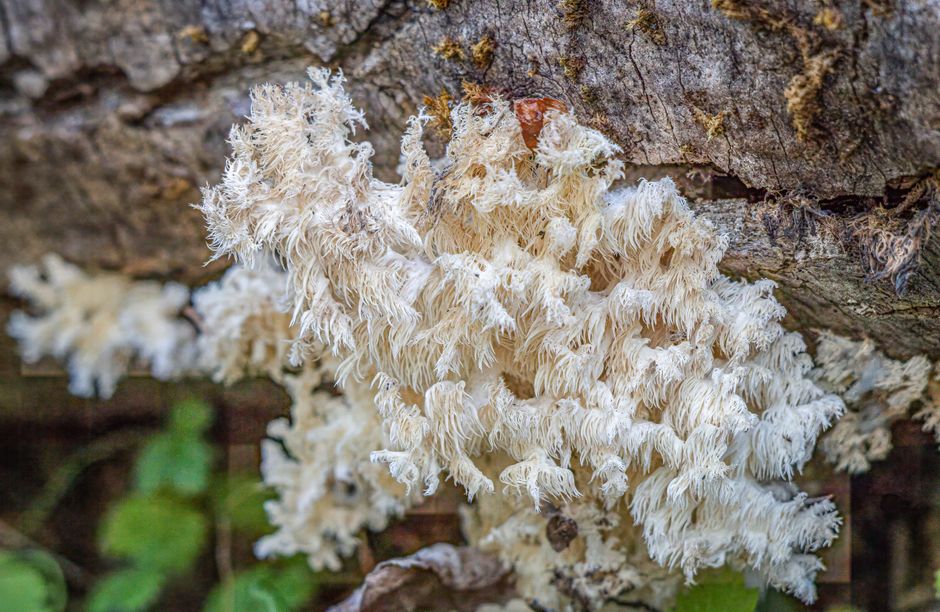
Lion’s mane mushroom (Hericium erinaceus) is one of the most rewarding gourmet mushrooms to fruit indoors. It forms a white, shaggy mass with long dangling teeth instead of a typical cap and stem. The flavor is mild and slightly sweet, often compared to crab or lobster. Beginners can get a first harvest in roughly four to six weeks with a ready-to-fruit grow kit. More hands-on growers can start with grain spawn and supplemented hardwood sawdust. Either route fits a small apartment, closet, or dedicated grow space. This guide walks through the key steps from setup to harvest.
Growing lion’s mane at home asks for more attention than oyster mushrooms. It is slower to colonize and more sensitive to low humidity and stale air. Still, the mushroom is forgiving once you dial in the right fruiting chamber. You can reduce guesswork by using a proven lion’s mane growing guide and a reliable substrate recipe. The North American Mycological Association reminds growers to never eat a wild mushroom unless an expert positively identifies it. This warning matters because lion’s mane has wild lookalikes that are difficult for beginners to separate.
One reason lion’s mane is so popular is its dense, meaty texture. It can be torn into chunks and seared like crab cakes or sliced into thick steaks. That kitchen payoff starts with clean spawn and a well-made fruiting block. If you prefer a fast start, check the best mushroom grow kits for 2026 and pick a kit that ships with an already-colonized lion’s mane block. You can also build your own substrate with hardwood fuel pellets and wheat bran. This article includes exact ratios and environment targets below.
Before you start, understand the two main phases. Colonization happens at warmer temperatures in a sealed bag or jar. Fruiting happens at cooler temperatures with high humidity and fresh air exchange. Many failures come from mixing up those two phases. Penn State Extension offers detailed research on mushroom cultivation and sanitation. Use their guidance as a reference for cleaning your workspace. The process below works for both grow kits and grain spawn. Now let’s move through each step, from choosing a method to harvesting your first flush.
What You’ll Need
- pressure cooker or sterilizer
- mushroom grow bags with filter patch
- hardwood sawdust pellets
- wheat bran
- lion’s mane grain spawn or grow kit
- clear plastic tote
- perlite or clay pebbles
- spray bottle
- thermometer/hygrometer
- sharp knife
How Do You Grow Lion’s Mane at Home?
- Choose a grow kit or grain spawn method
A ready-to-fruit lion’s mane grow kit is the easiest entry point. The kit contains a fully colonized block that only needs slicing or opening and misting. You skip grain spawn, sterile substrate, and pressure cookers. This is the fastest way to see how lion’s mane behaves in your home environment. Check the lion’s mane grow kit on Amazon if you want a low-effort first run. Some kits include a small humidity tent, which helps if your indoor air is dry.
If you prefer to make your own blocks, start with clean grain spawn. You can buy lion’s mane grain spawn from a reputable supplier or make your own using the steps in this how to make grain spawn guide. Spawn should be fully colonized, white, and free of any green, black, or sour patches. Young spawn has a better chance of jumping into supplemented sawdust. Plan on using about one pound of grain spawn for every five pounds of hydrated substrate.
Both methods lead to the same fruiting phase. A grow kit gets you there in days, while grain spawn takes two to three weeks longer for colonization. The rest of this guide uses a five-pound sawdust fruiting block as the main example. If you chose a kit, you can skip the substrate and inoculation steps and jump to the fruiting chamber. Still read the substrate section because it helps you understand what the block is made of.
Think about your space before choosing. A small closet works for a single kit. A shelf with a clear plastic tote works for multiple blocks. If you want steady harvests, producing your own blocks is cheaper over time. The tradeoff is more equipment and more chances for contamination. Pick the method you can maintain for at least one full cycle.
- Prepare supplemented hardwood sawdust substrate
Lion’s mane grows naturally on hardwoods. It does not do well on straw or manure. The best home substrate is a mix of hardwood sawdust pellets and a nitrogen supplement. A proven recipe for one five-pound block is 5 cups of hardwood fuel pellets, 1.4 liters of hot water, and 1/2 cup of wheat bran. This ratio brings the substrate to around 60 percent moisture, which is ideal for lion’s mane. Use oak, maple, or mixed hardwood pellets, not softwood pellets made from pine or cedar. You can check hardwood sawdust pellets on Amazon for a convenient source.
If you want a more exact recipe, use 650 grams of dry hardwood sawdust, 130 grams of wheat bran, and 780 milliliters of water. That makes a block with about 10 to 20 percent bran supplementation. Penn State Extension recommends supplementing hardwood sawdust for better yields. Too much bran can invite contamination. Too little water stresses the mycelium. Mix the dry ingredients first, then add hot water slowly while breaking up clumps.
Load the hydrated mix into a filter-patch mushroom grow bag. Fold the bag top and pressure cook at 15 PSI for 90 minutes. This kills bacteria and mold spores that would beat the lion’s mane mycelium. Do not use a simple pot steaming method for supplemented sawdust. The bran makes the substrate rich enough for contaminants. If you skip sterilization, you may see green mold before the block ever fruits. Let the bag cool to room temperature before inoculation. You can check mushroom grow bags on Amazon for a pack of autoclavable bags.
Check moisture by squeezing a handful of mix. It should bind into a ball with no dripping water. If it drips, add a little dry sawdust. If it crumbles, add a little more water. This field-capacity test is simple but reliable. Correct moisture keeps the block from drying out during colonization and fruiting. It also prevents anaerobic pockets that cause sour smells.
- Inoculate the cooled substrate and incubate
Once the bag reaches room temperature, open it inside a still-air box or in front of a laminar flow hood if you have one. Work quickly and cleanly. Add about one pound of lion’s mane grain spawn, then fold the bag closed and shake gently to distribute. A small amount of spawn on the substrate surface is enough for an even run. Each broken piece of spawn will send white mycelium through the sawdust.
Seal the bag and place it in a dark or dim spot at 70 to 75 degrees Fahrenheit. Lion’s mane colonizes best in this range. Expect the block to become fully white in 14 to 21 days. It may look patchy at first, then thicken into a dense white mat. Do not open the bag during this phase. Opening too early introduces competitor spores and dries out the block.
Check for contamination every few days. Healthy lion’s mane mycelium is white and fine. Green, black, or pink spots are trouble. A sour or rotten smell also means the bag is lost. If you see contamination, remove the bag from your grow area and throw it out. Do not try to cut off the bad spot. The mold may have already released spores. The mushroom contamination identification guide can help you tell bruising from mold.
Some blocks will form small white bumps or primordia before the bag is fully colonized. This is normal for lion’s mane. Still, most growers wait until the whole surface is white and firm. Once the block feels solid and you see a few bumps, it is ready for fruiting. Move the bag to a cooler spot and prepare the fruiting chamber.
- Set up a fruiting chamber with high humidity
Lion’s mane fruits best when humidity stays between 85 and 95 percent. Dry air makes the teeth stall or brown. Build a simple fruiting chamber from a clear plastic tote with holes drilled in the sides. Place perlite or wet clay pebbles on the bottom to hold moisture. A small ultrasonic humidifier can push humidity even higher if your room is dry. Keep the chamber in a spot with indirect light and a temperature of 65 to 70 degrees Fahrenheit.
This guide to diy mushroom fruiting chamber shows how to set up a balanced system on a budget. But you do not need expensive gear. A clear storage bin, a spray bottle, and a thermometer/hygrometer are enough for one block. Mist the walls of the chamber, not the mushroom directly. Direct misting can cause water spots and bacterial blotch. Fresh air matters just as much as humidity.
Place the colonized block inside the chamber and cut a one to two inch slash or an X in the bag. This gives the mushroom one clear exit. If the block already has pins, cut near that spot. Keep the opening modest at first. A very large cut can dry out the block after the first flush. You can make another cut later if the mushroom pushes against the bag.
Indirect light helps the fruit body form its shape. A north-facing windowsill or a dim LED works fine. Avoid direct sun, which heats the block and lowers humidity. Aim for fresh air exchange two to four times a day. You can simply open the chamber lid and fan it for a few seconds. This removes carbon dioxide and encourages the dense teeth formation lion’s mane is known for.
- Initiate fruiting and maintain conditions
Within about a week after cutting the bag, a white primordium should expand into a shaggy mass. The first sign is often a small white blob that looks like a cauliflower. Over the next five to ten days, it grows larger and forms spines. Keep humidity high and temperatures steady at 65 to 70 degrees Fahrenheit. If temperatures climb too high, the fruit body may yellow and stall.
Fan the chamber every day. Lion’s mane is very sensitive to carbon dioxide. In stale air, the mushroom grows loose and stringy. You can identify this by thin, elongated teeth instead of tight, cascading spines. The mushroom fruiting conditions guide explains how to align temperature, humidity, and air exchange. Check your hygrometer multiple times a day for the first week.
Water in the chamber reservoir should not touch the bag. Set the block on a small rack or jar lid. If the bottom sits in water, it can become anaerobic and invite mold. A common beginner mistake is adding too much mist. High humidity is not the same as wet mushroom surfaces. Wet fruits bruise and develop bacterial spots faster than dry ones.
Watch for color shifts. Slight pink or brown tips often mean low humidity or too much direct light. A white fruit body with slight yellowing can mean temperature stress. Adjust one variable at a time. If the chamber is too dry, add more perlite or increase humidifier output. If the room is too warm, move the setup to a cooler shelf. The next step is timing the harvest.
- Harvest when teeth are one-quarter to one-half inch long
The harvest window for lion’s mane is shorter than for oyster mushrooms. Pick the fruit body when the teeth are between 1/4 and 1/2 inch long. If you wait too long, the mushroom turns off-white, then slightly brown. Older fruits get tougher and can start to yellow. The texture becomes less pleasant, though the fruit is still safe to cook if eaten soon after.
Use clean hands or a sharp knife to cut the mushroom at the base. Leave a small stump attached to the block. Removing the whole fruit body without tearing the substrate helps the block recover. Lion’s mane bruises easily, so handle it gently. If you see a second smaller fruit forming behind the first, do not knock it off. The block can support multiple flushes.
After harvest, inspect the cut area. A clean white stump is normal. If the cut area turns brown or slimy, the block may have dried out or picked up bacteria. Dry the chamber slightly after the first flush. Wait a few days, then soak the block in cold water for two hours if it seems light and dry. This rehydration can push a second flush.
Expect a second flush about two to four weeks after the first. It is often smaller than the first. The block has used much of its water and nutrients. You can get a second and sometimes a third crop from one block. After that, the mycelium weakens and contamination risk rises. Compost the spent block or bury it in a shaded outdoor bed if you live in a mild climate.
- Store, cook, and plan your next grow
Store fresh lion’s mane in a paper bag or a loosely closed container in the refrigerator. It lasts about five to seven days. Do not store it in a sealed plastic bag, which traps moisture and speeds decay. If you have more than you can use, slice and dry the mushroom at 110 to 120 degrees Fahrenheit until crisp. Dried lion’s mane rehydrates well in soups and broths.
Cook lion’s mane thoroughly before eating. It has a high water content, so use a dry pan or press out excess moisture first. Many people slice it thick and sear it in butter until golden. The texture is often compared to crab or lobster. Use it in pasta, tacos, or stir-fries. If you harvest more than one flush, try freezing cooked pieces for later.
Plan your next grow before your current block is finished. You can start new grain spawn or order another ready-to-fruit kit. Keeping a staggered schedule means you harvest every few weeks instead of all at once. A small shelf can hold one fruiting block and one or two colonizing bags. This rotation also reduces pressure on your fruiting chamber.
Review what worked and what did not. If your first flush was small, check humidity and fresh air exchange. If the block contaminated early, tighten your sterile technique. Write down your substrate recipe, temperatures, and harvest dates. Over time you will learn the rhythm of lion’s mane in your home. The next step is simply to start again.
Red Flags & Warnings
- 🚨 Never eat a wild lion’s mane or any wild mushroom unless an expert has positively identified it. The North American Mycological Association (NAMA) provides identification resources. Wild lookalikes can be dangerous.
- 🚨 Do not steam or pasteurize supplemented sawdust. Use a pressure cooker at 15 PSI for 90 minutes. Bran-rich substrates require full sterilization.
- 🚨 Discard any block with green, black, or pink mold. Do not open moldy bags inside your grow space. Spores spread quickly and can ruin future projects.
- 🚨 Avoid misting the fruit body directly. Wet mushrooms develop bacterial blotch and brown spots. Mist the chamber walls and keep the block off standing water.
- 🚨 Keep the fruiting chamber between 85 and 95 percent humidity. Below 80 percent, lion’s mane teeth turn brown and the mushroom stalls. Dry air is the most common cause of tiny or shriveled fruits.
- 🚨 Do not harvest too late. Teeth longer than half an inch mean the mushroom is close to spore release and will be tougher. Pick at the right stage for the best texture.
Frequently Asked Questions
Is lion's mane hard to grow for beginners?
Lion’s mane is moderately easy, especially from a ready-to-fruit grow kit. It needs more attention to humidity and fresh air than oyster mushrooms. Once you set up a simple fruiting chamber, the process is repeatable. Beginners can succeed on the first try with a kit.
Can I grow lion's mane on coffee grounds?
Coffee grounds alone are not ideal. They are too wet, dense, and prone to contamination. Lion’s mane prefers supplemented hardwood sawdust. You can add a small amount of coffee grounds to sawdust, but keep the total nitrogen low. A pure coffee ground substrate often fails.
How long does lion's mane take to grow?
Expect 14 to 21 days for colonization from grain spawn. Fruiting takes another 7 to 14 days after cutting the bag. A ready-to-fruit kit can produce mushrooms in about 10 to 20 days. Total time from spawn to harvest is usually four to six weeks.
Why is my lion's mane turning yellow or brown?
Yellowing often comes from low humidity, temperatures above 75 degrees Fahrenheit, or direct light. Brown tips can also mean the fruit is aging past its harvest window. Adjust the chamber environment and harvest sooner. Slight yellowing on older teeth is normal after peak.
Do I need a grow light for lion's mane?
No, lion’s mane does not need strong light. Indirect daylight or a dim LED is enough to guide fruit body shape. Direct sun can dry the block and overheat it. Keep light soft and consistent.
Can I get multiple flushes from one lion's mane block?
Yes, most blocks produce two or three flushes. The second flush is usually smaller. After each harvest, rest the block and maintain humidity. You may soak a dried block in cold water for a few hours to rehydrate before the next flush.
What Should You Remember?
- Choose a method: Start with a ready-to-fruit grow kit for speed or grain spawn for full control.
- Use the right substrate: Supplemented hardwood sawdust with wheat bran is the standard for lion’s mane.
- Colonize warm: Keep incubating blocks at 70 to 75 degrees Fahrenheit for 14 to 21 days.
- Fruit humid and cool: Maintain 85 to 95 percent humidity at 65 to 70 degrees Fahrenheit with fresh air.
- Harvest on time: Pick when teeth are 1/4 to 1/2 inch long for the best texture.
- Troubleshoot quickly: Brown or stringy fruits usually mean low humidity or poor air exchange.
This article is for general information only. Mushroom identification and consumption carry health and safety risks , never eat a wild mushroom unless positively identified by an expert, and follow sterile technique and food-safety guidance for home grows.