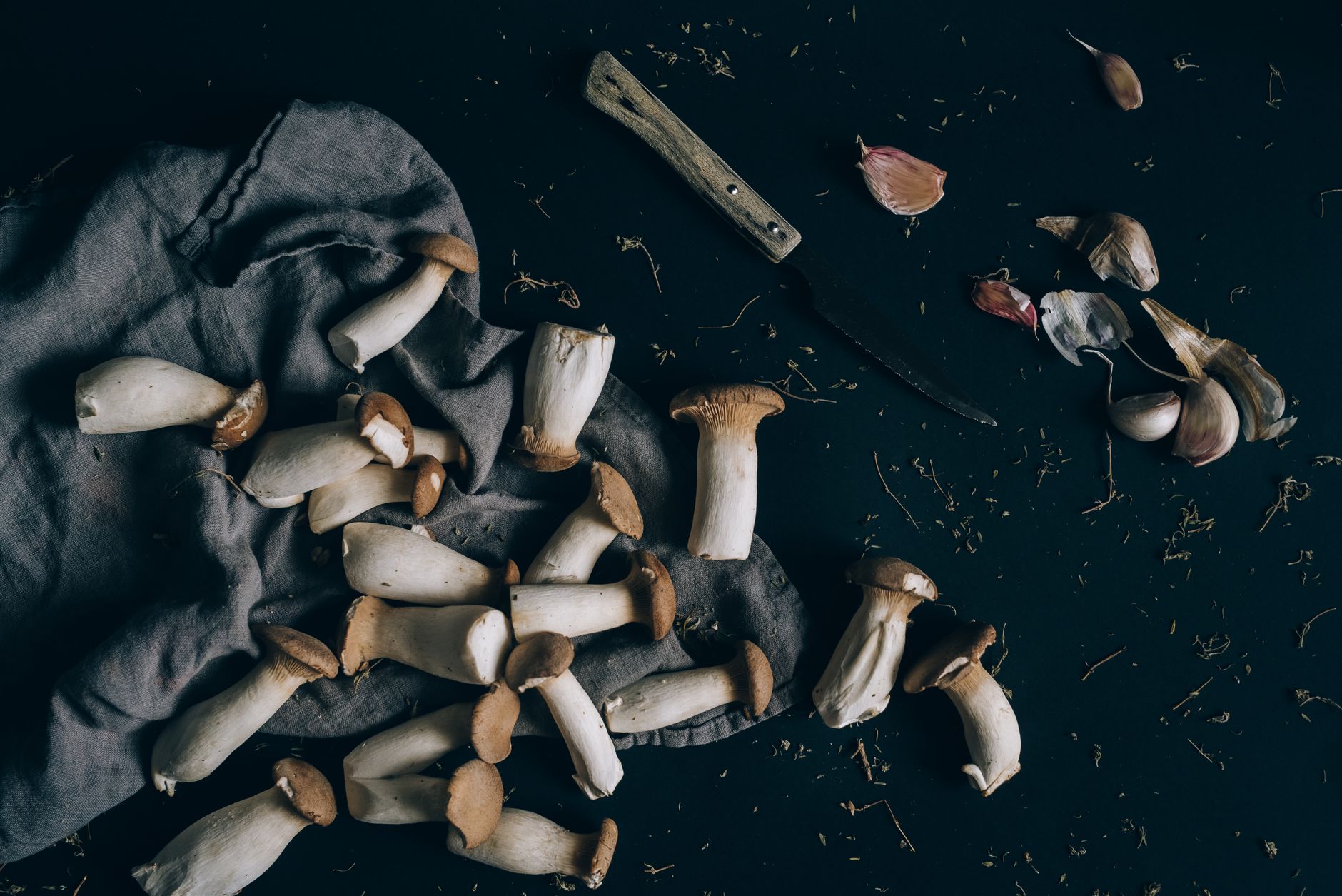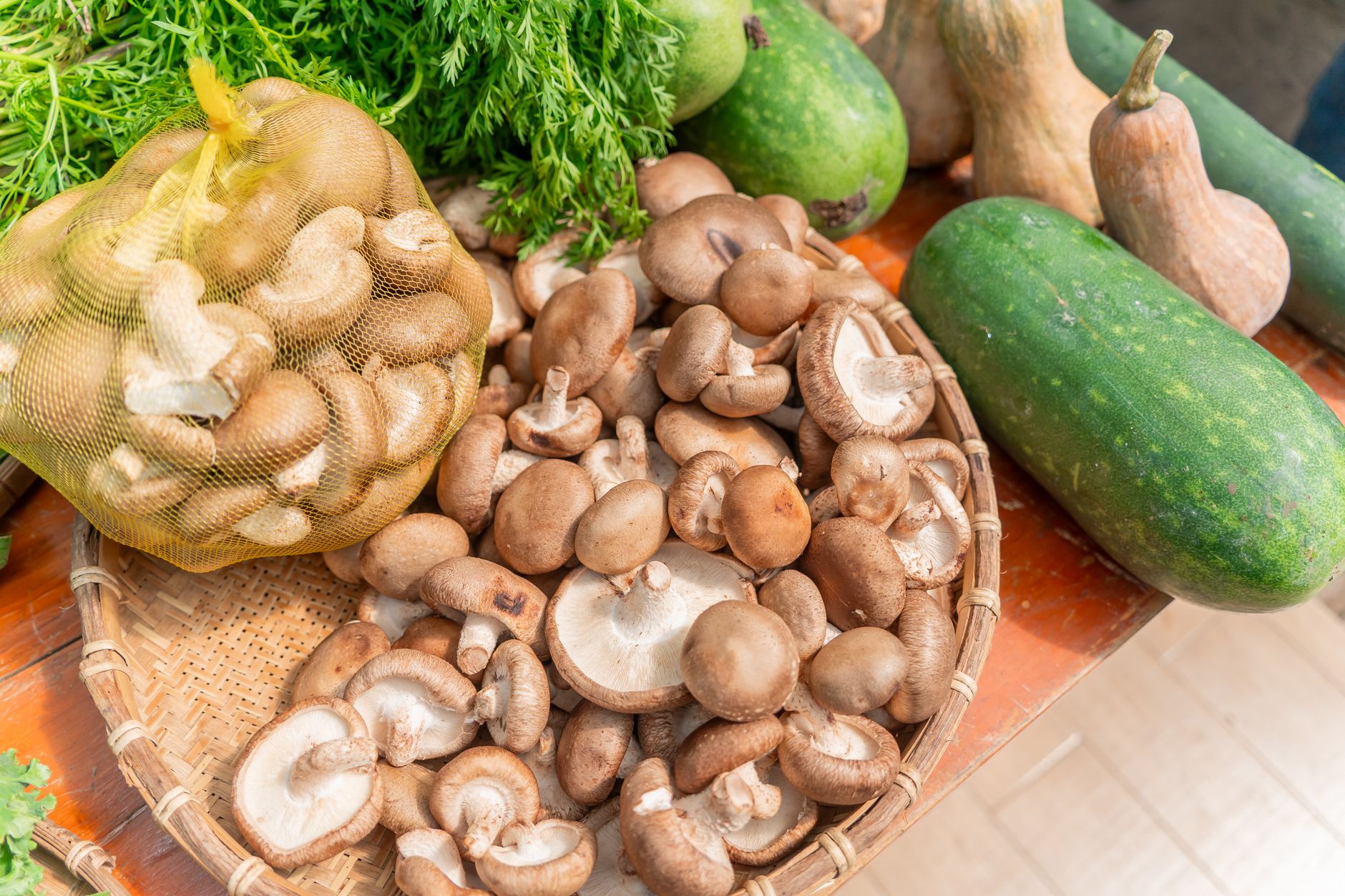
Lion’s mane (Hericium erinaceus) is one of the most rewarding mushrooms you can grow indoors. It produces white, globe-shaped clusters with long soft spines. The flavor is mild and seafood-like, often compared to crab or lobster. For home growers, the real appeal is how quickly it produces dense flushes on hardwood blocks. This guide walks through a full indoor grow from choosing genetics to harvest. You can start with a ready to fruit grow kit or build your own blocks with grain spawn and sawdust.
Before you begin, understand that lion’s mane is a wood-loving fungus. It colonizes supplemented hardwood sawdust far better than straw or manure. The right substrate mix supports fast colonization and toothy fruit bodies. If you are new to cultivation, start with a best mushroom substrate guide to learn why hardwood dominates. Then decide between a kit and a do-it-yourself block run. You will also need a clean place to inoculate and a cool, humid space to fruit.
Lion’s mane grows differently from oyster or shiitake mushrooms. It forms tight, shaggy pom poms rather than caps and stems. That shape responds directly to fresh air and humidity. You will need a fruiting space that stays cool and moist. A small humidity-controlled chamber makes repeat harvests much easier. This guide covers temperatures, humidity, timing, and the common mistakes that lead to thin or yellowing fruits. Plan to check your block daily during the fruiting phase.
If you plan to make your own grain spawn, start with a clean, proven method. Mastering how to make grain spawn gives you unlimited access to lion’s mane genetics. The process involves sterilizing rye or millet and inoculating it with a liquid culture or agar wedge. Once the grain is fully colonized, you use it to inoculate larger supplemented sawdust blocks. That two-stage approach is what we will cover in the steps below, along with a simpler kit route.
What You’ll Need
- Pressure cooker or autoclave
- Mushroom grow bags with 0.2 micron filter patches
- Hardwood sawdust pellets
- Wheat bran or soy hulls
- Lion’s mane grain spawn or liquid culture
- Still air box or laminar flow hood
- Spray bottle or humidity controller
- Thermometer and hygrometer
- 70 percent isopropyl alcohol
- Disposable gloves
How Do You Grow Lion’s Mane at Home?
- Choose your lion’s mane genetics and grow method
Decide between a ready-to-fruit grow kit and a grain spawn plus supplemented sawdust block. A kit is the fastest way to see lion’s mane fruit in your home. If you want a reliable first crop, check the best mushroom grow kits 2026 and pick a lion’s mane option. Check the lion’s mane mushroom grow kit on Amazon if you want a simple kit. Kits usually arrive colonized and only need you to cut the bag and mist the block.
If you go the do-it-yourself route, source vigorous lion’s mane grain spawn or liquid culture from a trusted supplier. A liquid culture syringe lets you inoculate sterilized grain jars. Commercial strains are more predictable than wild isolates. Weak genetics will still fruit, but the clusters may be small and slow. Plan your schedule around a 14 to 21 day spawn run. Fruiting follows within 7 to 14 days after you move the block to a humid chamber.
Your method choice affects every other step. A grow kit skips grain spawn and substrate prep. A from-scratch block gives you more control over the recipe and scale. Either way, gather your supplies before the spawn arrives. Spawn and cultures lose vigor if they sit too long in the mail or on a shelf.
- Gather supplies and prepare your workspace
Gather a pressure cooker, mushroom grow bags with filter patches, hardwood sawdust pellets, wheat bran or soy hulls, grain spawn, a spray bottle, and a thermometer/hygrometer. A still air box or laminar flow hood keeps inoculations clean. For fruiting, you may want a humidity controller and a small fan. The diy mushroom fruiting chamber guide walks through simple setups that work in a closet or tent.
Prepare your workspace before you open any sterile bag. Wipe all surfaces with 70 percent isopropyl alcohol. Wear gloves and a mask. Work in the smallest clean room you can manage. Check the mushroom grow bags on Amazon if you need filter patch bags. Use 0.2 micron filter patches because they let the block breathe while keeping mold spores out.
Most contamination problems start in this step. Dirty tools, a drafty room, or reaching over an open bag can introduce mold. That is why a still air box is worth the small effort. It reduces air movement around your work area. If you see green or black mold later, the cause is usually a lapse in this step. Move to substrate prep only after your tools and bags are ready to go.
- Prepare and sterilize hardwood sawdust substrate
Lion’s mane grows best on supplemented hardwood sawdust. A reliable recipe for a five pound block is 5 cups of hardwood fuel pellets, 1.4 cups of wheat bran or soy hulls, and about 6 cups of water. This mix gives a 60 to 65 percent moisture content. The Penn State Extension recommends hardwood sawdust as a base for specialty mushrooms because it holds structure and nutrients well.
Mix the dry ingredients first, then add water slowly. Squeeze a handful of substrate. It should hold its shape and release only a drop or two of water. Too much water creates anaerobic pockets. Too little water slows colonization. Load the mix into filter patch bags and fold the bag top over. Do not pack the substrate too tightly. Leave room for gas exchange inside the bag.
Sterilize the bags at 15 PSI for 90 to 120 minutes. Use a pressure cooker large enough to hold the bags without touching the sides. Check the pressure cooker on Amazon if you need a reliable model. Let the bags cool to room temperature before inoculation. Opening hot bags pulls in unfiltered air and raises contamination risk.
- Inoculate the substrate with lion’s mane grain spawn
Inoculate in a still air box or in front of a laminar flow hood. Open the cooled bag and quickly add lion’s mane grain spawn at a rate of 5 to 10 percent of the wet substrate weight. For a five pound block, that means about 4 to 8 ounces of grain spawn. Use clean hands or a sanitized spoon. Seal the bag immediately after adding spawn.
Break up the grain spawn as you add it. Lion’s mane colonizes from many small points, so distributing the spawn shortens the spawn run. Gently shake or knead the bag to mix the spawn through the substrate. Avoid crushing the sawdust into a dense mass. A loose, crumbly block breathes better and colonizes more evenly.
Label each bag with the date and strain. Place the sealed bags in an incubation area where they will not be disturbed. At this point, no light is needed. A consistent temperature matters more than anything else. The next step is a waiting game, but you should check bags every few days for growth and contamination.
- Incubate the spawn run
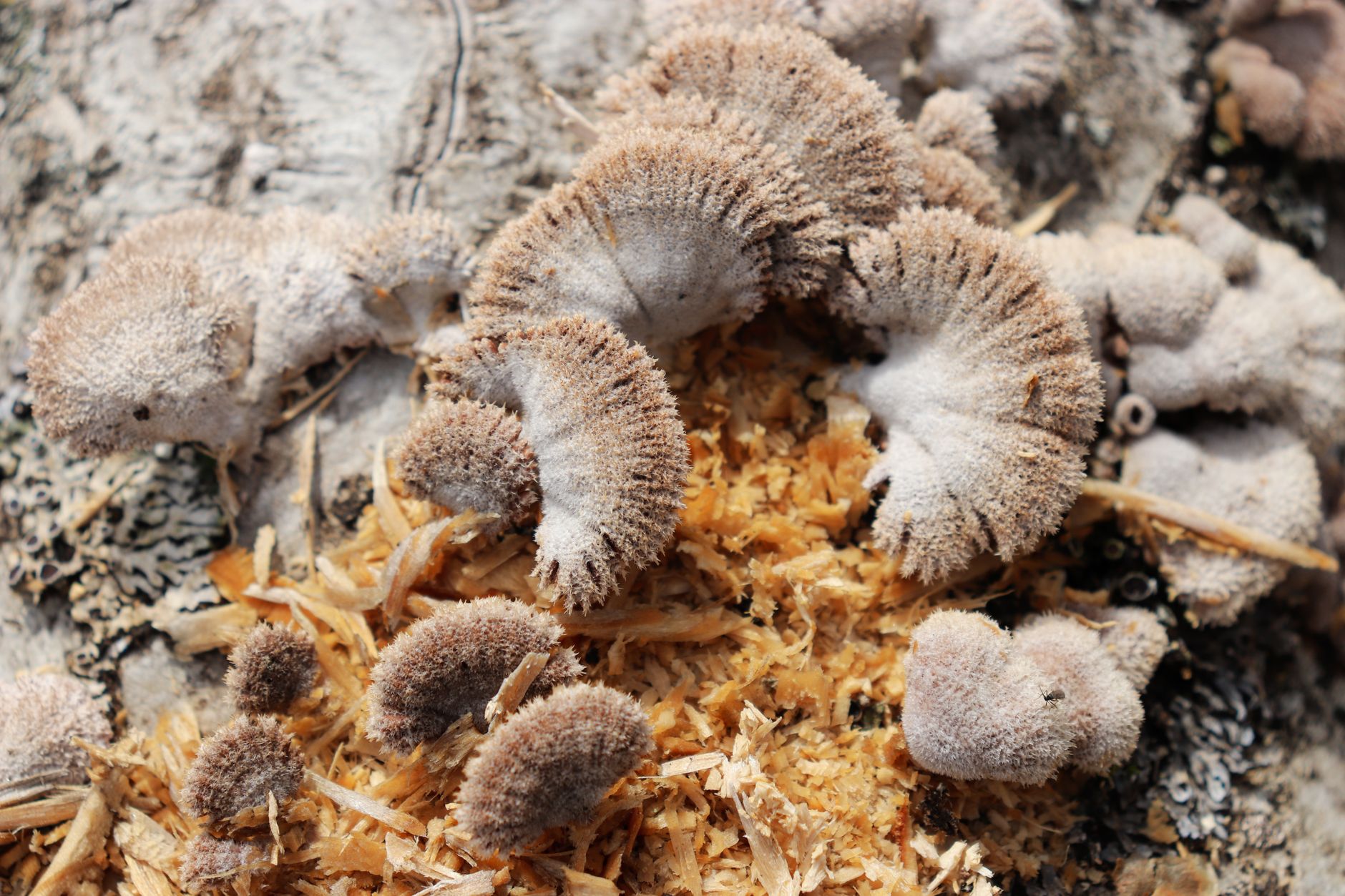
Keep incubation temperatures between 68 and 75 degrees F. Lion’s mane mycelium grows aggressively in this range. Lower temperatures slow it down. Higher temperatures favor mold and can stall the culture. Put the bags in a dark closet or a cabinet. A heat mat with a thermostat works well in a cold house, but do not place bags directly on the mat.
Check the block every two or three days. White mycelium should spread from the spawn points. You will see it cover the surface in 14 to 21 days. Watch for green, black, or bright yellow patches. Those are typical contaminants. If you are unsure, mushroom contamination identification guide explains what different colors and smells mean. Isolate any suspicious bag outside or in a separate room.
When the block is fully white and firm, it is ready to fruit. Some lion’s mane blocks start pinning inside the bag before you move them. That is normal. Small white bumps or miniature pom poms mean the mycelium is ready. Move the block to a fruiting area with fresh air and high humidity within a day or two. Delaying can cause the pins to abort.
- Move the block to fruiting conditions
Set the fruiting space to 60 to 70 degrees F and 90 to 95 percent humidity. Lion’s mane fruits best when it stays cool and moist. Use a humidity controller and a small reptile fogger or ultrasonic humidifier. The mushroom fruiting conditions guide covers how to dial in a grow tent or tote. Fresh air exchange is just as important as humidity.
Cut a small X or one-inch slit in the bag where you want fruit bodies to form. Some growers remove the bag top and fruit from the exposed block. Misting and fanning three to four times per day can work in a small space. If you use a manual method, mist the walls and the air above the block. Do not soak the fruit body directly. Place the block in indirect light for 12 hours per day. A simple LED or window light is enough.
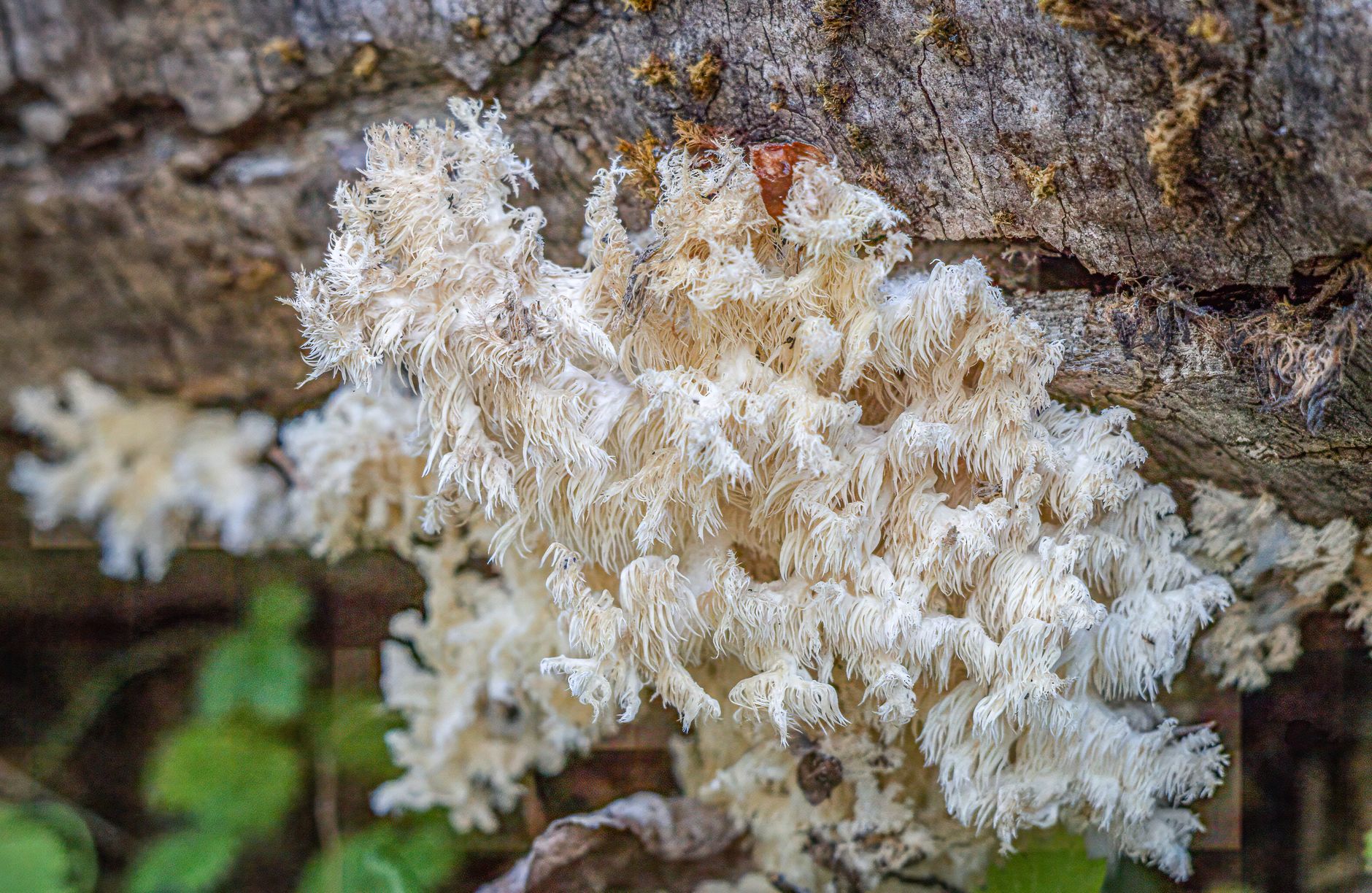
Within 7 to 14 days, small white teeth begin to form. The fruit body should look like a dense white pom pom. If it grows long, loose, coral-like branches instead, fresh air is too low. Increase fan intervals or crack the fruiting chamber. High carbon dioxide is the main reason lion’s mane loses its classic shape.
- Harvest lion’s mane at the right time
Harvest lion’s mane when the spines are about a quarter to a half inch long. The fruit body should still be bright white and springy. If you wait too long, it starts to yellow and the texture becomes softer and more bitter. Most first flushes are ready 7 to 14 days after pins appear. Timing matters more than size. A smaller, firm white fruit tastes better than a large yellow one.
Grab the base of the cluster and twist it gently, or cut it with a clean knife close to the bag. Try not to leave a rotting stump behind. A clean cut helps the block recover for a second flush. Brush off any loose substrate. Do not wash lion’s mane until you are ready to cook it. Moisture shortens shelf life and can make the texture soggy.
Store harvested lion’s mane in a paper bag in the refrigerator. It stays fresh for about five to seven days. You can also dry thin slices or cook and freeze the mushrooms. For the best texture, slice or tear the fruit body into thick pieces and cook it over medium heat until golden. The block is not finished after the first harvest. Rehydrate the surface and wait for a second flush.
- Care for second flushes and plan your next grow
After the first harvest, let the block rest for 7 to 10 days. Mist the outside of the bag and the exposed surface. Some growers dunk the whole block in cold water for one to two hours, but lion’s mane usually responds well to frequent misting alone. Keep the fruiting area at the same cool, humid settings. Fresh air exchange still matters during the rest period.
A second flush often appears within two weeks. It will be smaller than the first. The fruit bodies may form on a different side of the block. If the block pulls away from the bag, it is normal. The mycelium is consuming the sawdust and the block shrinks. You can sometimes get a third flush, but yields decrease each time. Watch for signs of contamination during later flushes.
When the block is spent, compost it or bury it in a shaded garden bed. Do not reuse the same block indefinitely. The nutrients are exhausted and contamination pressure rises. To keep growing, start new grain spawn and sawdust blocks. The skills you learn here also transfer to other wood-loving mushrooms like oysters or shiitake. Lion’s mane is a forgiving first wood lover, but only when your sterile technique is solid.
Red Flags & Warnings
- 🚨 Never eat a wild lion’s mane unless an expert positively identifies it. Contact the North American Mycological Association for local identification help.
- 🚨 Do not open colonized bags that show green, black, or orange mold. Isolate and discard contaminated blocks outside to avoid spreading spores.
- 🚨 Keep fruiting humidity between 90 and 95 percent. Below 80 percent humidity lion’s mane stalls, dries out, or forms yellowing teeth.
- 🚨 Provide enough fresh air exchange during fruiting. High carbon dioxide levels cause loose, coral-like growth instead of tight pom poms.
- 🚨 Avoid overmisting the fruit body directly. Standing water encourages bacterial blotch and soft rot. Mist the chamber walls and air above the block.
- 🚨 Do not pressure cook spawn or substrate in a pot without a proper pressure gauge. Under-sterilized blocks are a top cause of contamination.
Frequently Asked Questions
How long does lion's mane take to grow at home?
Plan for 14 to 21 days for the spawn run and another 7 to 14 days for the first flush. Total time from inoculation to harvest is usually 4 to 6 weeks. A ready-to-fruit grow kit is faster because the spawn run is already complete.
What is the best substrate recipe for lion's mane?
A five pound block performs well with 5 cups of hardwood fuel pellets, 1.4 cups of wheat bran or soy hulls, and about 6 cups of water. The target moisture content is 60 to 65 percent. Supplemented hardwood sawdust gives lion’s mane the wood-based nutrients it needs.
What temperature and humidity does lion's mane need?
Incubate colonizing blocks at 68 to 75 degrees F. Fruit at 60 to 70 degrees F with 90 to 95 percent relative humidity. Fresh air exchange and indirect light help the fruit body form tight, toothy clusters.
Can I grow lion's mane on coffee grounds?
Coffee grounds alone are a poor substrate for lion’s mane. They are nitrogen rich and often contaminate quickly. If you want to experiment, mix a small amount of pasteurized coffee grounds into a hardwood sawdust block, but do not use coffee as the base.
How many flushes can I get from one lion's mane block?
Most blocks produce two or three flushes. The first flush is the largest. Later flushes are smaller and take longer. Keep humidity high and let the block rest between flushes.
Is lion's mane hard to grow for beginners?
Lion’s mane is moderately easy if you use a ready-to-fruit kit or a clean grain spawn and sawdust block. The main challenge is maintaining high humidity and fresh air during fruiting. Sterile technique during inoculation is also important.
What Should You Remember?
- Hardwood sawdust substrate works best because lion’s mane is a wood-loving species.
- Sterile inoculation prevents contamination from molds and bacteria.
- Incubation at 68-75°F for 14 to 21 days lets mycelium fully colonize.
- Fruiting at 60-70°F and 90-95% humidity triggers dense, toothy clusters.
- Fresh air exchange keeps fruit bodies tight and white.
- Harvest when spines are 1/4 to 1/2 inch long for the best flavor and texture.
- Start with a grow kit if you are new to sterile culture.
This article is for general information only. Mushroom identification and consumption carry health and safety risks , never eat a wild mushroom unless positively identified by an expert, and follow sterile technique and food-safety guidance for home grows.