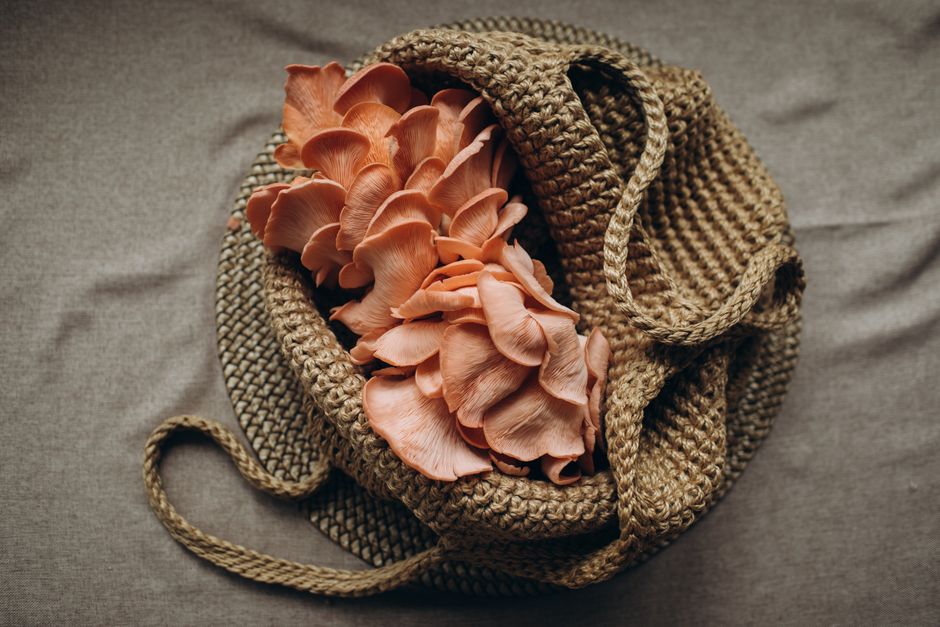
Master the methods behind successful mushroom growing — from DIY fruiting chambers to grain spawn preparation and substrate pasteurization.
🏠 Fruiting Chambers
Monotubs, Martha tents, and shotgun fruiting chambers — how to build each type, when to use it, and how to maintain humidity and FAE for consistent fruiting.
🌾 Spawn
Rye, wheat, corn, or popcorn — how to prepare, pressure sterilize, and inoculate grain spawn. The most cost-effective way to scale up cultivation.
🌡️ Substrate Prep
Hot water, lime, and hydrogen peroxide pasteurization methods compared. The no-pressure-cooker route to contamination-resistant oyster mushroom substrate.
💧 Fruiting
Temperature ranges, humidity targets, light requirements, and fresh air exchange rates for reliable pinning across the most popular cultivated species.
🔬 Contamination
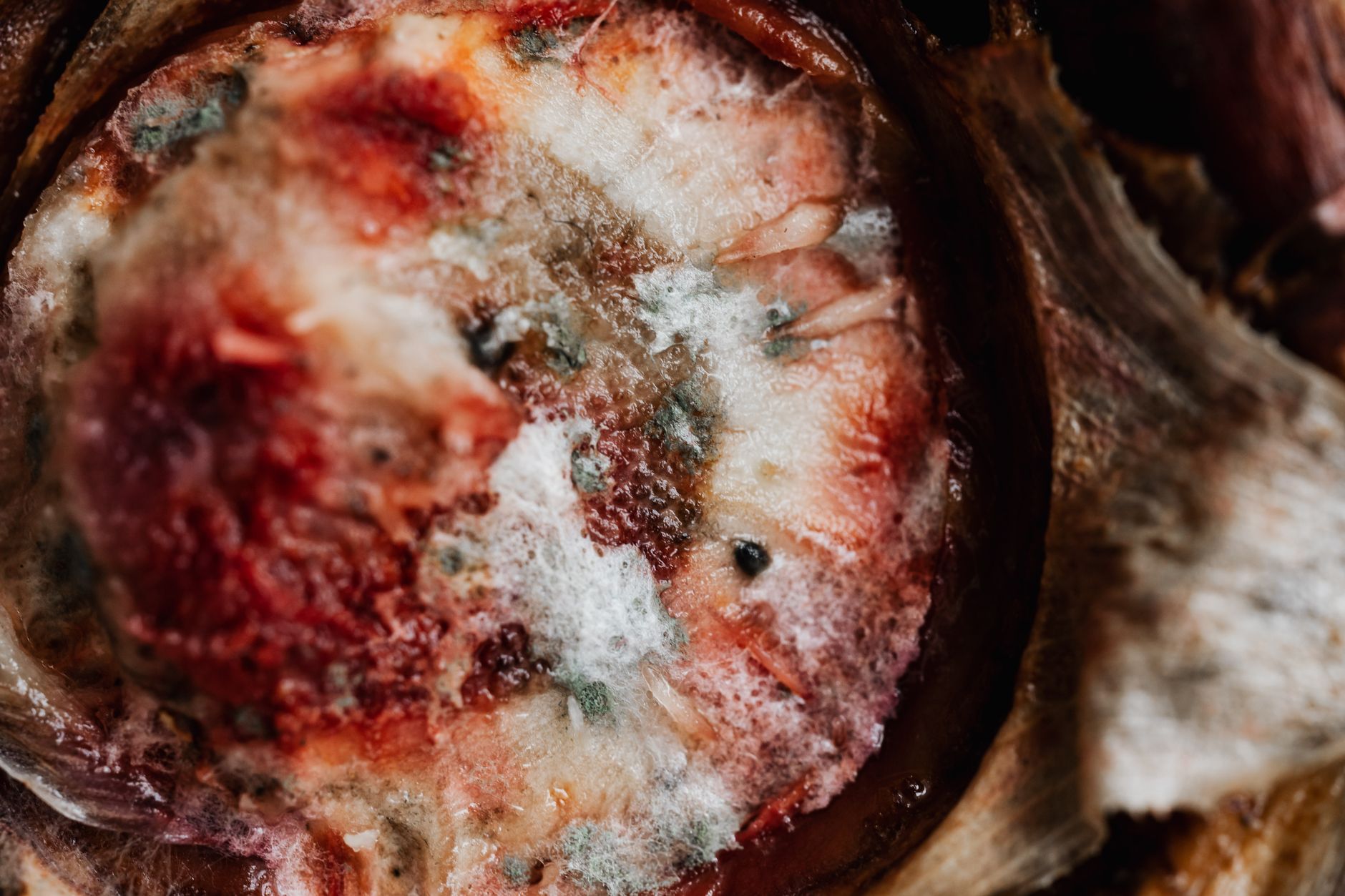
Identify Trichoderma, Aspergillus, bacterial wetrot, and Neurospora on sight. Learn when to toss a block, when to salvage, and how to prevent future contamination.
🌱 Substrate
Straw, hardwood sawdust, Master's Mix, coco coir — which substrate for which species, with preparation instructions and yield comparisons.
🦪 Oyster
The complete beginner technique walkthrough using oyster mushrooms — the most forgiving species to learn on. From inoculation to harvest.
🦁 Lion's Mane
Specialized technique for Lion's Mane — high humidity, indirect light, and low CO2 requirements that differ from standard oyster cultivation.
🍄 Shiitake
Log and sawdust block techniques for shiitake. Includes cold shocking method to trigger pinning and multi-flush management for extended harvests.
🟥 Reishi
Long-term cultivation technique for reishi — a slow-growing medicinal species that requires high CO2 for antler formation and precise fruiting triggers.
Pasteurization heats substrate to 160–180°F for 1–2 hours, killing most competing organisms but leaving beneficial bacteria alive. It works for straw, coco coir, and other low-nutrient substrates. Sterilization uses a pressure cooker at 15 PSI for 2.5–3 hours to kill everything — including heat-resistant endospores. It's required for grain spawn and supplemented hardwood substrates that would otherwise be rapidly colonized by competitor molds.
A SAB is a clear plastic tote (66–110 quart) with two arm-hole openings cut near the bottom front. Spray the inside with isopropyl alcohol, let it settle for a few minutes so air becomes still, then work inside with gloved hands. Particles settle quickly without airflow — dramatically reducing contamination risk during inoculation without the cost of a laminar flow hood.
During colonization, restrict FAE — mycelium benefits from elevated CO2. Once you see full colonization or early pinning, introduce regular FAE: crack the lid, fan the chamber, or activate an automated controller 2–3 times per day. Inadequate FAE is the #1 cause of long, leggy, underdeveloped pins and aborted fruiting bodies.
Oyster mushrooms on straw: 3–5 flushes, decreasing in yield each time. Shiitake blocks: 4–6 flushes over 6–12 months with periodic cold shocking and rehydration between flushes. Lion's mane: 2–4 flushes. Reishi: typically 1–2 full fruiting cycles. After the block is spent, many growers use it as a garden amendment or compost input.