Quick Answer
Pasteurize straw by submerging it in 160–180°F water for 1–1.5 hours, then cooling before inoculating with oyster mushroom spawn. Alternatively, the cold lime method (pH 12 water, 12–18 hours soak) achieves similar results without heating. Straw is the go-to substrate for oyster mushrooms — pasteurization removes competing bacteria without sterilizing.
Straw pasteurization is the first major skill in mushroom cultivation. Get it right and your oyster mushrooms colonize fast and clean. Get it wrong — too hot, too wet, or inoculate while still warm — and you get a bag full of green mold within a week. The good news is it's a very learnable skill, and both methods here are reliable once you understand the principles.
Why Do You Need to Pasteurize Straw?
Straw is full of competing bacteria, fungal spores, and other microorganisms that want to eat the same material as your mushroom mycelium. Pasteurization creates a temporary window of reduced competition — killing the most aggressive competitors while leaving some heat-resistant organisms alive, including certain bacteria that are actually beneficial to mycelium development. Unlike sterilization (which kills everything), pasteurization is appropriate for oyster mushrooms because they colonize aggressively and can outcompete surviving organisms when given a head start with high spawn rates.
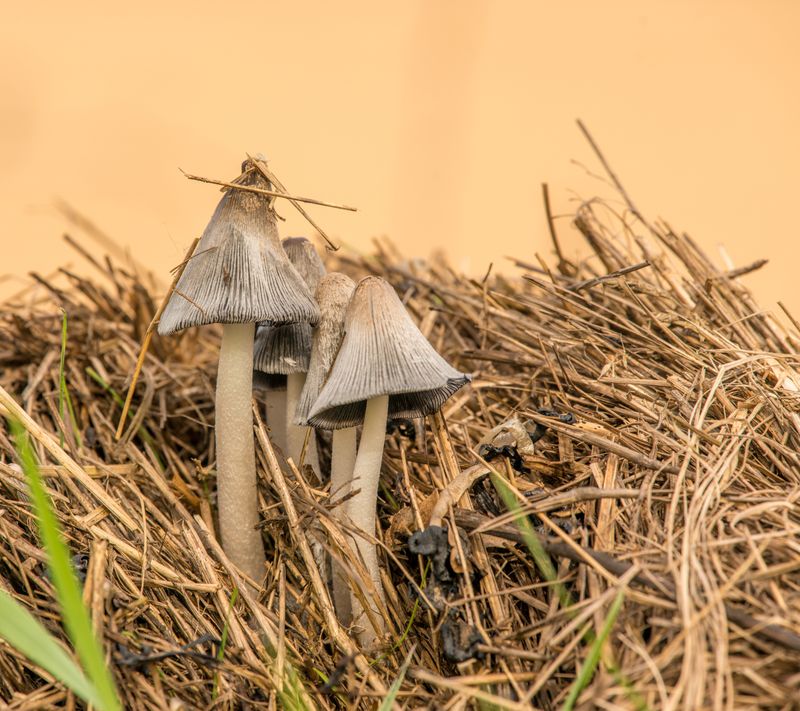
What Type of Straw Should You Use?
- Wheat straw: Best overall — widely available, affordable ($8–12/bale), great nutrient profile for oysters
- Rice straw: Excellent choice, slightly lower nitrogen, very commonly used in Asia
- Barley straw: Works well, similar to wheat straw
Avoid hay (too high in nitrogen — creates ideal conditions for bacterial contamination), straw with visible mold or black spots, treated straw, and softwood shavings (pine, cedar contain inhibitory compounds).
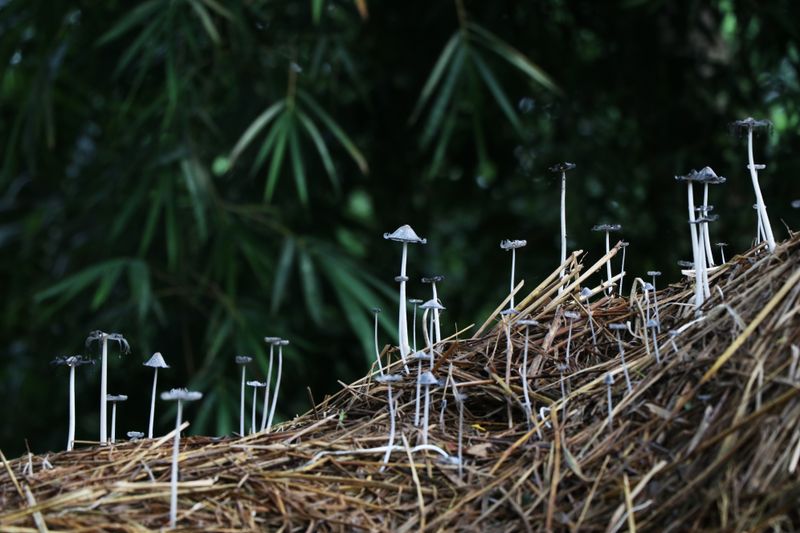
Method 1: Hot Water Pasteurization (Most Reliable)
Equipment needed: Large pot or turkey fryer, probe thermometer ($15–20), large tub for soaking, mesh bags, scale
Step 1: Chop the Straw
Chop straw into 3–6 inch pieces. Long straw is harder to pack into bags and colonizes unevenly — shorter pieces pack more densely and allow better mycelium spread. A weed wacker in a trash can, garden shears, or a commercial chipper work well.
Step 2: Heat the Water and Submerge Straw
Heat a large volume of water to 160–180°F in a turkey fryer ($40–60). Add chopped straw to the water, pressing down to ensure full submersion. Keep a pot lid or weight to hold the straw under the water surface. Maintain 160–180°F for 1–1.5 hours. Check temperature every 15–20 minutes and adjust heat as needed.
Step 3: Drain and Cool
Remove straw and spread on a clean surface or in a colander. Let drain and cool to below 80°F before inoculating — this is critical. Hot straw will kill your spawn. Squeeze a handful — it should hold together and release 1–2 drops of water but not stream freely. Too wet = contamination. Too dry = slow colonization.
Step 4: Inoculate
In a clean area (wiped down with 70% isopropyl alcohol), mix grain spawn through the cooled straw at a rate of 10–20% spawn to dry straw weight. Layer into grow bags or buckets, alternating layers of straw and spawn. Seal bags loosely to allow some gas exchange, or use bags with filter patches.
Method 2: Cold Water Lime Pasteurization (No Heat Required)
Cold water lime pasteurization (CWLP) is excellent for large volumes or if you don't have equipment for hot water pasteurization. The extremely high pH (12+) kills bacteria without any heat.
What You Need
- Hydrated lime (calcium hydroxide / pickling lime) — $8–15 per 5 lb bag
- pH strips or digital pH meter ($15–20)
- Large bucket or tub, enough to fully submerge straw
- Heavy object to weigh down the straw
CWLP Process
- Mix 1 cup of hydrated lime per 5 gallons of water. Stir until dissolved.
- Test pH — target is 12 or above. Add more lime if needed.
- Add chopped straw to the lime water and submerge completely using a weight.
- Soak for 12–18 hours at room temperature. Do not heat.
- Drain straw in a colander. Rinse briefly with fresh water to lower pH slightly (target final pH 7–8.5).
- Squeeze to correct moisture level and inoculate.
CWLP works best in warm weather (above 65°F) and produces excellent results for oyster mushrooms. See our full guide on mushroom substrates for related techniques. The lime kills competing bacteria while leaving a slightly alkaline environment that oyster mycelium actually prefers.
What Containers Should You Use?
- Oyster mushroom grow bags (filter patch polypropylene bags, $20–30 for 50 bags) — best for clean grows, easy to monitor
- 5-gallon buckets with 1/2" holes drilled every 3–4 inches around the sides — popular DIY option, reusable, mushrooms fruit out the holes
- Plastic log bags (clear poly tubes, $15–25 for 50) — create cylindrical "logs" of straw that fruit around the entire surface
Recommended Products
Frequently Asked Questions
What temperature do you pasteurize straw for mushrooms?
Pasteurize straw for mushrooms at 160–180°F (71–82°C) for 1–1.5 hours. This temperature range kills most competing bacteria and mold spores while preserving beneficial microbial diversity. Temperatures above 185°F begin sterilizing the straw, which can worsen results by eliminating organisms that help mycelium outcompete remaining competitors.
What kind of straw is best for growing mushrooms?
Wheat straw and rice straw are the best substrates for oyster mushrooms. Avoid hay (too high in nitrogen, invites bacterial contamination), straw with visible mold, and treated straw. Barley straw also works well. Straw from farm supply stores sold for animal bedding is typically the right type at $8–12 per bale.
Can you pasteurize straw with lime instead of heat?
Yes — cold water lime pasteurization is a popular no-heat method. Mix hydrated lime with water to a pH of 12, submerge chopped straw for 12–18 hours at room temperature, then drain and squeeze to correct moisture. The high pH kills most competing bacteria without heat. This method works well and requires no equipment beyond a bucket.
Why is my pasteurized straw getting contaminated?
The most common causes of contamination in pasteurized straw are: substrate that's too wet, inoculating before the straw has cooled below 80°F, contaminated spawn, or an unclean working area. Also check that your pasteurization temperature actually reached 160°F — a probe thermometer is the only reliable way to confirm.
How much spawn do I need to inoculate straw?
Use 10–20% spawn by weight relative to dry straw weight. For 1 lb of dry straw, use 4–6 oz of grain spawn. Higher spawn rates (20%+) lead to faster colonization and lower contamination risk. Don't go below 10% or colonization will be slow and patchy.
Get weekly guides from GrowMushrooms
No spam. Unsubscribe anytime.