Quick Answer
Grow shiitake mushrooms indoors on supplemented hardwood sawdust blocks — colonize in darkness for 8–16 weeks, then cold shock and fruit at 85–95% humidity. On outdoor logs, expect 6–12 months to first flush but longer-lasting production. Pre-inoculated grow kits (Northspore WR46 block ~$25–35) are the easiest start.
Shiitake mushrooms are the best-selling cultivated mushroom in the world after the button mushroom — and for good reason. They're meaty, deeply flavorful with umami richness, and loaded with beta-glucans and other bioactive compounds. They also happen to be one of the most satisfying mushrooms to grow at home, especially on oak logs where a single inoculated log will produce multiple flushes per year for 3–6 years. Here's how to do it right.
What Do Shiitake Mushrooms Need to Grow?
Shiitake (Lentinula edodes) are wood-decomposing fungi native to East Asia. They grow naturally on dead or dying hardwood trees, particularly oak. Understanding their natural environment guides every cultivation decision:
- Substrate: Hardwood — oak, maple, beech, alder. Avoid softwood and straw (too low in lignin).
- Colonization temperature: 60–75°F (15–24°C)
- Fruiting temperature: 50–70°F for most strains; warm-weather strains fruit at 60–80°F
- Humidity during fruiting: 85–95%
- Fresh air exchange: Moderate; shiitake need CO2 below ~1,000 ppm for proper cap development
- Light: Indirect; 12 hours of diffused light per day helps cap development
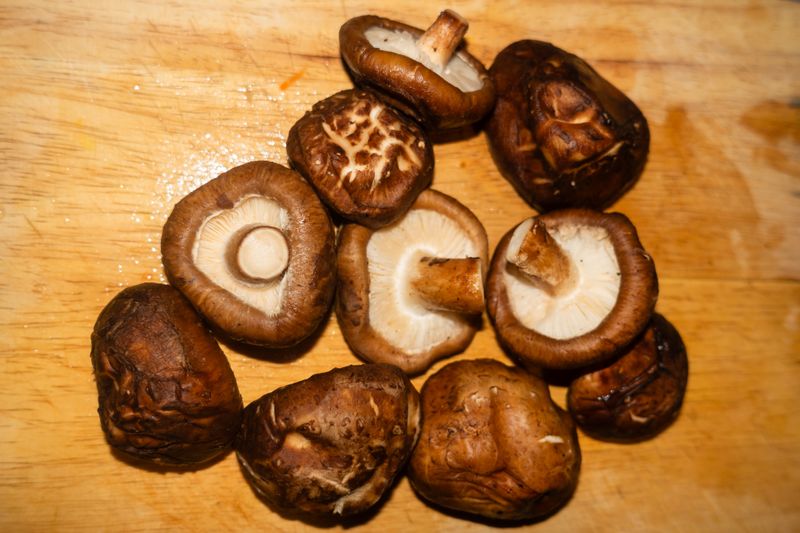
Method 1: Growing Shiitake on Oak Logs (Traditional Outdoor Method)
Log cultivation is the most traditional method and produces the best-tasting, most naturally flavorful shiitake. It's slower to start but the logs produce for years with minimal inputs. Pre-inoculated log kits are available if you want to skip the inoculation step.
What You Need for Log Cultivation
- Fresh oak logs, 3–6 inches diameter, 3–4 feet long ($10–20/log from timber suppliers or cut your own)
- Shiitake plug spawn or sawdust spawn (Northspore, Fungi Perfecti, Field & Forest Products) — $15–25 per 100 plugs
- Electric drill with 5/16" or 12mm bit
- Cheese wax or beeswax for sealing holes
Log Inoculation Step-by-Step
- Cut logs in late winter/early spring when the tree's energy is in the wood. Use freshly cut oak within 1–4 weeks of cutting.
- Drill holes in a diamond pattern — rows 6 inches apart, holes 4–6 inches apart within each row, staggered.
- Pound plug spawn into each hole using a rubber mallet. The plug should sit flush with the bark surface.
- Seal each hole with wax — melt wax and apply with a natural bristle brush over each plug. This prevents the spawn from drying out.
- Stack logs in a shady location (75% shade), stacked log-cabin style to allow airflow.
- Water logs during dry periods — if they feel very light, soak them in water for 12–24 hours.
- Wait 6–12 months for full colonization before the first flush.
Triggering and Harvesting from Logs
To trigger fruiting, "shock" the log: soak in cold water (50–60°F) for 12–24 hours or leave outside overnight during cool fall weather. After shocking, pin sets should appear within 7–10 days. Harvest when caps reach 50–75% open — before the veil underneath fully tears. Twist and pull, or use a sharp knife at the base. Logs produce 1–3 fruiting cycles per year and continue producing for 3–6 years.
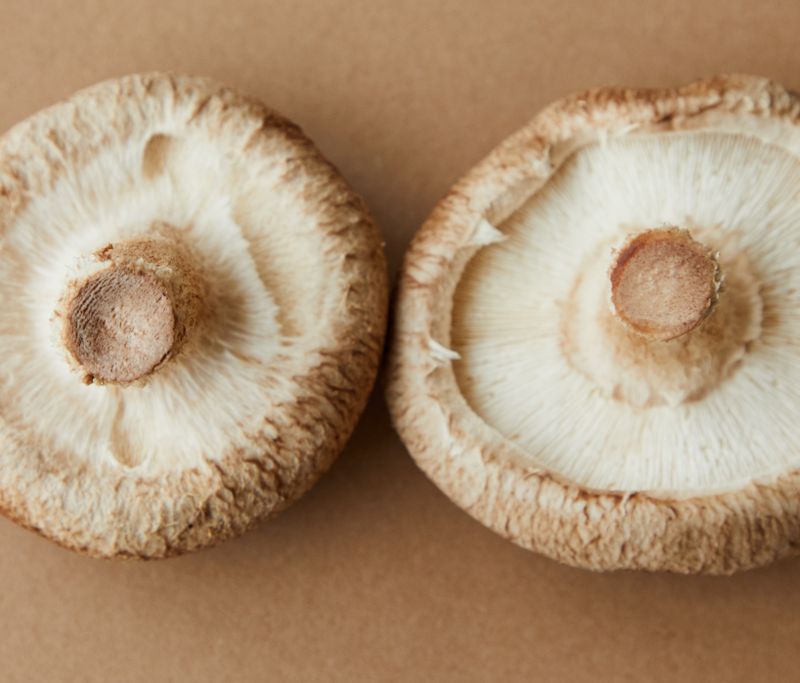
Method 2: Indoor Sawdust Block Cultivation (Faster Indoor Method)
For year-round indoor production, supplemented hardwood sawdust blocks are the go-to method. This is what commercial growers use, scaled down for home use.
Substrate Recipe for Shiitake Blocks
- 5 lbs hardwood fuel pellets (HWFP) — $8–12 per 40 lb bag at hardware stores
- 2.5–3 lbs water (rehydrate pellets until they break down into sawdust)
- 0.5–0.75 lbs wheat bran or oat bran (10–15% of dry weight) for supplementation
- Optional: 2–3% gypsum by dry weight for structure
Mix thoroughly, target 60–65% field capacity (substrate holds together when squeezed but doesn't drip). Pack into polypropylene mushroom grow bags with a filter patch for gas exchange.
Sterilization
Supplemented hardwood substrate must be sterilized (not just pasteurized). Sterilize at 250°F (15 PSI) in a pressure cooker for 2.5–3 hours. A 23-quart All American pressure cooker ($200–250) handles 4–6 blocks per run. Let cool to room temperature (below 75°F) before inoculating. See our guide on choosing the best mushroom substrate for shiitake and other species.
Inoculation and Colonization
In a still air box, inject 15–20 cc of liquid culture or mix in 10–15% by weight grain spawn. Seal bags. Popular shiitake strains: WR46 (warm-weather, no cold shock needed), 3782 (classic cool-fruiting strain). Store inoculated blocks at 65–75°F in darkness for 8–16 weeks. The block is fully colonized when uniformly white and develops brown spots (normal browning indicates maturity). Cold shock at 45–55°F for 12–24 hours, then move to fruiting conditions: 85–95% humidity, 60–70°F, fresh air exchange. Pins appear in 5–10 days.
Harvesting and Storing Shiitake
Harvest when caps are 50–80% open and the veil is still partially intact. Twist at the base to remove cleanly. Fresh shiitake stores for 5–7 days in the refrigerator in a paper bag (not plastic). Dried shiitake last 1–2 years and are actually more flavorful than fresh for cooking soups and braises. USDA mushroom grading standards can help you understand commercial quality benchmarks.
Recommended Products
Frequently Asked Questions
How long does it take to grow shiitake mushrooms at home?
From inoculating a log, shiitake takes 6–12 months before the first flush. On supplemented sawdust blocks, expect 12–16 weeks from substrate preparation to first harvest. Once established, both methods produce multiple flushes over months or years.
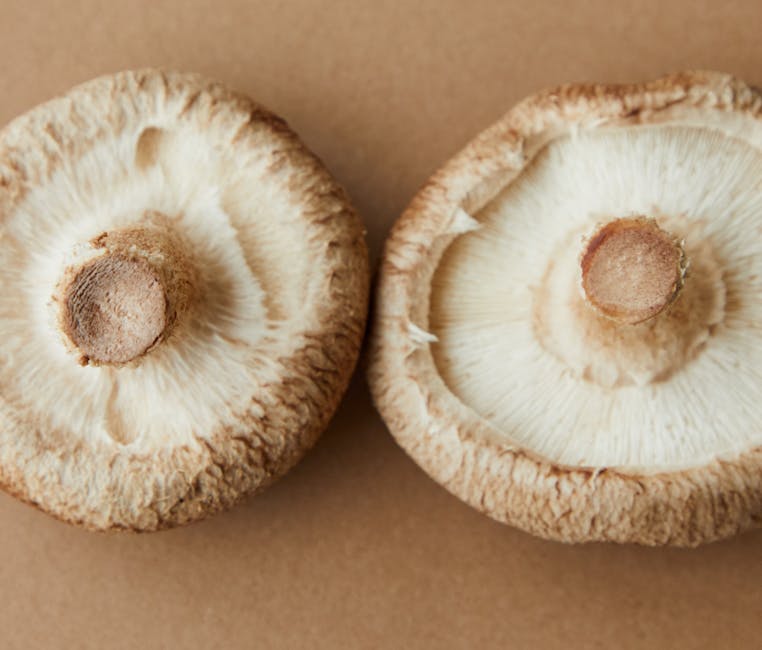
What substrate do shiitake mushrooms grow on?
Shiitake mushrooms grow best on hardwood — naturally on oak logs, or indoors on hardwood sawdust blocks supplemented with wheat bran or oat bran (10–20% by dry weight). They do not grow well on straw or softwood. The most popular indoor substrate is rehydrated hardwood fuel pellets mixed with wheat bran.
Can you grow shiitake mushrooms indoors?
Yes — shiitake mushrooms grow well indoors on supplemented hardwood sawdust blocks. Indoor cultivation requires a colonization phase in the dark (60–75°F, 8–16 weeks), followed by fruiting conditions with high humidity (85–95%), fresh air exchange, and indirect light. A Martha tent setup with a humidifier works well for home growing.
Do shiitake mushrooms need cold shocking to fruit?
Yes — most shiitake strains benefit from a cold shock (cold water soak or cold air exposure at 45–55°F for 12–24 hours) to trigger fruiting. Some warm-weather strains like WR46 fruit without cold shocking, but most standard strains respond better with it.
How many times can a shiitake block fruit?
A well-made shiitake sawdust block typically produces 2–4 flushes before the substrate is exhausted. The first flush is usually the largest. Between flushes, rest the block for 2–4 weeks. Total yield over all flushes is typically 0.5–1 lb of mushrooms per pound of dry substrate.
Get weekly guides from GrowMushrooms
No spam. Unsubscribe anytime.