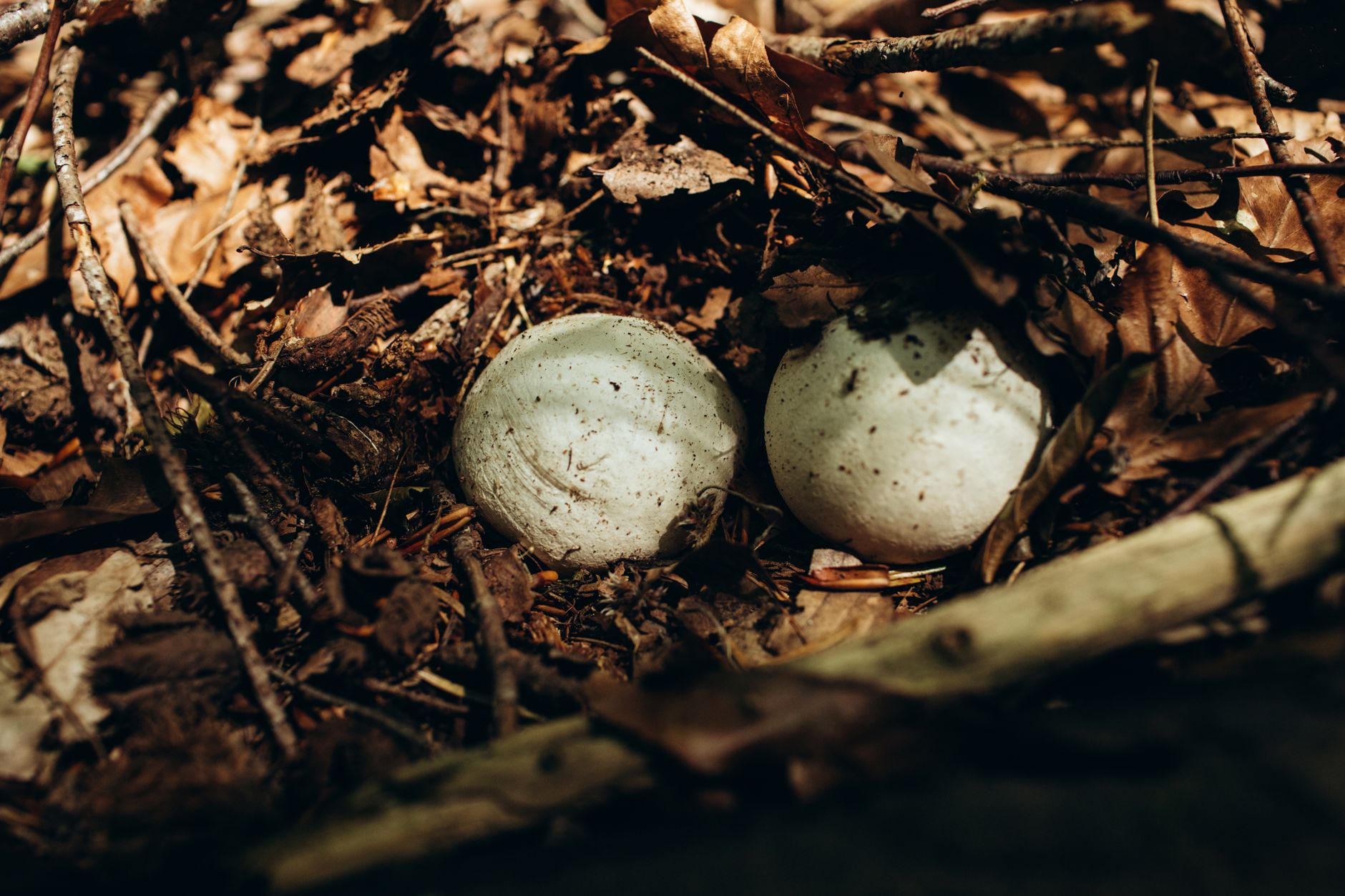
Giant puffball mushrooms (Calvatia gigantea) look like white soccer balls in a lawn or pasture. Many foragers dream of growing them at home. The reality is more complicated. This species does not behave like oyster mushrooms or shiitakes. It rarely fruits on sawdust blocks or in standard indoor chambers. That does not mean you cannot try. You need a different plan. Outdoor beds with compost-rich soil give you the best chance.
Home cultivation of giant puffball remains experimental. University extension guides often list it as difficult or not recommended for commercial production. The North American Mycological Association stresses that puffballs need careful identification. Still, growers have reported success with outdoor beds. They treat the bed like a giant, buried spawn bag. You need patience and good records.
Before you start, understand what giant puffball needs. It is a saprobic fungus that decomposes dead grass roots, leaf litter, and compost. This is why it often appears in well-fed lawns and old pastures. You can mimic that habitat at home. The process is less like indoor mushroom growing and more like building a living compost pile. For general substrate knowledge, see the best mushroom substrate guide.
This guide walks you through the full process. You will prepare a rich bed, add spawn, and manage moisture. You will also learn how to harvest safely. The steps require basic gardening tools and a little space. Expect to wait several weeks before seeing results. If you have grown other mushrooms indoors, adjust your expectations. Giant puffball is a different kind of project.
What You’ll Need
- Compost thermometer
- Soil pH meter
- Garden sprayer
- Wheelbarrow or tarp
- Pasteurized straw
- Composted manure
- Giant puffball spawn
How Do You Grow Giant Puffball at Home?
- Understand Giant Puffball Biology and Set Expectations
Giant puffball is a saprobic fungus. It decomposes dead grass roots, leaf litter, and compost. In the wild it often appears in well-fed lawns, old pastures, and along field edges. Unlike many cultivated mushrooms, it does not grow on logs. It also does not produce clusters on straw blocks. This shapes every other step. You will not force this species to fruit inside a small bin.
Home cultivation remains experimental. University extension guides list it as difficult or not recommended for commercial production. The North American Mycological Association provides identification and safety guidance. Still, growers have reported success with outdoor beds. They treat the bed like a giant, buried spawn bag. You need patience and good records.
Set a realistic timeline. Spawn run in the substrate usually takes 3 to 6 weeks under good conditions. Fruiting may require a seasonal trigger. A cool, moist autumn often helps. If you expect fast indoor flushes, you will be disappointed. Plan for a lawn or garden bed instead.
- Choose an Outdoor Site or Build a Raised Bed
Giant puffball prefers grassy, open locations with partial shade. Full sun can dry the bed. Deep shade may keep the soil too cool. Look for a spot with dappled light or morning sun and afternoon shade. Avoid areas treated with lawn fungicides or weed killers. Puffball mycelium is sensitive to many chemicals.
Build a raised bed if your native soil drains poorly. Use untreated lumber, bricks, or landscape fabric. A bed 12 to 18 inches deep works well. A deep bed holds moisture and gives the mycelium room to roam. For in-ground planting, loosen the soil to at least 10 inches. Remove turf and large roots.
You can also line the base with cardboard to suppress weeds. Wet the cardboard before adding substrate. Use a compost thermometer later to monitor the bed. For more substrate options, see the best mushroom substrate guide. That tool helps you keep the mix in the right temperature range.
- Prepare a Nutrient-Rich Substrate Mix
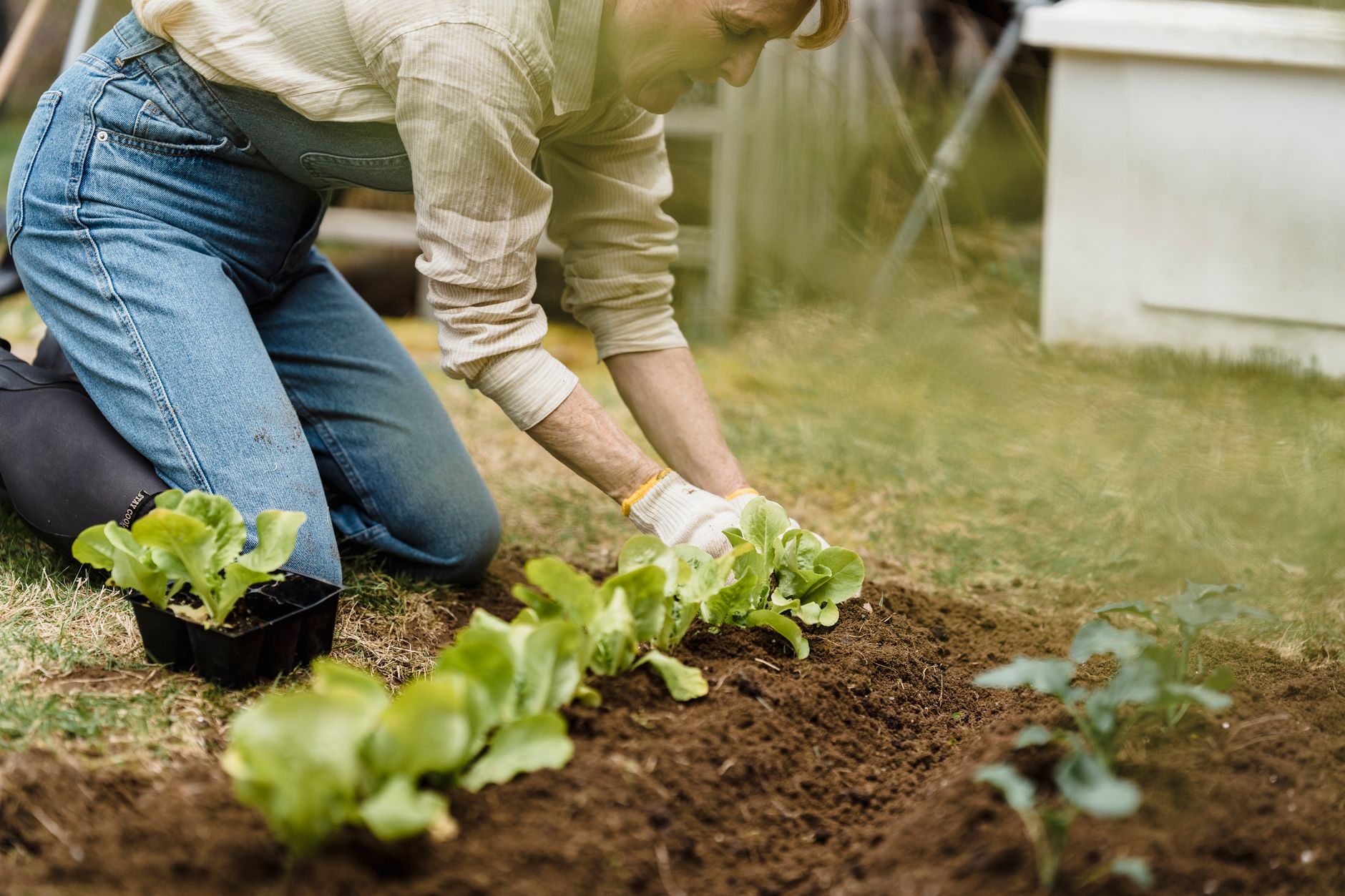
Giant puffball needs a compost-heavy substrate. A reliable starting mix is 40 percent composted manure, 40 percent chopped straw, 10 percent garden soil, and 10 percent vermiculite or perlite. You can adjust the ratio slightly. Do not use fresh manure. Fresh manure can overheat and introduce harmful bacteria. Composted manure is safe and easier for the mycelium to digest.
Pasteurize the straw before mixing. You can use the method in how to pasteurize straw for mushrooms. Pasteurization reduces competitor molds without killing beneficial microbes. Aim for a substrate pH between 6.0 and 7.0. A simple soil pH test will tell you if you need lime. Use a soil pH meter if you want quick readings.
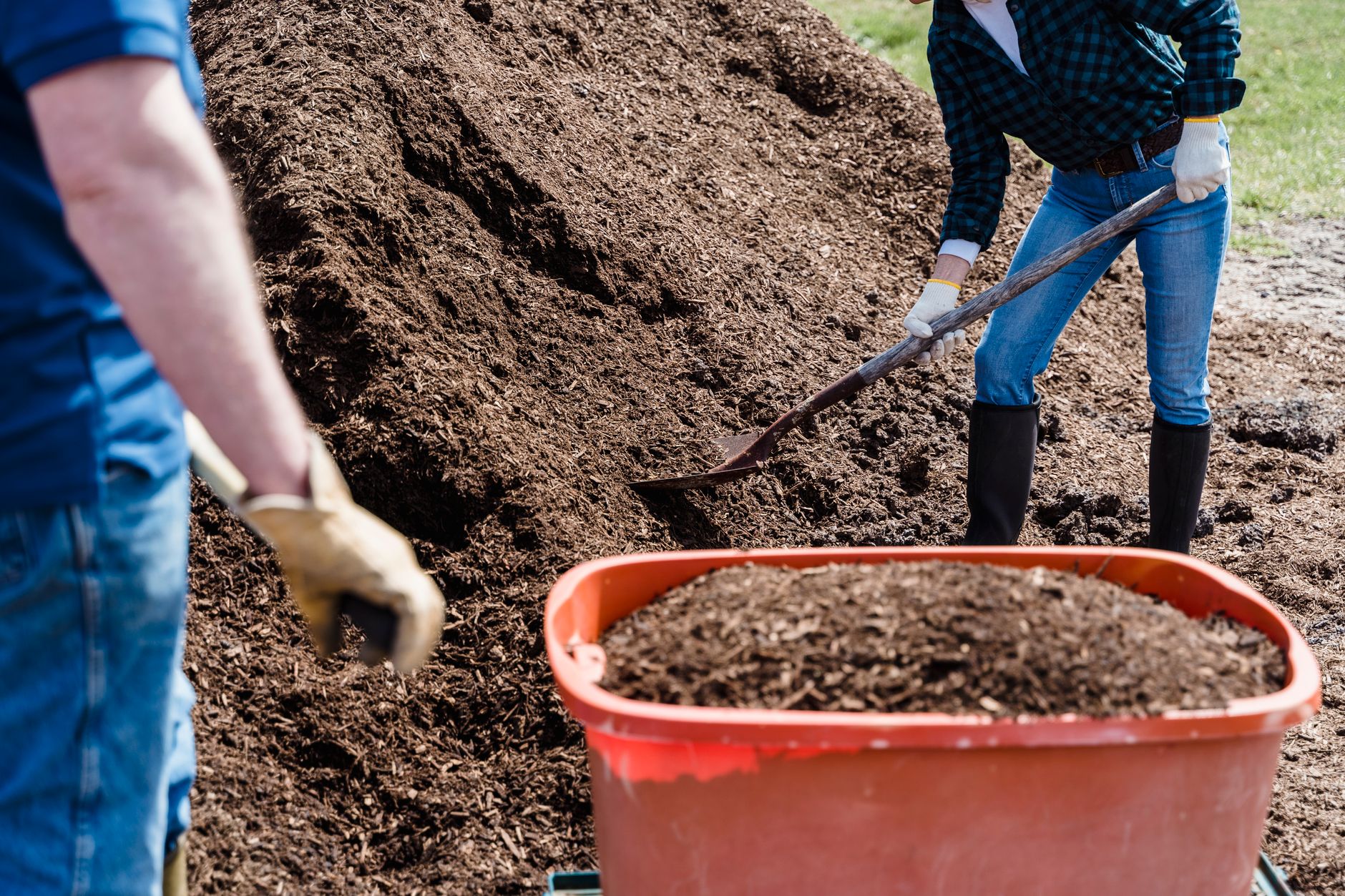
Mix the ingredients on a tarp or in a wheelbarrow. Add water until the material holds together when squeezed. A few drops should come out. Too much water suffocates the mycelium. Too little slows colonization. Let the mixed substrate rest for 24 hours before adding spawn. This lets moisture distribute evenly.
- Source and Add Giant Puffball Spawn
Buy giant puffball spawn from a specialty supplier. Look for sawdust or grain spawn labeled Calvatia gigantea. Do not use spores collected from a wild puffball unless you have a sterile lab. Wild spores often carry contaminants. A reliable supplier may also offer grain spawn if you want to expand your own.
Break up the spawn into small pieces. Spread it evenly across the substrate surface. Use about one pound of spawn per 5 square feet of bed. Then mix it into the top 4 to 6 inches. Some growers prefer a layered approach. They alternate substrate and spawn like lasagna. Both methods work. The key is good contact between spawn and substrate.
After adding spawn, cover the bed with a 1 to 2 inch casing layer. Use pasteurized peat moss, coir, or screened compost. This layer holds moisture and protects the mycelium. Lightly water the bed after casing. Do not pack the casing down. The mycelium needs small air pockets to breathe.
- Maintain Soil Moisture and Fruiting Conditions
Moisture matters more than anything else after spawning. Keep the bed damp but not soggy. Check the top 2 inches daily. If it feels dry, mist with a garden sprayer. A drip irrigation line on a timer works well for larger beds. Target soil moisture around 25 to 30 percent by volume. Too much water invites bacteria and rot.
Air temperature and humidity also matter. For spawn run, keep soil temperature between 60°F and 75°F. Use a compost thermometer to check at 4 inches deep. For fruiting, surface humidity should stay around 85 to 90 percent. You can maintain this with a light mulch layer or a low hoop house. Review the mushroom fruiting conditions guide for more detail.
Expect colonization to take 3 to 6 weeks. You may see white threads on the surface. That is the mycelium knitting the substrate together. Do not disturb the bed during this phase. If the bed dries out, water lightly. If it gets slimy or smells sour, you overwatered. Pull back the mulch and let air in.
- Monitor for Contamination and Competing Fungi
Outdoor beds are not sterile. You will see other molds, bacteria, and mushrooms. Some are harmless. Others will compete with your puffball mycelium. Learn to spot the difference. Green, black, or orange patches often mean contamination. A healthy puffball mycelium is white and rope-like. It should not smell strong or sour.
Read the mushroom contamination identification guide to identify common problems. If you see a small contaminated spot, remove it with a clean trowel. Discard the material away from the bed. Do not use chemical fungicides. They will kill the puffball mycelium too. Instead, adjust moisture and air flow.
Competing puffball look-alikes can fruit in your bed. Never eat anything from the bed unless you are certain. Some toxic mushrooms, like Scleroderma earthballs, look similar when young. The North American Mycological Association provides identification resources. When in doubt, cut the ball in half. A true giant puffball is pure white inside with no gill outline.
- Harvest at the Right Time
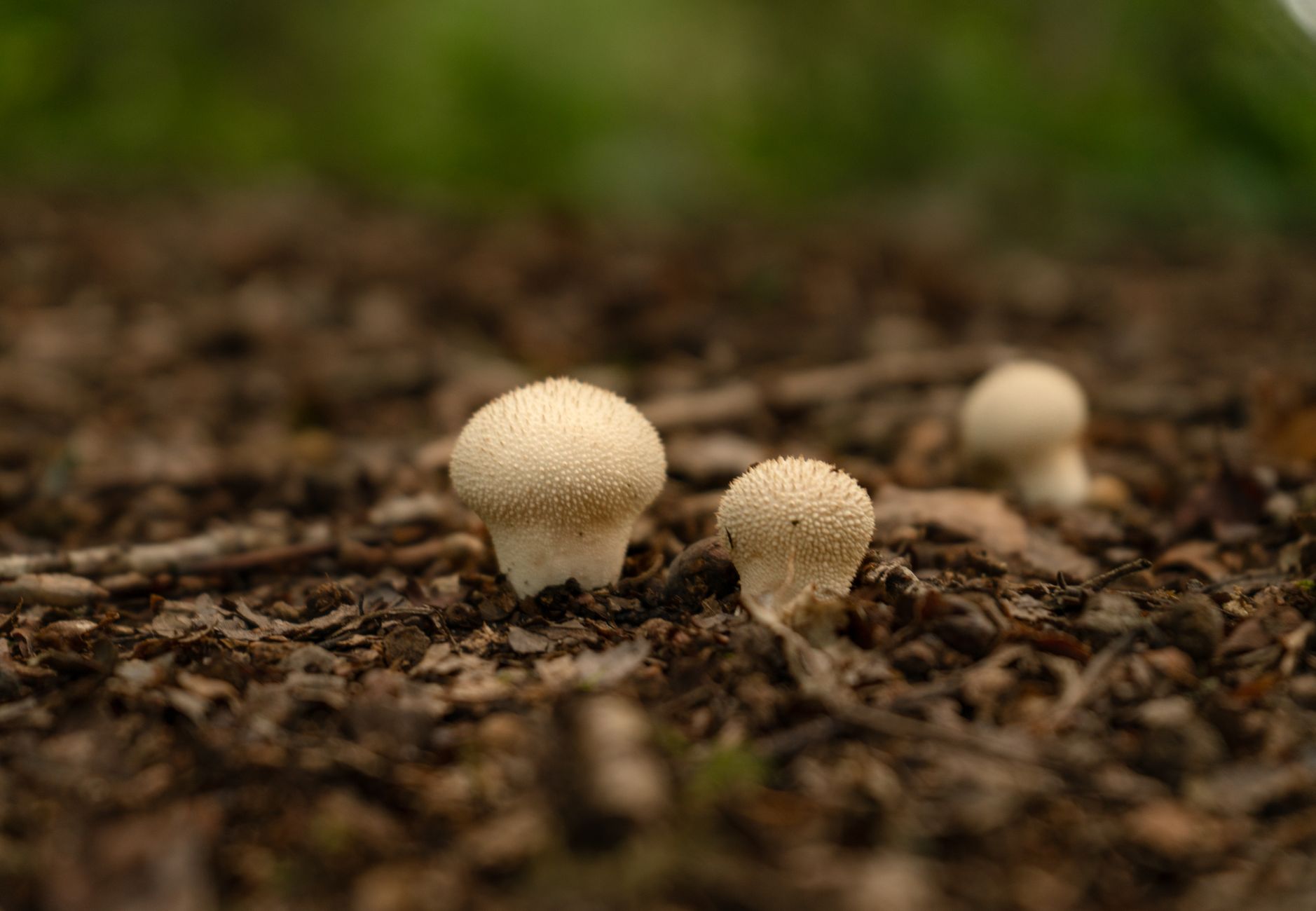
Giant puffballs appear suddenly after cool, moist weather. They can double in size within a day. Harvest when the fruitbody is firm and white throughout. Slice one small test ball. If the interior is still pure white with no yellowing, it is ready. Once the interior turns yellow or brown, the spores are maturing. The texture becomes spongy and bitter.
Cut the puffball at the base with a clean knife. Leave a small stub in the soil. This can support future flushes. Handle the fruitbody gently. They bruise easily. A single giant puffball can weigh several pounds. Some reach 10 pounds or more. Use a clean basket or cloth bag to carry them.
Do not pull the puffball from the ground. Pulling can tear the mycelial network. A sharp, sanitized knife makes a clean cut. Sanitize tools with rubbing alcohol between harvests. This reduces the chance of introducing bacteria into the bed. Harvest early in the day when temperatures are cool. That keeps the mushroom firm.
- Store and Use Your Giant Puffballs Safely
Giant puffballs are best eaten within 24 hours. Store them in a paper bag in the refrigerator. Plastic traps moisture and speeds decay. If you cannot eat them quickly, cook and freeze slices. You can also dehydrate thin slices at 115°F to 125°F. Dried puffball rehydrates well in soups and scrambles.
Only eat mushrooms you can identify with certainty. Cut every puffball in half before cooking. The inside must be uniformly white and marshmallow-like. Any sign of gills, a cap shape, or dark interior means it is not a giant puffball. This rule protects you from deadly Amanita eggs. Use the North American Mycological Association and Penn State Extension resources for confirmation.
For home cultivation, this rule applies to your own bed too. Never assume a mushroom is safe because it grew where you planted. Cross-contamination can happen. If the mushroom has a thick rind or dark interior, discard it. For troubleshooting odd fungi in your bed, see why your mushroom grow kit has contamination.
Red Flags & Warnings
- 🚨 Never eat any wild or home-grown puffball unless an expert confirms identification. Amanita eggs can look identical.
- 🚨 Do not use fresh manure in your substrate. It can overheat and carry pathogens.
- 🚨 Avoid chemical fertilizers, weed killers, and fungicides near the bed. Puffball mycelium is sensitive.
- 🚨 Overwatering is a common mistake. Sour smells, slimy patches, and standing water mean you need better drainage.
- 🚨 Watch for look-alikes like Scleroderma earthballs. They have tough rinds and dark interiors.
- 🚨 Do not harvest puffballs with yellow, brown, or mushy interiors. They cause digestive upset.
Frequently Asked Questions
Can I grow giant puffball mushrooms indoors on sawdust blocks?
It is very difficult. Giant puffball prefers soil and grass roots. Indoor sawdust blocks rarely produce fruitbodies. An outdoor compost bed gives you a better chance.
How long does giant puffball spawn take to colonize?
In an outdoor bed, spawn run usually takes 3 to 6 weeks. Cooler soil or dry conditions slow it down. You may see white mycelium on the surface.
What temperature and humidity does giant puffball need?
Keep soil between 60°F and 75°F during spawn run. For fruiting, maintain surface humidity around 85 to 90 percent. A light mulch or hoop house helps.
Is giant puffball safe to eat?
Yes, if positively identified. The inside must be pure white and solid. Never eat any mushroom with a cap shape, gills, or dark interior. Consult NAMA or an expert.
Why did my giant puffball bed grow other mushrooms?
Outdoor beds are not sterile. Competing fungi can colonize the substrate. Remove contaminants and adjust moisture. Do not eat unknown mushrooms.
Can I use wild giant puffball spores instead of spawn?
It is possible but risky. Wild spores often carry contaminants. Using lab-grown spawn from a supplier is more reliable.
What Should You Remember?
- Outdoor bed method: Giant puffball grows best in a compost-rich lawn bed, not indoors.
- Substrate recipe: Use 40% composted manure, 40% straw, 10% garden soil, and 10% vermiculite.
- Temperature range: Keep soil between 60°F and 75°F for colonization and early growth.
- Humidity target: Maintain 85 to 90 percent surface humidity for fruiting.
- Colonization time: Expect 3 to 6 weeks before white mycelium appears.
- Identification safety: Always cut puffballs in half and confirm pure white interior.
- Moisture control: Water lightly and avoid soggy, sour-smelling beds.
This article is for general information only. Mushroom identification and consumption carry health and safety risks , never eat a wild mushroom unless positively identified by an expert, and follow sterile technique and food-safety guidance for home grows.