Yellowfoot chanterelle, Craterellus tubaeformis, is a wild mushroom that many people want to grow at home. It is related to golden chanterelles but has a smaller, darker cap and a hollow yellow stem. The big question is whether you can cultivate it indoors. The honest answer is no. Yellowfoot is mycorrhizal. It must connect to living tree roots. If you have tried oyster or lion’s mane kits, this species is a completely different project. See the chanterelle growing guide for background on this family.
That does not mean you cannot grow yellowfoot at home. You can establish an outdoor patch under the right trees. The goal is to introduce yellowfoot spawn into the root zone and let it naturalize. The North American Mycological Association NAMA reminds foragers that no online guide replaces expert identification. This is especially true for wild mushrooms with lookalikes. Plan your patch as a long term habitat project, not a quick indoor crop.
The two biggest requirements are host trees and soil. Yellowfoot likes acidic, moist, shaded areas under pines, spruce, fir, hemlock, or birch. It may take one to three years before you see mushrooms. You will monitor moisture, pH, and leaf litter through the seasons. You will also need patience. Mycorrhizal fungi grow slowly, but a well-managed patch can fruit for many years. The steps below walk you through site choice, inoculation, and safe harvest.
What You’ll Need
- Yellowfoot sawdust spawn from a reputable supplier
- Soil pH test kit or meter
- Hand rake or trowel
- Rain water or dechlorinated water
- Pine needles or oak leaves
- Shade cloth or natural canopy
- Harvest knife and basket
How Do You Grow Yellowfoot Mushrooms at Home in a Woodland Patch?
- Understand Yellowfoot’s Mycorrhizal Nature and Set Realistic Expectations
Yellowfoot, Craterellus tubaeformis, is a mycorrhizal mushroom. It forms a partnership with living tree roots. The fungus receives sugars from the tree. In return it helps the tree take up water and nutrients. This bond is mandatory for yellowfoot. It cannot be replaced with a sawdust block or straw log.
Indoor methods for oyster, shiitake, or lion’s mane will not work here. Those species are saprotrophic. They decompose wood and straw. Yellowfoot is different. It behaves more like chanterelles or truffles. The yellowfoot chanterelle growing guide covers its wild habits in detail.
Set a realistic timeline before you begin. Some patches show tiny pins after one year. Most take two to three years. Yellowfoot often fruits in cool, wet autumns. You are not forcing an indoor flush. You are naturalizing a wild fungus in your own woodland edge.
- Choose a Suitable Host Tree and Outdoor Site
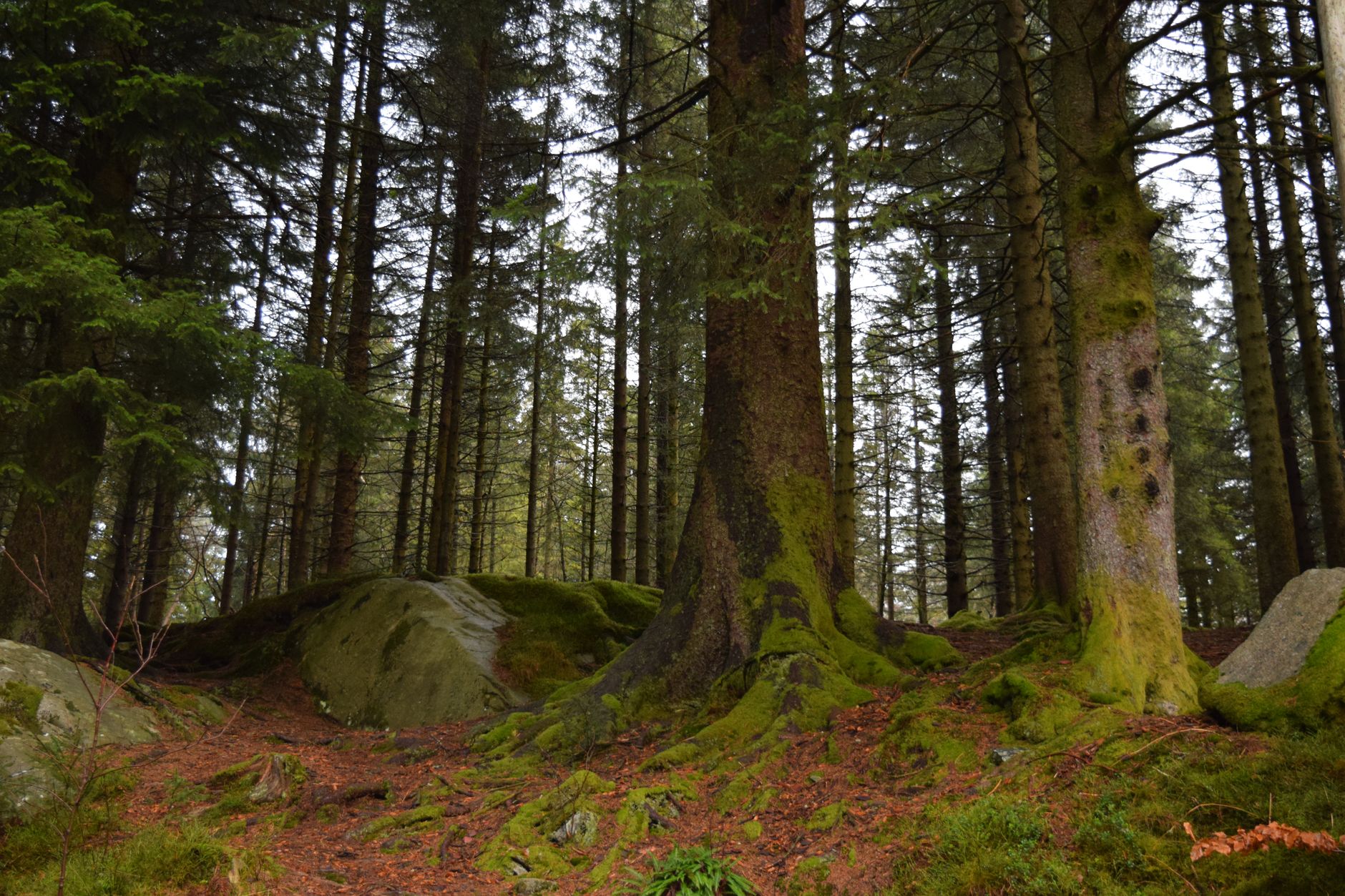
Choose mature host trees first. Pines, spruce, fir, and hemlock are the most reliable hosts. Birch can work in some northern or high elevation sites. The tree should be well established and healthy. Avoid newly planted saplings with small root systems. Yellowfoot often fruits near shallow roots, moss, and conifer duff.
Site selection matters just as much as tree species. Look for a north-facing slope or shaded woodland edge. Avoid full afternoon sun. The soil should drain well but hold some moisture. A mossy, acidic forest floor is ideal. If your yard lacks trees, you may need to plant conifers and wait several years.
Check drainage before you inoculate. Dig a small test hole about 6 inches deep. Fill it with water. Good soil drains within a few hours. If water sits for days, choose another spot. Compacted or heavily trampled soil also limits root growth. Outdoor woodland mushrooms like morels follow a similar site logic.
- Prepare the Root-Zone Substrate Without Damaging Tree Roots
Your substrate is the existing forest soil. You will amend it lightly, not replace it. Yellowfoot prefers acidic soil. Target a pH between 4.5 and 5.5. Test the soil before adding anything. A simple soil pH meter gives a quick reading in the root zone.
Rake aside the top layer of duff and moss. Do not cut or tear large roots. Expose the small feeder roots in the upper 2 to 4 inches. This is where spawn will meet root tips. Work slowly with a hand rake or your fingers. The roots are fragile and essential to the tree.
If the soil is heavy clay, mix in coarse sand or fine pine bark to improve aeration. Avoid composted manure or high-nitrogen amendments. Those feed green plants, not mycorrhizal fungi. For a deeper look at substrate structure, see the best mushroom substrate guide.
Keep the area damp before inoculation. Dry soil repels spawn. Water with rain water or tap water left out for 24 hours. The goal is a crumbly, moist root zone, not mud.
- Inoculate with Yellowfoot Sawdust Spawn in Late Summer or Fall
Buy yellowfoot sawdust spawn from a reputable supplier. Do not use wild harvested material unless you have permission and expert guidance. Spawn is usually hardwood sawdust colonized with yellowfoot mycelium. Check the label to confirm the species and the production date. Fresh spawn colonizes faster.
Apply spawn in late summer or early fall. Soil surface temperatures should be 60 to 70 degrees Fahrenheit. Crumble the spawn into small pieces. Spread it evenly over the exposed root zone. Use roughly 2 to 5 pounds of spawn per 100 square feet.
Cover the spawn with 1 inch of the original duff. Then add 1 inch of damp leaves or pine needles. Press lightly. Do not bury spawn deeper than 3 inches. Mycelium needs moisture and a little air exchange. Clean handling matters, but outdoor inoculation is more forgiving than sterile indoor work.
Wash tools and hands before handling spawn. Avoid walking on the patch after you finish. You can reapply a light amount every fall, but do not turn the soil.
- Maintain Moisture, Shade, and Acidic Soil Conditions
Yellowfoot mycelium grows best in cool, damp soil. Keep moisture at field capacity. That means the soil feels like a wrung-out sponge. During dry spells, water the patch twice per week. Use rain water or dechlorinated water. Avoid strong jets that wash away spawn. A simple drip irrigation kit delivers even moisture.
Monitor temperature. Yellowfoot colonizes well when soil temperatures stay between 50 and 70 degrees Fahrenheit. Air temperatures for fruiting should drop to 40 to 55 degrees. In warm climates, extra shade cloth can keep the root zone cool. If the site gets too hot, mycelium stalls.
Do not let the area dry out completely in summer. Drought kills feeder roots and mycelium. On the other hand, standing water encourages rot. A gentle slope or raised duff layer prevents puddling. For broader environmental controls, see the mushroom fruiting conditions guide.
Keep pH stable. Re-test soil each spring and fall. If pH drifts above 6.0, add a thin layer of pine needles or ericaceous compost. Acidic leaf mold from oak or beech also helps. Avoid lime or wood ash. They raise pH too much.
- Introduce Companion Debris and Monitor for Contamination or Competition
In nature, yellowfoot grows near moss, conifer needles, and decaying wood. Mimic this by adding a light layer of fresh pine needles or chopped oak leaves each fall. Do not bury the patch under thick mulch. A layer over 2 inches can smother mycelium and reduce air exchange.
Watch for competing fungi. Orange or green molds, slime molds, or aggressive wood decay fungi may appear. Some are harmless. Others signal too much nitrogen or too much surface moisture. For help identifying problems, read the mushroom contamination identification guide.
Small animals may dig in loose soil. Use a wide mesh screen or flat stones to protect the patch without compacting it. Do not use chemical fungicides or pesticides. They can kill the mycorrhizal network.
Check the patch every week during the first year. Sniff for sour or rotten odors. Healthy mycelium smells earthy. If you see white, threadlike growth in the duff, that may be yellowfoot or another beneficial fungus. Keep notes on weather and changes.
- Practice Patient, Multi-Year Management and Naturalization
Yellowfoot does not fruit on a fast indoor schedule. It can take two full years or more. Continue watering during dry periods. Refresh pine needles each autumn. Keep the area free from heavy foot traffic. Mycelium grows slowly and rewards consistent care.
The patch may fruit in October through December, especially after cool rain. Northern areas may see flushes in late fall. Southern mountain sites may fruit in winter. Do not dig up the soil to check progress. One look under the duff can break fragile root connections.
You can expand the patch by adding more spawn around the same root zone each fall. Do not over-inoculate. A second light application in year two improves the odds. Spread it near the original area, not on top of existing pins.
Eventually, yellowfoot mycelium may bind with multiple tree roots. This naturalized colony can fruit for years if the trees remain healthy. Avoid pruning host roots, grade changes, or soil compaction.
- Harvest Safely and Identify Yellowfoot with Expert Help
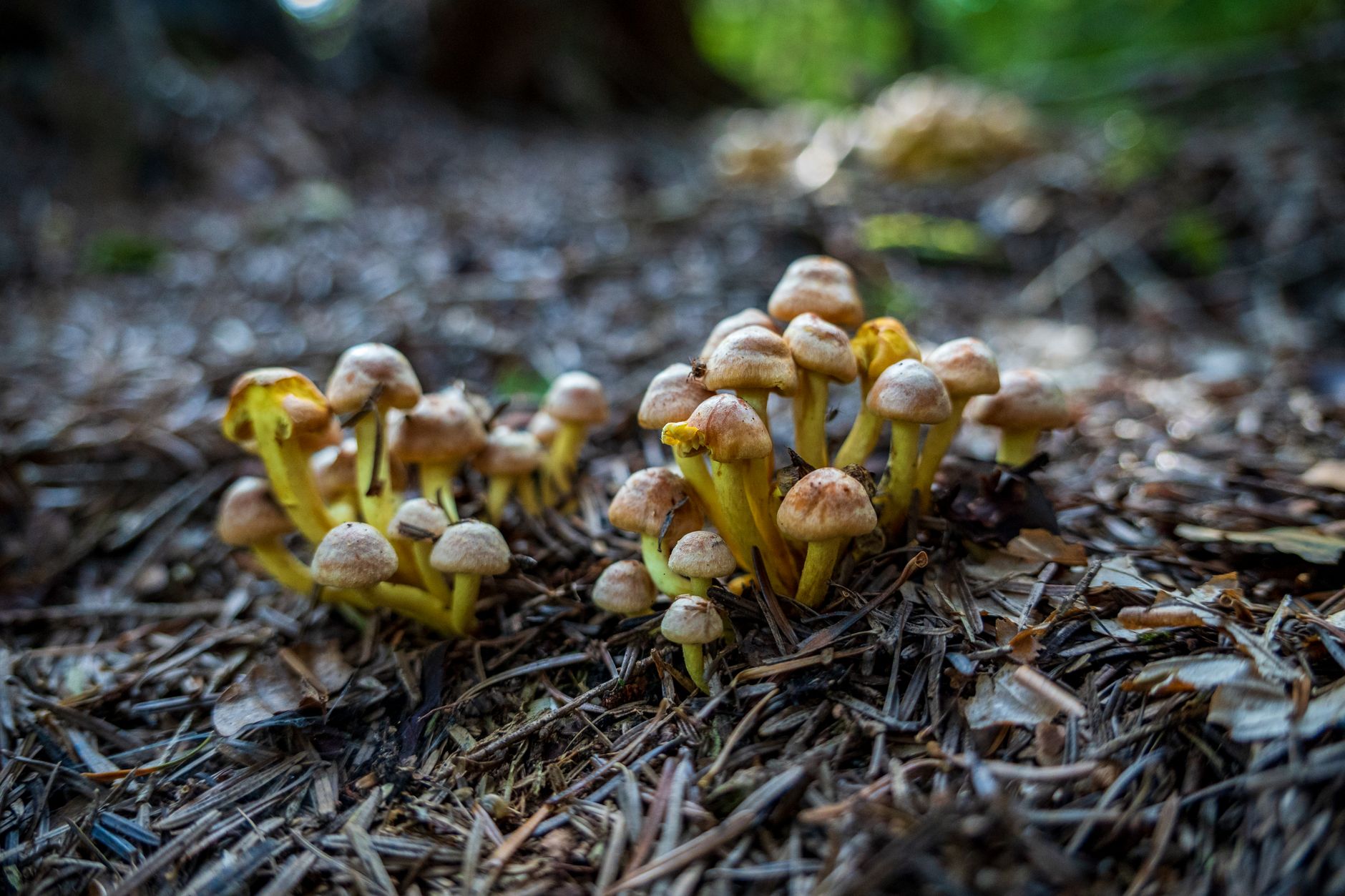
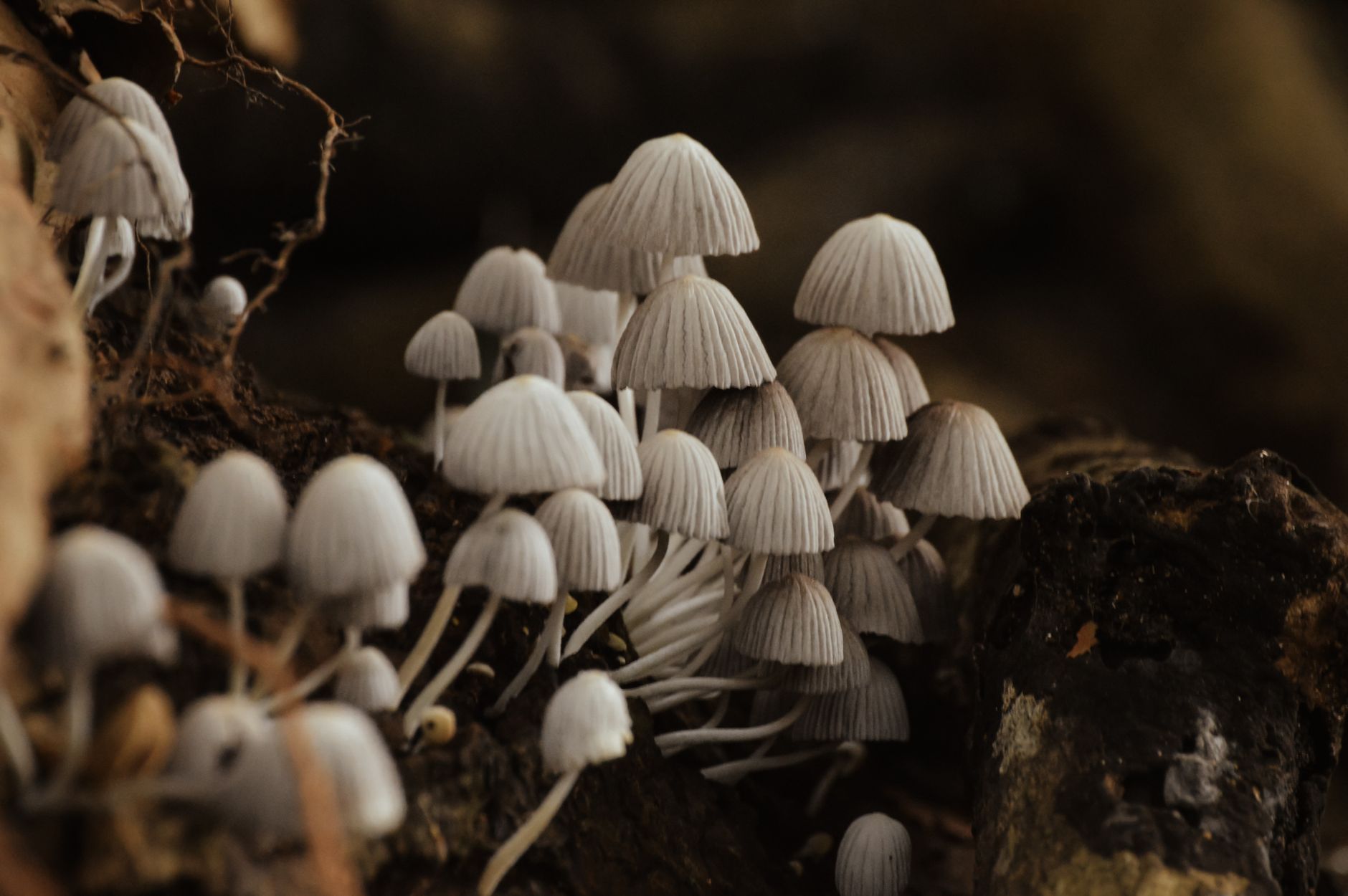
When you see small, trumpet-shaped mushrooms with yellow to brown caps, check them carefully. Yellowfoot has a hollow stem, faint gill-like ridges, and a yellow or orange stalk. It often grows in clusters. The cap is brown to yellowish brown with a wavy margin.
Do not eat any wild mushroom unless an expert positively identifies it. NAMA and local mycology clubs can help. The black trumpet growing guide shows how similar woodland trumpets are identified. Cross-check spore print color and habitat before you cook.
To harvest, cut the stem at soil level with a knife. Do not pull the base. This protects the mycelial mat. Collect into a basket or mesh bag so spores can fall to the ground.
Cook yellowfoot thoroughly before eating. Preserve extras by drying or sauteing and freezing. A first small taste is wise for any new wild mushroom.
Red Flags & Warnings
- 🚨 Never eat a wild mushroom unless an expert has positively identified it. Yellowfoot has lookalikes that require microscopic or habitat confirmation.
- 🚨 Do not try to fruit yellowfoot on sawdust blocks or straw logs indoors. It is mycorrhizal and will not produce mushrooms this way.
- 🚨 Avoid adding lawn fertilizer, manure, or wood ash to the patch. High nitrogen and high pH suppress mycorrhizal fungi.
- 🚨 Do not dig up the root zone to check for mycelium. Disturbing roots and the fungal network can delay or kill the colony.
- 🚨 Use only spawn from a trusted lab or supplier. Wild-harvested soil may introduce pathogens or invasive organisms.
- 🚨 Keep chlorinated water off the patch. Let tap water sit for 24 hours before applying, or use rain water.
Frequently Asked Questions
Can you grow yellowfoot indoors on sawdust or straw?
No. Yellowfoot is mycorrhizal, so it cannot fruit on pasteurized sawdust blocks, straw, or compost. It must connect to living tree roots in an outdoor patch.
How long until yellowfoot fruits after inoculation?
Most patches take one to three years after inoculation. Some northern or high elevation sites may take four years. Avoid disturbing the soil to check progress.
Which trees support yellowfoot mushrooms?
Conifers such as pine, spruce, fir, and hemlock are the most reliable hosts. Birch can also work in some regions. Choose mature, healthy trees with shallow feeder roots.
Is yellowfoot the same as golden chanterelle?
No. Yellowfoot is Craterellus tubaeformis. It is smaller with a darker cap and a hollow yellow stem. It is related to golden chanterelles but has different habitat needs.
How can I be sure a wild mushroom is yellowfoot?
Use multiple field marks, spore print color, and habitat. NAMA clubs and local mycologists can confirm identification. Do not rely on one photo or a phone app.
Do I need to fertilize the yellowfoot patch?
Avoid high nitrogen or phosphorus fertilizers. They can suppress mycorrhizal fungi. Use only leaf litter, pine needles, or ericaceous compost to maintain acidic soil.
What Should You Remember?
- Yellowfoot is mycorrhizal. You cannot grow it on indoor blocks.
- Choose host trees first. Conifers or birch are essential.
- Test soil pH. Keep it between 4.5 and 5.5.
- Maintain moisture. Soil should feel damp but not waterlogged.
- Wait patiently. First fruits can take two years or more.
- Confirm identity. Never eat a wild mushroom without expert proof.
This article is for general information only. Mushroom identification and consumption carry health and safety risks , never eat a wild mushroom unless positively identified by an expert, and follow sterile technique and food-safety guidance for home grows.