Golden chanterelles are some of the most sought-after wild mushrooms in North America. Their apricot-like aroma and meaty texture make them a favorite for foragers and chefs. But home cultivation is not simple. Unlike oyster or shiitake mushrooms, chanterelles do not grow on sawdust blocks or straw. They belong to a special group called mycorrhizal fungi. These mushrooms form living partnerships with tree roots. This guide explains the only realistic home method: an outdoor mycorrhizal bed. It requires a tree host, acidic soil, and years of patience.
Many companies sell ‘chanterelle grow kits,’ but these are almost always mislabeled. True chanterelles will not fruit indoors. The fungus must colonize the roots of a compatible tree. In this relationship, the fungus gives water and minerals to the tree. The tree gives sugars to the fungus. That exchange cannot happen in a plastic tub. If you want to try, you will need to plant a young host tree or use an existing one. The process is closer to habitat restoration than standard mushroom growing. For another difficult mycorrhizal species, see the porcini growing guide.
The realistic method has several steps. First, select a host tree such as oak, pine, birch, beech, or hazel. Second, adjust the soil to an acidic pH between 4.0 and 5.5. Third, introduce chanterelle inoculant or spores at the root zone. Fourth, maintain soil moisture between 25 and 35 percent. Colonization alone takes 12 to 24 months. Fruiting, if it happens at all, usually starts 2 to 5 years after inoculation. Even then, success rates are low. This guide gives you the data you need to make an informed attempt.
Safety must come first. Never eat a wild mushroom unless an expert positively identifies it. Chanterelles have toxic lookalikes such as the jack-o’-lantern mushroom. The North American Mycological Association (NAMA) provides identification resources and local club contacts. Before collecting any wild chanterelle for spore slurry or eating, get an expert confirmation. This guide references NAMA for identification safety. It also draws on mycology guidance from Penn State Extension in later steps.
What You’ll Need
- soil pH and moisture meter
- young host tree sapling
- chanterelle inoculant or spore slurry
- leaf litter
- hand trowel
- notebook
How Do You Grow Chanterelle Mushrooms at Home?
- Accept that chanterelles are not indoor mushrooms
Chanterelles are ectomycorrhizal fungi. They wrap around root tips and exchange nutrients with a living tree. This is not an optional lifestyle. It is a biological requirement. Penn State Extension explains that mycorrhizal mushrooms cannot be produced on compost, straw, or sawdust because they need living host roots. You cannot simply inoculate a substrate block and wait a few weeks. That method works for saprotrophic mushrooms like oyster mushrooms, but it fails completely for chanterelles.
Common mistake: buying a chanterelle grow kit. These products usually contain spawn for a different species, often a wood-loving mushroom. The seller counts on the fact that most buyers will not know the difference. True chanterelle mycelium does not grow through sterilized grain in a bag. It grows through soil and root cortex tissue. If you see a kit promising indoor chanterelles, treat it with deep skepticism.
This step matters because it determines your whole project. You are not building a fruiting chamber. You are creating an outdoor mycorrhizal habitat. The next steps focus on host trees, soil chemistry, and years of low-intervention care. Set your expectations now. Even a perfect setup may never produce a single chanterelle.
- Choose a compatible host tree and site
Chanterelles associate with a range of forest trees. The most common partners are oaks, pines, Douglas fir, birch, beech, and hazel. Young saplings work best. A tree that is 1 to 3 years old has shallow feeder roots that you can reach without heavy equipment. Mature trees already have an established root microbiome. Introducing chanterelle mycelium there is much harder. Choose a site with partial shade or dappled light. A forest edge, open woodland, or shaded backyard corner can work.
Soil drainage is critical. Chanterelles naturally appear in well-drained, acidic forest soils. Avoid low spots where water pools. Avoid heavy clay that stays soggy. Sandy loam with a layer of leaf litter is ideal. The site should stay moist but not waterlogged. This resembles the habitat of other mycorrhizal species. For another tree-fungus partnership, see the matsutake growing guide.
Think about the mycorrhizal relationship before you plant. The tree will feed the fungus sugars from photosynthesis. The fungus will help the tree absorb water and phosphorus. But the relationship only forms under the right conditions. Root contact with inoculant, acidic soil, and low fertility all matter. If you already have a suitable tree, you can use it. If not, plant a bare-root sapling and inoculate at planting time.
- Test and adjust soil pH and moisture
Chanterelles prefer acidic soil. The target range is pH 4.0 to 5.5. Soils under lawn grass are often closer to neutral, around pH 6.5 or higher. That is too alkaline for chanterelle mycelium. Buy a soil pH and moisture meter on Amazon before you plant. Test several spots around the root zone. Do not guess. A pH above 6.0 will suppress chanterelle colonization.
If your soil pH is too high, you can lower it. Elemental sulfur is the standard amendment. Apply it according to soil test recommendations, usually several months before planting. Peat moss can also help acidify the planting hole. Avoid garden lime, wood ash, and high-pH compost. These will push pH in the wrong direction. Chanterelles also want a low-nutrient environment. Do not add manure or nitrogen fertilizer.
Moisture is the second data point. The soil should hold 25 to 35 percent moisture at the root zone. Use the moisture meter probe to check. Water deeply during dry spells, but let the soil drain between waterings. Saturated soil encourages root rot and competitive molds. A layer of oak leaf litter helps hold moisture and slowly acidifies the soil as it breaks down.

- Source chanterelle inoculant or make spore slurry
Commercial chanterelle mycorrhizal inoculant exists, but availability is limited. Some specialty suppliers sell it as a granular or liquid product. These products are not common on Amazon. Be careful. Many general mycorrhizal products contain generic ectomycorrhizal species, not true chanterelles. Check the species list before buying. You want Cantharellus cibarius or a regional chanterelle species. Another related species with similar needs is the yellowfoot chanterelle, but it is still mycorrhizal.
A spore slurry is the cheapest option. You need fresh, mature chanterelles that an expert has positively identified. Never use a mushroom you cannot identify. Chop the caps into small pieces. Soak them in non-chlorinated water, such as rainwater or well water, for 24 to 48 hours. Add a pinch of molasses or sugar to stimulate spore release. Strain out the solid pieces. The liquid is your spore slurry. Use it the same day or within a few days. Keep it cool and out of direct sun.
Do not expect high germination rates. Chanterelle spores are notoriously finicky. Many slurry attempts fail. But when successful, the spores germinate and eventually link with tree roots. One advantage of slurry is that it captures local genetics if you collect from your region. Do not dig up wild mycelium. This harms wild populations and rarely transplants well.
- Install inoculant at the root zone
Now you need to place the inoculant where feeder roots are. Feeder roots are fine, non-woody roots that absorb water and nutrients. They usually grow in the top 6 to 12 inches of soil. For a young tree, dig shallow trenches 2 to 4 inches deep. Start a few inches from the trunk and extend outward to the drip line. Gently remove soil until you expose small feeder roots. Do not tear them.
Pour the spore slurry or sprinkle granular inoculant directly onto the exposed roots. Use enough to coat the area, but do not flood it. Backfill with the original soil. Add a shallow layer of leaf litter, preferably oak or beech leaves. Water the area lightly. The spores or mycelial fragments need direct contact with root surfaces. This contact is what allows the mycorrhizal association to form.
After installation, avoid disturbing the soil. No tilling, no digging, no planting annuals over the root zone. Root damage is one of the top reasons mycorrhizal projects fail. If you see mold or dark slime in the first weeks, review the mushroom contamination identification guide for signs of competitive fungi. Do not use fungicide, as it will kill the chanterelle mycelium too.
- Maintain the mycorrhizal bed for years
Patience is the main input now. Chanterelle mycelium colonizes roots slowly. Expect 12 to 24 months before any visible root colonization. Fruiting can begin 2 to 5 years after inoculation, but many sites never fruit. This is not like growing mushrooms on straw. It is a multi-year ecological project. Keep a notebook with planting date, tree species, soil pH, and rainfall. You will need it to track what works.
Water during dry periods. The root zone should stay at 25 to 35 percent moisture. A tree watering bag on Amazon can deliver slow water to young trees. Mulch with leaf litter every fall. Do not fertilize. Do not apply weed killers or pesticides. These chemicals break the fungal network you are trying to build. If weeds appear, pull them by hand.
Every spring, check the soil pH. If it has drifted above 5.5, a light elemental sulfur application may help. But keep changes small. Chanterelle mycelium dislikes rapid shifts. Watch the tree for signs of stress, such as wilting or leaf discoloration. A healthy tree is your best indicator that the mycorrhizal relationship is developing underground.
- Monitor, identify, and harvest safely if fruiting occurs
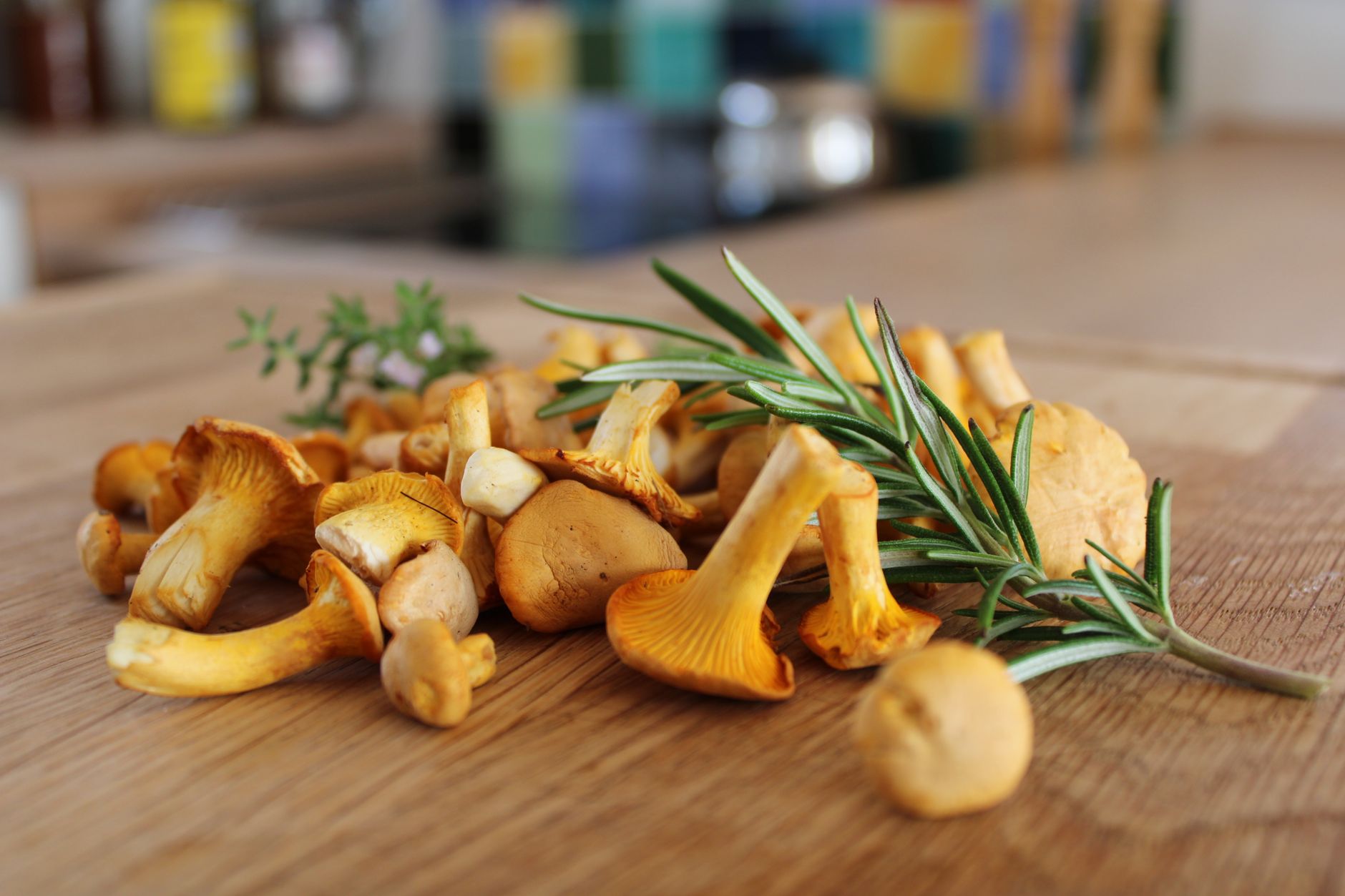
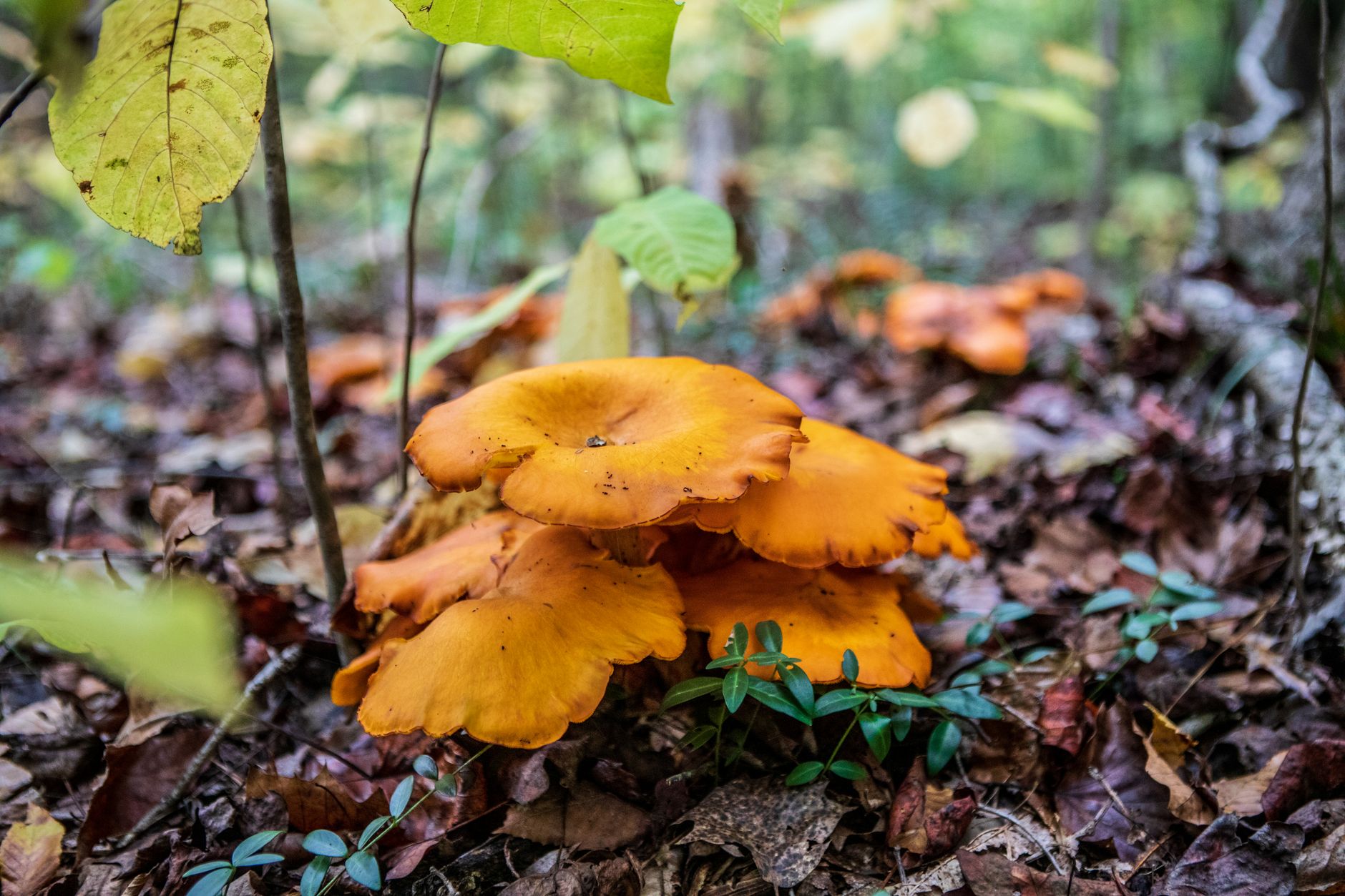
After several years, start checking the site in summer and early fall. Chanterelles often fruit from July through October, depending on your climate and the species. They appear near the tree base or along the root zone. A true chanterelle is golden-yellow to orange, vase-shaped, and has blunt, forked, decurrent ridges instead of true gills. The flesh is white inside. The smell is fruity, like apricot.
Do not eat any mushroom unless an expert verifies it. The jack-o’-lantern mushroom (Omphalotus olearius) is a dangerous lookalike. It has true, sharp gills and grows in clusters on wood. It also glows faintly in the dark, but that is not a safe test. If you are not 100 percent certain, contact a local mycological club. The NAMA website lists clubs that offer identification help. Take clear photos from multiple angles.
If you do get expert confirmation, harvest by cutting the stem at soil level. Leave the base in the ground to avoid disturbing the mycelium. Take only what you will eat. Leaving some mushrooms behind releases spores that may strengthen the colony. The goal is long-term establishment. Even one fruiting is a sign that your mycorrhizal bed is working. It does not guarantee future flushes, but it validates the method.
Red Flags & Warnings
- 🚨 Never eat a wild mushroom unless an expert positively identifies it. Chanterelles have toxic lookalikes such as the jack-o’-lantern mushroom.
- 🚨 Do not apply chemical fertilizers, fungicides, or weed killers near the site. These products destroy the mycorrhizal fungi you are trying to grow.
- 🚨 Avoid ‘chanterelle grow kits’ sold online. True chanterelles are mycorrhizal and cannot fruit from sawdust, straw, or grain spawn.
- 🚨 Do not dig up wild chanterelle mycelium to transplant. It damages natural populations and rarely survives the move.
- 🚨 Test soil pH before planting. Values above 6.0 strongly suppress chanterelle colonization.
- 🚨 Be prepared for zero mushrooms after five years. Mycorrhizal cultivation is experimental and often fails even with good care.
Frequently Asked Questions
Can I grow chanterelles indoors in a grow kit?
No. Chanterelles are mycorrhizal and require living tree roots. No indoor kit can provide the symbiosis. Any kit labeled chanterelle is likely misidentified.
How long until chanterelles fruit after inoculating?
Expect at least 2 to 5 years. Colonization alone can take 12 to 24 months. Many sites never fruit.
Which trees are best for chanterelles?
Oaks, pines, Douglas fir, birch, beech, and hazel. Young saplings with accessible feeder roots work best.
What soil pH do chanterelles need?
Aim for pH 4.0 to 5.5. Acidic forest soil with good drainage and leaf litter is ideal.
Can I use store-bought chanterelles to make spore slurry?
Only if you are 100 percent certain of species. Fresh, mature specimens may release spores. But germination rate is low.
Where can I buy chanterelle inoculant?
Specialty mycorrhizal suppliers sometimes sell it. Avoid generic Amazon spawn. Check university extension resources for reputable sources.
What Should You Remember?
- Chanterelles are mycorrhizal: They need living tree roots and cannot grow on sawdust or straw.
- Pick the right host tree: Plant young oak, pine, birch, beech, or hazel saplings in partial shade.
- Keep soil acidic: Target pH 4.0 to 5.5 and 25-35% moisture in the root zone.
- Source inoculant carefully: Use spore slurry or specialty mycorrhizal inoculant, not grain spawn.
- Install at the root zone: Place inoculant near feeder roots without damaging them.
- Wait years, not weeks: Colonization takes 12-24 months; fruiting may take 2-5 years or never.
- Safety first: Have every wild mushroom identified by an expert before eating.
This article is for general information only. Mushroom identification and consumption carry health and safety risks , never eat a wild mushroom unless positively identified by an expert, and follow sterile technique and food-safety guidance for home grows.