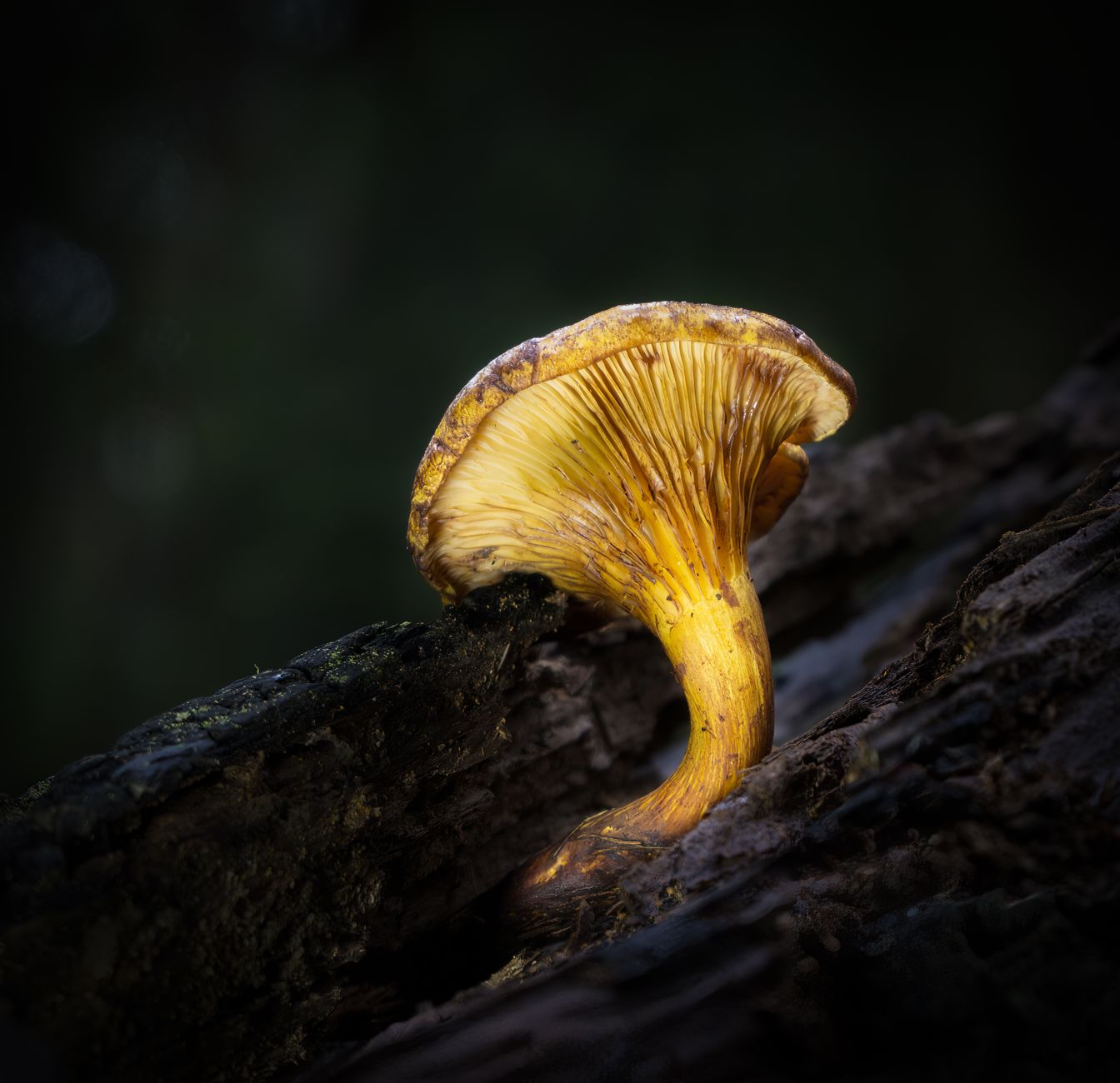
Yellowfoot chanterelle (Craterellus tubaeformis), also called winter chanterelle or funnel chanterelle, is a delicious wild mushroom with a hollow stem and a brownish cap. It grows in conifer forests across the Northern Hemisphere and appears in the cold months when most other mushrooms have stopped. Many home growers want to cultivate it, but this species is not like oyster or shiitake. It is mycorrhizal, meaning it must partner with the living roots of certain trees. For that reason, the standard indoor methods found in a chanterelle growing guide rarely work for yellowfoot.
Still, there is a realistic path for patient growers. You can create an outdoor bed near a suitable host tree and introduce inoculum or spores. The goal is to encourage a self-sustaining mycorrhizal colony, not a quick harvest. This article explains that process step by step. If you are new to mushroom growing, consider starting with a saprobic species like oyster or lion’s mane to learn moisture and substrate management first. A reliable best mushroom grow kits 2026 kit can teach you the basics before you attempt a mycorrhizal project.
Safety must come first. Wild mushrooms can be deadly when misidentified. Yellowfoot chanterelle has lookalikes that can cause serious illness. Before you collect any wild material for spores or cultivation, have an expert confirm the mushroom. The North American Mycological Association is a reliable resource for finding local clubs and identification help. This guide assumes you are working with accurately identified material and never encourages eating an unverified mushroom.
The process below covers site selection, substrate building, inoculation, moisture management, and long-term care. It includes specific data points such as a substrate recipe, temperature range, humidity target, and colonization timeline. Be prepared for a project that lasts years, not weeks. The reward is a patch of wild yellowfoot chanterelles in your own yard, but the risk of failure is high. With the right host tree and careful soil management, you give the fungus its best chance.
What You’ll Need
- pH test kit
- Soil moisture meter
- Wheelbarrow or tarp for mixing
- Garden sprayer or watering can
- Conifer bark, peat moss, native soil, rotted needles
- Clean knife for harvest
How Do You Grow Yellowfoot Chanterelle at Home?
- Understand the mycorrhizal barrier before you start
Yellowfoot chanterelle (Craterellus tubaeformis) is a mycorrhizal fungus. It forms a symbiotic sheath around the roots of living trees, usually conifers such as pine, fir, hemlock, and spruce. The fungus exchanges water and minerals for sugars from the tree. This relationship is the core reason indoor cultivation fails. Saprobic mushrooms like oyster or shiitake feed on dead wood or grain, but yellowfoot cannot survive on pasteurized straw, sawdust blocks, or sterilized grain. The mycelium needs living root cells and the complex soil microbiome around them. Penn State Extension research on mushroom cultivation repeatedly classifies chanterelles and similar species as non-cultivable under standard indoor systems. That is not a failing of your technique; it is a biological requirement.
What this means for a home grower is a shift in expectations. You are not building a fruiting block that flushes in 30 days. You are trying to establish a long-term outdoor colony near a living host tree. Success rates are low, even for experienced cultivators. Paul Stamets’ field observations suggest that mycorrhizal species can take years to colonize a root system and may never produce mushrooms in a new site. Still, the method has worked for some patient growers who recreate forest conditions closely.
The yellowfoot is also a cool-season fruiter. In the wild it appears from late summer through winter in the Pacific Northwest and similar temperate zones. This means your site should stay cool and damp for months. It also means you are not racing a quick contamination clock like you would with a mushroom grow kit. Instead you are managing soil biology, root health, and moisture over multiple seasons. If you want a faster indoor crop, start with a saprobic species from a reliable kit.
Before buying anything, accept this reality. If you want guaranteed mushrooms indoors, grow oysters, lion’s mane, or shiitake. If you want the challenge of a mycorrhizal species, proceed with the outdoor method below. Do not fall for products that promise yellowfoot mushrooms on sawdust in a closet. That is not how this fungus lives.
- Select a shaded site with the right host trees
Find a mature conifer or a cluster of conifers on your property. Douglas fir, western hemlock, spruce, pine, and sometimes oak are reported hosts for yellowfoot chanterelle. The tree must be alive and healthy, with roots extending into the area you plan to use. Avoid areas with heavy foot traffic, compacted soil, or drainage problems. Yellowfoot mycelium grows in the upper few inches of soil, so the root zone must be accessible.
Shade is non-negotiable. A north-facing slope or a site under dense evergreen canopy works best. Direct afternoon sun dries the soil and raises soil temperature beyond the fungus’s tolerance. Aim for a site that receives filtered light or less than four hours of direct morning sun. The ideal soil temperature range for yellowfoot mycelial activity is 45 to 65 degrees Fahrenheit. Fruiting also occurs in this cool window, usually after fall rains.
Check the soil pH. Yellowfoot chanterelle prefers acidic forest soil with a pH between 4.5 and 5.5. Most conifer forest floors fall in this range naturally because of needle decay. You can use an inexpensive pH test kit to confirm. Check the pH test kit on Amazon. If your soil is neutral or alkaline, you can acidify it gradually with elemental sulfur or peat moss, but do not overdo it. Drastic pH swings kill the native microbes that yellowfoot depends on.
This step connects to substrate preparation. Once you know the trees and pH, you can build a soil mix that mimics the duff under a healthy conifer. For more on general substrate selection, see the best mushroom substrate guide. That guide focuses on saprobic mushrooms, but the principles of moisture retention and aeration still apply to outdoor mycorrhizal beds.
- Build a forest-floor substrate mix
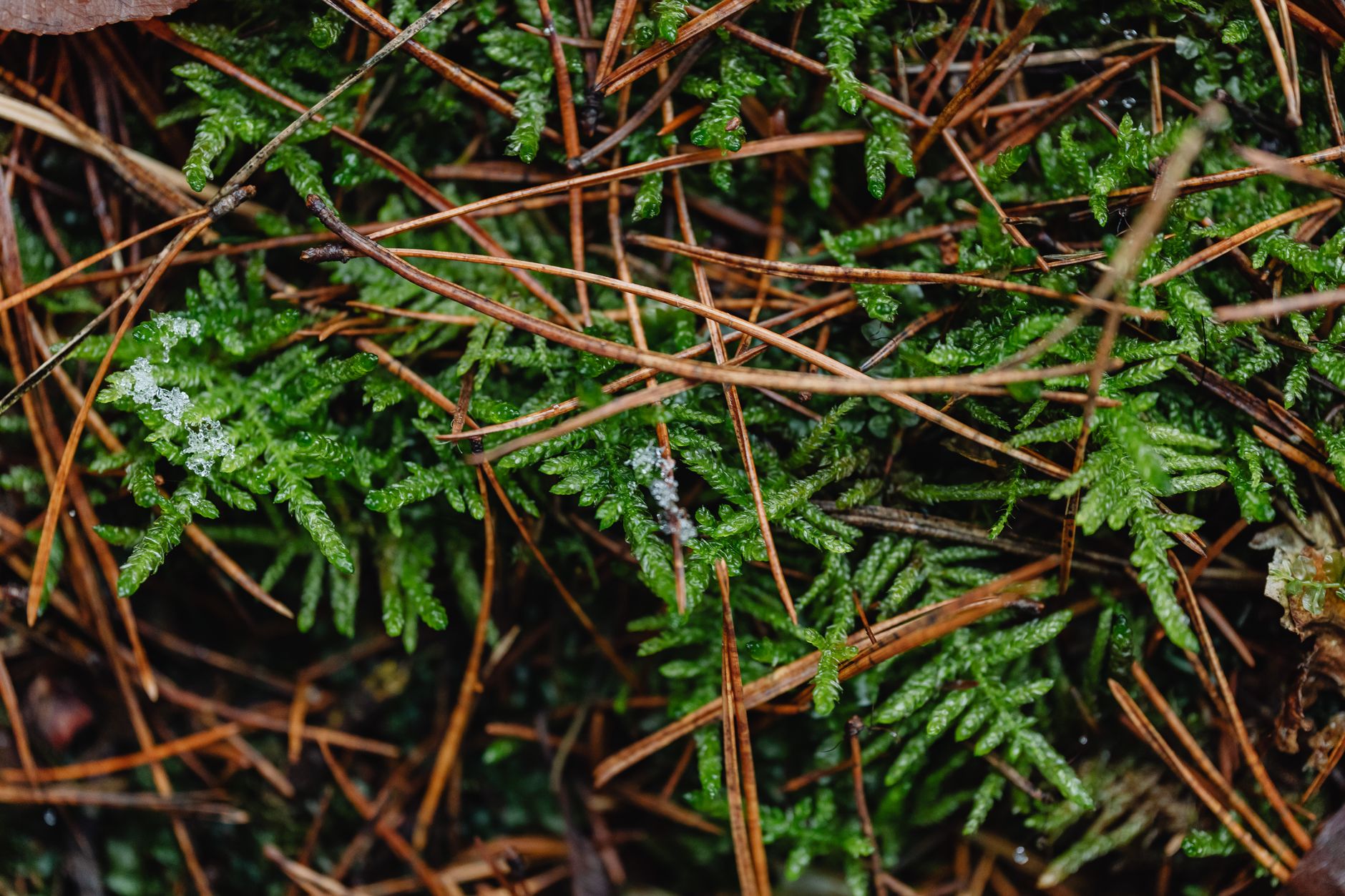
Yellowfoot will not colonize sawdust or coco coir alone. The substrate must include native soil and organic matter from conifer trees. A practical outdoor recipe is 50 percent aged pine or fir bark, 20 percent peat moss, 20 percent native soil from the planting site, and 10 percent rotted conifer needles. This mix is acidic, airy, and retains enough moisture without waterlogging. Do not use composted manure or high-nitrogen amendments. Mycorrhizal fungi decline when nitrogen levels are too high.
Mix these ingredients in a wheelbarrow or on a tarp. The bark pieces should be small, roughly half an inch to one inch in size, so they break down slowly. Peat moss helps hold water and lowers pH. Native soil introduces local bacteria, microfauna, and possibly spores of helper organisms. Rotted needles add the same compounds found in the natural duff. Moisten the mix until it feels like a wrung-out sponge. A moisture content around 30 to 40 percent by weight is a good target.
Do not sterilize or pasteurize this substrate. Sterilization kills the beneficial microbes that yellowfoot needs. You are not fighting competitors the way you would with a pasteurized straw bed for oysters. Instead you are trying to create a living soil community. If you have read about straw pasteurization for other species, understand that those steps do not apply here. This is an outdoor mycorrhizal bed, not a saprobic substrate.
Spread the mix in a layer three to four inches deep within the root zone of your selected tree. Avoid burying the trunk or piling soil against the bark. Rake it gently into the existing litter. The bed does not need to be deep because the mycelium grows near the surface where oxygen is available.
- Source spawn or inoculum carefully
This is the hardest practical step. Yellowfoot chanterelle spawn is not widely available commercially. Unlike oyster or shiitake spawn, mycorrhizal spawn is often sold as a slurry or as inoculated root-dip gel for tree seedlings. Some specialty suppliers in Europe and the Pacific Northwest offer chanterelle or yellowfoot inoculant, but availability is inconsistent. If you cannot find true Craterellus tubaeformis spawn, do not substitute a random grain spawn and expect success.
If you do obtain a liquid mycorrhizal inoculant, check the label for the scientific name. Keep it refrigerated until use. Do not use grain spawn for this project. Grain spawn is designed for saprobic mushrooms and will only mold or feed contaminants in the soil. Mycorrhizal mycelium does not grow well on grain in a jar. The inoculant must be formulated for soil or root application.
Some growers attempt to introduce yellowfoot by collecting spore prints from wild specimens. This is legal in many areas for personal use, but it requires a mature, positively identified mushroom. Never collect a wild mushroom for spore prints unless you are certain of its identity. The North American Mycological Association recommends having an expert confirm any wild mushroom before you handle it for cultivation or eating. Spore slurries can be poured around host roots, but germination rates are low.
Another method is to plant a young conifer seedling whose roots have already been inoculated with yellowfoot mycelium. This is the most reliable route if you can find a nursery that sells mycorrhizal seedlings. The seedling approach gives the fungus a direct path into the root system. Once the tree grows, the fungus can expand into the surrounding soil. This is a multi-year project, but it mirrors how yellowfoot spreads in nature.
- Inoculate the root zone and maintain moisture
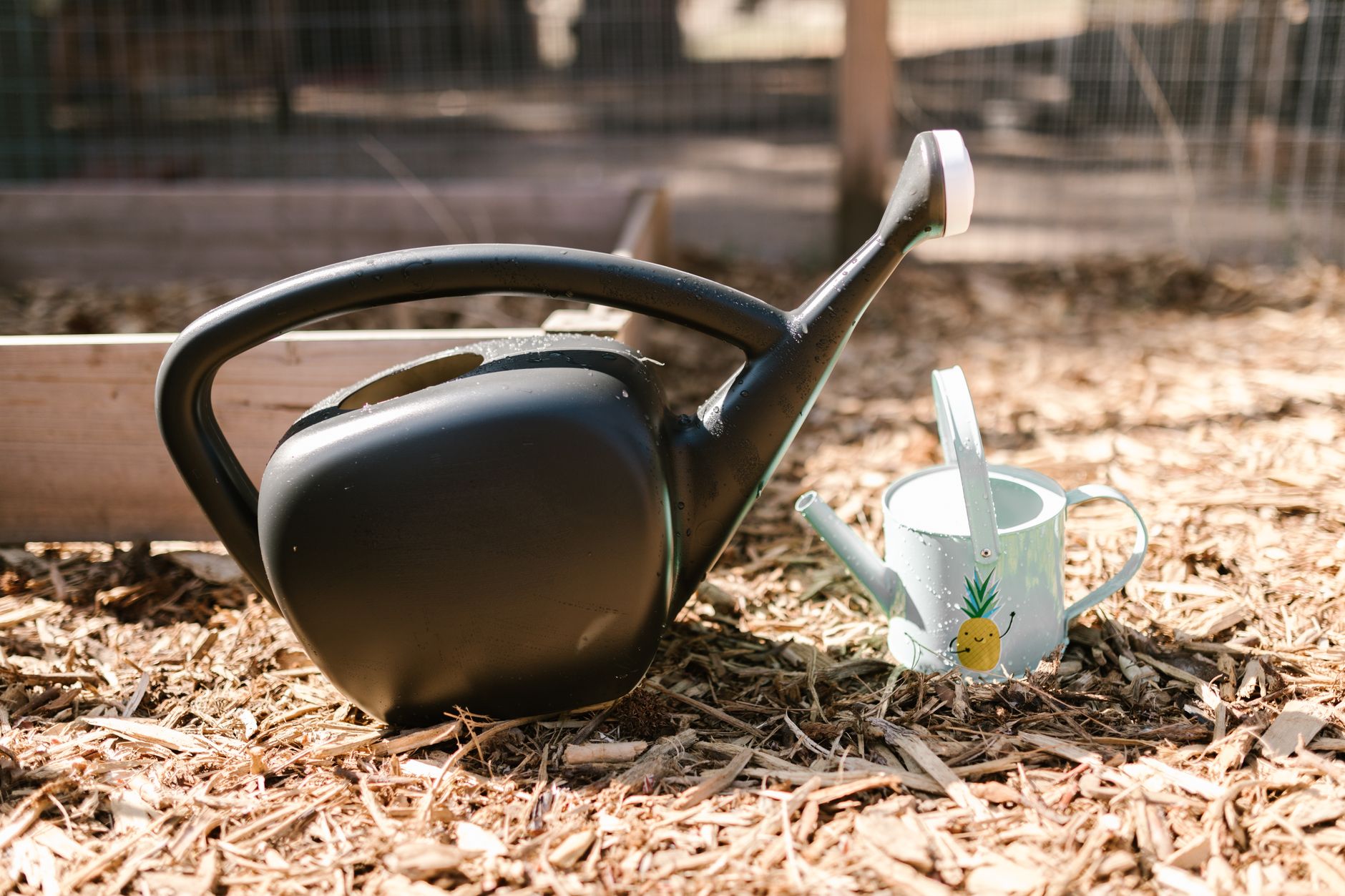
Inoculation timing matters. Early fall or spring, when soil is cool and moist, is best. Water the bed lightly before application. If using liquid inoculant, pour it evenly over the root zone, not just in one spot. Use a garden sprayer or watering can. If using spore slurry, apply it to the soil surface and then water it in gently. Avoid disturbing the soil afterward.
After inoculation, cover the bed with a one-inch layer of conifer needles or hardwood leaf litter. This mulch holds moisture and slowly breaks down. It also shades the soil surface. Keep the bed consistently damp but not soggy. A good target is soil moisture of 30 to 40 percent. You can use a soil moisture meter to monitor this. Check the soil moisture meter on Amazon. In dry weather, water two or three times per week.
Fruiting conditions are different from colonization conditions. During colonization, which can take 6 to 18 months, the mycelium spreads through the soil and root tips. It needs steady moisture and cool soil. When it is ready to fruit, it requires a humidity spike, usually after fall rains. The ideal air humidity for yellowfoot fruiting is 85 to 95 percent. If your area does not naturally reach this, a shade cloth or a misting system can help. See the mushroom fruiting conditions guide for general principles.
Do not fertilize the bed with nitrogen. Lawn fertilizer, manure, and even high-nitrogen compost can suppress mycorrhizal fungi. The tree may respond to extra nitrogen, but the fungus loses its carbohydrate exchange advantage and can decline. If you must add anything, use a thin layer of leaf mold or aged conifer duff once per year.
- Wait through colonization and monitor for contamination
Colonization of a yellowfoot bed is invisible for a long time. You will not see mycelium running through the substrate like in a jar. The first sign of success may be a few small mushrooms after two to five years, or no mushrooms at all. Patience is the main tool. During this phase, keep the bed moist, shaded, and free of weeds. Avoid digging or turning the soil because that breaks the delicate hyphal network.
Contamination in an outdoor mycorrhizal bed looks different from contamination in a sterile grow bag. You will see molds, bacteria, and other fungi, and that is normal. The mycorrhizal fungus competes with them in the soil food web. Still, watch for signs that the site is too wet or too compacted. A slimy, foul-smelling layer often means anaerobic conditions. If that happens, reduce watering and gently loosen the mulch. For more on checking for unwanted growth, read the mushroom contamination identification guide.
The biggest threat to yellowfoot colonization is not a green mold but site disturbance. Tree root damage, construction, heavy mulching, or soil compaction can kill the mycelium. Keep pets and foot traffic away from the root zone. If the host tree becomes unhealthy, the fungus declines too. Monitor the tree for signs of drought stress and water deeply during dry periods.
Some growers report seeing mycelial threads under the mulch within a year, but this is not reliable. The expected colonization period before any fruiting is 6 to 18 months at the root level, with visible mushrooms taking much longer. Continue to maintain the bed through every season and do not abandon it too early.
- Harvest and identify yellowfoot safely
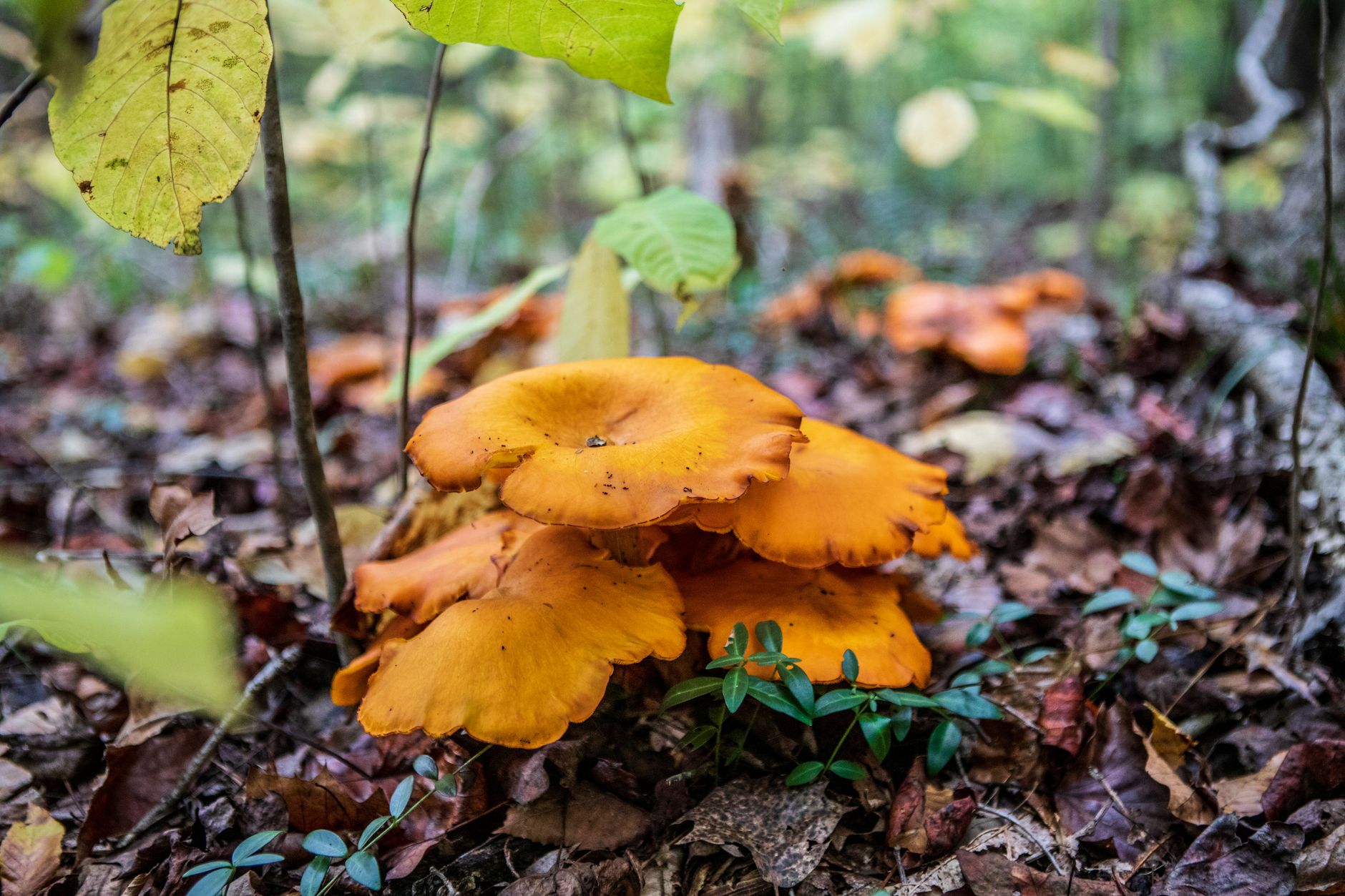
If yellowfoot mushrooms appear, confirm the identification with a local mycologist or an experienced forager. Yellowfoot chanterelle has a brown to yellow-brown cap, a hollow stem, and false gills that are blunt and forked. It can be confused with the poisonous jack o’lantern or other brown mushrooms. Never eat a wild mushroom based only on an internet photo. Local mushroom clubs can give you a confident identification.
Cut the mushrooms at the base with a clean knife rather than pulling them. This leaves the mycelium in the soil. Brush off debris in the field and carry them in a basket. Yellowfoot fruits in clusters often near decaying wood or moss. It has a subtle, fruity aroma and a peppery taste when cooked. Harvest only what you will use and leave some to drop spores.
Once you have harvested, the bed may fruit again in following years. Established mycorrhizal patches can be productive for decades if the tree and soil remain healthy. Do not overharvest or rake the area aggressively. Keep the leaf litter intact and allow the mycelium to expand. This is a long-term relationship between you, the tree, and the fungus.
Red Flags & Warnings
- 🚨 Never eat a wild mushroom without expert confirmation. Yellowfoot has toxic lookalikes, and mistakes can be fatal.
- 🚨 Do not try to grow yellowfoot indoors on sawdust, coir, or grain. The mycorrhizal fungus will not fruit and the substrate will likely contaminate.
- 🚨 Be skeptical of commercial yellowfoot spawn that promises indoor fruiting. True mycorrhizal inoculant is rare and often sold for outdoor tree-root application.
- 🚨 Expect a long wait. Outdoor beds may take 2 to 5 years to fruit, and many never produce mushrooms.
- 🚨 Avoid high-nitrogen fertilizers in the bed. Nitrogen suppresses mycorrhizal fungi and can kill the colony.
- 🚨 Do not dig up wild mycelium from the forest. It damages native patches and rarely establishes in your yard.
Frequently Asked Questions
Can I grow yellowfoot chanterelle indoors on sawdust or grain?
No. Yellowfoot is mycorrhizal and needs living tree roots. Indoor sawdust, straw, or grain blocks will not support it long term. You may see contamination or no growth.
How long does yellowfoot chanterelle take to fruit from an outdoor bed?
Usually two to five years after inoculation, and sometimes it never fruits. The mycelium colonizes root zones slowly. Some growers see mycelial threads within a year, but mushrooms require specific moisture, temperature, and tree health.
What host trees are best for yellowfoot chanterelle?
Conifers such as Douglas fir, western hemlock, spruce, and pine are the most common partners. Some reports include oak, but conifer sites with acidic duff give the best odds. Choose a healthy mature tree with accessible roots.
Is yellowfoot chanterelle the same as golden chanterelle?
No. Yellowfoot is Craterellus tubaeformis, while golden chanterelle is usually Cantharellus cibarius or related species. Both are mycorrhizal and edible, but yellowfoot has a hollow stem, thinner flesh, and a more brownish cap.
Can I transplant wild yellowfoot mycelium into my yard?
It is not recommended. Digging up wild mycelium damages the natural patch and rarely establishes in a new location. Spore slurries or purchased mycorrhizal inoculant are less destructive, but still not guaranteed.
What humidity and temperature trigger yellowfoot fruiting?
Fruiting typically occurs when air humidity is 85 to 95 percent and temperatures range from 45 to 65 degrees Fahrenheit. In nature this happens after fall rains. You can try to replicate it with shade cloth and misting.
What Should You Remember?
- Mycorrhizal biology: yellowfoot cannot grow without a living tree partner.
- Outdoor bed only: use a shaded conifer root zone, not an indoor fruiting chamber.
- Substrate recipe: mix 50% aged pine bark, 20% peat moss, 20% native soil, and 10% rotted needles.
- Moisture and temperature: keep soil at 30-40% moisture and fruiting air humidity at 85-95% with temperatures 45-65°F.
- Long timeline: expect 6-18 months for root colonization and 2-5 years or more for mushrooms.
- Safe identification: never eat a wild mushroom unless an expert positively identifies it.
This article is for general information only. Mushroom identification and consumption carry health and safety risks , never eat a wild mushroom unless positively identified by an expert, and follow sterile technique and food-safety guidance for home grows.