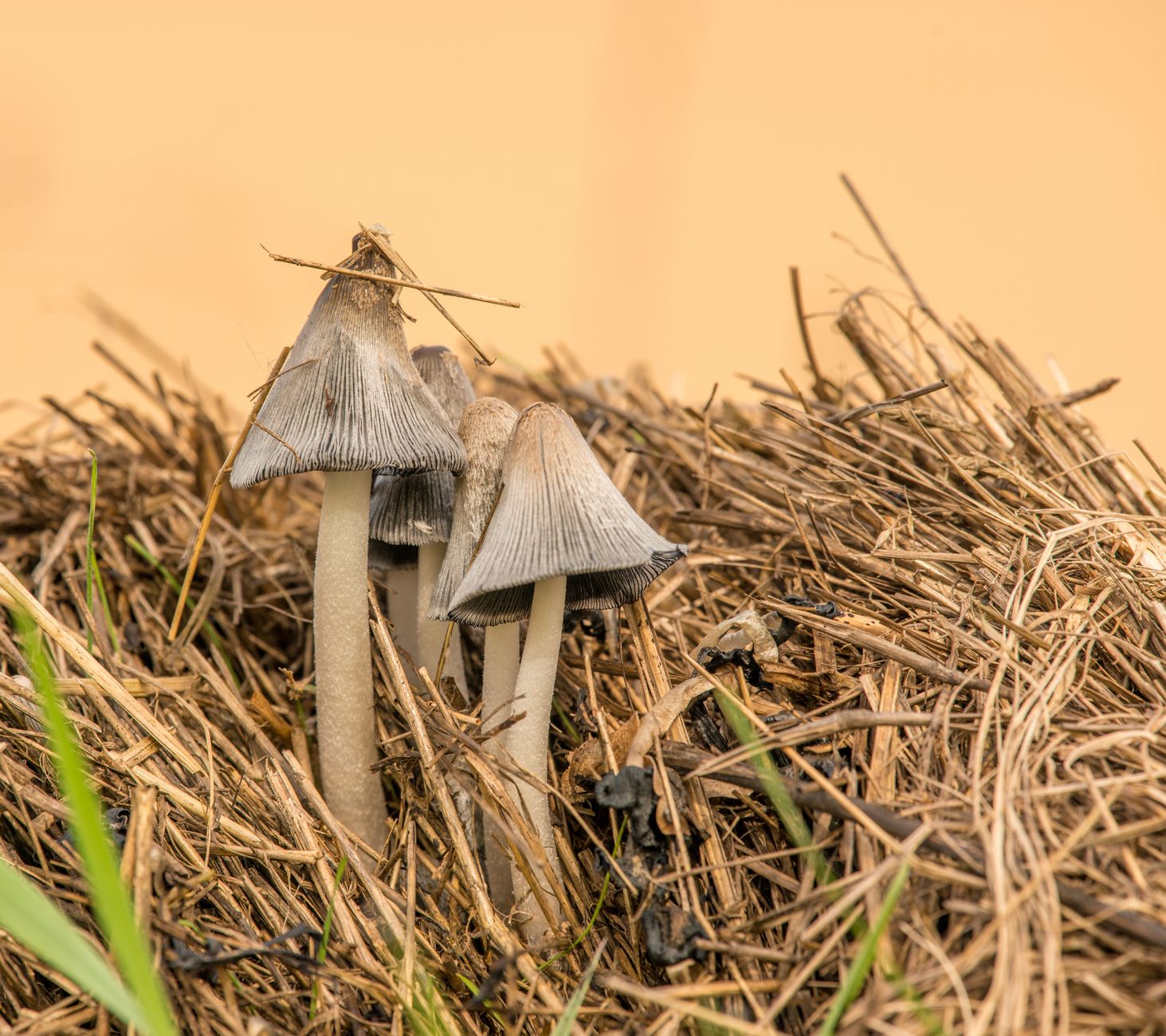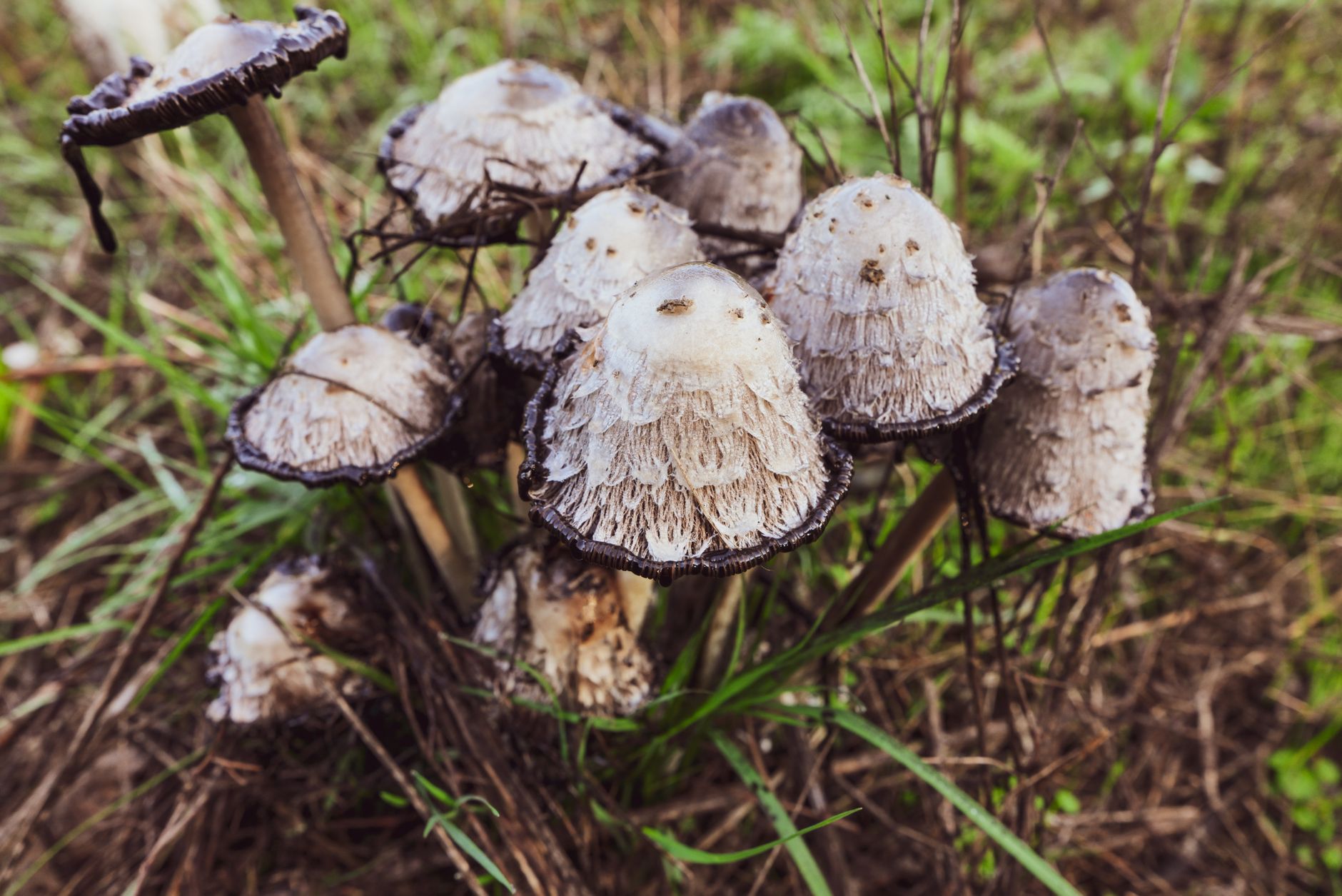
Shaggy mane (Coprinus comatus) is one of the most recognizable wild mushrooms, with a tall, white, shaggy cap that seems to melt into black ink as it matures. Many home growers want to cultivate it because of its delicate flavor and striking appearance, but this species is not as forgiving as oyster or shiitake mushrooms. Unlike wood-loving species, shaggy mane is a secondary decomposer that thrives in compost, manure, and disturbed soil. Before you start, understand that the North American Mycological Association (NAMA) stresses positive identification for any wild mushroom, and the same caution applies to cultivated specimens if you are unsure of the strain.
Growing shaggy mane at home is possible, but the best results come from outdoor beds or large containers filled with a compost-based substrate, not from indoor monotubs. This mushroom naturally fruits in lawns, garden beds, and along paths after cool, wet weather. You can mimic those conditions by preparing a nutrient-rich substrate and placing it in a shaded outdoor spot. Our best mushroom substrate guide explains why composted manure works better than sawdust alone for species like this. Still, indoor growers can succeed if they are willing to manage temperature, humidity, and fresh air exchange closely.
The timeline from spawn to harvest usually runs 6-8 weeks, depending on temperature and substrate depth. Colonization of the compost takes 2-4 weeks, then a casing layer is applied. After a temperature drop to 55-65°F and heavy misting, pins appear within 7-14 days. The main challenges are contamination from unsterile compost and the mushroom’s rapid deliquescence at maturity. Check our mushroom contamination identification guide before you start so you know what healthy mycelium looks like versus mold.
Finally, remember that shaggy mane is a delicate edible that must be cooked and eaten quickly. It does not store well, and it can cause reactions in some people who consume alcohol. For broader context on home mushroom cultivation, the Penn State Extension offers research-based guidance on compost management and food safety. If you want a simpler first project, our best mushroom grow kits for 2026 list includes easier species, but if you are ready for a challenge, follow the steps below.
What You’ll Need
- Composted horse or cow manure
- Chopped straw
- Hardwood sawdust
- Gypsum
- Shaggy mane grain spawn
- Large pot or steam pasteurizer
- Pressure cooker (optional for sterilization)
- Peat moss and vermiculite for casing
- Spray bottle or misting system
- Thermometer and humidity gauge
- Shallow outdoor bed or large containers with drainage
- Sharp knife for harvesting
How Do You Grow Shaggy Mane Mushrooms at Home?
- Choose the right shaggy mane strain and spawn
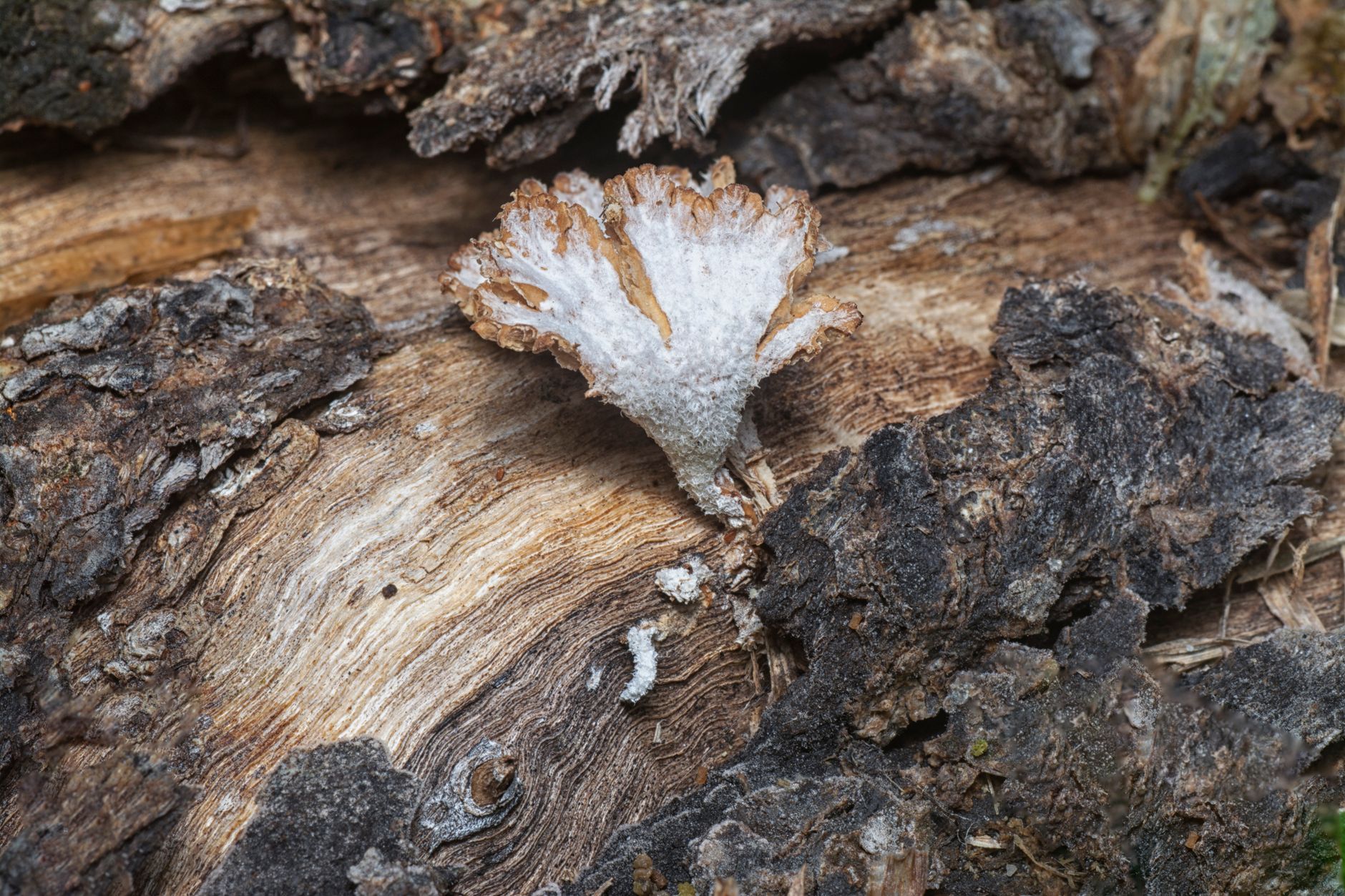
Start with a reputable supplier that sells Coprinus comatus as grain spawn, sawdust spawn, or liquid culture. For outdoor beds, grain spawn is easiest to mix into compost. Liquid culture gives you more control if you want to expand onto your own grain. Avoid wild spores collected from unknown mushrooms because identification errors can be fatal.
Shaggy mane spawn is less common than oyster or shiitake spawn, so order from a specialty mushroom supplier. Look for spawn that is fully colonized, white, and free of green, black, or orange patches. Healthy shaggy mane mycelium is cottony and can be slightly grayish. If you want to make your own grain spawn, follow our how to make grain spawn guide, but remember that rye or millet works well for this species.
For beginners, a ready-to-use spawn bag or a small outdoor kit may be easier. You can find mushroom grow bags on Amazon that work for mixing spawn into substrate. Still, the method below is more reliable than a small kit because shaggy mane needs a deep, cool bed of compost to fruit well. Plan for at least 1 pound of spawn per 5 square feet of bed or per 10 gallons of container substrate.
- Prepare a compost-based substrate
Shaggy mane needs a nutrient-rich substrate that mimics the composted manure and straw it colonizes in nature. A proven recipe is 50% composted horse or cow manure, 30% chopped straw, and 20% hardwood sawdust. Add gypsum at 5% of the total dry weight to buffer pH and improve structure. This mix holds moisture while allowing enough air for mycelial growth.
Mix the ingredients thoroughly in a wheelbarrow or large tub. The straw should be chopped into 2-4 inch pieces so it breaks down slowly and does not mat. If you cannot find composted manure, use a bagged compost product labeled for mushrooms, but avoid products with chemical fertilizers. Our best mushroom substrate guide compares different base materials and explains why compost beats coco coir for this species.
Pasteurize the substrate at 140-160°F for 1-2 hours to kill weed seeds, nematodes, and competitor molds while preserving beneficial thermophilic microbes. You can do this in a large pot, steam barrel, or oven. If you prefer full sterilization, pressure cook at 15 PSI for 90 minutes, but that also kills helpful bacteria that help shaggy mane fruit. For detailed instructions on heat treatment, see our how to pasteurize straw for mushrooms guide.
- Inoculate the substrate with spawn
Once the substrate has cooled to room temperature, crumble the shaggy mane grain spawn into the mix. Use a spawn rate of 5-10% by wet weight. For a 10-gallon container with about 20 pounds of substrate, that means 1-2 pounds of spawn. Mix thoroughly so the mycelium is evenly distributed.
Fill your outdoor bed or container with the inoculated substrate. For a bed, dig a trench 6-8 inches deep, fill it, and lightly tamp down. For containers, use large pots, laundry baskets, or grow bags with drainage holes. Avoid packing too tightly because shaggy mane mycelium needs oxygen. A loose, fluffy substrate colonizes faster than a dense one.
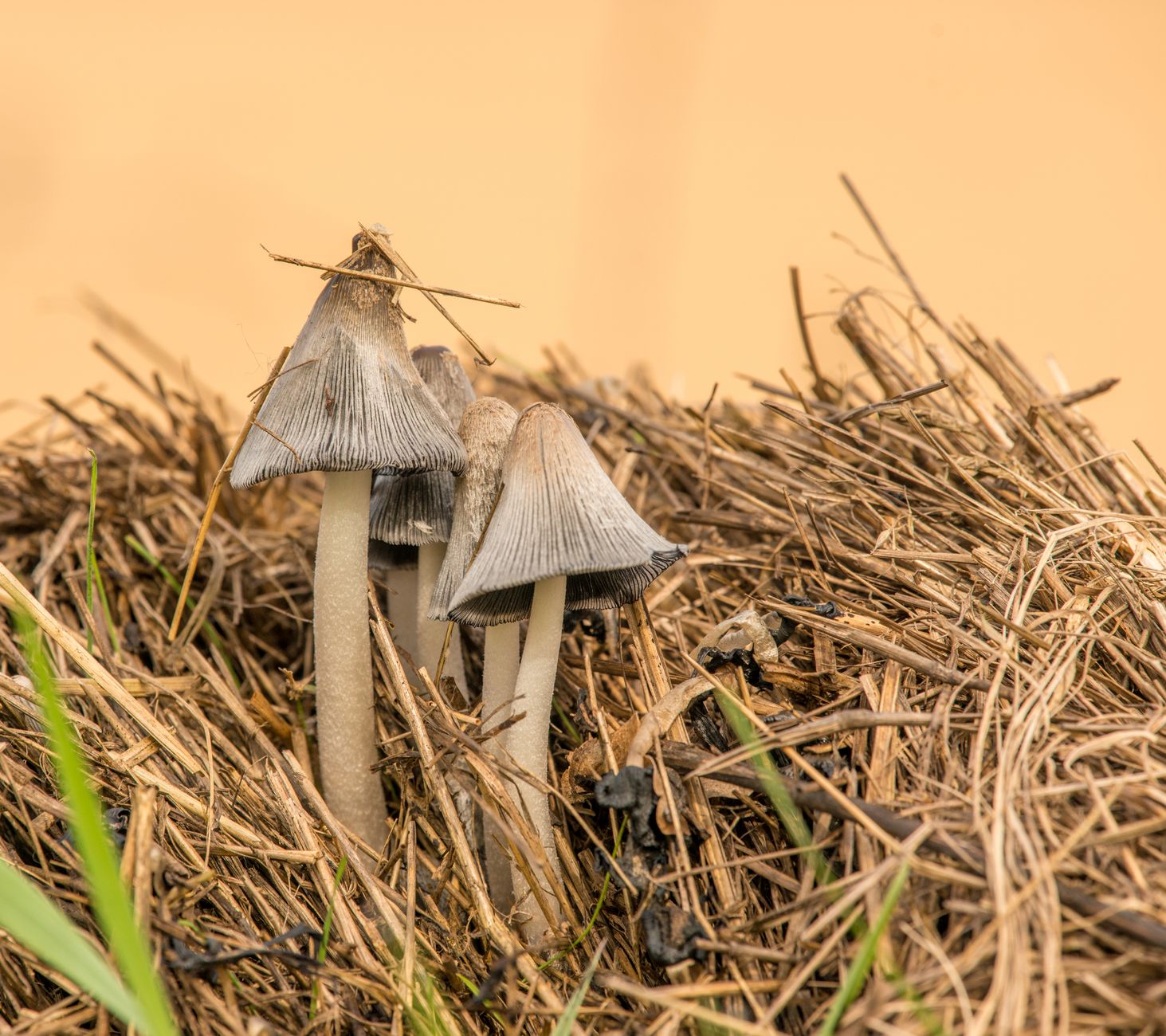
After inoculation, cover the surface with a thin layer of damp cardboard or burlap to hold moisture. Do not seal the bed with plastic because this species benefits from some gas exchange. Place the bed in a shaded spot where temperatures stay between 65-75°F. Colonization should be visible as white mycelial threads within 7-10 days and complete in 2-4 weeks.
- Incubate in dark, humid conditions
During the colonization phase, keep the substrate dark or in deep shade. Light is not needed for mycelial growth and can encourage premature fruiting. Maintain humidity around 90% by misting the covering material daily, but do not let the substrate become waterlogged. Standing water invites bacterial blotch and mold.
Check the bed or container every few days for signs of contamination. Healthy shaggy mane mycelium is white and ropey. Green, black, or orange spots indicate mold, and a sour smell suggests bacterial contamination. If contamination appears, remove the affected area immediately and discard it. Our mushroom contamination identification guide has photos and descriptions to help you tell the difference between healthy mycelium and common competitors.
Colonization usually takes 2-4 weeks, depending on temperature and spawn rate. If the bed is too cold, below 60°F, mycelial growth slows to a crawl. If too hot, above 80°F, competitors like Trichoderma thrive. A soil thermometer inserted into the bed can help you monitor internal temperature, which may run a few degrees warmer than the air due to decomposition.
- Case the colonized substrate
After the substrate is fully colonized, apply a 1-2 inch casing layer of peat moss and vermiculite mixed 50/50. Adjust the casing pH to about 7.5 using a small amount of calcium carbonate. The casing layer holds moisture near the surface and provides the microclimate where shaggy mane pins form.
Spread the casing evenly over the colonized substrate and mist it until it is damp but not soggy. The casing should feel like a wrung-out sponge. Do not pack it down. The goal is to create a humid, slightly alkaline layer that encourages the mycelium to move upward and form primordia. Check our mushroom fruiting conditions guide for tips on maintaining proper casing moisture.
Keep the casing layer in the dark for another 5-7 days at 65-70°F. During this time, the mycelium will colonize the casing partially but should not fully overrun it. If the mycelium grows too aggressively, increase air exchange or lower humidity slightly to slow it down. A light scratch of the casing surface can also help trigger pinning.
- Trigger fruiting with cooler temperatures and light
Shaggy mane needs a temperature drop to initiate fruiting. Move the container or open the bed cover to expose it to cooler air, targeting 55-65°F. If growing indoors, adjust your thermostat or place the container in a cool basement. Outdoor growers can wait for a natural cool snap in early fall or late spring.
Introduce a 12-hour light cycle using indirect sunlight or a low-intensity grow light. Shaggy mane does not need bright light, but a day/night cycle helps orient the mushrooms and supports healthy cap development. At the same time, increase fresh air exchange by removing any airtight covers and opening vents in a greenhouse or fruiting chamber. For small indoor grows, our DIY mushroom fruiting chamber guide shows how to build a simple setup with a humidity controller.
Maintain relative humidity between 85% and 95% by misting the casing surface 2-3 times per day. Use a fine spray bottle to avoid bruising young pins. Do not let water pool because that invites bacterial blotch. Pins should appear within 7-14 days after the temperature drop. They look like tiny white bullets pushing through the casing.
- Harvest shaggy mane at the right stage
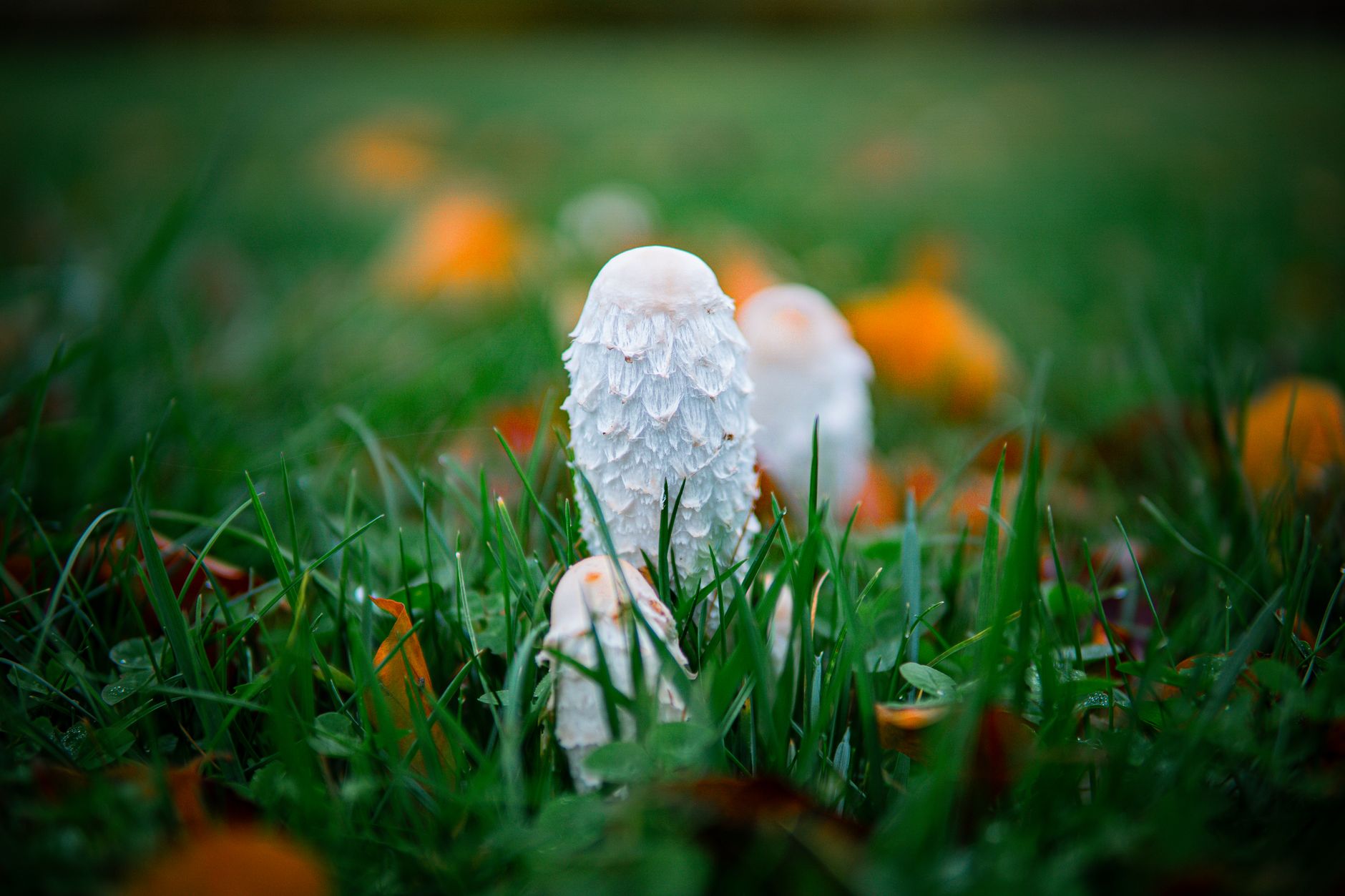
Harvest shaggy mane when the caps are fully elongated but still closed, before the gills start to darken and liquefy. The mushrooms will be 4-8 inches tall with a shaggy, white cap. Once the cap edges begin to curl and black ink appears, you have a very short window, sometimes only a few hours before the mushroom collapses into an inky mess.
To harvest, grasp the mushroom at its base and twist gently, or use a sharp knife to cut it just above the casing. Do not pull out chunks of casing. Harvest every day or twice daily during peak fruiting because shaggy mane matures quickly. If you miss one and it deliquesces, scrape it away so the black spore mass does not smother nearby pins.
Eat shaggy mane within a few hours of harvest. It does not store well, even in the refrigerator. Cook it thoroughly in butter or oil until the moisture cooks off. Never eat a wild mushroom unless an expert positively identifies it, and refer to NAMA’s safety guidelines if you have any doubt. For more on identifying contamination in home grows, see our why your mushroom grow kit has contamination article.
- Troubleshoot common problems
If your shaggy mane bed fails to fruit, the most common causes are insufficient temperature drop, low humidity, or a substrate that is too wet or too dry. Check the casing moisture daily. It should never be bone dry or dripping. If the mycelium overgrew the casing, scratch the surface lightly with a fork and increase fresh air exchange.
Slow colonization often comes from using old spawn, too low a spawn rate, or temperatures below 60°F. Warm the bed to 65-75°F and be patient. If you see green mold, remove that section and reduce moisture. For bacterial issues with a sour smell, discard the entire substrate because it cannot be saved. Our mushroom contamination identification guide explains how to prevent these problems next time.
Outdoor beds may also attract slugs, pill bugs, and other pests. Use copper tape around containers or sprinkle food-grade diatomaceous earth on the soil surface. Do not use chemical pesticides near edible mushrooms. Finally, remember that shaggy mane is not a high-yielding commercial species, so a small first harvest is normal. With practice, you can improve yields by fine-tuning the casing pH, humidity, and temperature drop.
Red Flags & Warnings
- 🚨 Never eat a wild mushroom unless an expert positively identifies it. Shaggy mane can be confused with toxic Amanita species when young. Always check with a local mycological society or NAMA.
- 🚨 Harvest shaggy mane before the cap deliquesces. Once the gills turn black and the cap drips ink, the mushroom is past prime and can cause digestive upset.
- 🚨 Avoid consuming alcohol within 72 hours of eating shaggy mane. Some people experience flushing, nausea, and rapid heartbeat, a reaction similar to coprine poisoning.
- 🚨 Do not over-mist the casing layer after pins form. Water pooling on young mushrooms promotes bacterial blotch, which appears as brown, slimy spots.
- 🚨 Use only pasteurized or sterilized composted manure. Raw manure can harbor E. coli, Salmonella, and other pathogens that transfer to the mushrooms.
- 🚨 Keep compost-based beds away from pets and small children. The manure substrate may contain residual pathogens even after pasteurization, and ingestion of raw substrate is unsafe.
Frequently Asked Questions
Can I grow shaggy mane indoors?
It is difficult because shaggy mane requires a sudden temperature drop, very high humidity, and a deep compost substrate. Indoor cultivation is possible with a dedicated fruiting chamber, but outdoor beds in shade are far more reliable.
How long does it take to grow shaggy mane?
Colonization of the substrate usually takes 2-4 weeks. After casing and a temperature drop to 55-65°F, first pins appear in 7-14 days. Mature mushrooms are ready to harvest about 2-3 weeks after fruiting begins.
What substrate is best for shaggy mane?
A mix of 50% composted manure, 30% straw, and 20% hardwood sawdust works well. Add gypsum at 5% of dry weight to buffer pH. Pasteurize at 140-160°F for 1-2 hours to kill competitors without destroying beneficial microbes.
Why do shaggy mane mushrooms turn to black ink?
Shaggy mane caps deliquesce as a spore dispersal mechanism. The gills liquefy into a black, spore-filled liquid. Harvest before this stage, ideally when caps are still closed and firm, because the ink is messy and the mushroom becomes inedible.
Is shaggy mane safe to eat?
Yes, when positively identified and cooked thoroughly. However, some people experience adverse reactions if they consume alcohol within a few days of eating shaggy mane. Never eat a wild mushroom unless an expert confirms its identity.
Can I use a mushroom grow kit for shaggy mane?
A few specialty suppliers offer shaggy mane kits, but success rates are lower than oyster or lion’s mane kits. Outdoor compost beds or large containers with a prepared substrate give more consistent results for this species.
What Should You Remember?
- Outdoor cultivation works best: Shaggy mane prefers compost-rich beds, not indoor fruiting chambers.
- Compost-based substrate: Use 50% composted manure, 30% straw, 20% hardwood sawdust, plus gypsum.
- Colonization takes 2-4 weeks: Keep the substrate at 65-75°F in the dark during this phase.
- Fruiting requires a temperature drop: Lower to 55-65°F and raise humidity to 85-95% to trigger pins.
- Harvest before deliquescence: Pick shaggy mane when caps are still closed and firm, before they turn to black ink.
- Avoid alcohol with meals: Some people get sick if they drink alcohol within 72 hours of eating this mushroom.
This article is for general information only. Mushroom identification and consumption carry health and safety risks , never eat a wild mushroom unless positively identified by an expert, and follow sterile technique and food-safety guidance for home grows.