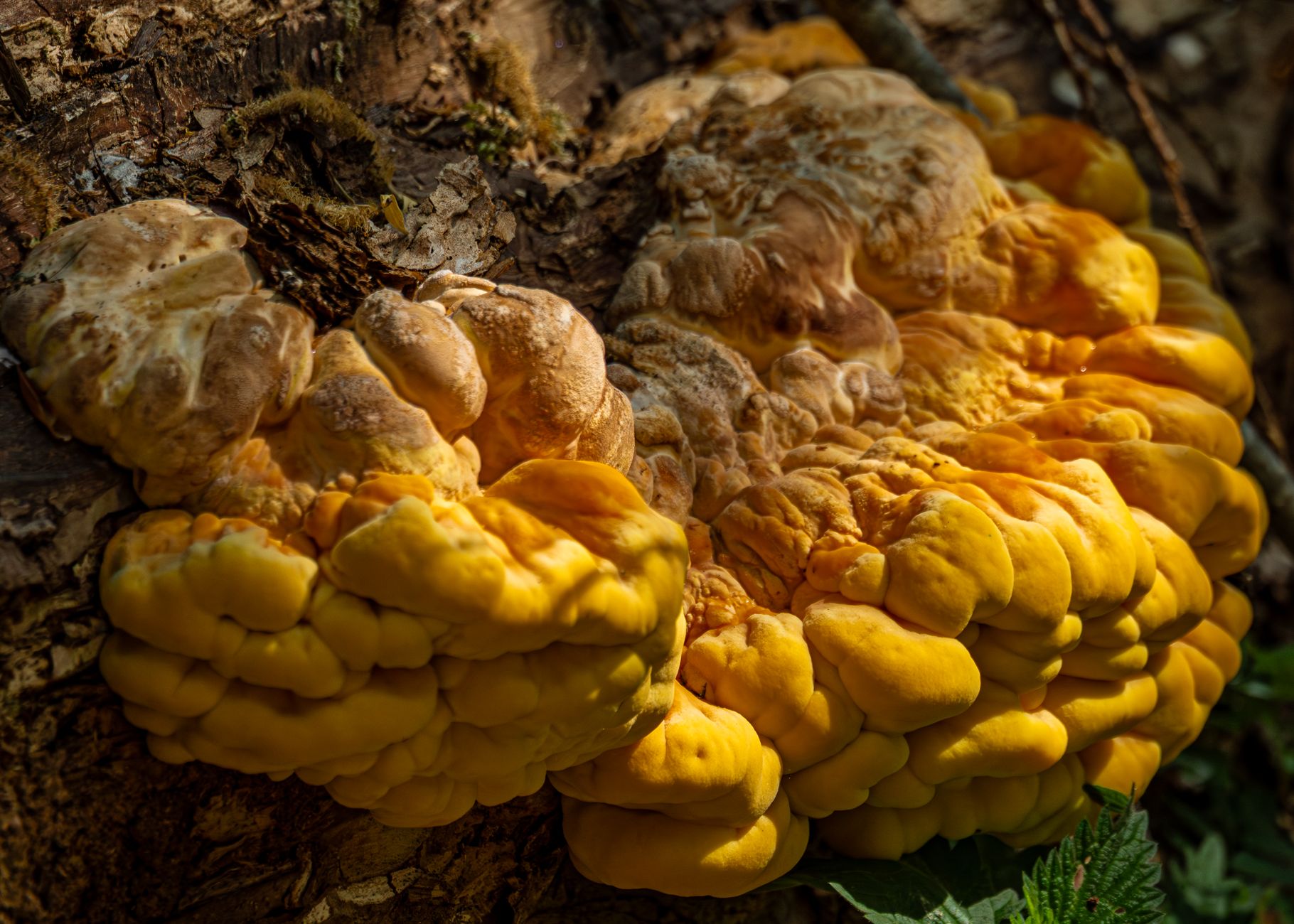
Chicken of the woods is one of the most striking edible mushrooms you can try to grow. Its bright orange and yellow shelves look like something from a coral reef. Wild specimens are prized by foragers for their meaty texture and mild flavor. Home cultivation is possible, but it is not a beginner project. The fungus has a reputation for being slow and picky. That said, if you enjoy dialing in exact conditions, it is a rewarding challenge. You need the right setup, the right spawn, and a lot of patience.
Most home growers start with oyster mushrooms because they forgive mistakes. Chicken of the woods does not forgive easily. It demands a woody substrate, specific temperature changes, and high fresh air exchange. Before you begin, spend time learning how substrates work. A good starting point is the best mushroom substrate guide. You will also need to decide between growing on logs outdoors or on supplemented sawdust blocks indoors. Both methods work, but they have different timelines and failure points.
The indoor sawdust method gives you the most control. You can incubate blocks at 70 to 75 degrees Fahrenheit for 30 to 60 days. Then you drop the temperature to 55 to 65 degrees Fahrenheit and raise humidity to 85 to 95 percent. Fresh air is critical. Without enough oxygen, chicken of the woods pins often stall and abort. This is not a set-and-forget mushroom. You will check your blocks almost daily during fruiting.
This guide walks through the entire process step by step. You will learn how to choose a cultivation path, source reliable spawn, prepare substrate, manage fruiting conditions, harvest, and troubleshoot failures. For deeper research, the Penn State Extension offers excellent mushroom cultivation resources. Always use a confirmed chicken of the woods culture for indoor grows. Never eat a wild mushroom unless an expert positively identifies it.
What You’ll Need
- Pressure cooker or large sterilizer
- Hardwood sawdust pellets
- Wheat bran or soybean hulls
- Mushroom spawn bags with filter patches
- Chicken of the woods sawdust spawn or liquid culture
- Humidity controller and humidifier
- Spray bottle
- Thermometer and hygrometer
How Do You Grow Chicken of the Woods at Home?
- Choose a cultivation path: supplemented sawdust blocks or logs
Chicken of the woods can grow on logs or supplemented sawdust blocks. Logs match the fungus’s natural habitat and can fruit for several years. The catch is that logs take at least a year to produce. Sawdust blocks give you faster feedback, usually in 2 to 4 months, but require more precise control. Choose logs if you have outdoor space and time. Choose blocks if you want to learn the indoor process.
For logs, use freshly cut oak, hickory, or beech. The wood should be 4 to 8 inches in diameter and 3 to 4 feet long. Cut logs in late winter before sap rises. Inoculate with plug spawn or sawdust spawn within 2 to 3 weeks of cutting. Do not use softwood like pine or cedar. Resins in those woods inhibit chicken of the woods mycelium.
Sawdust blocks are the better indoor path for most home growers. You can make grain spawn from a liquid culture using a guide on how to make grain spawn. Then use that spawn to inoculate supplemented hardwood sawdust. This method is still slower than oyster mushrooms. Still, it gives you a repeatable process for trial and error. Your first run may fail, but the conditions you record will guide the next attempt.
- Source reliable spawn or liquid culture
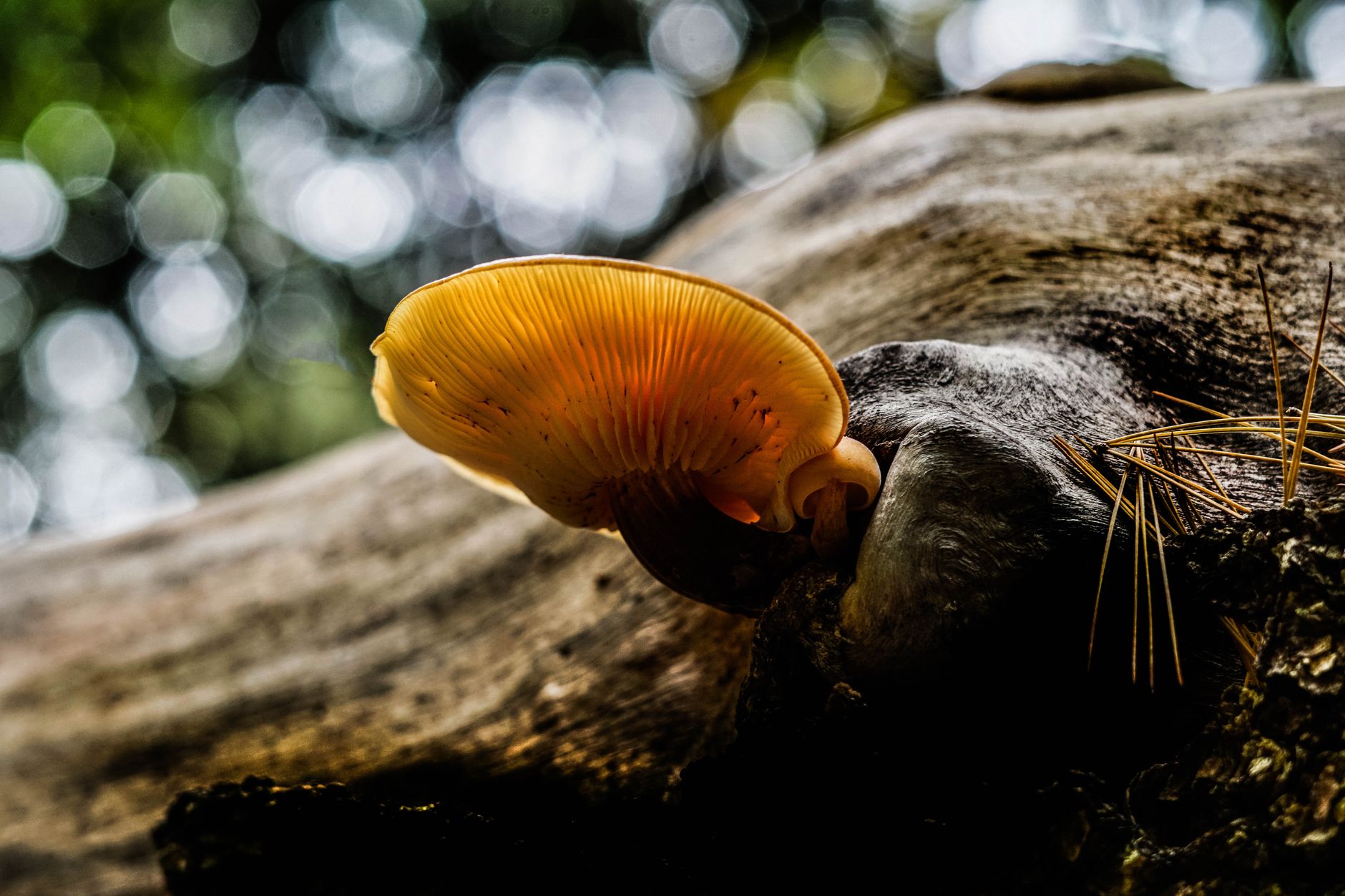
Not every chicken of the woods culture on the market is a reliable indoor fruiter. Look for a strain labeled as sawdust fruiting or indoor capable. Wild clones are exciting but often fail inside. Buy from a supplier that shares substrate and temperature notes. Cheap syringes from unknown sellers waste more time than money. Start with sawdust spawn or liquid culture from a culture library or reputable farm.
If you have access to a wild specimen and sterile technique, you can clone it. Take a small piece of interior tissue from a young bracket. Place it on agar. But keep your expectations low. Wild genetics are adapted to that specific tree and climate. The indoor transition is not always successful. A commercial strain selected for sawdust will save you months.
Store your spawn in the refrigerator until you are ready. Sawdust spawn usually lasts 3 to 6 months cold. Liquid culture can last 6 to 12 months. Let it come to room temperature for 24 hours before inoculation. Cold spawn is sluggish and can stall. Sanitize the outside of the package and your work area before opening.
- Prepare a supplemented hardwood sawdust substrate
Chicken of the woods prefers hardwoods. Oak, hickory, maple, and beech sawdust all work. A common indoor substrate is a mix of oak sawdust, 20 percent wheat bran, and water to 60 to 65 percent moisture. Penn State Extension publishes detailed substrate research that can help you refine ratios. Skip straw and manure. This fungus is a brown rot wood decomposer, not a straw lover.
For a 5-pound block, mix 4 cups of hardwood sawdust pellets, 1 cup of wheat bran, and about 5 cups of water. Soak the sawdust first so the pellets break apart. Then add bran and mix thoroughly. Check the hardwood sawdust pellets on Amazon. The mix should clump when squeezed but not drip. If it drips, add a little dry sawdust. If it crumbles, add water.
Sterilize the substrate or pasteurize? For supplemented sawdust, sterilize at 15 psi for 90 minutes. Unsupplemented sawdust can sometimes be pasteurized, but bran raises contamination risk. Do not skip sterilization. After the cycle, let the bags cool to room temperature in a clean area. Then inoculate within 24 hours to avoid competing molds.
- Inoculate in a clean space and incubate at 70 to 75 degrees Fahrenheit
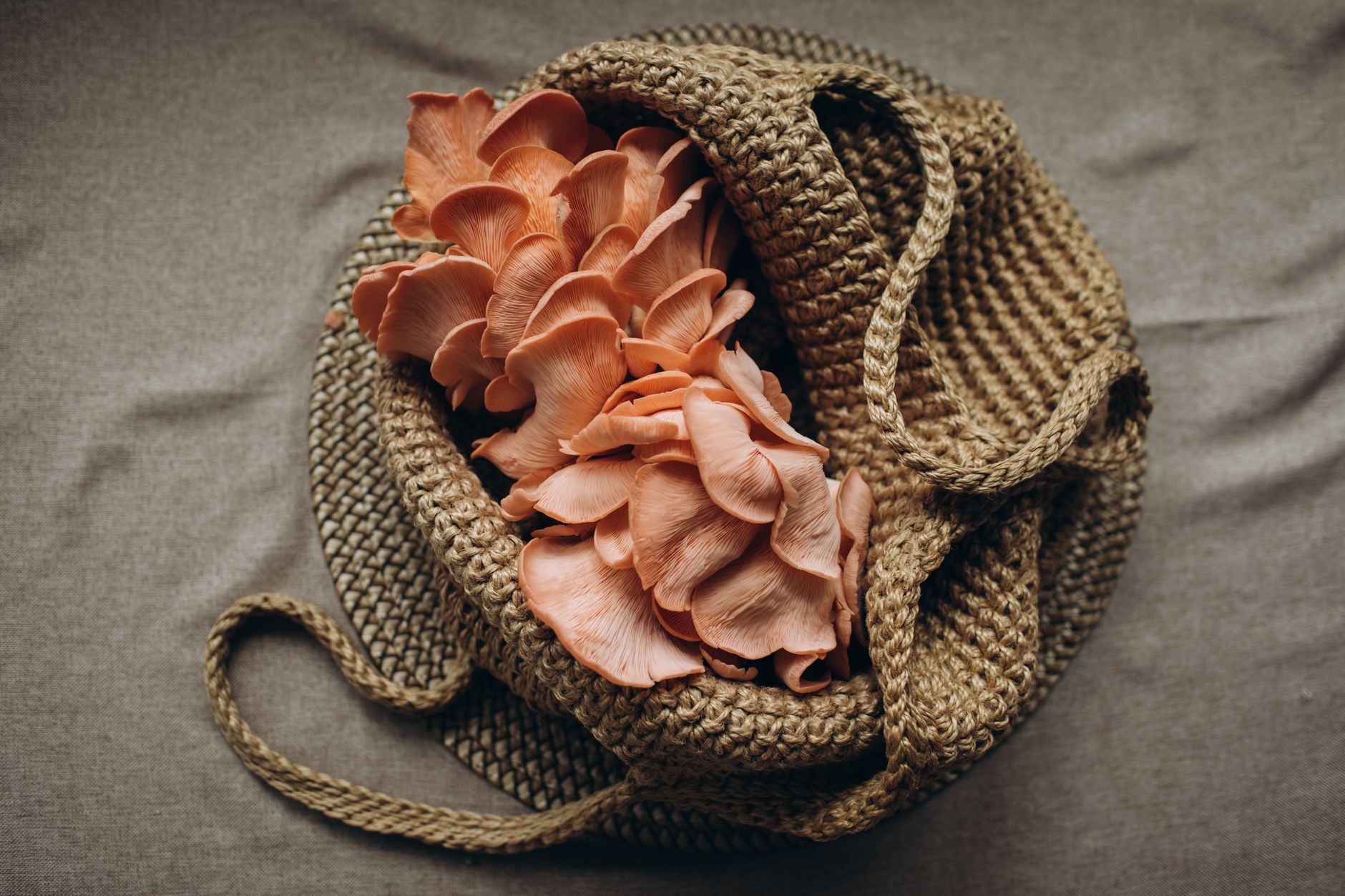
Inoculate in a still air box or in front of a laminar flow hood. Use 5 to 10 percent spawn by wet weight. For a 5-pound block, that means 4 to 8 ounces of spawn. Break up the spawn and mix it evenly through the substrate. Then seal the bag. mushroom contamination identification guide can help if you see something off later.
Use filter patch bags for gas exchange. Check the mushroom spawn bags on Amazon. Fold the top over and clip it closed. Keep the filter uncovered. Store the bags in a dark space at 70 to 75 degrees Fahrenheit. Check every few days. The mycelium should appear as white threads within 7 to 14 days.
Full colonization takes 30 to 60 days. Some cultures run slower. Do not rush them to fruiting. The block should feel firm and uniform. If you see green, black, or yellow spots, isolate and discard the bag. A sour smell is another sign of bacterial contamination. Patience during colonization prevents weak flushes later.
- Move blocks to fruiting conditions with high humidity and fresh air
Once the block is fully colonized, move it to a fruiting space. The key triggers are a temperature drop, high humidity, and fresh air. Aim for 55 to 65 degrees Fahrenheit. Raise humidity to 85 to 95 percent. You can build a small grow tent or use a diy mushroom fruiting chamber guide to keep conditions stable. A simple clear tote with holes and a humidifier works.
Fresh air matters more than many growers expect. Chicken of the woods produces dense clusters that need oxygen. Without 4 to 6 air exchanges per hour, primordia stall or abort. Run a small fan on low, not directly on the block. Carbon dioxide buildup will kill pin formation. Keep the exhaust moving but avoid drying the surface.
A Check the humidity controller on Amazon can automate your misting system. Set it to 90 percent with a 5 percent swing. If you hand mist, do it 3 to 5 times a day. But do not let water pool on the block. Surface moisture invites bacteria. Light should be indirect for 12 hours a day. A daylight LED on a timer is plenty.
- Trigger primordia and support young brackets
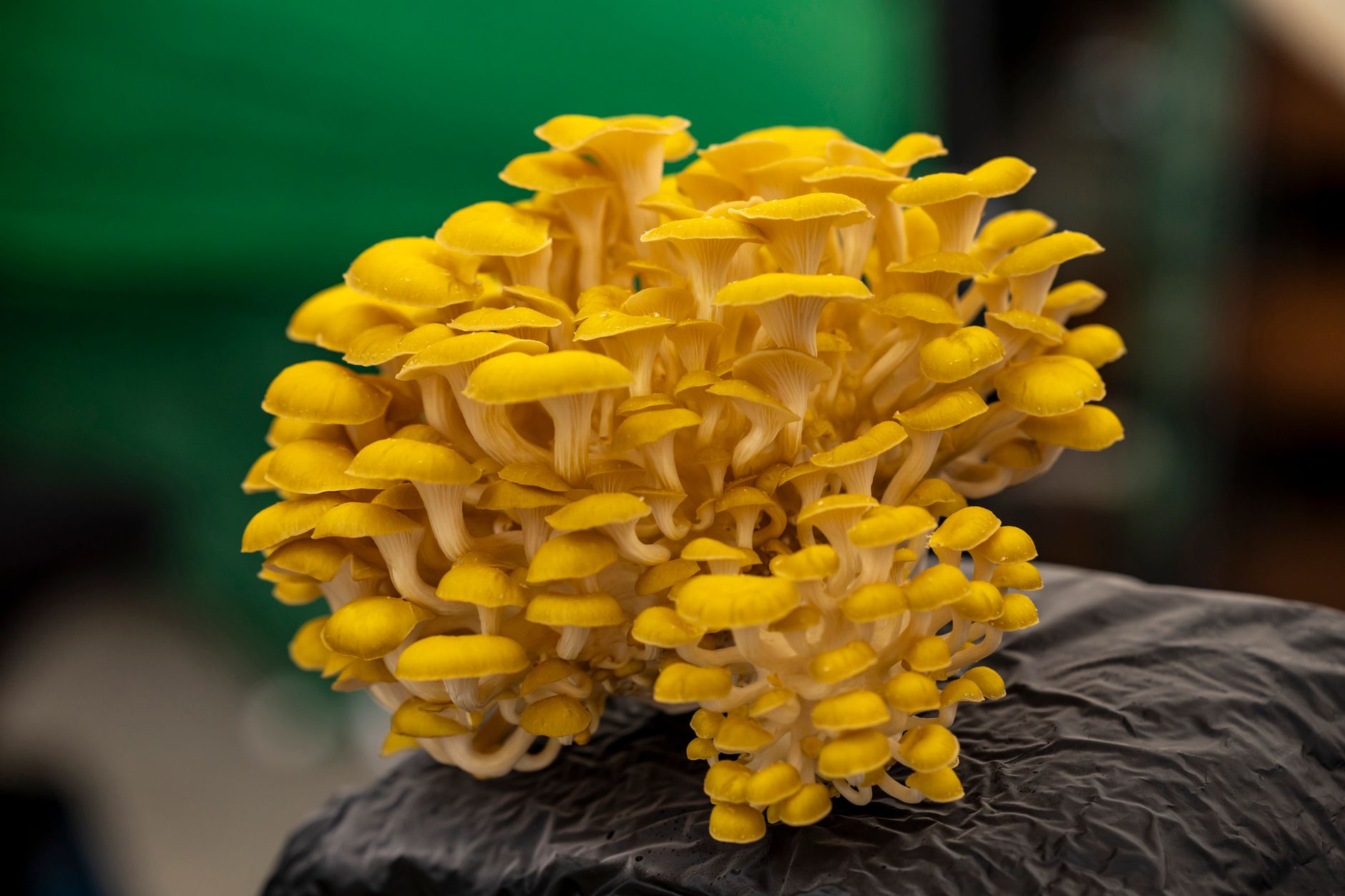
After the block has been in fruiting conditions for 7 to 14 days, small orange or yellow bumps should appear. These are primordia. They usually start along the sides or top where air hits the surface. Mist them lightly to keep the skin moist. Do not soak them. Young pins can abort if humidity swings more than 10 percent in a day.
Keep the temperature stable during this stage. A cold snap below 50 degrees Fahrenheit can stall growth. A hot spike above 75 degrees Fahrenheit can cause primordia to abort. Use a thermometer and check twice daily. The first flush may be just one or two clusters. That is normal for chicken of the woods. Later flushes are often smaller.
For more detail on pinning triggers, see the mushroom fruiting conditions guide. The same rules apply to many wood-loving species. If no pins form after 3 weeks, give the block a cold shock. Put it in a fridge at 38 to 42 degrees Fahrenheit for 12 to 24 hours. Then return it to fruiting conditions. This sometimes resets the fruiting cycle.
- Harvest young, tender brackets at the peak
Harvest chicken of the woods when brackets are 2 to 6 inches across and still pliable. The edges should be thick and fleshy, not thin and dry. Younger brackets taste far better. Cut them at the base with a clean knife. Do not yank. Yanking can tear the block and invite contamination. You may get another flush if you leave the base intact.
Cook every harvest thoroughly. Chicken of the woods contains compounds that can upset some stomachs. Start with a small portion the first time you try a new batch. The North American Mycological Association stresses that you should never eat a mushroom unless an expert identifies it. This guide assumes you are growing a confirmed culture. If you forage, get a local identification.
Fresh chicken of the woods keeps in the fridge for about a week. You can also slice and sauté it, then freeze it for later. Older specimens get woody and sour. If the underside pores turn brown and spongy, you waited too long. Compost old material and prepare for a second flush.
- Prevent contamination and troubleshoot slow growth
Contamination is the main reason home blocks fail. Common signs include green Trichoderma, black mold, or slimy bacterial blotch. If a bag shows contamination, do not open it indoors. Spores will spread. Wrap it in a plastic bag and put it in the trash. Sterilize your fruiting area before starting again. See why your mushroom grow kit has contamination causes and how to fix it for more cleanup steps.
Slow growth is another issue. If your block is not colonizing, check the temperature. Below 65 degrees Fahrenheit, mycelium slows down. Above 80 degrees Fahrenheit, it may die. Also check moisture. A block that is too wet goes anaerobic and smells sour. A block that is too dry stalls. Adjust one variable at a time so you know what you fixed.
Record your process. Note the strain, substrate recipe, colonization time, temperature drop, and first pin date. This data helps you replicate success and skip repeating failures. Even experienced growers struggle with chicken of the woods. Treat every run as an experiment. After a few flushes, you will learn what this strain wants in your space.
Red Flags & Warnings
- 🚨 Never eat a wild chicken of the woods unless an expert identifies it. Some lookalikes are toxic. This guide is for cultivated mushrooms only.
- 🚨 Chicken of the woods can cause gastrointestinal upset in some people. Cook thoroughly and try a small amount first.
- 🚨 Do not use softwood sawdust. Pine and cedar resins inhibit growth and can contaminate blocks.
- 🚨 Watch for green or black mold during spawn run. Discard contaminated blocks rather than trying to save them.
- 🚨 If you grow indoors, spores may irritate lungs. Harvest young or use a fruiting chamber with exhaust.
- 🚨 Expect failure on first attempt. Chicken of the woods is finicky. Keep notes on temperature and humidity shifts.
Frequently Asked Questions
How long does chicken of the woods take to grow at home?
Plan on 2 to 4 months from inoculation to first harvest. Sawdust blocks colonize in 30 to 60 days, then need 2 to 4 weeks to form primordia. Logs take much longer, often 1 to 2 years, before producing.
Is chicken of the woods hard to cultivate?
Yes, it is considered intermediate to advanced. Unlike oyster mushrooms, it has specific temperature and humidity triggers. Many home growers need several attempts before getting a solid flush.
What is the best substrate for chicken of the woods?
Supplemented hardwood sawdust works best indoors. A mix of oak sawdust, 20 percent wheat bran, and 60 to 65 percent moisture is a strong starting point. Fresh oak or beech logs also work outdoors.
Can I grow chicken of the woods indoors?
Yes, but you need a controlled fruiting space. Keep humidity at 85 to 95 percent, temperatures between 55 and 65 degrees Fahrenheit, and provide fresh air. Without those conditions, the fungus may never pin.
Why is my chicken of the woods not fruiting?
The usual causes are too little fresh air, low humidity, or a missing temperature drop. Try moving the block to a cooler spot and increase misting. It can take 2 weeks after the temperature shift to see primordia.
Does chicken of the woods really taste like chicken?
Many people say it has a mild, meaty texture similar to chicken breast. Cook it thoroughly before eating. Young brackets are tender; older ones become woody and sour.
What Should You Remember?
- Patience: Chicken of the woods is slower and more finicky than oyster mushrooms.
- Substrate: Use supplemented hardwood sawdust or fresh oak logs, not softwood.
- Incubation: Keep blocks at 70 to 75 degrees Fahrenheit for 30 to 60 days.
- Fruiting: Drop temperature to 55 to 65 degrees Fahrenheit and hold 85 to 95 percent humidity.
- Fresh air: Provide 4 to 6 air exchanges per hour or primordia stall.
- Harvest young: Pick brackets when 2 to 6 inches wide for best texture and flavor.
- Safety: Never eat any mushroom unless an expert confirms the identification.
This article is for general information only. Mushroom identification and consumption carry health and safety risks , never eat a wild mushroom unless positively identified by an expert, and follow sterile technique and food-safety guidance for home grows.