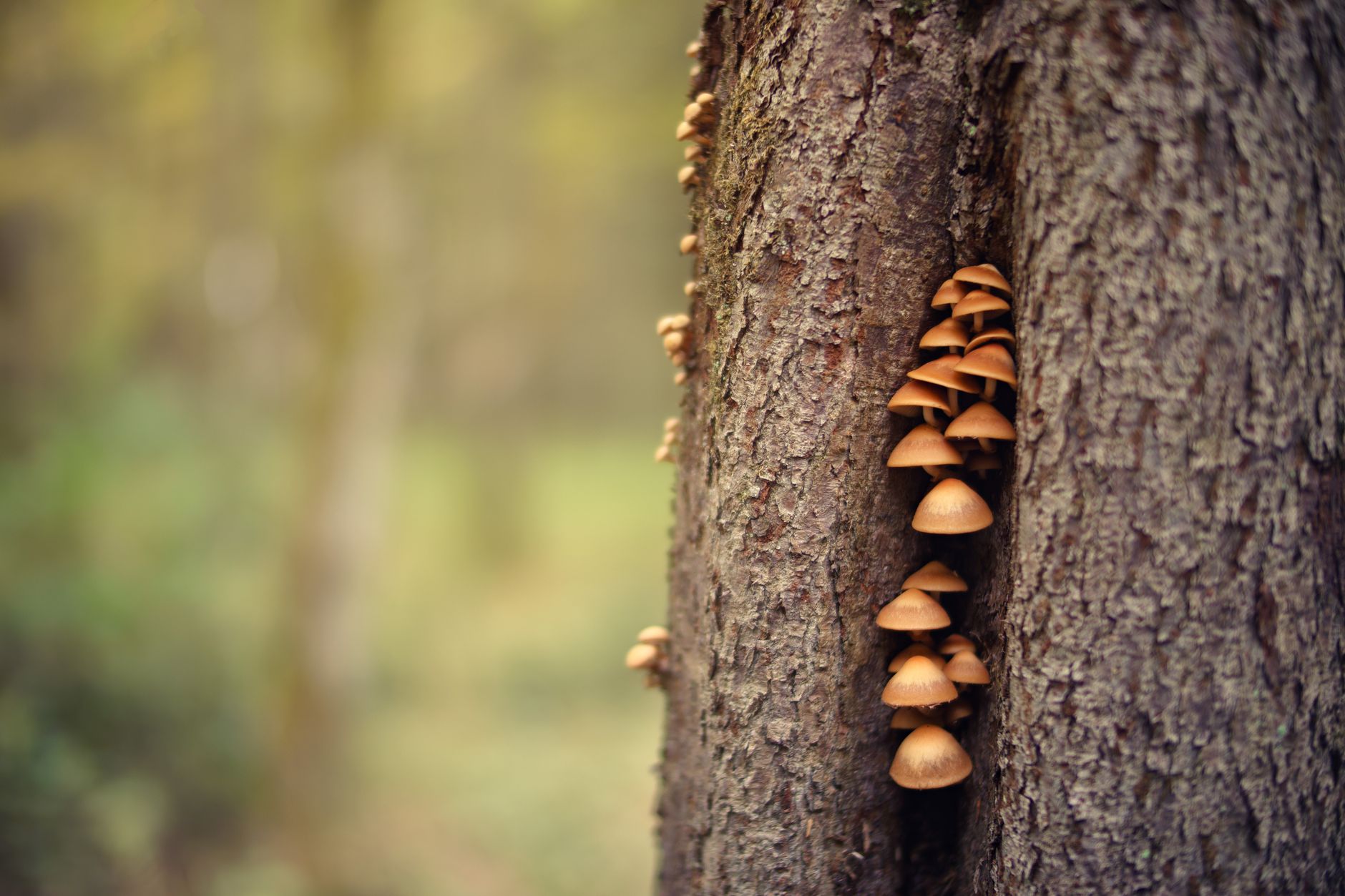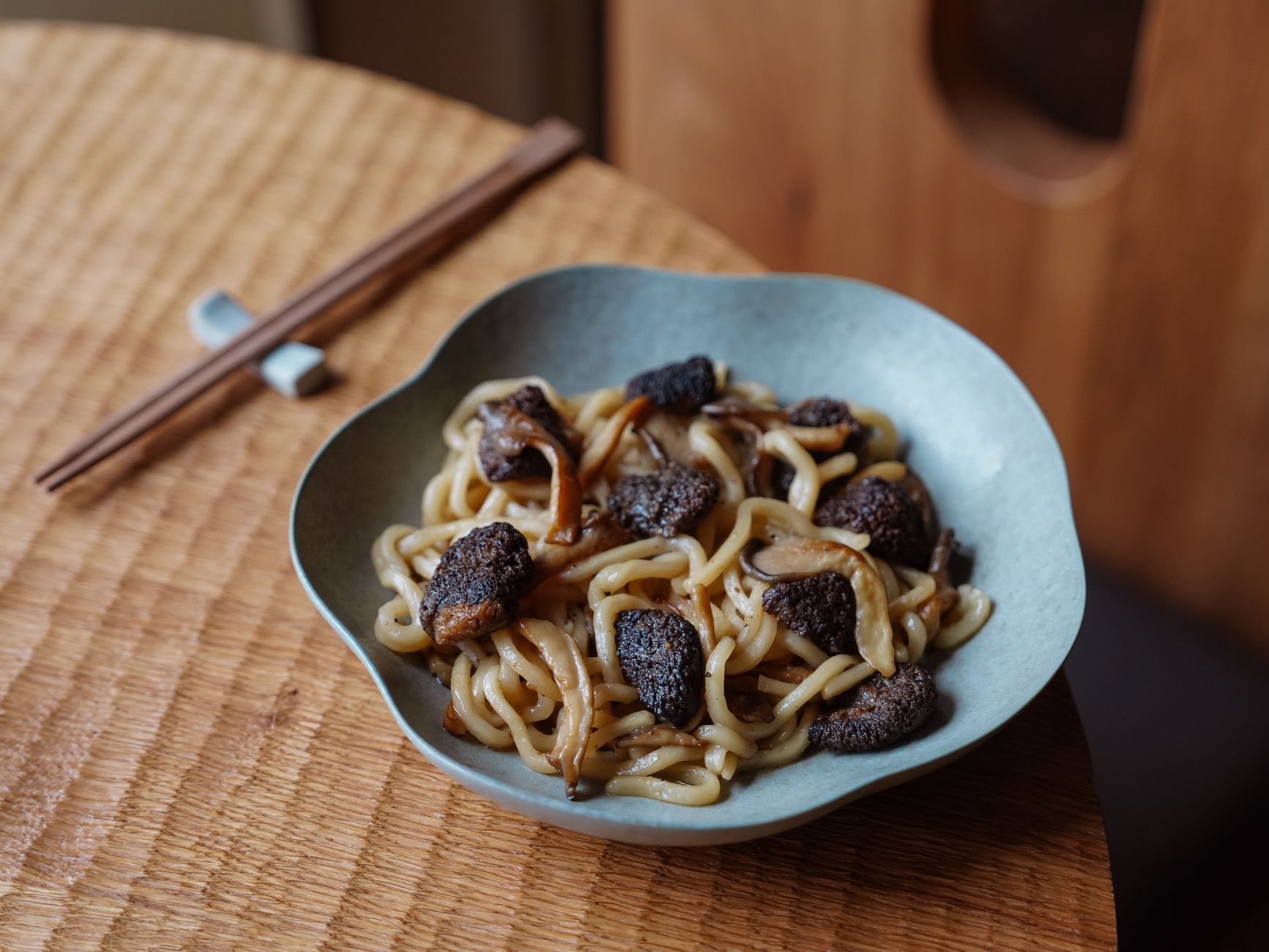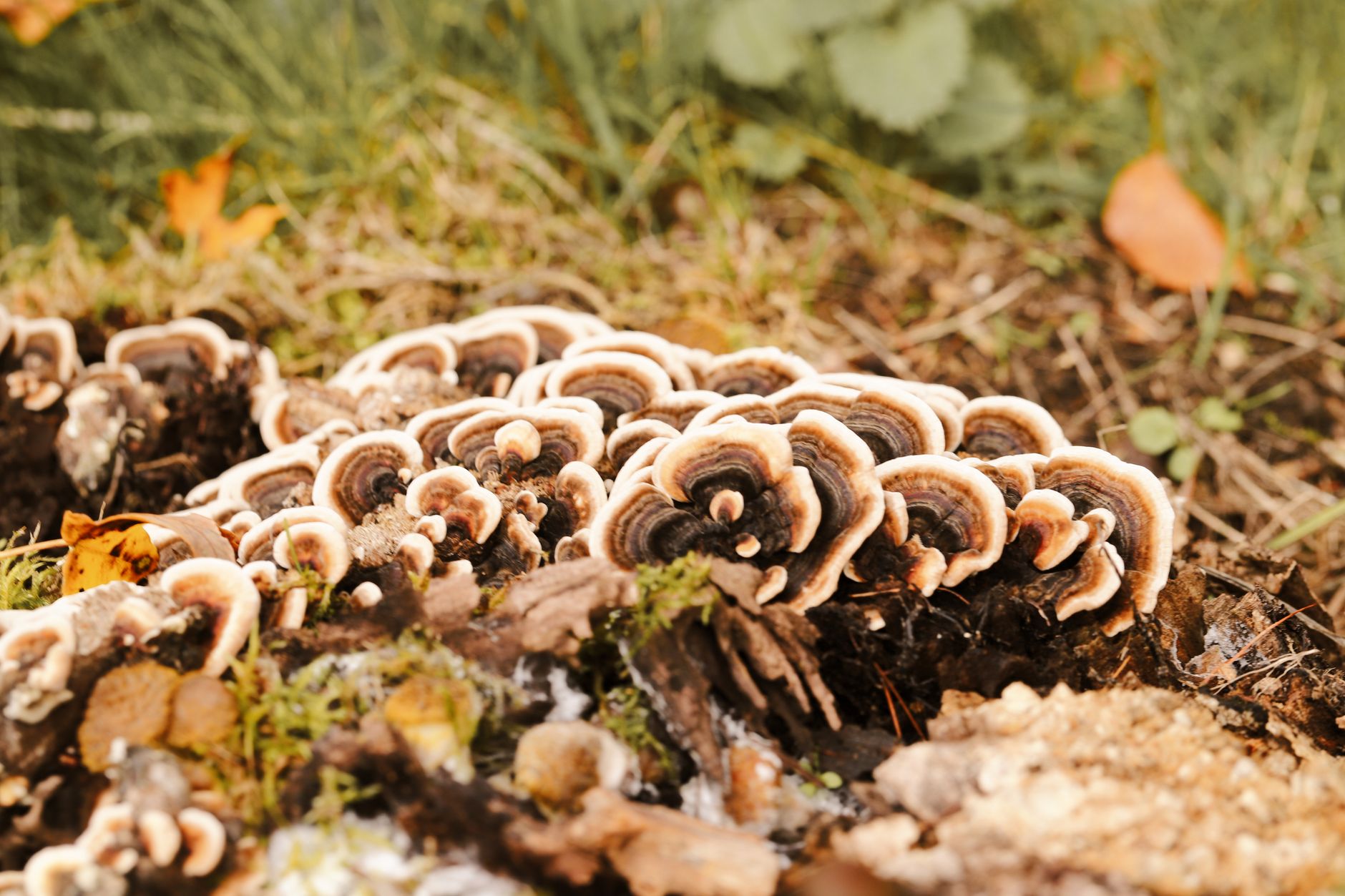
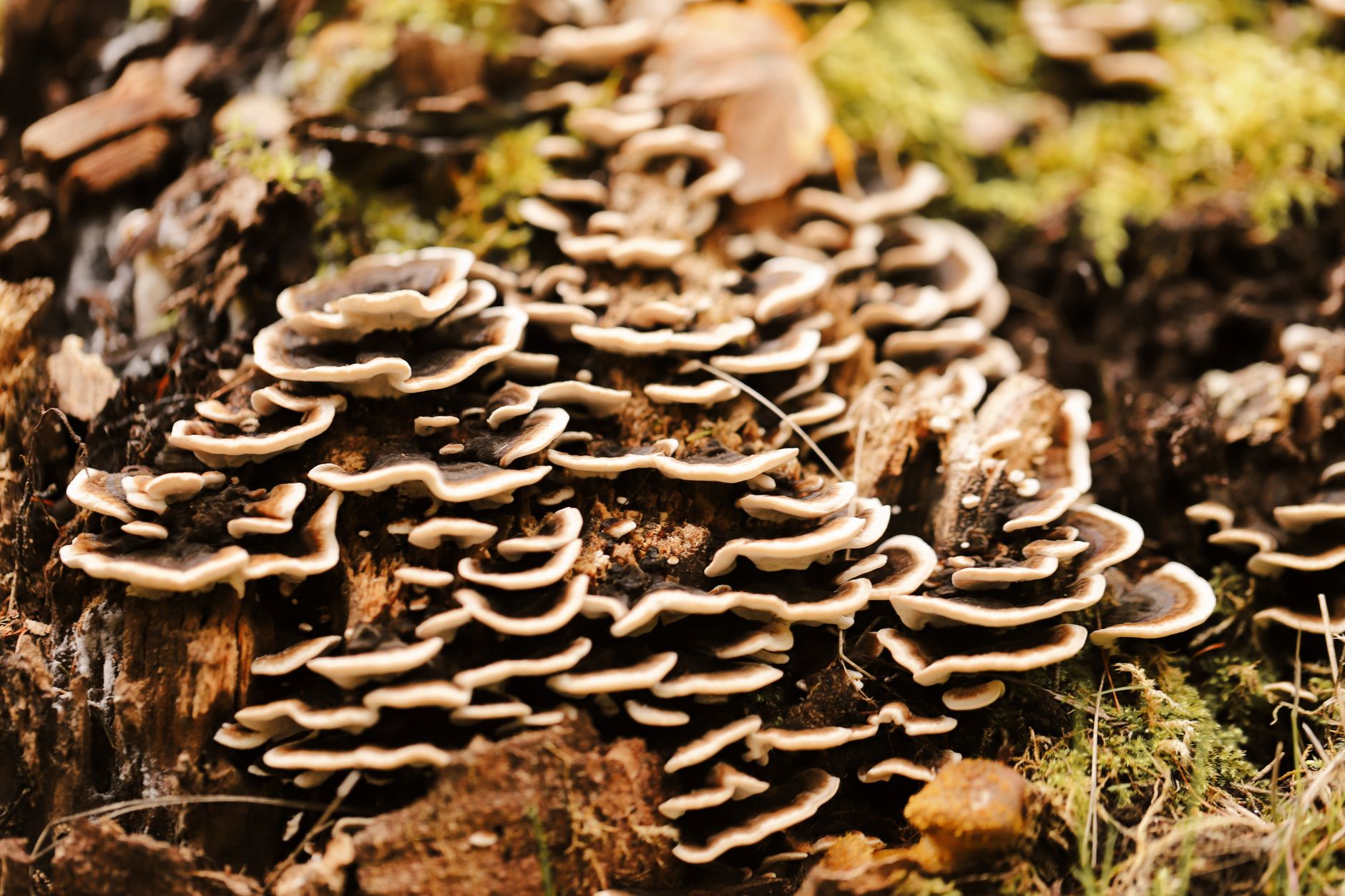
Turkey tail (Trametes versicolor) is one of the most recognizable medicinal mushrooms in North America. It forms thin, fan-shaped conks with bands of brown, white, gray, and sometimes blue or green. Unlike oyster mushrooms or shiitake, turkey tail is not grown for the dinner plate. Most growers cultivate it for dried tea, tincture, or extract. Indoor cultivation on supplemented hardwood sawdust makes it possible to produce clean, contaminant-free material year-round. Before you start, review the best mushroom substrate guide to understand why hardwood works so well for this species.
Home cultivation removes the risk of confusing turkey tail with lookalikes. The wild mushroom has several false cousins, including Stereum ostrea, which is tougher and lacks the same pore surface. Growing your own also gives you control over the substrate, water, and harvest timing. This matters because turkey tail is used in medicinal preparations where purity is important. You do not need a lab, but you do need patience. The process is slower than how to grow oyster mushrooms at home, but the steps are straightforward.
This guide focuses on indoor sawdust block cultivation. It is the most reliable method for beginners who want a manageable first crop. You will need a pressure cooker, filter patch spawn bags, hardwood fuel pellets, and a clean work area. The complete cycle runs roughly 8 to 16 weeks from inoculation to first harvest, depending on genetics and conditions. If you prefer a lower-maintenance outdoor route, logs will be mentioned in the first step. The same core principles of moisture, temperature, and fresh air still apply.
What You’ll Need
- Pressure cooker rated for 15 PSI
- Polypropylene filter patch spawn bags
- Hardwood fuel pellets
- Wheat bran
- Turkey tail spawn from a reliable supplier
- Still air box or laminar flow hood
- Spray bottle or humidifier
- Food dehydrator
- Thermometer and hygrometer
How Do You Grow Turkey Tail Mushrooms at Home?
- Choose sawdust blocks or logs as your method
Turkey tail can grow on many hardwood substrates. Indoors, supplemented sawdust blocks are the most practical. They colonize quickly, produce multiple flushes, and fit on a shelf. Outdoors, hardwood logs are lower maintenance but take much longer. A freshly cut oak or maple log can take one to three years to produce turkey tail conks. Sawdust blocks often fruit in three to six months from inoculation.
For most home growers, sawdust blocks are the better first project. You can control temperature and humidity without worrying about weather, insects, or competing fungi. The main tradeoff is labor. Sawdust blocks require mixing, bagging, and sterilization. Logs require drilling, plugging, and sealing, then waiting. If you already have a fruiting chamber or a clean shelf, indoor blocks will fit it well.
Decision point: choose sawdust blocks if you want harvests this season and have a pressure cooker. Choose logs if you have outdoor space, hardwood logs, and can wait. Many growers run both. Turkey tail is not aggressive enough to fruit well on straw, so skip straw pasteurization unless you are also growing oysters. The rest of this guide assumes the sawdust block method.
- Source or prepare healthy turkey tail spawn
Spawn is the mycelium growing on a carrier such as grain, sawdust, or wooden dowels. For indoor blocks, use grain spawn or sawdust spawn. Grain spawn has more inoculation points and spreads quickly through supplemented sawdust. Sawdust spawn is slower but less likely to attract grain-loving contaminants. A spawn rate of 5 to 10 percent by wet weight works well for turkey tail.
You can buy ready-to-use turkey tail spawn from a reputable supplier. Do not use spawn that looks wet, smells sour, or shows green, orange, or black spots. Penn State Extension’s mushroom cultivation guidance stresses clean, high-quality spawn as a foundation for success. If you have experience, you can prepare your own grain spawn. Review how to make grain spawn before attempting it.
Store purchased spawn in the refrigerator until use. Bring it to room temperature one day before inoculation. This reduces temperature shock and helps the mycelium recover. Use clean gloves and sanitize all surfaces. Turkey tail mycelium looks white and fuzzy at first, then tightens into a leathery mat. If the spawn is brown and dried out, it may still work, but growth will be slower.
- Prepare and sterilize a supplemented hardwood sawdust substrate
Turkey tail prefers hardwood sawdust or wood chips with a small amount of nitrogen supplement. A reliable recipe for one medium spawn bag is: 5 cups (about 1 pound dry) of hardwood fuel pellets, 1/4 cup of wheat bran, and 1.4 liters of warm water. The water rehydrates the pellets into sawdust. The target moisture is 60 to 65 percent. Squeeze a handful. It should feel like a damp sponge and release only a few drops of water.
Load the mixed substrate into filter patch spawn bags. Fold the bags so the filter patch stays clean. Sterilize at 15 PSI for 90 minutes in a pressure cooker. A pressure cooker is the most reliable home option. Check the pressure cooker on Amazon if you need one rated for 15 PSI. Use polypropylene bags rated for pressure cooking. Check the mushroom spawn bags on Amazon for bags that can handle the heat. You can also use atmospheric steam for four hours or more, but results vary.
Let the bags cool in a clean place overnight. Do not open them while warm. Hot substrate can suck in contaminated air as it cools. If you do not have a pressure cooker, use pre-sterilized sawdust blocks from a supplier. Once bags are fully cool, they are ready for inoculation.
- Inoculate the bags and incubate the spawn run
Move the cooled substrate bags to a still air box or in front of a laminar flow hood. Add spawn at 5 to 10 percent of the wet substrate weight. For a 5 pound block, that is about 4 to 8 ounces of spawn. Break up grain spawn into individual kernels. Mix or layer the spawn into the sawdust, then seal the bag. Leaving the filter patch exposed allows gas exchange.
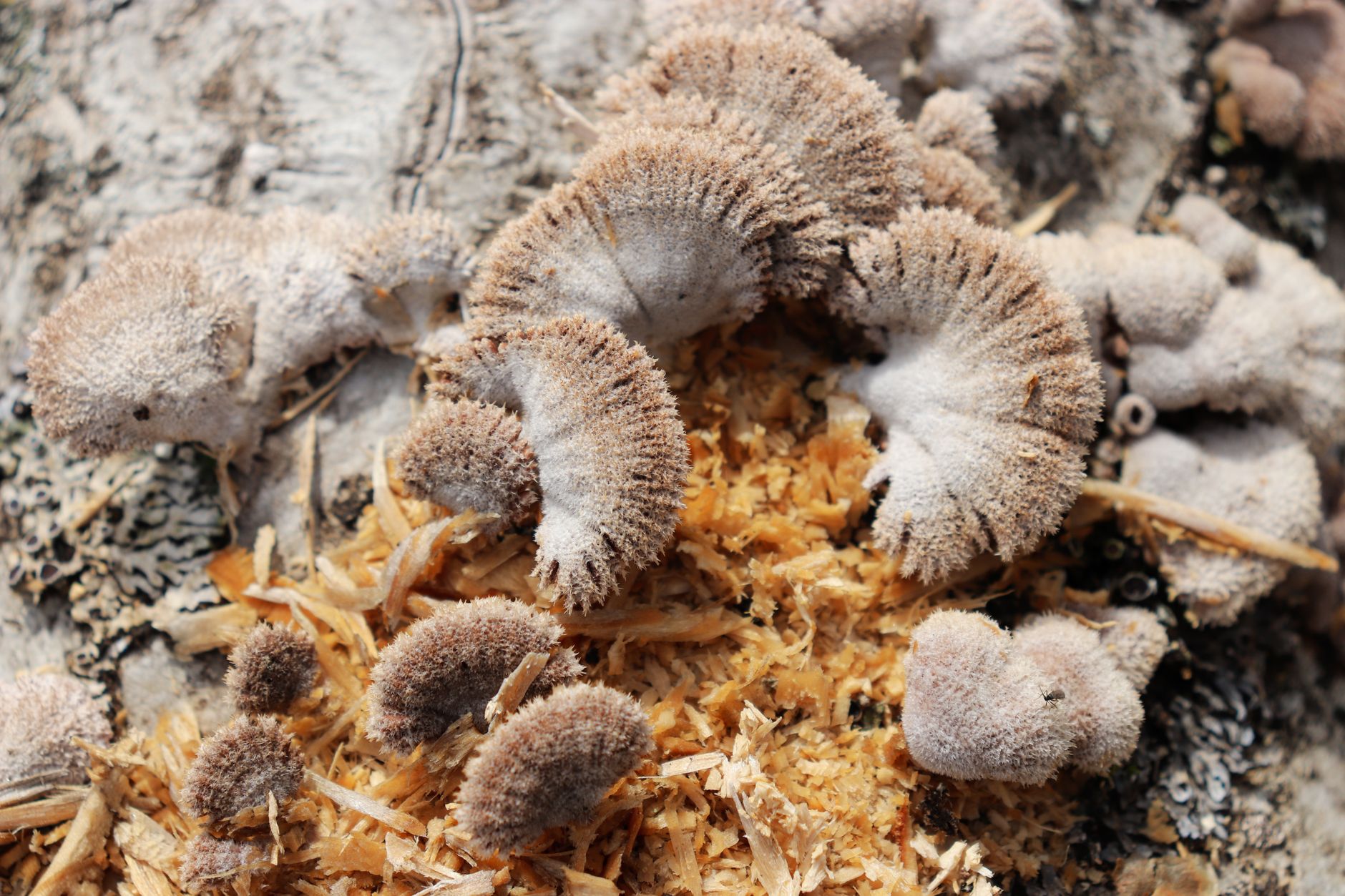
Place the bags in a dark or dim area at 70 to 75 degrees Fahrenheit (21 to 24 degrees Celsius). Colonization usually takes 14 to 30 days, but slower cultures can take six weeks. After one week, check for white mycelium radiating from spawn points. Do not disturb the bags too often. Temperature below 65 degrees slows growth. Above 80 degrees can stress the mycelium and invite competitors.
Watch for signs of contamination. Green mold, orange slime, or a sour smell means the bag should be discarded or buried outside. Turkey tail mycelium itself can be white with thin ropes, but it never turns green. The mushroom contamination identification guide will help you tell healthy mycelium from common molds. Once the bag is fully white, wait an extra three to five days to allow consolidation before fruiting.
- Trigger fruiting with fresh air, light, and humidity
Fully colonized blocks need a change in conditions to form turkey tail conks. Cut one or two small slits in the bag near where mycelium has thickened. Turkey tail can also fruit from the top if you open the bag slightly. The key is to expose a small area to fresh air without drying out the whole block. Increase relative humidity to 85 to 95 percent.
Keep fruiting temperatures between 60 and 70 degrees Fahrenheit (15 to 21 degrees Celsius). Turkey tail tolerates cooler rooms better than many tropical species. Provide indirect light for about 12 hours per day. A simple LED strip or shaded window light works. Mist the cut area daily or run a humidifier. Avoid spraying so much that water pools in the bag.
Use a fruiting chamber if your room air is dry. The mushroom fruiting conditions guide covers setups from a simple plastic tote to an automated greenhouse. Turkey tail does not need high carbon dioxide like some mushrooms. In fact, fresh air exchange encourages dense, colorful bands. Expect the first small bumps within two to four weeks. The conks then expand into overlapping fans.
- Harvest and dry the turkey tail conks
Turkey tail is ready to harvest when the outer edge is still white and the caps feel leathery but not dry. Growth slows after the conks reach one to three inches across. You can harvest individual clusters by cutting or twisting them off the block. Do not wait until the edges turn brown and brittle on the block. Late harvests lose some of the bright color and can become tough to clean.
Rinse the clusters briefly and pat them dry. Dry them at 95 to 115 degrees Fahrenheit until they snap like a dry leaf. A food dehydrator works best. Check the food dehydrator on Amazon if you need a reliable unit. You can also air-dry turkey tail on a rack in a warm room, but this takes several days. The final dry weight is usually 5 to 10 percent of the fresh weight.
After the first harvest, rehydrate or mist the block and return it to fruiting conditions. Turkey tail blocks often produce two to four flushes. Later flushes can be smaller but still potent. If the block dries out, soak it in cold water for four to six hours. If it contaminates between flushes, discard it.
- Store and use your homegrown turkey tail
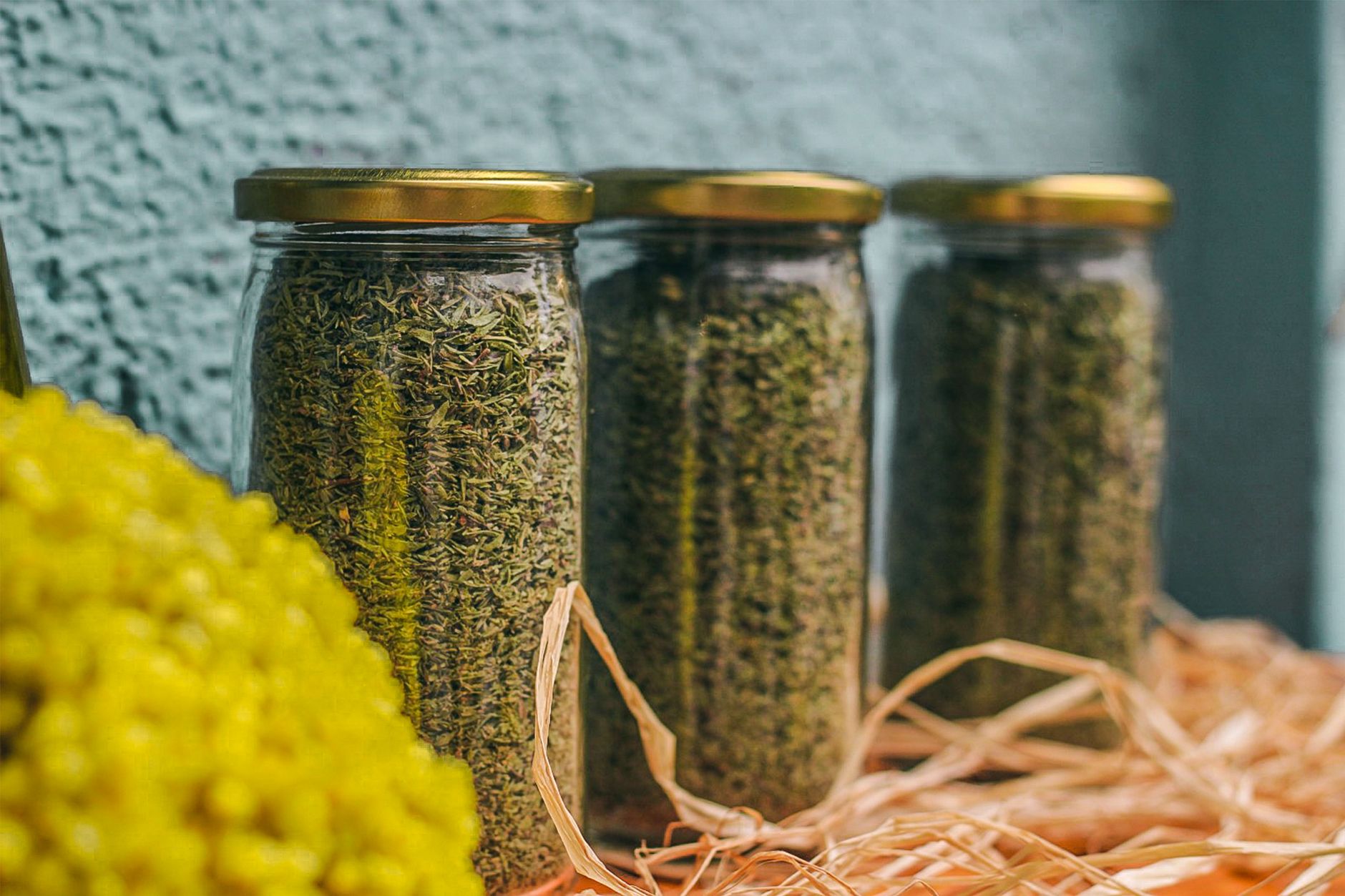
Store fully dried turkey tail in an airtight glass jar or vacuum-sealed pouch. Keep the container in a cool, dark cabinet. Moisture is the enemy. If the pieces soften, dry them again. Properly dried turkey tail can last one to two years without losing significant quality. Label the jar with the harvest date and substrate batch.
Turkey tail is not a tender edible mushroom. The fresh conks are tough and leathery. Most people use dried turkey tail in teas, decoctions, or tinctures. Simmer one to two grams of dried pieces in water for 30 to 60 minutes. The hot water extract pulls out polysaccharides. You can also powder the dried mushrooms in a blender or coffee grinder.
Do not experiment with unverified wild-harvested material. If you also forage, always have fresh specimens checked by an expert. The North American Mycological Association provides identification resources and local club contacts. Your homegrown turkey tail avoids this risk because you know the culture source. Still, keep good records so you can trace any problem batch.
Red Flags & Warnings
- 🚨 Never eat wild turkey tail without a positive identification from an expert. False turkey tail (Stereum ostrea) and other thin polypores can look similar. Check the North American Mycological Association resources before consuming any foraged mushroom.
- 🚨 Do not use spawn or substrate with green, black, or orange mold. Discard contaminated bags immediately. Composting or burying them outside can still spread spores indoors.
- 🚨 Only use polypropylene bags rated for pressure cooking. Regular plastic bags can melt at 15 PSI and cause a mess or injury.
- 🚨 Keep the substrate hydration between 60 and 65 percent. Overly wet substrate encourages bacterial contamination and slows colonization.
- 🚨 Be patient. Turkey tail is slower than oyster mushrooms. Do not open the bag too early. Premature fresh air can stall colonization or invite contaminants.
- 🚨 Do not rely on a quick sniff test to identify contamination. Some bacteria do not smell. Use visual cues and, when unsure, isolate the bag.
Frequently Asked Questions
Can I grow turkey tail mushrooms indoors?
Yes. Indoor sawdust blocks with a pressure cooker and fruiting chamber work well. Keep temperatures at 70-75°F during colonization and 60-70°F during fruiting, with 85-95% humidity.
How long does turkey tail take to grow?
Colonization takes 14 to 30 days, and first fruit bodies appear two to four weeks after moving to fruiting conditions. The whole cycle from inoculation to first harvest usually runs eight to sixteen weeks.
What is the best substrate for turkey tail?
Supplemented hardwood sawdust made from hardwood fuel pellets and wheat bran is best. A common recipe is 5 cups pellets, 1/4 cup wheat bran, and 1.4 liters water per spawn bag.
Do I need a pressure cooker?
A pressure cooker rated for 15 PSI is strongly recommended. You can also use atmospheric steam for four hours or more, or buy pre-sterilized sawdust blocks, but pressure cooking is more reliable.
Is turkey tail edible?
It is not eaten as a normal culinary mushroom because it is tough and chewy. Most people dry it and use it for tea, powder, or tincture. Never eat any mushroom you cannot identify.
How do I know if my turkey tail block is contaminated?
Look for green, black, or orange spots, slime, or sour smells. Healthy turkey tail mycelium is white and leathery. If you see mold, discard the bag outside and sanitize the grow area.
What Should You Remember?
- Start with sawdust blocks. Indoor supplemented sawdust blocks fruit faster than logs and are easier for home growers to control.
- Use 60-65% moisture substrate. Five cups hardwood pellets, 1/4 cup wheat bran, and 1.4 liters water make one spawn bag.
- Sterilize at 15 PSI for 90 minutes. This kills contaminants before you add spawn.
- Colonize at 70-75°F for 14-30 days. Wait until the block is fully white before fruiting.
- Fruit at 85-95% humidity. Provide fresh air and indirect light to encourage colorful, dense conks.
- Dry at 95-115°F. Store brittle pieces in airtight jars away from light and moisture.
This article is for general information only. Mushroom identification and consumption carry health and safety risks , never eat a wild mushroom unless positively identified by an expert, and follow sterile technique and food-safety guidance for home grows.