Growing black truffles at home is not like fruiting oyster mushrooms on straw. The black truffle, Tuber melanosporum, is a mycorrhizal fungus that must colonize the roots of a living tree. You cannot grow it in a bucket, a grow bag, or a humidity chamber. Instead, you plant inoculated host tree seedlings and manage a small outdoor orchard for years. The reward is a crop of intensely aromatic underground fruit, but the timeline and conditions are demanding.
The first thing to accept is that this is an outdoor landscape project. Black truffles need a Mediterranean-type climate, alkaline and free-draining soil, and a compatible tree. Penn State Extension points out that truffle soils must be tested and amended long before planting. If your yard has acidic clay, you can still amend, but the work is substantial. Best mushroom substrate guide explains indoor substrate options, but truffles bypass those entirely.
Still, with inoculated seedlings, disciplined soil care, and patience, a home grower can produce black truffles. The process includes selecting host trees, adjusting soil pH, planting, irrigation, pruning, and training a dog for harvest. This guide gives real data points for pH, spacing, moisture, and harvest timing. If you want a faster edible mushroom project, how to grow lion’s mane at home is a better indoor fit.
Do not confuse black truffles with chocolate truffles or magic mushrooms. Black truffles are edible ascomycete fungi that fruit underground. The North American Mycological Association stresses that wild mushroom identification must be left to experts. For cultivation, always buy certified inoculated seedlings from a reputable nursery. This ensures you are actually growing Tuber melanosporum and not a look-alike.
What You’ll Need
- Soil pH test kit or professional lab test
- Agricultural lime and gypsum
- Inoculated oak or hazel seedlings
- Drip irrigation system
- Tree guards and mulch
- Hand trowel or truffle rake
- Scent training kit for dog (optional)
How Do You Grow Black Truffle at Home?
- Understand the Black Truffle Life Cycle and Home Limits
Black truffles are ectomycorrhizal fungi. They form a sheath around fine roots of host trees such as oaks and hazels. The fungus receives sugars from the tree. In return, it helps the tree absorb water and minerals. The truffle itself is the underground fruiting body that forms near the root zone. This is why indoor cultivation in a monotub or fruiting chamber does not work.
The species to grow at home is Tuber melanosporum, also called Perigord truffle. It fruits from December to March in most climates. It requires a host tree, high pH soil, and low nitrogen levels. The North American Mycological Association reminds growers that truffle identification is not a guessing game. For cultivation, always buy inoculated seedlings from a nursery that verifies mycorrhization.
The timeline is long. After planting, the mycorrhizal network needs several seasons to establish. First truffles typically appear 5 to 8 years later. Full production can take 10 years. If you want a faster indoor project, how to grow oyster mushrooms at home is much quicker. But for truffle flavor, the wait is part of the process.
- Select Truffle-Compatible Host Trees
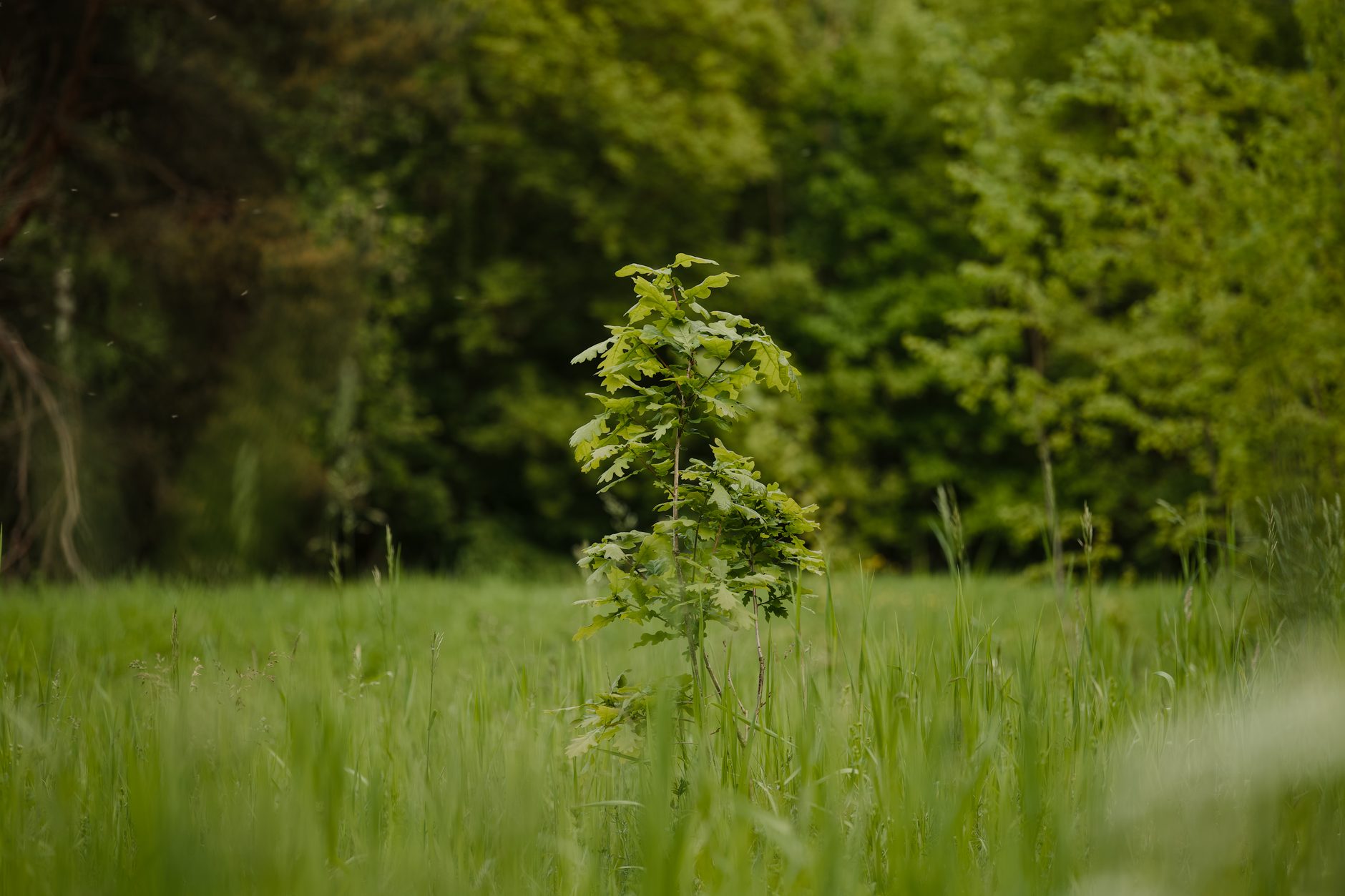
Choose host trees that form strong association with Tuber melanosporum. English oak, holm oak, and European hazel are reliable in many regions. Some native oaks can work, but quarantine and performance vary. Buy seedlings that are already inoculated, not bare-root trees from a big-box store. The mycorrhizal roots must be established before planting.
Check the nursery documentation. A good seedling shows multiple root tips colonized by Tuber melanosporum under a microscope. Poorly colonized seedlings will waste years of site preparation. Plant at least five trees to increase chances. Space them 12 to 15 feet apart. This gives each tree enough root zone without too much competition.
Climate matters as much as species. Black truffles need cool winters and warm, dry summers. They can handle frost but not long spells below about 10 degrees Fahrenheit. They also dislike constant humidity. If your region has hot, wet summers, black truffle production is less likely. Match your site to the tree and the fungus.
- Test and Prepare Alkaline, Free-Draining Soil
Soil is the deciding factor. Black truffles require a pH between 7.5 and 8.3. Most garden soils sit between 5.5 and 6.5, which is too acidic. You must add agricultural lime to raise pH. Get a professional soil test before planting. Penn State Extension recommends soil testing for any truffle site. Do not skip this step.
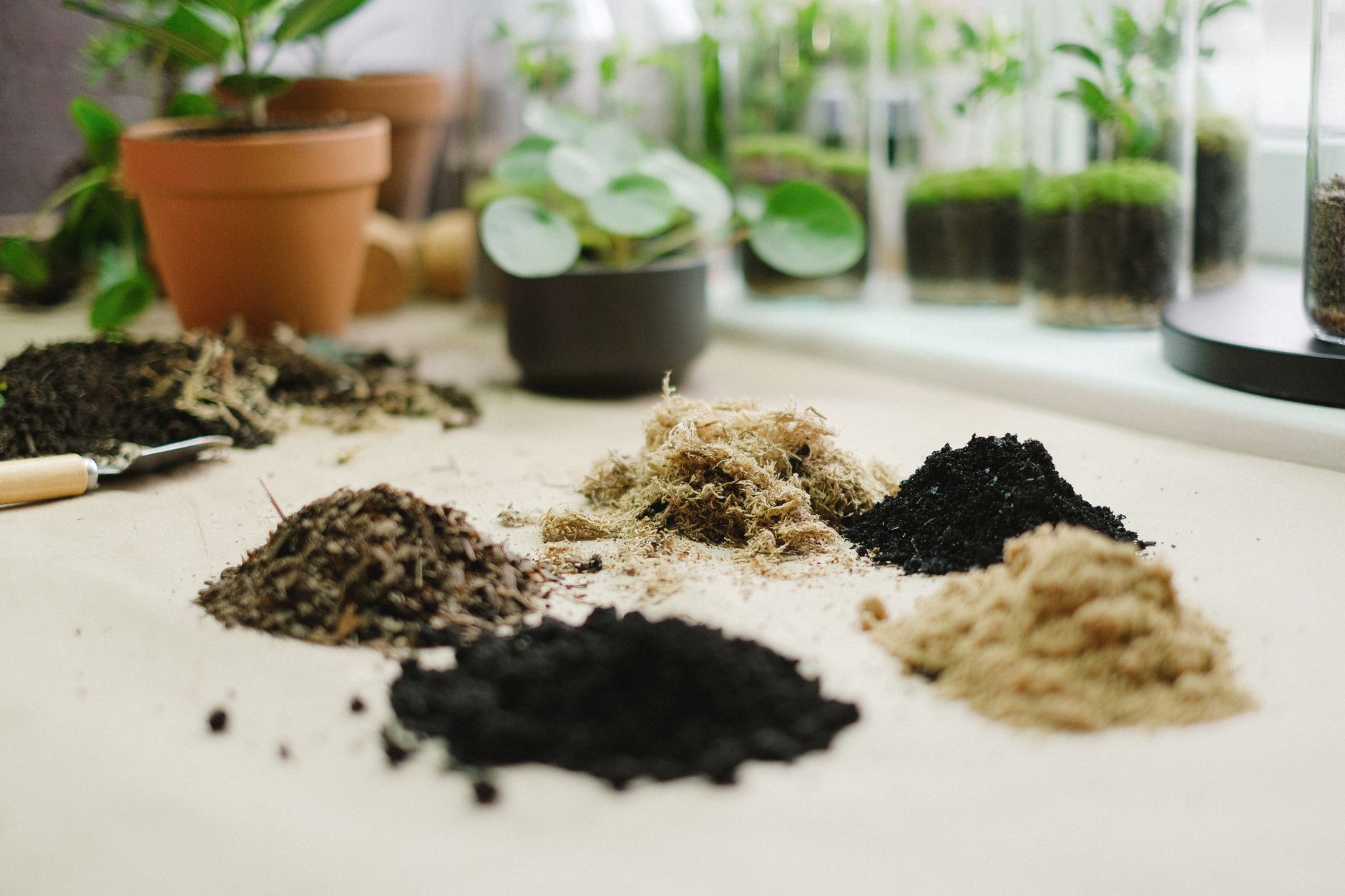
Drainage also matters. Truffles will not fruit in waterlogged or compacted soil. Sandy loam or limestone-derived soils are ideal. If you have clay, incorporate coarse sand and a small amount of composted bark. The target texture is about 50 percent sand, 30 percent silt, and 20 percent clay. A typical starting lime rate is 5 to 10 pounds of dolomitic lime per 100 square feet, but only after a lab test tells you how much to add.
Avoid high phosphorus and nitrogen. Excess nitrogen feeds weeds and suppresses the mycorrhizal bond. Do not add manure or rich compost. Instead, keep the root zone nutrient-poor. Work amendments into the top 12 inches before planting. For a contrast, shiitake growers use sawdust logs indoors, as described in how to grow shiitake mushrooms at home, but truffles are not that kind of project.
- Plant Inoculated Seedlings Correctly
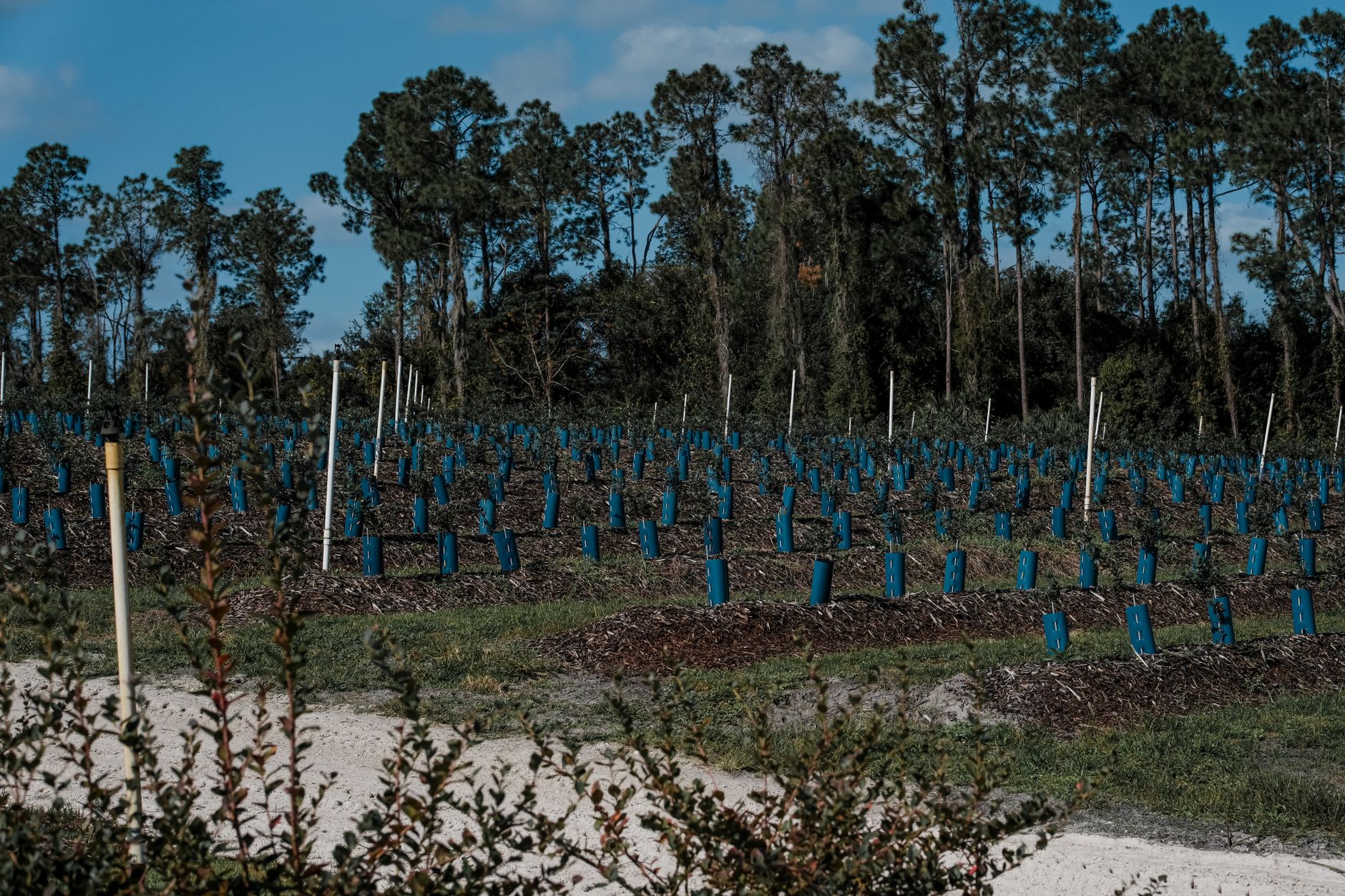
Plant in early spring or fall when the soil is workable. Dig a hole twice as wide as the root ball but no deeper. Gently spread the roots outward. Do not bury the root collar. Backfill with the native soil mixed with coarse sand. Do not add fertilizer into the planting hole. Water well after planting.
Add a tree guard or wire cage right away. Rabbits, voles, and deer can kill young trees in a single night. Mulch around the base with a 3-inch layer of wood chips or straw. Keep the mulch a few inches away from the trunk. This conserves moisture and keeps weeds down. Check soil moisture weekly for the first two years.
Do not cultivate the soil around the tree after planting. The mycorrhizal network grows outward into the surrounding soil. Digging, tilling, or even deep hoeing severs the fungal threads. Weed control should be done by mowing or careful herbicide use, not by hand digging. Mark the planting spots clearly so you can watch for truffle signs later.
- Maintain Soil pH, Moisture, and Nutrient Balance
Soil pH drifts downward over time, especially in rainy climates. Test the soil every two years. Add lime as a surface dressing if pH falls below 7.5. Lightly water it in, but do not till. This keeps the mycorrhizae intact. A pH meter can help, but lab tests are more accurate.
Irrigation should be drip-based, not sprinkler. Truffles need consistent moisture in spring and early summer when the fruiting bodies start forming. Allow the soil to dry somewhat in late summer before winter fruiting. Aim for about 25 percent soil moisture in the root zone. Overwatering leads to rot, and underwatering reduces yield. Mushroom fruiting conditions guide explains how moisture drives fruiting in many fungi, though truffles differ.
Do not apply nitrogen-rich fertilizer. If a soil test shows deficiency, use potassium sulfate or gypsum. Gypsum supplies calcium without changing pH. Watch for nettles and other high-nitrogen weeds. They indicate that the soil has too much nitrogen. Remove competing vegetation by mowing. This long-term care directly determines whether truffles form.
- Protect Young Trees and Encourage Mycorrhizae
Young trees need protection for at least the first three years. Use tree guards against rodent and deer damage. In cold zones, planting near a south-facing wall can create a warmer microclimate. The wall absorbs heat during the day and releases it at night. This can help truffle development in marginal climates. Remove suckers from hazel trees to keep energy in the main stem.
Encourage mycorrhizae by avoiding broad-spectrum fungicides. Many fungicides kill the truffle fungus along with the problem. If pests appear, use targeted biological controls. Do not disturb the soil under the canopy. A thick mulch ring is fine, but replace it as it breaks down. Avoid plastic weed barriers that overheat the soil.
Prune trees to keep an open canopy. Black truffles need some sunlight to warm the soil in winter. In dense shade, the soil stays too cold and wet, which discourages fruiting. Light pruning in late winter helps balance the tree. But do not prune heavily in the first two years. The tree needs root and branch growth first.
- Train a Harvest Dog and Monitor for Ripeness
Truffles ripen underground. You cannot see them from the surface. A trained dog is the most practical tool for finding them. Some people use pigs, but dogs are easier to train and less likely to eat the truffles. Start by pairing the dog with a scent source such as truffle oil. Reward the dog for alerting to the scent.
Training progresses from an open container to buried containers to the orchard. The dog learns to indicate by sitting or pawing. In the field, walk the rows from December to March. Look for a bare, burnt-looking patch around the tree, called a brûlée. This is a sign that truffle chemicals have suppressed grass. When the dog indicates, dig carefully with a hand trowel.
Check ripeness before taking a truffle. The outside should be dark and covered with small warts. The inside should be brown with white marbling. It should smell strongly sweet and earthy. Ripe truffles feel firm, not soft. Leave unripe truffles in place and mark the spot. Recheck in a few days. For production data, mushroom cultivation statistics 2026 puts truffle yields in perspective.
- Harvest, Clean, and Store Black Truffles
Harvest season for black truffles runs from December to March in most areas. Use a narrow trowel or truffle rake. Loosen the soil around the truffle and lift it out gently. Do not break the truffle. Backfill the hole after harvest. Small, unripe truffles should be left in the ground. Mark the location and return later.
Clean truffles gently with a soft brush. Do not wash them until just before use, because moisture speeds spoilage. Store whole truffles in a paper towel inside a sealed jar in the fridge. Change the paper towel daily. Truffles lose their aroma quickly, so use them within one to two weeks. Some people store them with eggs or rice to transfer aroma, but fresh is best.
Keep records of harvest dates, tree locations, weights, and aromas. This data helps you learn which trees and soils perform best. Over time, yields can increase as the mycorrhizal network expands. Growing black truffles at home is a long game. The reward is a rare ingredient that most people never taste truly fresh.
Red Flags & Warnings
- 🚨 Do not plant black truffle inoculated trees in acidic soil without amending. A pH below 7.0 usually prevents fruiting.
- 🚨 Never eat wild truffles or any wild mushroom unless an expert positively identifies it. Some false truffles are toxic.
- 🚨 Avoid synthetic nitrogen fertilizers. They can break the mycorrhizal relationship and stop truffle production.
- 🚨 Do not till or dig around tree roots. Disturbance kills the underground mycelial network that produces truffles.
- 🚨 Protect trees from rodents, deer, and frost. Young plants are vulnerable for the first three years.
- 🚨 Be ready for a 5 to 8 year wait and possible failure. Not every inoculated tree yields truffles.
Frequently Asked Questions
Can you grow black truffles indoors?
No. Black truffles are ectomycorrhizal and require a living host tree root system in outdoor soil. Indoor cultivation has not been proven for Tuber melanosporum. You would need a mature tree and the right climate.
How long does it take to harvest black truffles?
First truffles typically appear 5 to 8 years after planting inoculated seedlings. Full production can take 10 years or more. The timeline depends on tree species, soil, climate, and site care.
What host trees work best for black truffles?
English oak, holm oak, and European hazel are the most reliable. In some regions, native oaks can work. Use nursery trees with verified mycorrhizal colonization by Tuber melanosporum.
What soil pH do black truffles require?
Soil pH must stay between 7.5 and 8.3. Most soils are too acidic and need repeated lime applications. Test soil before planting and every two years after.
Do I need a trained dog to harvest?
Yes. Truffles grow underground and cannot be reliably found by humans. A trained dog locates ripe truffles by scent and avoids unripe ones. Pigs are an alternative but can damage the orchard.
Can I use truffle grow kits or spores?
Few legitimate black truffle grow kits exist. Real cultivation requires inoculated seedlings, not spores. Avoid cheap kits that promise indoor truffles, as they are often scams or other species.
What Should You Remember?
- Host tree partnership: Black truffles only fruit on roots of inoculated oaks or hazels, not on substrate.
- Soil pH 7.5 to 8.3: Test and amend with lime before planting, then retest every two years.
- Drainage is critical: Use sandy loam or limestone soil to prevent waterlogging.
- 5 to 8 year timeline: Plan for a long-term landscape project, not a quick harvest.
- Trained dog required: You need a scent-trained dog to find underground ripe truffles.
- Low nitrogen care: Avoid rich fertilizers that disrupt the mycorrhizal network.
- Expert identification: Never eat wild truffle look-alikes without a mycologist’s verification.
This article is for general information only. Mushroom identification and consumption carry health and safety risks , never eat a wild mushroom unless positively identified by an expert, and follow sterile technique and food-safety guidance for home grows.