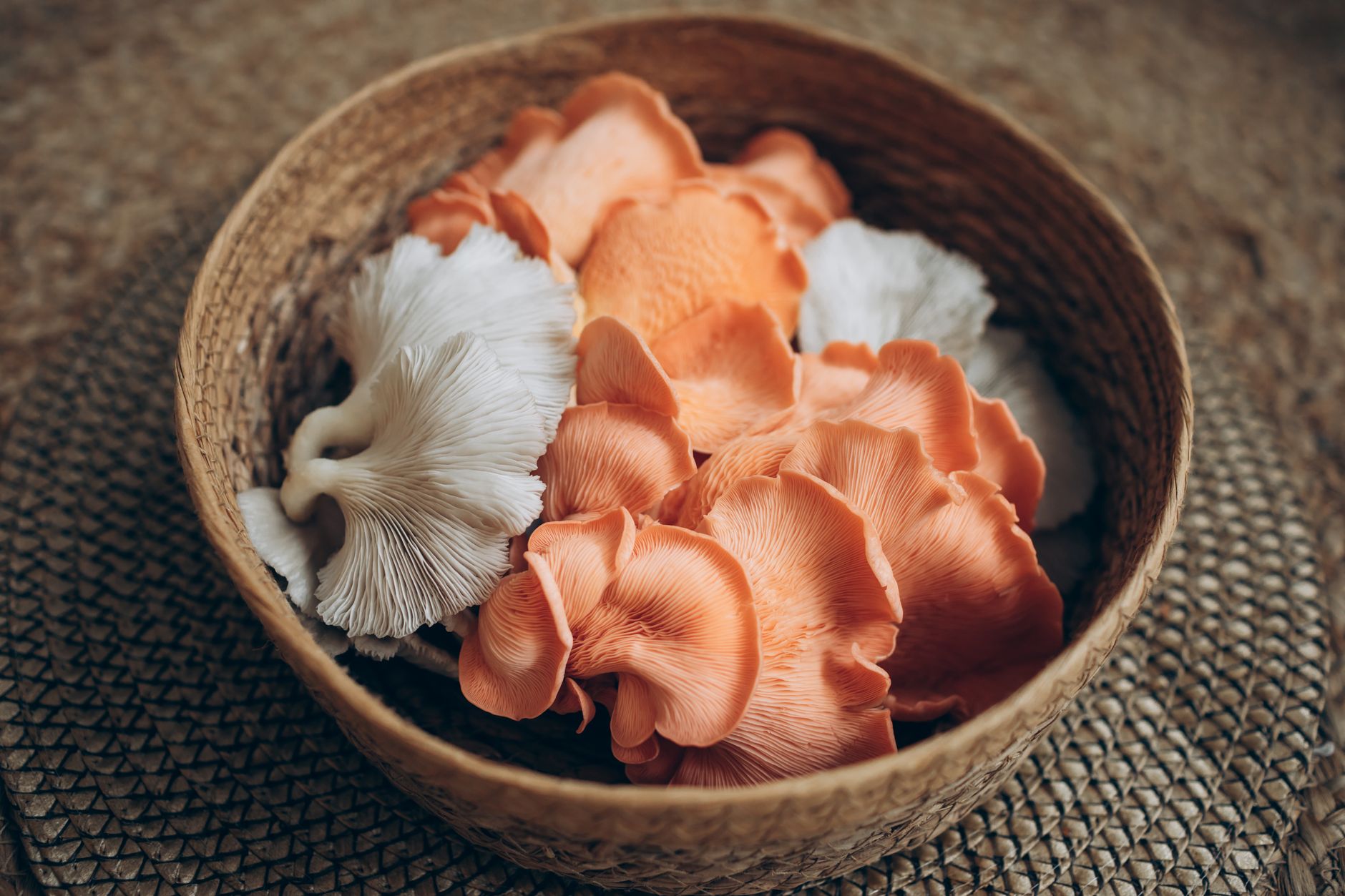
Pink oyster mushrooms are one of the fastest and most forgiving mushrooms for home cultivation. They produce clusters of ruffled, salmon-pink caps with a meaty texture and a slightly savory flavor. This guide walks through spawn selection, substrate preparation, fruiting, and harvest. If you want an easier first run, compare options in the best mushroom grow kits 2026 guide before you start from scratch.
The species Pleurotus djamor thrives in warm temperatures, which makes it ideal for indoor growing in most homes. You do not need a laboratory or sterile flow hood. A clean kitchen, basic supplies, and attention to moisture work fine for a first flush. The first harvest often arrives just 3 to 4 weeks after inoculation, which is faster than many other oyster varieties.
Before you begin, spend a few minutes on substrate basics. The best mushroom substrate guide explains moisture content and nutritional supplements. You will also want a simple DIY mushroom fruiting chamber guide ready before the block finishes colonizing. Starting with both resources prevents rushed decisions later.
This article follows cultivation research and extension advice. Oyster mushrooms grow on many agricultural byproducts, and pink oysters are no exception. The methods below use a supplemented sawdust block and a shotgun fruiting chamber. The steps are clear enough for a first time grower but detailed enough to improve your existing process.
What You’ll Need
- Filter patch spawn bags
- Pressure cooker or steam pot
- Oak hardwood sawdust and wheat bran
- Grain spawn or liquid culture
- Spray bottle and hygrometer
- Clear plastic tote with perlite
- 70% isopropyl alcohol
How Do You Grow Pink Oyster Mushrooms at Home?
- Understand Pink Oyster Growth Parameters
Pink oyster mushrooms, Pleurotus djamor, are a tropical species. They colonize fast and fruit heavily when conditions stay warm. Ideal colonization temperature is 75-85°F, and fruiting does well at 70-85°F. Relative humidity should be 85-95% during fruiting. If you have grown blue oysters before, know that pink oysters prefer more heat and can stall in a cool room.
Penn State Extension lists oyster mushrooms as reliable for beginners. That is because oyster mycelium grows aggressively and can outcompete many common contaminants. Still, clean technique matters. Wipe down your work surface, wash your hands, and use clean tools. A still air box helps but is not mandatory for small home blocks.
A common mistake is putting pink oyster spawn in a cold basement or garage. Growth slows below 65°F and can stop entirely below 60°F. If your space is cool, use a seedling heat mat under the spawn bag during colonization. Keep a thermometer near the block, not across the room. For a broader oyster overview, read how to grow oyster mushrooms at home before continuing.
- Gather Supplies and Prepare Substrate
Start with a simple supplemented sawdust substrate. A proven recipe for a 2.5 pound hydrated block is 5 cups oak hardwood sawdust, 1 cup wheat bran, and 1.5 cups water. Add 1 tablespoon gypsum to prevent clumping. Mix the dry ingredients first, then slowly add water until a squeeze test leaves only a few drops in your hand. The target moisture content is 50-60%.
Load the mixed substrate into filter patch spawn bags. Fold the bag closed and sterilize in a pressure cooker at 15 psi for 90 minutes. If you do not own a pressure cooker, steam pasteurization at 160-170°F for 90 minutes can work for sawdust supplemented with bran, but pressure cooking is safer. For straw based substrate, follow the how to pasteurize straw for mushrooms method.
After sterilization, let the bag cool to room temperature before inoculation. Test the surface with the back of your hand or an infrared thermometer. Substrate above 85°F can kill spawn. If you want the fastest setup, skip this step and use a ready to fruit grow kit from the best mushroom grow kits 2026 list. Those kits already have colonized substrate and only need fruiting conditions.
- Inoculate the Substrate
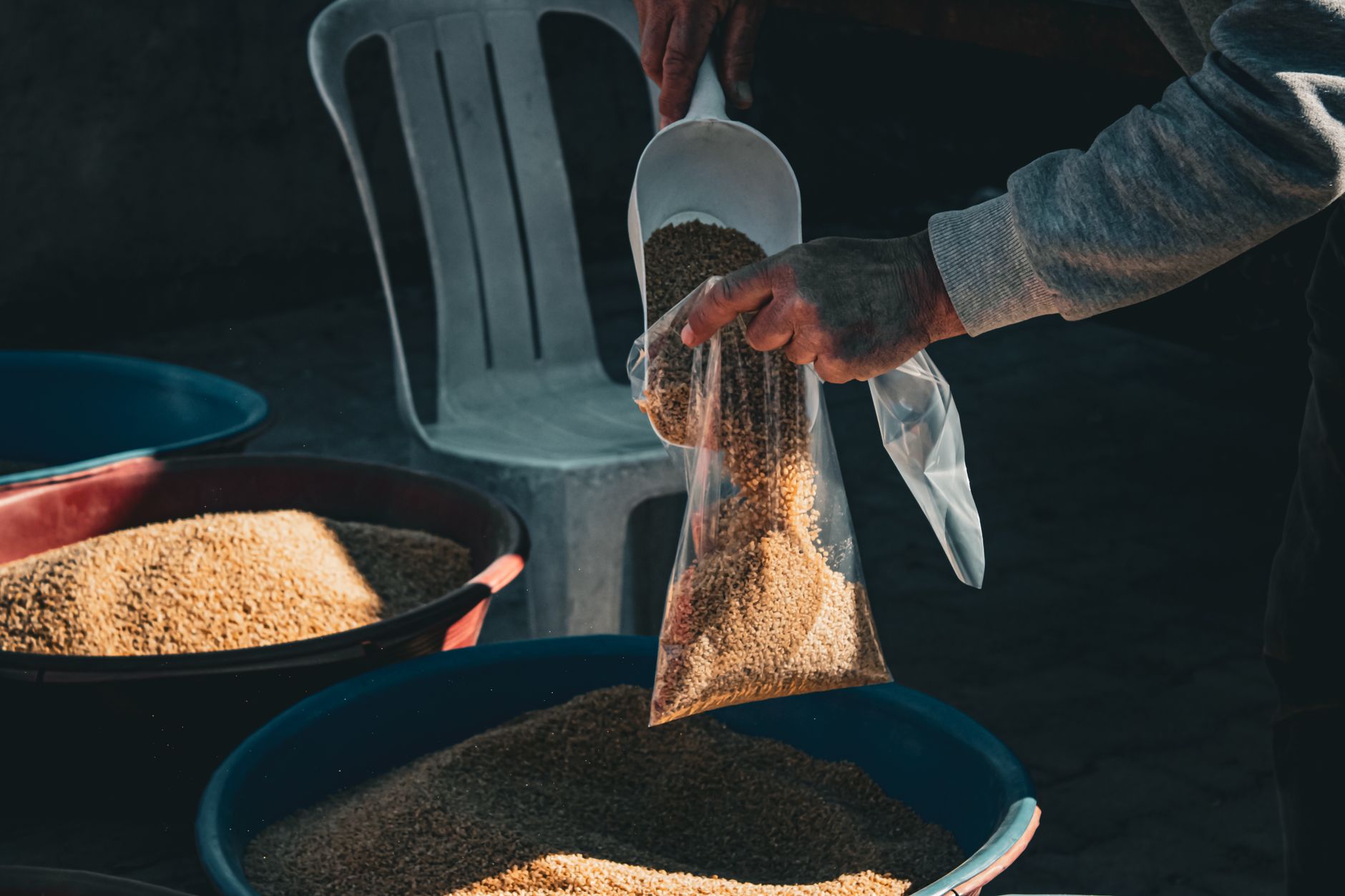
Use healthy grain spawn or liquid culture. For one 2.5 pound bag, add about 1/4 pound of grain spawn, which is a 10% spawn rate by wet weight. If using liquid culture, inject 1-2 ml per pound of substrate through the self healing injection port. Work in a clean, draft free area. Wash your hands and wipe the outside of the spawn bag with 70% isopropyl alcohol.
Open the spawn container only inside the bag opening or in a still air box. Crumble grain spawn into small pieces and mix thoroughly into the cooled substrate. The goal is even distribution so the mycelium colonizes from many points at once. If you need to make your own grain spawn, follow how to make grain spawn first. Healthy spawn should smell mushroomy and have no black or green spots.
After mixing, close the bag with a folded paper clip or impulse sealer. Do not seal the filter patch itself. The patch allows gas exchange during colonization. Place the bag in a dark, warm spot at 75-85°F. Label it with the date and species so you can track progress.
- Incubate for Colonization
Pink oyster spawn run typically takes 7-14 days. Check the bag every 2-3 days without opening it. White mycelium should spread from the inoculation points and gradually cover the substrate. A light pink tint may appear as the mycelium matures. Full colonization means the block looks solid white or pink throughout.
If you see green, black, or orange patches, isolate the bag immediately. Contamination spreads fast in warm spawn runs. Review the mushroom contamination identification guide to identify what you are seeing. Small spots of metabolites, which look yellow-brown, are normal and not contamination. A sour smell is not normal.
Resist the urge to open the bag during colonization. The filter patch provides enough air exchange. Opening the bag lets in competitor spores. Wait until the block is fully colonized and you see tiny knots forming on the surface before moving to fruiting.
- Prepare Fruiting Conditions
Once fully colonized, move the block to a fruiting chamber. A simple shotgun fruiting chamber works well. Drill 1/4 inch holes every 2 inches on all sides of a clear plastic tote, fill the bottom with 2-3 inches of wet perlite, and place the block on a rack above the perlite. The perlite slowly releases moisture to raise humidity. See the DIY mushroom fruiting chamber guide for full construction steps.
Humidity must stay at 85-95% for pink oysters. Use a hygrometer to monitor the chamber. Mist the inside walls with a spray bottle, not the mushrooms directly. Direct misting can cause bacterial blotch. Fresh air is just as important as humidity. Fan the chamber 2-3 times daily for 30 seconds. Pink oysters produce long, thin stems in high CO2 conditions.
Place the chamber in a room at 70-85°F with bright indirect light. A north facing window or a fluorescent shop light 12 hours per day works well. Light helps trigger pinning and maintains the pink color. For a deeper dive into environmental control, read the mushroom fruiting conditions guide.
- Initiate Pinning and Fruit Development
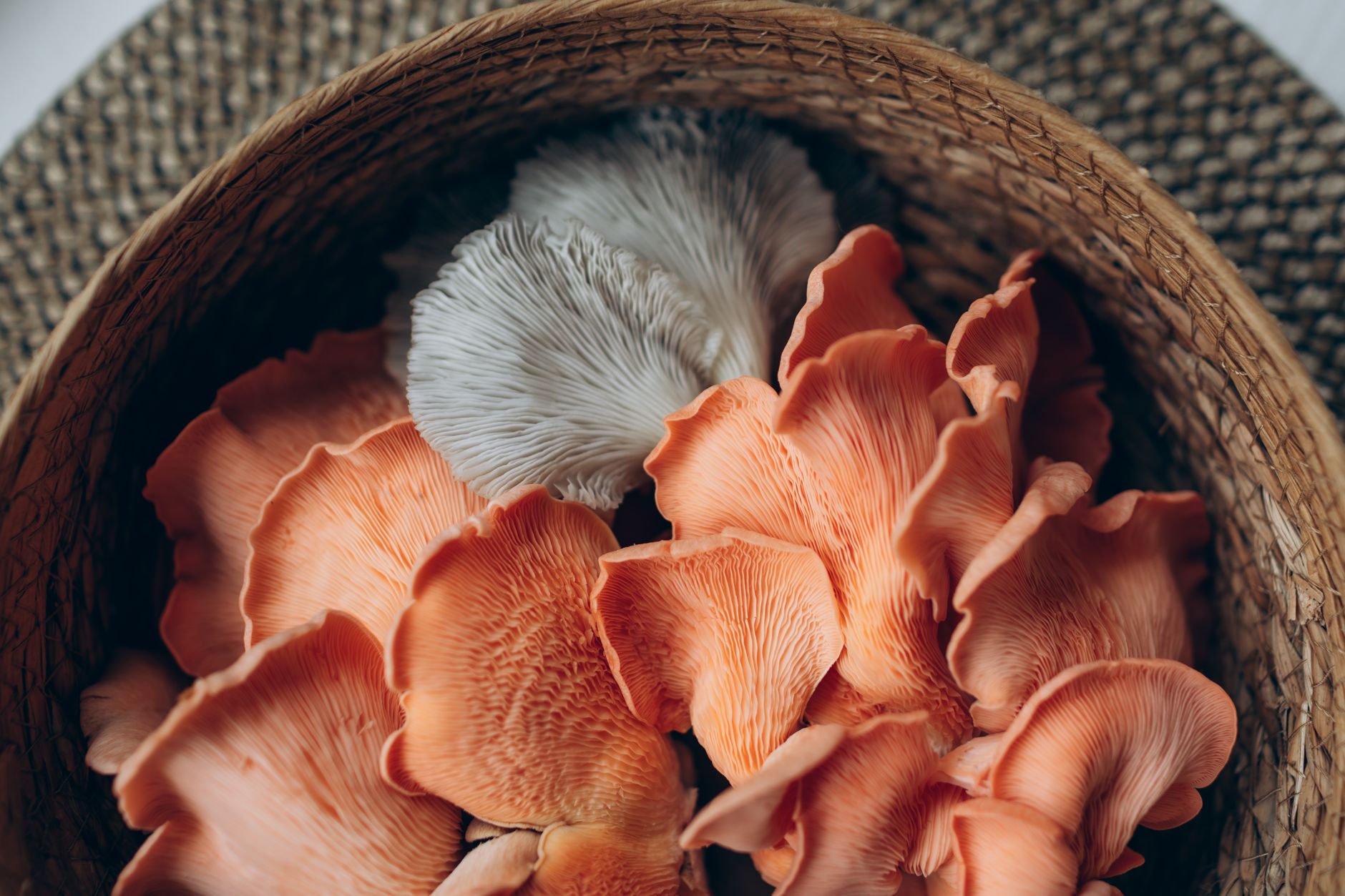
Cut a 2 inch X shape in the side of the spawn bag with a clean knife. This exposes the colonized substrate to fresh air and light, which triggers pinning. Pins usually appear within 3-7 days. They look like tiny pink bumps that grow into clusters. Do not cut more than two or three holes per block, or the block may dry out.
Keep temperature between 70-85°F and humidity above 85% during pin development. If the caps crack or edges darken, the air is too dry. Increase misting frequency on the chamber walls and add more perlite if needed. If the stems stretch long and caps stay small, increase fresh air exchange. Pink oysters need more air than many growers expect.
Watch the fruits daily. They can double in size in 24 hours. The pink color is strongest in bright indirect light and moderate temperatures. If the fruits look pale, move the chamber to a brighter spot. If they look wet and soft, reduce misting and increase air flow.
- Harvest Pink Oyster Mushrooms
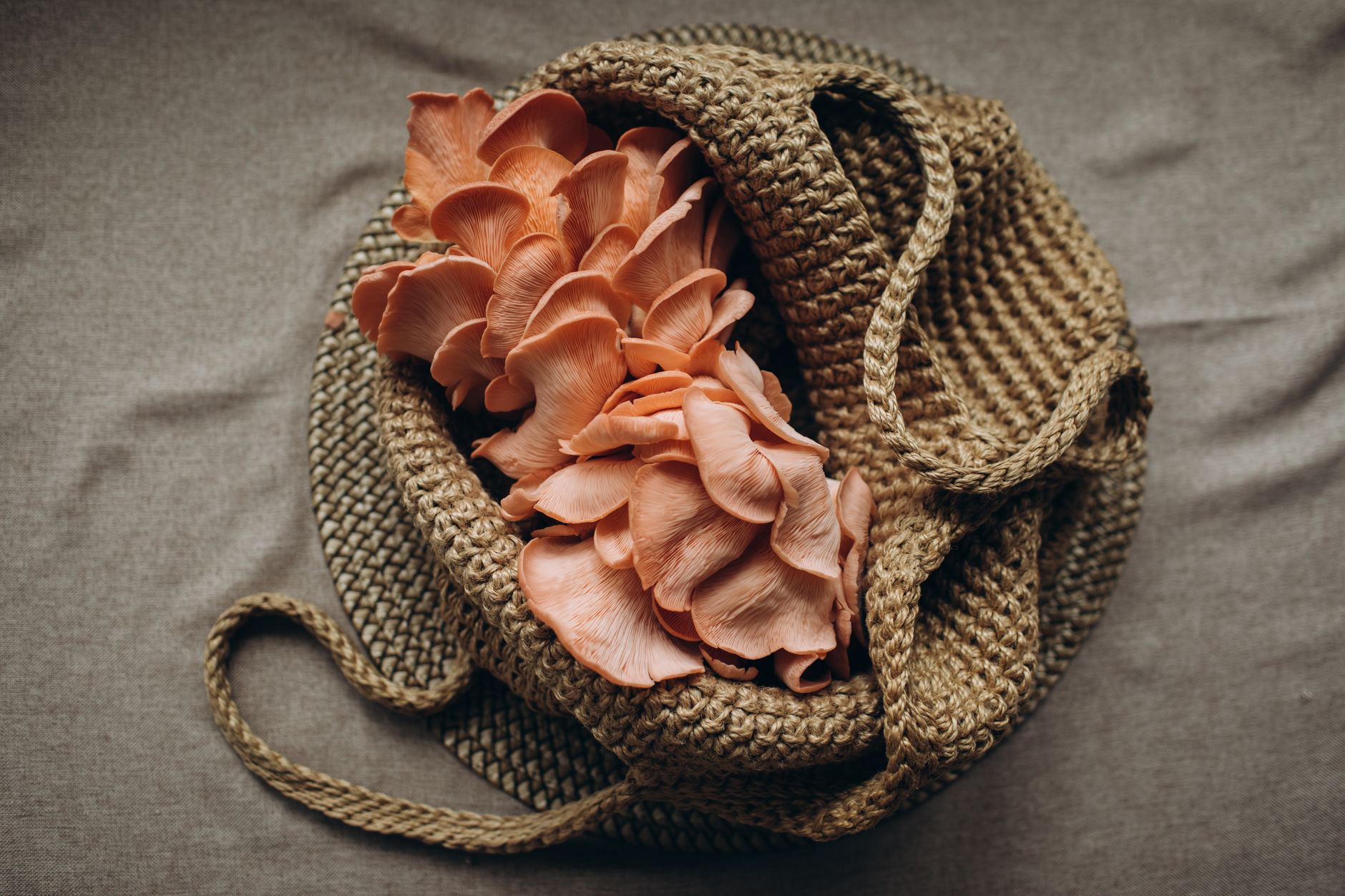
Harvest pink oyster clusters when the caps are still slightly curled downward at the edges. The largest cap in a cluster may be 2-4 inches across. If you wait until the caps flatten all the way, the mushrooms start dropping pink spores. This is messy and signals over maturity. Harvesting early gives better texture and shelf life.
Grasp the entire cluster at the base and twist gently while pulling away from the block. Use clean scissors or a knife if the cluster resists. Cut as close to the substrate as possible without damaging the block. Small pins may be left behind for the next flush. Clean any loose substrate from the harvested cluster with a dry brush.
Store harvested pink oyster mushrooms in a paper bag in the refrigerator for up to 5-7 days. They cook quickly and the pink color fades to a golden brown when heated. This is normal. Consume only mushrooms you have grown from known spawn. Never eat a wild mushroom unless an expert positively identifies it, as North American Mycological Association advises.
- Second Flush and Troubleshooting
After the first harvest, soak the block in cold water for 12-24 hours. Submerge it completely and weight it down with a plate. This rehydrates the substrate. Drain the bag and return it to the fruiting chamber. A second flush usually appears in 2-3 weeks. Total yield over two flushes is often 0.5-1 pound per 5 pound block.
Low humidity is the most common problem with pink oysters. Cracked caps and dry edges mean the chamber needs more moisture. Over misting causes soft, water soaked caps or brown blotches. Increase air exchange and stop misting the mushrooms themselves. If the block turns green or smells sour, discard it outdoors. Do not try to save a heavily contaminated block.
For recurring issues, revisit the mushroom contamination identification guide and the mushroom fruiting conditions guide. Most failures come down to too little fresh air, too much direct water, or temperatures below 65°F. Adjust one variable at a time and take notes.
Red Flags & Warnings
- 🚨 Never eat a wild mushroom unless an expert positively identifies it. Use North American Mycological Association resources or a local club for identification help.
- 🚨 Pink oyster mushrooms require 85-95% humidity. Humidity below 75% causes cracked caps, pale color, and dry fruit bodies.
- 🚨 Do not mist mushroom caps directly. Water droplets sitting on caps encourage bacterial blotch. Mist the chamber walls or use a humidifier.
- 🚨 Contamination spreads fast in warm spawn runs. If you see green or black mold, isolate the bag and discard it outdoors before it sporulates.
- 🚨 Pink oyster fruits mature quickly. Check them daily once pins form. Over mature fruits drop pink spores and develop a tough texture.
- 🚨 Do not pressure cook spawn bags with the filter patch sealed. Steam must escape safely. Follow the bag manufacturer’s instructions for folding and sealing.
Frequently Asked Questions
Are pink oyster mushrooms easy to grow at home?
Yes, pink oyster mushrooms are one of the easiest species for beginners. They colonize quickly and tolerate a wide range of indoor conditions. Their fast growth helps them outcompete some contaminants. Still, clean technique matters for consistent success.
What temperature do pink oyster mushrooms need?
Colonization works best at 75-85°F. Fruiting also does well at 70-85°F. They stall below 65°F, so avoid cold basements or garages.
How long from inoculation to harvest?
Typically 3-4 weeks from inoculation to first harvest. Spawn run takes 7-14 days, pinning 3-7 days after fruiting conditions, and fruits mature in another 4-7 days.
Can I grow pink oyster mushrooms on straw?
Yes, pasteurized straw works well. Heat straw at 160-170°F for one hour, drain, and cool before spawning. Supplemented sawdust blocks often produce heavier first flushes though.
Do pink oyster mushrooms need light?
They need indirect light for 10-12 hours per day. A bright room away from direct sun works. Low light produces pale, leggy fruits with small caps.
Why are my pink oyster mushrooms pale or white?
Pink color fades when light is too low or temperatures are too high. Move the block to brighter indirect light and keep it below 85°F. Some color variation is normal as fruits mature.
What Should You Remember?
- Fast colonization: Pink oyster spawn run completes in 7-14 days at 75-85°F.
- Warm fruiting: Maintain 70-85°F during fruiting for best pink color and shape.
- High humidity: Keep relative humidity at 85-95% to prevent cracked or dry caps.
- Fresh air: Fan the fruiting chamber 2-3 times daily to prevent leggy stems.
- Harvest early: Pick clusters when caps still curve slightly downward, before spores drop.
- Second flush: Soak the block 12-24 hours after the first harvest to get another crop.
This article is for general information only. Mushroom identification and consumption carry health and safety risks , never eat a wild mushroom unless positively identified by an expert, and follow sterile technique and food-safety guidance for home grows.