White truffles, specifically Tuber magnatum, are among the most expensive foods on earth. Their aroma is intense, and they grow underground in a symbiotic relationship with tree roots. Unlike oyster mushrooms or shiitake, you cannot fruit white truffles from a sawdust block indoors. If you have explored growing black truffles, you already know this family demands a very different approach.
Home cultivation of white truffles means planting host tree seedlings whose roots are already colonized by the fungus. The tree and fungus exchange nutrients for decades before any truffle appears. Penn State Extension notes that truffle production is highly site specific and often fails outside ideal climates. This is not a fast crop or a weekend project.
Still, a small truffle orchard is possible if you have space, the right soil, and patience. You need alkaline, well-draining ground, consistent moisture, and a long-term maintenance plan. The first harvest may take seven to twelve years. After that, a healthy orchard can produce for decades.
This guide explains each stage, from choosing host trees to training a harvest dog. It also includes safety warnings. Always follow expert identification guidance before eating any fungus you find in the ground.
What You’ll Need
- Soil pH test kit
- Soil moisture meter
- Drip irrigation kit
- Planting spade
- Tree guards
- Pruning shears
- Small hand trowel
- Truffle dog
How Do You Grow White Truffles at Home?
- Understand the white truffle life cycle and host tree needs
White truffles are mycorrhizal fungi. They attach to the roots of specific hardwood trees and form a nutrient exchange system. The tree gives sugars to the fungus. The fungus gives water and minerals back to the tree. This relationship is required for the fungus to survive.
If you come from typical home mushroom growing, the best mushroom substrate guide will feel familiar. Sawdust, straw, and grain spawn are for saprobic species. White truffles will not colonize those materials. You cannot grow them in a monotub or a fruiting chamber.
The white truffle fruits only when the host tree is healthy and the soil environment stays stable. That means the orchard must mimic the Mediterranean climate where Tuber magnatum grows wild. Warm summers, cool but not freezing winters, and dry spells followed by gentle rain are typical. The fungus can survive for decades on the same tree.
According to mushroom cultivation statistics 2026, truffle orchards are capital intensive and slow to return value. Understanding this helps you avoid wasting time on quick methods. If a seller promises white truffles in a bag or a jar, walk away. True white truffle cultivation is an orchard project, not an indoor grow.
- Choose the right host tree species and source quality inoculated seedlings
White truffles associate with several tree species. The most common hosts are English oak (Quercus robur), hazel (Corylus avellana), and Italian poplar (Populus alba). Some growers also use holm oak (Quercus ilex) in warmer climates. Select a species that matches your local climate and available space.
The critical part is the seedling. You need a nursery-grown tree whose roots have been inoculated with Tuber magnatum under controlled conditions. Do not dig up wild trees or sow acorns and hope for the best. Inoculated seedlings are produced by nurseries that specialize in mycorrhizal plants.
Ask the nursery for proof of mycorrhization. A reputable supplier should provide a root analysis report showing Tuber magnatum colonization on the root tips. The root system should have many fine roots, not a bald taproot. Avoid seedlings that look root bound or dried out.
Planting a non-inoculated tree and trying to add truffle spores later rarely works. The soil is full of competing fungi that will outcompete the truffle. Start with the right biological package from day one.
- Test and prepare alkaline, well-draining soil
White truffles demand alkaline soil. The target pH range is 7.5 to 8.3. Most garden soils are too acidic. Before you plant, test the soil in several spots across the site. A soil pH test kit gives quick readings, but a professional lab test is better.
Penn State Extension recommends soil testing before any specialty crop planting. You need to know pH, calcium, phosphorus, and organic matter levels. White truffle soils in Italy often contain 30 to 50 percent sand, 20 to 30 percent clay, and less than 5 percent organic matter. Heavy clay or rich compost will hold too much water and encourage competing fungi.
If the pH is below 7.5, you can raise it with agricultural lime. Apply lime in the fall before spring planting. The amount depends on your soil test results. Work it into the top 20 to 30 centimeters of soil. Avoid using wood ash, which can spike potassium too quickly.
Drainage is just as important. Dig a test hole 40 centimeters deep and fill it with water. If it drains in under 30 minutes, drainage is good. If it sits for hours, choose another site or install raised beds. White truffle roots die in waterlogged soil.
- Plant the inoculated trees with proper spacing and depth
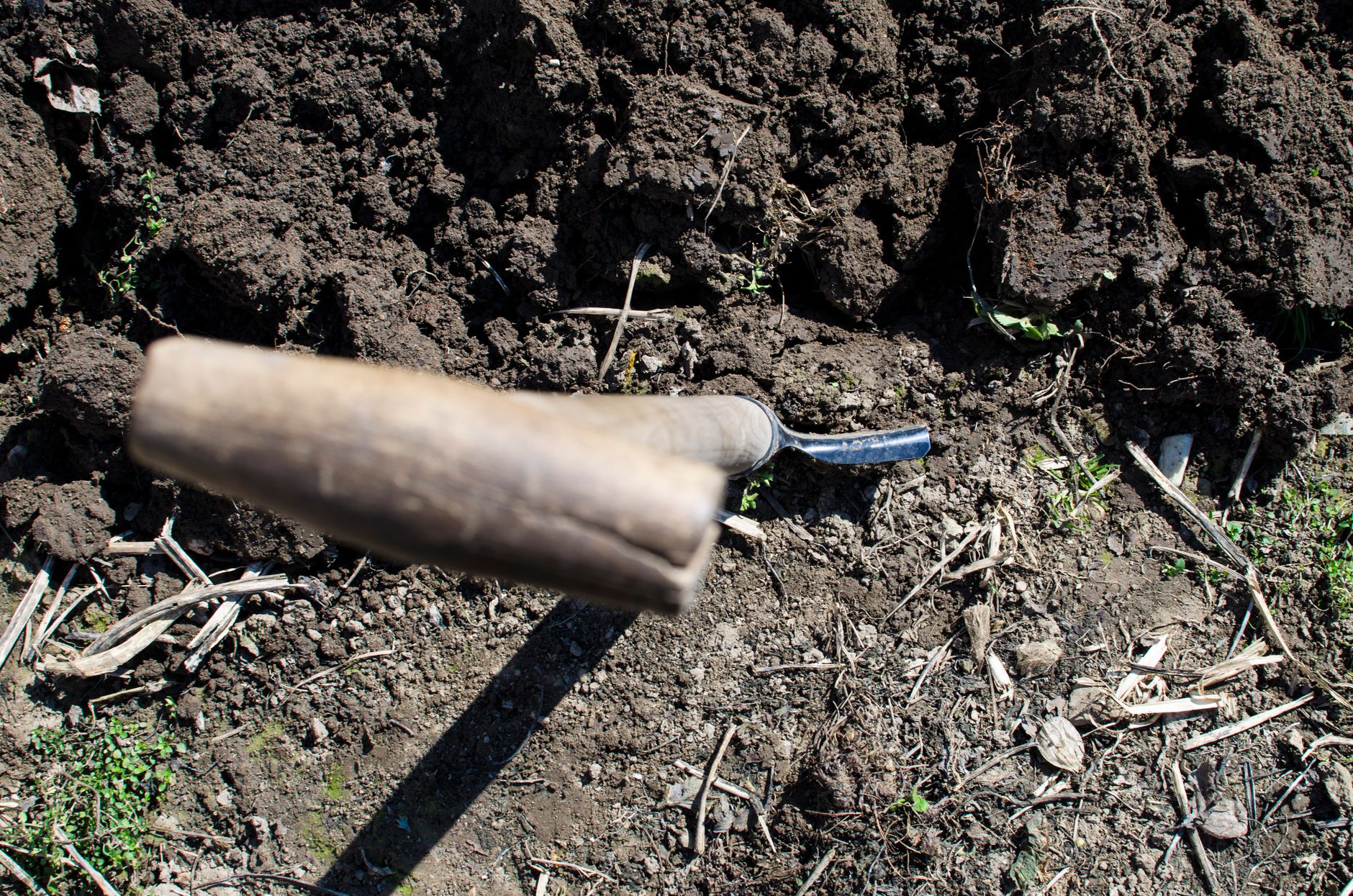
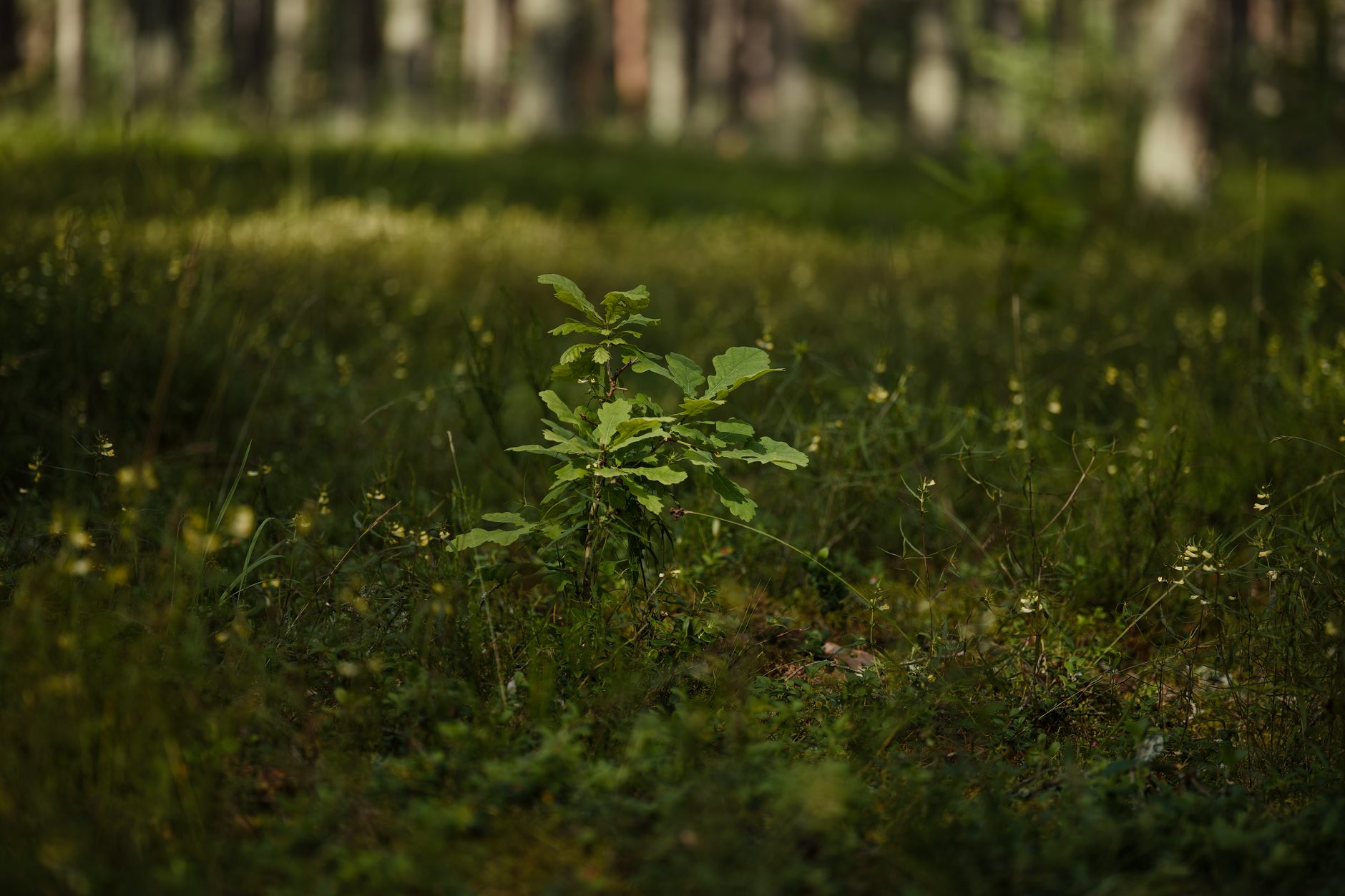
Plant inoculated seedlings in late winter or early spring, after the last hard frost. Dig a hole slightly larger than the root ball. Do not bend or break the roots. Set the seedling so the root collar sits at the soil surface. Planting too deep suffocates the mycorrhizae.
Space the trees at least 5 meters by 5 meters. Closer spacing crowds roots and reduces truffle formation later. For larger trees like oak, use 6 meters by 6 meters. This gives each root system enough soil volume to support the fungal colony.
After backfilling, water the seedling with 10 to 20 liters of water to settle the soil. Add a tree guard to protect the trunk from animals. Do not fertilize at planting. High phosphorus fertilizer can kill the mycorrhizal fungus. The tree needs to focus on root establishment, not fast top growth.
This step connects directly to the long-term care plan. The first three years are about root and fungal expansion. You will see very little above ground. That is normal. Patience here prevents early mistakes.
- Maintain soil moisture, pH, and weed control for years
White truffle orchards need consistent moisture, especially during summer. The soil should be moist but never soggy. In dry climates, install a drip irrigation kit to water each tree slowly. A soil moisture meter helps you avoid overwatering.
Test the soil pH every year and add lime as needed. The pH can drift back toward acidic over time. Keep it between 7.5 and 8.3. This is not a set-and-forget task. Truffle formation depends on stable soil chemistry.
Weed control matters because grasses and broadleaf weeds compete for water and nutrients. Shallow cultivation or landscape fabric works well. Avoid deep tilling, which cuts the tree roots and the fungal network. Chemical herbicides can also damage the mycorrhizae.
You may wonder how long to keep this routine. The answer is until the trees mature and beyond. Most white truffle orchards need seven to twelve years of care before the first harvest. For more on environmental triggers, see mushroom fruiting conditions guide. After that, the maintenance continues but shifts toward fruiting support.
- Encourage truffle formation with careful irrigation and pruning
Truffle formation starts when the fungal colony has colonized enough root tips. You can check root samples at 12 and 24 months to confirm mycorrhization. A healthy root system shows white or tan fungal sheaths on the fine roots. If the mycorrhizae are absent, truffles will not form.
Prune the host trees lightly to let sunlight reach the soil surface. Truffle beds need warm soil in late summer to trigger fruiting. Remove dead or crossing branches. Do not prune heavily, which stresses the tree and reduces sugar production.
Irrigation timing is critical. In native Mediterranean zones, truffles form after dry periods followed by rain. Simulate this with a dry period of two to three weeks in late summer. Then apply water to bring the soil to field capacity. This wet-dry cycle encourages the fungus to fruit.
Do not apply nitrogen-heavy fertilizers. Excess nitrogen pushes leaf growth at the expense of the root-fungus symbiosis. If you must fertilize, use a low-phosphorus, low-nitrogen formula based on soil test results. Many successful truffle orchards use no fertilizer at all.
- Train a truffle dog and harvest at the right moment
White truffles are found by scent. A trained dog is the most reliable tool. Pigs were used in the past, but they damage the soil and eat truffles. Dogs can be trained with truffle-scented objects from a young age. Training takes months, but it is worth the effort.
Harvest season for white truffles runs from September to January in most regions. The exact timing depends on local climate and soil temperature. Ripe truffles release a strong, garlicky aroma. Unripe truffles have no scent and will not develop it after picking.
To harvest, watch the dog for a clear indication. Use a small hand trowel to gently expose the truffle. Remove the soil without cutting the surrounding roots. Fill the hole back in after harvest. This protects the fungal network for future truffles.
Never use a rake or large spade to dig for truffles. That method damages unripe truffles and the mycorrhizal roots. A careful harvest now sets up production for the next season.

- Handle, clean, and store fresh white truffles properly
Fresh white truffles are highly perishable. They lose aroma within days. Brush off soil with a soft toothbrush or pastry brush. Do not wash the truffle until you are ready to use it. Water accelerates decay and can ruin the texture.
Store the truffle in a glass jar lined with a paper towel. Keep the jar in the refrigerator at 2 to 4 degrees Celsius. Change the paper towel daily. Some cooks store truffles with eggs or rice to transfer aroma, but this also pulls moisture from the truffle.
Use the truffle within three to seven days for the best aroma. If you must keep it longer, you can freeze whole truffles, but the texture will soften. Shave fresh white truffle over warm dishes just before serving. Heat destroys the delicate scent.
This final step matters because all your years of work end here. If you follow mushroom contamination identification guide habits from other grows, you know that spoilage starts quickly. Inspect the truffle for soft spots or mold before eating. When in doubt, throw it out.
Red Flags & Warnings
- 🚨 Never eat a wild truffle or any wild mushroom unless an expert mycologist positively identifies it. The North American Mycological Association offers identification resources.
- 🚨 Do not plant inoculated trees in acidic soil or heavy clay. White truffles need pH 7.5 to 8.3 and fast drainage.
- 🚨 Avoid high-phosphorus fertilizers. They are toxic to mycorrhizal fungi and will prevent truffle formation.
- 🚨 Beware of sellers offering white truffle spawn in bags or jars. Tuber magnatum cannot be grown like oyster or shiitake mushrooms.
- 🚨 Do not harvest by raking the soil. This damages unripe truffles and the tree root network.
- 🚨 If you find a wild Tuber species, do not eat it without expert confirmation. Several poisonous fungi look similar underground.
Frequently Asked Questions
Can I grow white truffles indoors?
No. White truffles require a living host tree and natural soil ecology. Indoor bags or containers will not work for Tuber magnatum.
How long until white truffles appear after planting?
Typically seven to twelve years. Some orchards never produce a single truffle. Patience and exact site conditions are essential.
What trees host white truffles?
English oak, hazel, Italian poplar, and holm oak are common hosts. The seedling must be inoculated with Tuber magnatum before planting.
Can I grow white truffles from a store-bought truffle?
No. Spores from a fresh truffle are unreliable and often fail to colonize roots. You need certified inoculated seedlings from a specialty nursery.
What soil pH is best for white truffles?
Aim for 7.5 to 8.3. Test the soil annually and add agricultural lime if the pH drops below the target range.
Do white truffles need a dog for harvest?
Yes. Dogs are the best way to find ripe underground truffles. Raking or deep digging damages the orchard and unripe truffles.
What Should You Remember?
- White truffles are mycorrhizal, so they need a living host tree.
- Soil pH must stay between 7.5 and 8.3 for the fungus to thrive.
- Plant certified inoculated seedlings rather than spores or wild trees.
- Expect a 7-12 year wait before your first possible harvest.
- Water with a wet-dry cycle to encourage fruiting.
- Harvest with a trained dog and a hand trowel, never a rake.
- Verify identity with an expert before eating any wild truffle.
This article is for general information only. Mushroom identification and consumption carry health and safety risks , never eat a wild mushroom unless positively identified by an expert, and follow sterile technique and food-safety guidance for home grows.