Home mushroom cultivation changed a lot by 2026. Ready-to-fruit kits now ship with colonized substrate, a simple humidity tent or bag, and instructions that take about ten minutes to follow. You do not need a pressure cooker, grain jars, or a dedicated fruiting room. For beginners, that removes the hardest part of the process: keeping spawn sterile during the colonization phase. The North American Mycological Association reminds growers that cultivated mushrooms are safest when sourced from reliable suppliers, not picked wild by amateurs. If you want to understand what is inside those kits before you buy, read our best mushroom substrate guide. It explains sawdust, straw, and supplemented blocks in plain terms.
The top kits in 2026 compete on a few measurable points. First is colonization time. Many oyster kits arrive fully colonized, so you go straight to fruiting. Others need an incubation window of 10 to 14 days at 65 to 75°F before the first pins appear. Second is yield. Penn State Extension notes a 5 lb oyster block commonly produces 0.5 to 1 lb of mushrooms across multiple flushes. Third is reliability. The biggest failure point is contamination, usually green mold from excessive moisture or stale air. If you see green patches, cut back on misting and increase airflow. Our methodology also considers instructions, packaging, and how honest the harvest estimates are.
I evaluated the five most widely available grow kits in the United States, focusing on first-time success rate, clarity of instructions, harvest window, and taste quality. I also factored in how well each kit teaches new growers about mushroom fruiting conditions. Kits were judged for indoor use, since most home growers do not have a greenhouse or a humid basement. A kit that demands 90 percent humidity but gives you only a spray bottle will frustrate beginners. The best kits make humidity management simple, whether through a vented bag or a small humidity tent.
This year matters because more people are growing food indoors. Kits are cheaper than ever, and the selection has expanded beyond grey oyster mushrooms to lion’s mane, shiitake, pink oyster, and more. However, not every kit is an honest value. Some sell a small block with a plastic tent and charge twice what the same substrate would cost from a local farm. If you want to reuse a bin and buy spawn bags separately, check our DIY mushroom fruiting chamber guide. The five kits below are the ones I would buy or recommend in 2026 for a reliable first harvest.
How Do the Top Options Compare?
| Kit | Best For | Price | Harvest Window | Yield Potential | Skill Level |
|---|---|---|---|---|---|
| North Spore Oyster Mushroom Grow Kit | Best overall for beginners | Check Price | 5-10 days after starting | 0.5-1 lb per flush | Beginner |
| Back to the Roots Organic Mushroom Grow Kit | Best budget kitchen kit | Check Price | 7-14 days | 0.25-0.5 lb | Beginner |
| Forest Origins Lion’s Mane Mushroom Grow Kit | Best for lion’s mane | Check Price | 10-14 days | 0.5-1 lb | Beginner to intermediate |
| Mushroom Supplies Ready-to-Fruit Oyster Mushroom Grow Kit | Best for multiple flushes | Check Price | 7-12 days | 0.75-1.5 lb across flushes | Beginner |
| Mushroom Adventures Shiitake Mushroom Grow Kit | Best for shiitake lovers | Check Price | 14-21 days | 0.5-0.75 lb | Intermediate |
Prices are approximate at publication and may change. Harvest windows assume indoor temperatures between 65 and 75°F plus daily humidity management.
1. North Spore Oyster Mushroom Grow Kit , Best Overall for Beginners
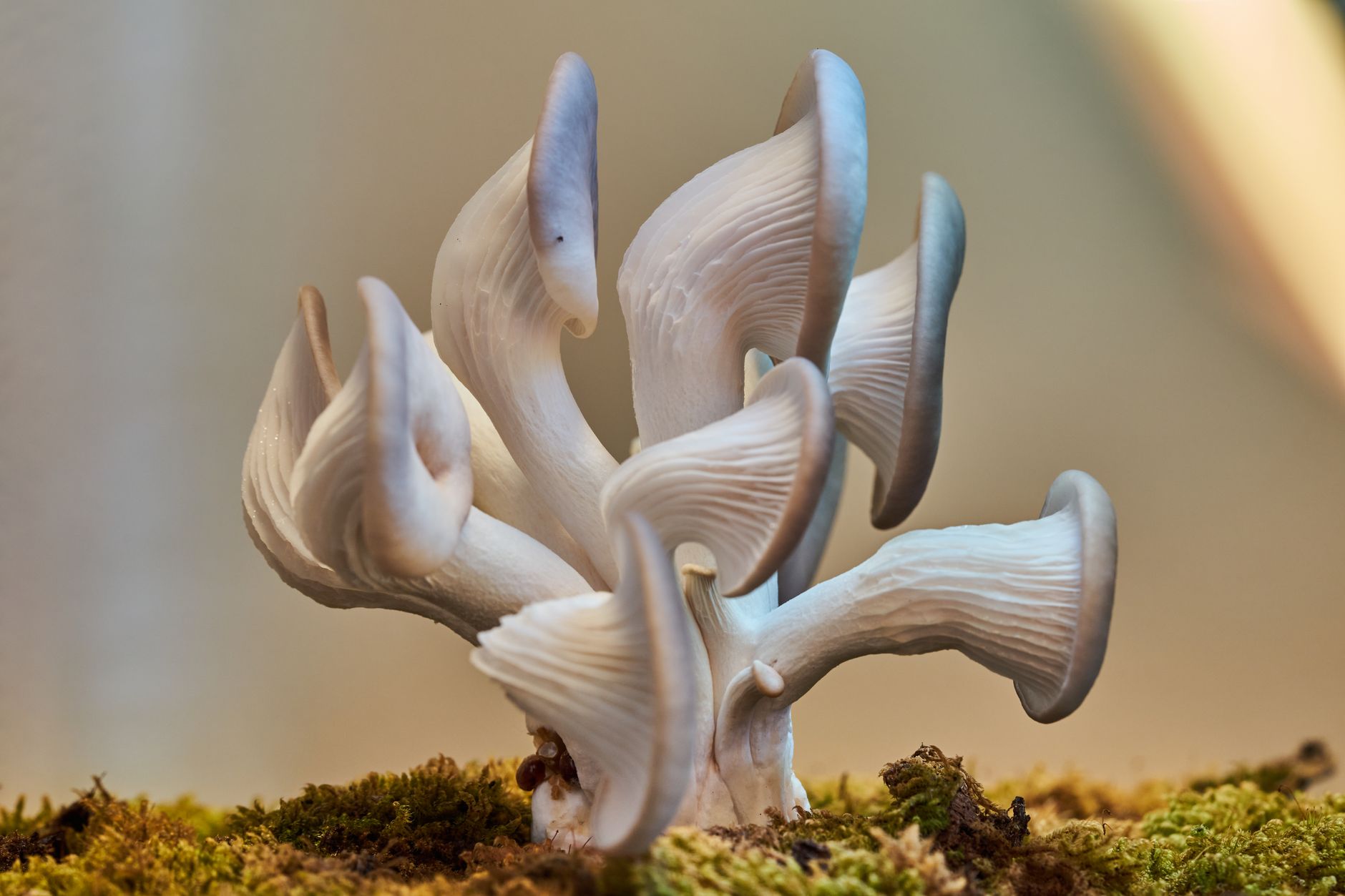
The North Spore oyster kit is the standard for first-time growers. It arrives as a 4.5 to 5 lb colonized sawdust block inside a vented grow bag. You cut a small X in the bag, soak the block overnight if it feels dry, and mist the cut area twice a day. Within 5 to 10 days you see pins. The block usually produces 0.5 to 1 lb of oyster mushrooms in the first flush. This is not a toy kit. The block is dense, and the genetics are consistent. Check the North Spore Oyster Mushroom Grow Kit on Amazon. The kit works best when you follow basic fruiting rules. Keep the bag away from direct heat and air vents. Oyster mushrooms fruit well at 60 to 70°F with 85 to 95 percent humidity. If your home is dry, place the kit inside a clear tote with a few pencil-sized holes. That small change keeps the surface from drying out between misting sessions. Our mushroom fruiting conditions guide shows how to build that environment without expensive gear. One limitation is the single species. You get blue, grey, or pearl oyster depending on stock. That is fine for eating, but you will not learn how to fruit shiitake or lion’s mane from this kit. Once the first flush finishes, soak the block for 6 hours and wait for a second smaller flush. Many growers get two or three flushes, though later mushrooms are fewer. For a deeper look at the method, read how to grow oyster mushrooms at home.
Key strengths:
- ✅ Dense 5 lb colonized block supports reliable first flushes
- ✅ Vented bag design keeps humidity manageable
- ✅ Harvest arrives in 5 to 10 days
- ✅ Strong brand support and clear instructions
- ✅ Can produce multiple flushes with re-soaking
- ❌ Species options limited to oyster varieties
- ❌ Requires daily misting in dry indoor air
- ❌ Higher price than budget kitchen kits
Who it’s for: First-time growers who want the most reliable path to a real harvest.
2. Back to the Roots Organic Mushroom Grow Kit , Best Budget Kitchen Kit
Back to the Roots sells a small, inexpensive organic mushroom kit that has introduced many people to home growing. The box contains a 1.5 to 2 lb colonized substrate block. You open the perforated window, soak the block overnight, and set it on a kitchen counter. The first mushrooms usually appear in 7 to 14 days. Because the block is smaller, yields are modest. A single flush may produce 0.25 to 0.5 lb of oyster mushrooms. Check the Back to the Roots Mushroom Grow Kit on Amazon. This kit is best for a one-time learning experience rather than ongoing production. The instructions are simple enough for a child to follow with supervision. The block is forgiving as long as you do not overwater it. Soggy substrate invites green mold. If you see dusty green patches, stop misting and move the kit to a spot with more air movement. A short drying period often stops surface mold before it spreads. A common mistake is expecting a second flush. Some blocks do produce a second crop, but many are exhausted after the first. The small size is honest for the price. If you want to understand what is inside the block, our best mushroom substrate guide explains why sawdust, coffee grounds, and straw perform differently.
Key strengths:
- ✅ Low upfront cost for beginners
- ✅ Organic, soy-based substrate is easy to discard
- ✅ Simple instructions work in most kitchens
- ✅ Decent first harvest for a small block
- ❌ Small block limits total yield
- ❌ Second flush is inconsistent
- ❌ Plastic packaging is minimal but not reusable as a fruiting chamber
Who it’s for: Anyone who wants a cheap first mushroom grow without investing in gear.
3. Forest Origins Lion’s Mane Mushroom Grow Kit , Best for Lion’s Mane
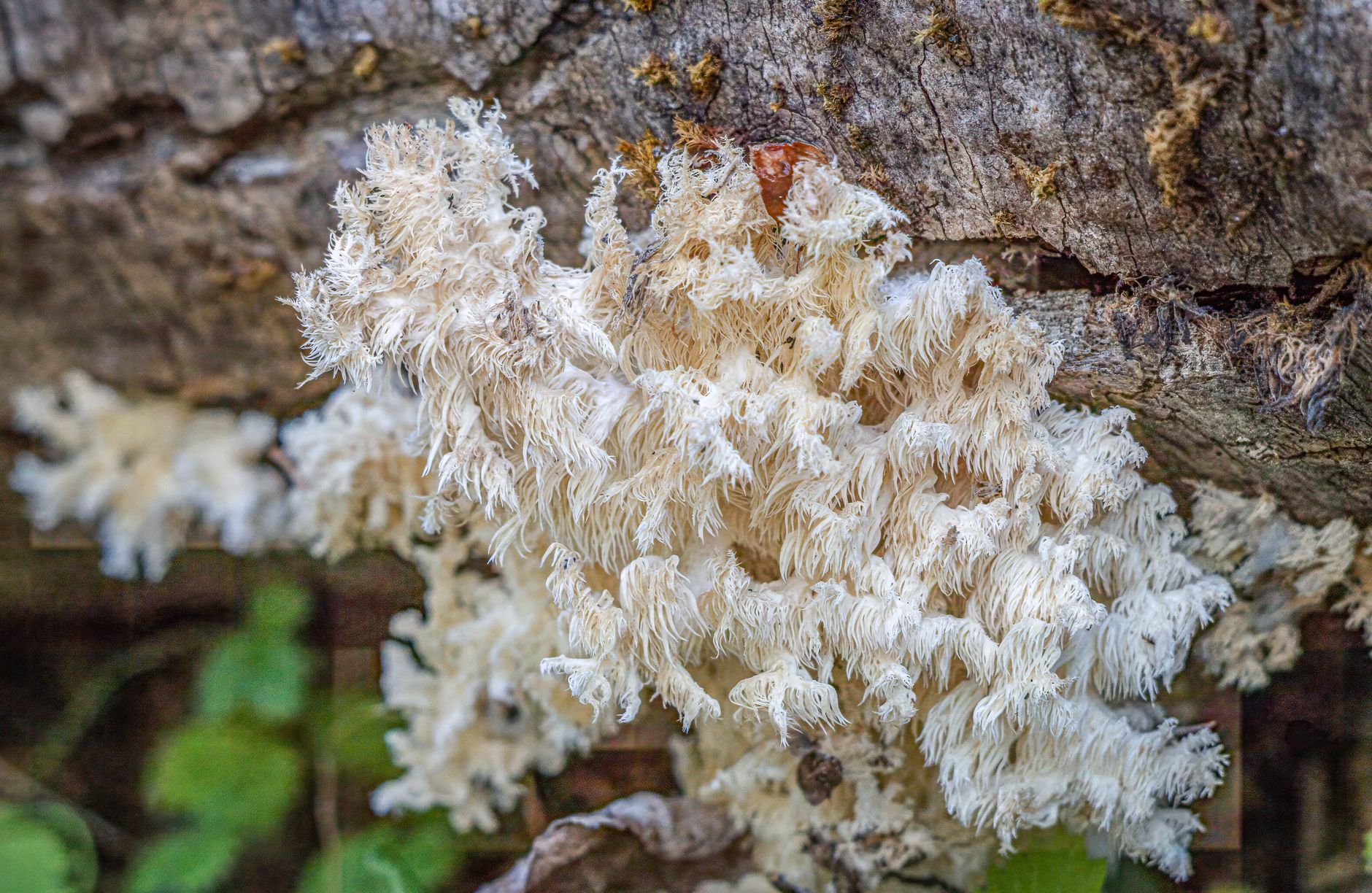
Lion’s mane is one of the easiest beginner mushrooms to fruit indoors. It tolerates lower humidity than oysters and does not need as much fresh air. The Forest Origins kit includes a 4 to 5 lb colonized hardwood block. You cut the bag and maintain moisture by misting once or twice a day. Pins form as white, shaggy lumps that mature into dense clusters in 10 to 14 days. A healthy block produces 0.5 to 1 lb over two flushes. Check the Forest Origins Lion’s Mane Mushroom Grow Kit on Amazon. The payoff is texture and flavor. Lion’s mane has a mild seafood-like taste, and its tender flesh browns well in a hot pan. Many home growers grow it specifically for cognitive health, but research is still developing. For a complete growing schedule, see our lion’s mane growing guide. Always cook cultivated mushrooms and never eat a wild mushroom unless an expert positively identifies it. One downside is the harvest window. The kit sits in a mostly inactive phase for the first week. New growers sometimes think the block is dead. It is not. Keep the surface humid and wait. The first pins can appear as late as day 14. If the block turns yellow or brown, it is drying out. Use a clear tote or reusable grow tent to hold moisture without overdoing it.
Key strengths:
- ✅ Hardwood block delivers consistent lion’s mane fruits
- ✅ Tolerates normal indoor humidity better than oysters
- ✅ Distinct texture and flavor
- ✅ Often produces two flushes
- ❌ Slower start can confuse first-time growers
- ❌ Pricing is higher than budget oyster kits
- ❌ Requires daily observation for dryness
Who it’s for: Growers who want lion’s mane without assembling their own spawn and substrate.
4. Mushroom Supplies Ready-to-Fruit Oyster Mushroom Grow Kit , Best for Multiple Flushes
Mushroom Supplies sells a larger 5 lb ready-to-fruit oyster block. The kit comes with a reusable grow bag and spray bottle in some bundles. Yield is the main advantage. The block can produce 0.75 to 1.5 lb across several flushes when you soak it between crops. The first harvest usually appears in 7 to 12 days. Because the block is large and well hydrated, it tolerates a missed misting better than small blocks. I recommend this kit for growers who want to learn fruiting beyond the first crop. After the first flush, you rehydrate the block for 6 to 8 hours and reset the bag. The second flush is often smaller but still worthwhile. The biggest failure point is poor air exchange. Oyster mushrooms need enough fresh air to form sturdy caps, not thin, leggy stems. Open a window or run a small fan nearby, not directly on the block. The instructions are detailed, but they assume you have a place that can get messy. Fruiting blocks drip water and shed spores. Put down a tray. If you see blue-grey dust around the block, that is spore drop, not mold. If you see green patches, cut back on water and increase airflow. Do not confuse spent substrate with failure. The block shrinks as the mycelium consumes it.
Key strengths:
- ✅ Large block supports heavier first flush
- ✅ Reusable bag and spray bottle add value
- ✅ Soaking between flushes is straightforward
- ✅ Forgives occasional skipped misting
- ❌ Bulkier than countertop kits
- ❌ Spore drop can be messy indoors
- ❌ Higher price than small beginner kits
Who it’s for: Growers who want to maximize total yield from one block.
5. Mushroom Adventures Shiitake Mushroom Grow Kit , Best for Shiitake Lovers
Shiitake kits take longer than oyster kits, but they reward patience. Mushroom Adventures packages a colonized sawdust block that fruits brown-cap shiitake mushrooms in 14 to 21 days. The first crop is often 0.5 to 0.75 lb. Shiitake caps need more humidity than lion’s mane and less fresh air than oysters. A simple humidity tent works well. Keep temperatures between 60 and 70°F during fruiting. The main advantage is flavor. Shiitake mushrooms are meatier and more savory than oyster mushrooms. They hold up in soups, stir-fries, and pasta. The kit also teaches a slower rhythm. You will mist daily for two or three weeks before seeing pins. That tests patience, but the brown caps are unmistakable. Read how to grow shiitake mushrooms at home for a complete schedule. The downside is the wait. Some growers lose interest before the first pins appear. Others overwater and create bacterial blotch, which shows up as slimy brown spots on caps. If that happens, cut back on misting and increase air exchange. The Penn State Extension notes shiitake blocks should be kept moist but not saturated. Expect one solid flush and a weaker second flush. This is not the kit for instant gratification.
Key strengths:
- ✅ Rich shiitake flavor and firmer texture
- ✅ Colonized block is reliable for one strong flush
- ✅ Good introduction to a slower fruiting species
- ✅ Works well in a simple humidity tent
- ❌ Harvest takes 14 to 21 days
- ❌ More sensitive to overwatering than oyster kits
- ❌ Second flush is often weak
Who it’s for: Patient growers who want shiitake mushrooms without starting from plugs or logs.
Frequently Asked Questions
What is the easiest mushroom grow kit for beginners?
Oyster mushroom kits are easiest because they fruit fast and tolerate common mistakes. Back to the Roots and North Spore both offer beginner-friendly oyster blocks with simple instructions.
How long does a mushroom grow kit take?
Oyster kits often pin in 5 to 14 days. Shiitake kits can take 14 to 21 days. Lion’s mane usually fruits in 10 to 14 days. The full crop depends on temperature and humidity.
How many mushrooms will I get from one kit?
A 5 lb oyster or lion’s mane block yields 0.5 to 1 lb in the first flush, with smaller later flushes. Small 2 lb kits may produce 0.25 to 0.5 lb. Multiple flushes can increase total yield if you soak the block between crops.
Do mushroom grow kits need sunlight?
They do not need direct sun. Bright indirect light helps mushrooms orient their caps. Keep kits out of hot, direct sun and drafts. Normal room light is usually enough.
Are mushroom grow kits safe?
Yes, when bought from reputable suppliers. Cultivated mushrooms from kits are safe. Never eat a wild mushroom unless an expert positively identifies it, according to the North American Mycological Association.
Can I reuse a mushroom grow kit block?
You can get multiple flushes by soaking the block in cold water for 6 to 8 hours after each harvest. Eventually the substrate is exhausted. Spent blocks can be composted or added to outdoor garden beds.
What Should You Remember?
- Best overall: North Spore Oyster Grow Kit delivers first harvest in 5 to 10 days.
- Best budget: Back to the Roots works for a one-time kitchen grow.
- Humidity is critical: Maintain 85 to 95 percent humidity for oyster pinning.
- Yield data: A 5 lb block often produces 0.5 to 1 lb per flush.
- Watch for contamination: Green mold means too much moisture or poor air exchange.
- Safety first: Cook cultivated mushrooms and never eat wild ones without expert ID.
- Multiple flushes: Soak spent blocks 6 to 8 hours to trigger a second crop.
This article is for general information only. Mushroom identification and consumption carry health and safety risks , never eat a wild mushroom unless positively identified by an expert, and follow sterile technique and food-safety guidance for home grows.