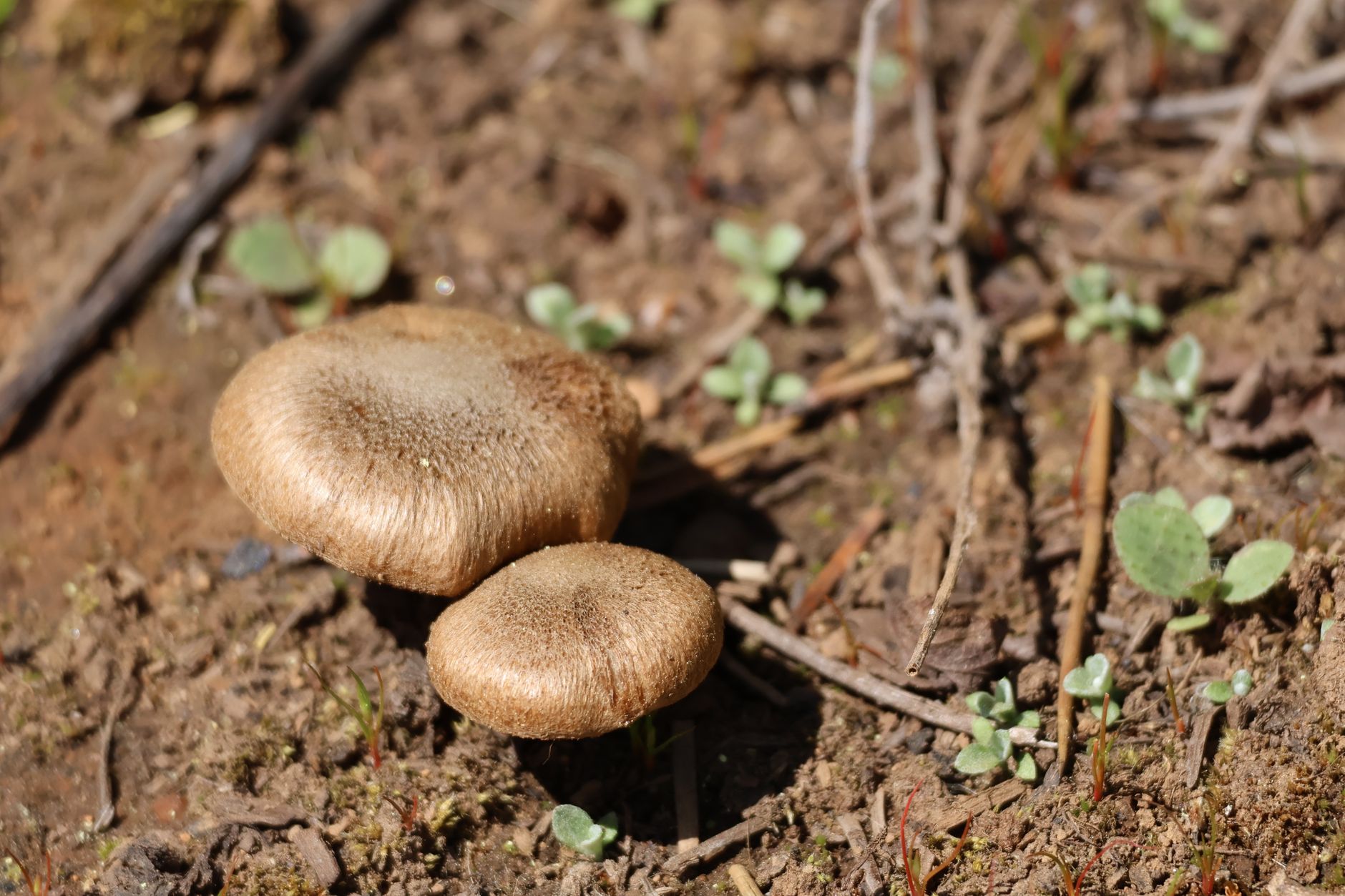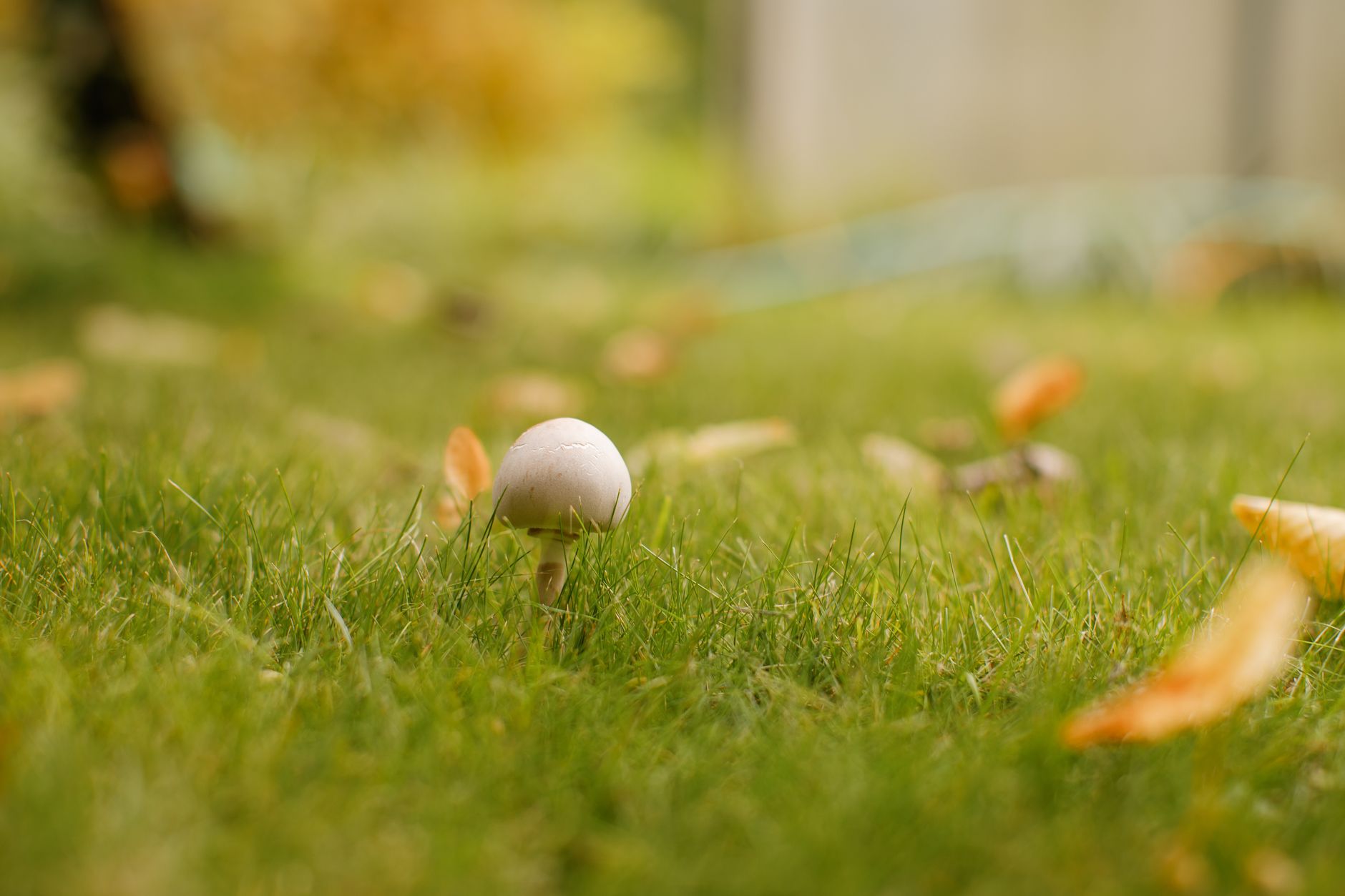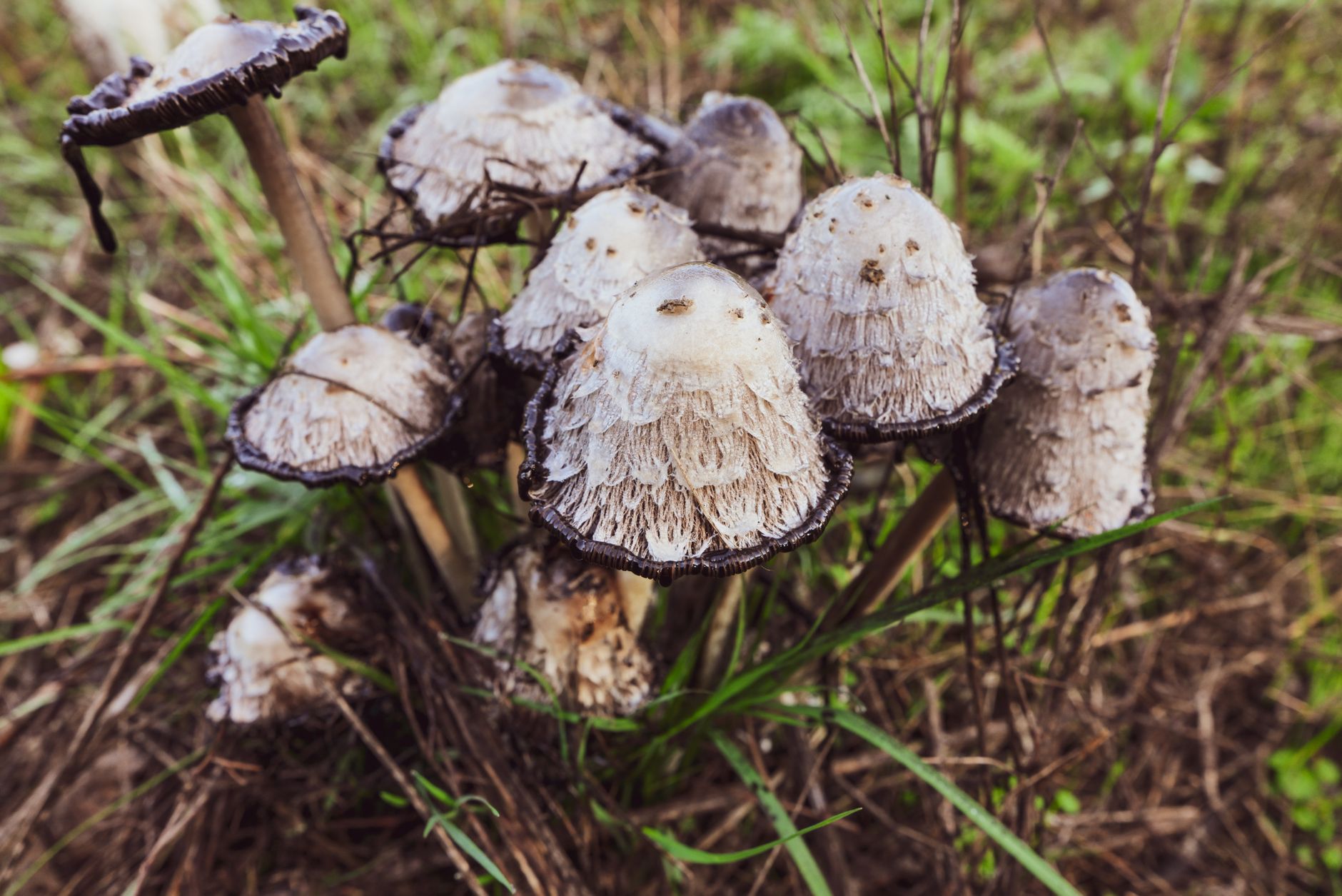
Growing mushrooms in your yard is far less sterile than indoor cultivation. You rely on shade, rain, wood chips, straw, and soil instead of pressure cookers and laminar flow hoods. The tradeoff is slower colonization and weather risk. The payoff is a low-maintenance patch that can fruit for years with almost no daily work. For example, a small wine cap bed in fresh hardwood chips can produce 1 to 3 pounds of mushrooms per 5 square feet per year once established. The North American Mycological Association reminds outdoor growers that wild lookalikes can appear. Never eat a wild mushroom unless an expert positively identifies it first.
Five outdoor methods handle most home spaces: wood chip beds, log inoculation, straw beds, garden bed interplanting, and outdoor buckets. Each method matches different species, materials, and wait times. Wood chip beds and logs use hardwood and take about a season. Straw beds and buckets colonize in weeks and suit oyster mushrooms. Garden bed interplanting turns existing raised beds into dual-use soil builders. The right choice depends on how much shade you have, your budget, and how soon you want to harvest. Penn State Extension rates log and wood chip methods as the longest lasting for shiitake and wine cap.
Before you start, pick spawn that matches your substrate and climate. Check our best mushroom substrate guide before ordering bulk materials. Moisture and fresh air matter as much as sun and soil. For exact fruiting windows and humidity targets, review the mushroom fruiting conditions guide. Start small with one method, then expand once you see which corner of your yard stays moist and shaded. A bucket patch can teach you oyster mushroom timing in 3 to 8 weeks. Use that data to decide if a permanent wood chip bed is worth the wait.
How Do the Top Options Compare?
| Method | Best For | Difficulty | Time to First Harvest | Yield Potential | Cost |
|---|---|---|---|---|---|
| Wood chip beds | Wine cap and oyster mushrooms | Easy | 6-18 months | 1-3 lb per 5 sq ft per year | Check kits |
| Log inoculation | Shiitake and lion’s mane | Moderate | 6-18 months | 0.5-1 lb per log per flush | Check tools |
| Straw beds | Oyster mushrooms | Easy | 2-6 months | 1-2 lb per 20 lb straw | Check straw |
| Raised garden beds | Wine cap and garden mushrooms | Easy to moderate | 4-12 months | 1-2 lb per 10 sq ft per year | Check substrate |
| Outdoor buckets | Oyster and lion’s mane | Easy | 3-8 weeks | 0.5-1.5 lb per bucket per flush | Check buckets |
Yields are planning ranges based on Penn State Extension and NAMA guidance. Actual results depend on shade, moisture, wood type, and spawn rate. Never eat an unidentified mushroom.
1. Wood Chip Beds , Best for low-maintenance wine cap and oyster patches
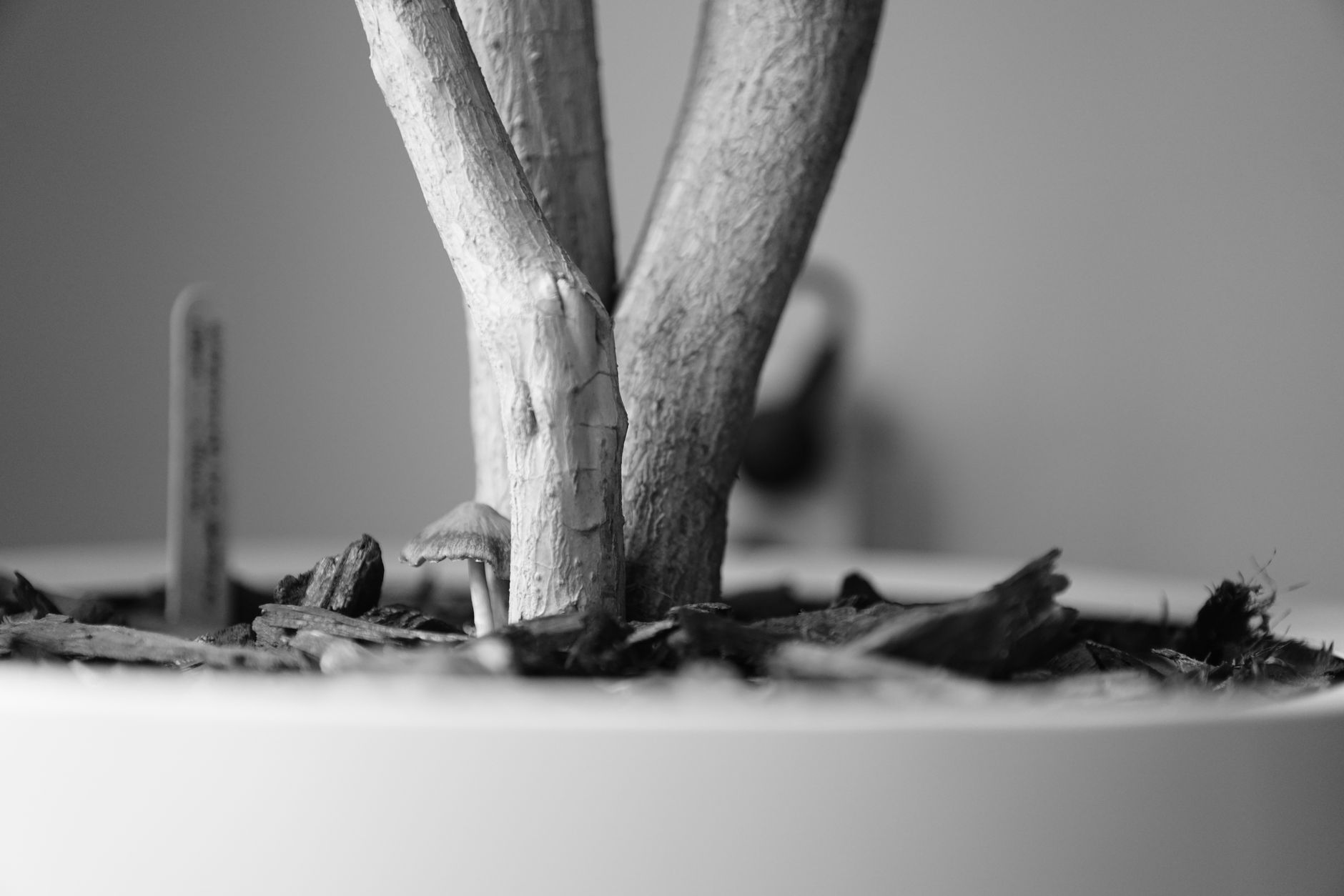
Wood chip beds are the closest thing to a set-and-forget outdoor mushroom patch. Lay fresh hardwood chips 6 to 8 inches deep in a shady spot. Mix in sawdust spawn and water well. The bed colonizes over 6 to 18 months. After that you get flushes every spring and fall. This method works best for wine cap and oyster mushrooms. A 5-pound bag of sawdust spawn can inoculate roughly 100 square feet of chip bed. Keep the bed as moist as a wrung-out sponge. That means 60 to 70 percent moisture in the chip layer. See the wine-cap growing guide for spawn rates. Check a mushroom grow kit on Amazon if you need a ready-made starting point.
Key strengths:
- ✅ Low maintenance after the bed colonizes
- ✅ Uses cheap or free hardwood chips
- ✅ Produces flushes for multiple years
- ✅ Great for wine cap and oyster mushrooms
- ✅ Tolerates partial shade and natural rainfall
- ❌ Slow first harvest at 6 to 18 months
- ❌ Hardwood chips must be fresh and free of herbicides
- ❌ Slugs and rodents may eat mushrooms
Who it’s for: Gardeners with a shady yard and access to hardwood chips who want a multi-year patch.
2. Log Inoculation , Best for shiitake and lion’s mane on oak or maple
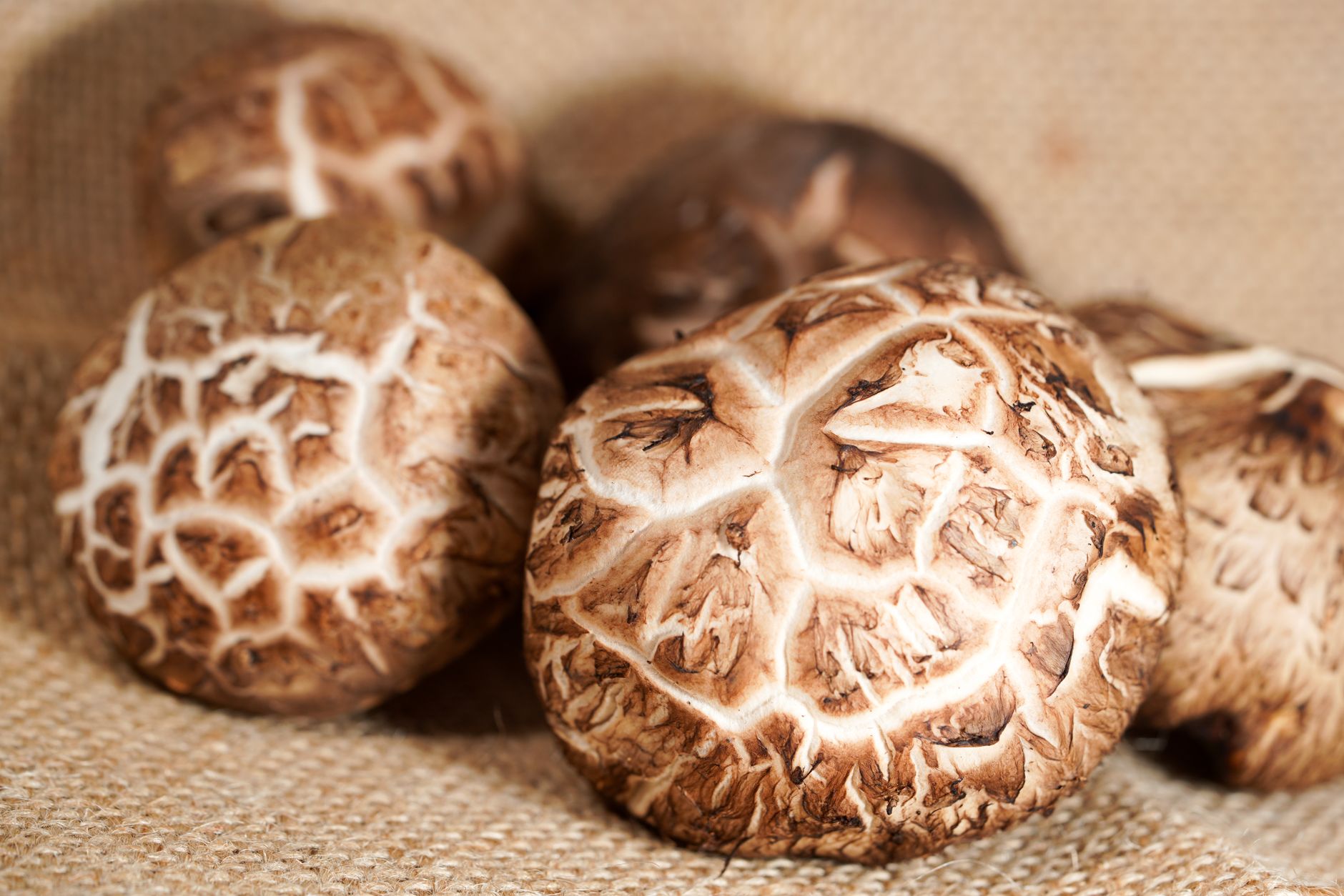
Log inoculation turns freshly cut hardwood into a long-term mushroom producer. Drill holes every 6 inches, pack with plug or sawdust spawn, and seal with wax. Use oak, maple, or beech logs 3 to 8 inches wide and 3 to 4 feet long. Logs fruit for 3 to 5 years once they are fully colonized. Colonization takes 6 to 18 months. Penn State Extension recommends 30 to 50 plugs per 3 to 4 foot log. Fruiting happens when humidity stays around 80 to 90 percent. Each log can produce 0.5 to 1 pound of mushrooms per flush. See how to grow shiitake mushrooms at home and how to grow lion’s mane at home. Check a mushroom log inoculation kit on Amazon for the full setup.
Key strengths:
- ✅ Produces for 3 to 5 years per log
- ✅ Works under trees and in shaded yards
- ✅ High-quality shiitake and lion’s mane yields
- ✅ Uses fallen hardwood that would otherwise rot
- ✅ No daily watering once colonized
- ❌ Requires a drill, spawn, wax, and fresh logs
- ❌ First harvest takes 6 to 18 months
- ❌ Logs are heavy and need space to stack
Who it’s for: Home growers who can cut or source fresh hardwood logs and wait a season for shiitake or lion’s mane.
3. Straw Beds , Best for fast oyster mushroom crops in small spaces
Straw beds give you outdoor oyster mushrooms in weeks, not months. Use clean chopped wheat or oat straw. Layer straw and grain spawn in a shaded trench or raised frame. Colonization takes 2 to 3 weeks at 65 to 75 degrees Fahrenheit. Fruiting starts when cool, wet weather arrives. A 20-pound straw bed can produce 1 to 2 pounds of oyster mushrooms per flush. A safe starting ratio is 1 pound of grain spawn per 20 pounds of dry straw. Keep the bed damp but not soaked. Pasteurize straw at 160 to 170 degrees Fahrenheit for one hour to beat mold. See how to grow oyster mushrooms at home for detailed setup. Check an oyster mushroom grow kit on Amazon if this is your first outdoor crop.
Key strengths:
- ✅ Fast colonization at 2 to 3 weeks
- ✅ Oyster mushrooms are aggressive and easy
- ✅ Uses cheap straw bales or garden gaps
- ✅ Harvests in cool weather within 2 to 6 months
- ❌ Straw can rot or smell if too wet
- ❌ Needs pasteurization or clean straw to beat molds
- ❌ Bed must be rebuilt every few flushes
Who it’s for: Growers who want fast oyster mushroom harvests and can manage straw moisture.
4. Garden Bed Interplanting , Best for mixing mushrooms into vegetable or flower beds
Raised garden beds let mushrooms and vegetables share the same space. Spread 3 to 4 inches of hardwood mulch over the bed. Crumble sawdust spawn throughout the top layer. Cover with another 2 inches of mulch. Wine cap mycelium feeds on the wood and slowly breaks it into soil. Colonization takes 4 to 12 months. A 10 square foot bed can produce 1 to 2 pounds of mushrooms per year. This method improves soil structure and reduces the need for imported compost. Avoid walking on the bed and keep mulch topped up each spring. Use only aged hardwood mulch, not treated bark.
Key strengths:
- ✅ Uses existing garden space and irrigation
- ✅ Builds soil as mycelium feeds on mulch
- ✅ Can interplant with vegetables and ornamentals
- ✅ Low extra cost beyond spawn and mulch
- ❌ Slower colonization than straw or buckets
- ❌ Garden digging can disturb the bed
- ❌ Risk of contamination from compost if not aged
Who it’s for: Vegetable and flower gardeners who want mushrooms as a companion crop.
5. Outdoor Buckets , Best for patios, balconies, and renters
Five-gallon buckets turn a small patio or balcony into a mushroom patch. Drill half-inch holes every 6 inches along the sides. Fill with pasteurized straw or hardwood sawdust mixed with spawn. The holes become fruiting sites for oyster or lion’s mane mushrooms. Buckets are portable and easy to move into shade or a shed during heat waves. Colonization takes 3 to 8 weeks. A single bucket can produce 0.5 to 1.5 pounds per flush. Water once or twice a week during fruiting. This method works best with pasteurized substrate to avoid mold. Replace the substrate after 2 to 3 flushes or when it smells sour.
Key strengths:
- ✅ Portable and small space friendly
- ✅ Fast harvest in 3 to 8 weeks
- ✅ Easy to control moisture and shade
- ✅ Great for renters or patios without beds
- ❌ Buckets dry out faster than ground beds
- ❌ Yield per bucket is lower
- ❌ Substrate must be pasteurized or replaced often
Who it’s for: Renters, patio gardeners, and anyone who wants a movable outdoor mushroom patch.
Frequently Asked Questions
How long do outdoor mushroom beds take to fruit?
Straw buckets can fruit in 3 to 8 weeks. Wood chip and log methods take 6 to 18 months. All methods need shade and steady moisture.
Can I grow mushrooms in full sun?
No. Most outdoor mushrooms need dappled shade. Direct sun dries beds and raises surface temperature above 80 degrees Fahrenheit.
What is the easiest mushroom for a yard?
Wine cap on hardwood wood chips is easiest. It colonizes aggressively and fruits for years with minimal care.
Do I need to water outdoor mushroom patches?
Yes. Keep beds at 60 to 70 percent moisture, like a wrung-out sponge. Water during dry spells.
Are yard-grown mushrooms safe to eat?
Only if you are certain of the species. Use an expert or a club identification service. Never eat unknown mushrooms.
Can I use store-bought mushrooms to start a yard patch?
It is unreliable. You need sawdust or grain spawn matched to the substrate. Store-bought mushrooms are usually too old.
What Should You Remember?
- Match the species to the substrate: Wine cap likes wood chips, shiitake likes oak logs, and oysters like straw.
- Use fresh materials: Old or herbicide-treated wood limits colonization and yield.
- Plan for shade and moisture: Outdoor beds need 60 to 70 percent moisture and protection from wind.
- Expect a wait: Logs and wood chip beds usually fruit in 6 to 18 months.
- Start with fast crops: Straw beds and buckets give oyster mushrooms in 2 to 6 months.
- Identify every mushroom: Never eat an outdoor crop unless you are 100 percent sure of the species.
This article is for general information only. Mushroom identification and consumption carry health and safety risks , never eat a wild mushroom unless positively identified by an expert, and follow sterile technique and food-safety guidance for home grows.