Quick Answer
Yellowfoot Chanterelle (Cantharellus tubaeformis) is rated Very Hard to cultivate — in practice, this means it cannot be reliably grown at home and must be wild-foraged. It is prized for its mild, slightly peppery, delicate flavor and is used for sautéed, soups, pasta. Also called trumpet chanterelle; wild only.
Overview
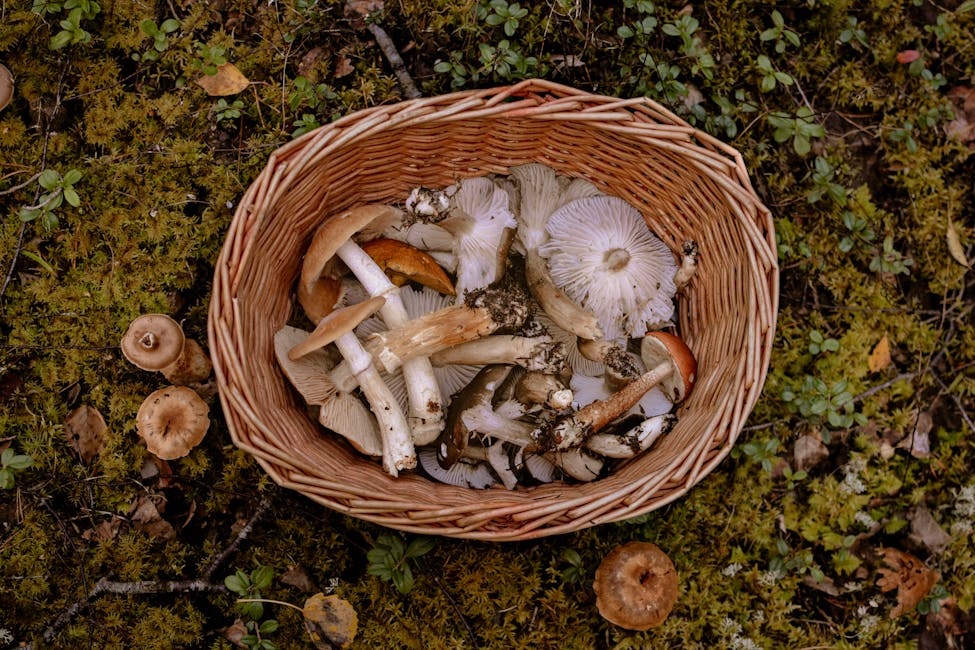
Cantharellus tubaeformis, commonly called Yellowfoot Chanterelle, is one of the most prized mushrooms in gastronomy and traditional food culture. Also called trumpet chanterelle; wild only. Its mild, slightly peppery, delicate flavor makes it a sought-after ingredient for professional chefs and home cooks alike.
Unlike cultivated species such as oyster or shiitake mushrooms, Yellowfoot Chanterelle has never been successfully grown at scale. Its growth depends on environmental factors — often a symbiotic relationship with specific trees or precise seasonal conditions — that cannot yet be replicated artificially. See MushroomExpert.com for ongoing research into this species and similar prized edibles.
Why Yellowfoot Chanterelle Cannot Be Cultivated
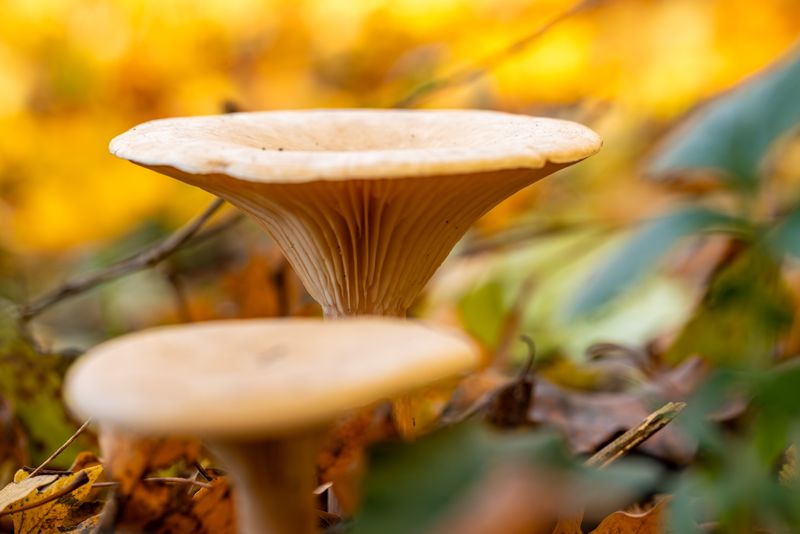
Difficulty: Very Hard. The primary challenge is mossy forest floor, conifer associates. Many highly prized edible fungi are mycorrhizal — they form symbiotic relationships with tree roots and cannot complete their life cycle without a living host tree. This biological dependency makes commercial or home cultivation essentially impossible with current technology.
Researchers and mycologists continue to study cultivation methods, but no reliable commercial pathway exists. For those eager to grow mushrooms at home, we recommend our grow kit guide for beginner-friendly options, our oyster mushroom guide, or our shiitake growing guide.
Finding Yellowfoot Chanterelle in the Wild
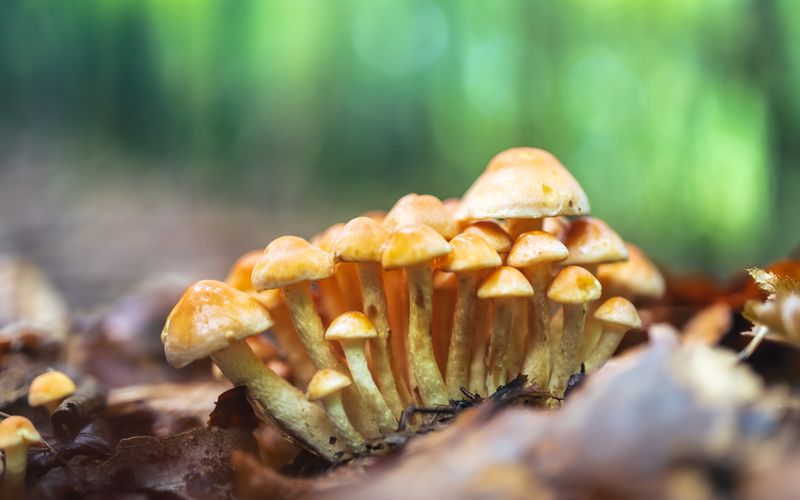
Yellowfoot Chanterelle grows in mossy forest floor, conifer associates environments, typically fruiting when temperatures reach 45-60°F. Successful foraging requires:
- Knowing the correct habitat and host tree associations
- Timing your search to the peak fruiting season
- Positive identification using multiple field guides
- Local knowledge from experienced foragers or mycological societies
Consult NCBI: Nutritional Value of Mushrooms and connect with local mycological societies through MushroomExpert.com for region-specific foraging advice. Never harvest wild mushrooms without 100% positive identification — several toxic look-alikes exist for popular edible species.
Harvesting Wild Yellowfoot Chanterelle
When you find Yellowfoot Chanterelle in the wild, harvest sustainably: take only mature specimens, use a mesh bag to allow spore dispersal as you walk, and avoid disturbing the surrounding habitat. Cut or twist at the base rather than pulling to preserve the mycelium network.
Use fresh Yellowfoot Chanterelle within 1–3 days. Many wild mushrooms dry beautifully — dehydrate at 110–120°F and store in airtight containers. Drying often intensifies flavor, making dried Yellowfoot Chanterelle highly prized for year-round use.
Culinary Uses & Nutrition
Yellowfoot Chanterelle is celebrated for its mild, slightly peppery, delicate flavor. Classic preparations include: Sautéed, soups, pasta.
Nutritionally, Yellowfoot Chanterelle provides Vitamin D, potassium. Like all mushrooms, it is low in calories and contains bioactive compounds with potential health benefits. See our fruiting conditions guide for insight into how growing conditions affect mushroom nutrition and flavor development.
Recommended Products
Frequently Asked Questions
Can Yellowfoot Chanterelle be cultivated at home?
Yellowfoot Chanterelle is rated Very Hard to cultivate. Also called trumpet chanterelle; wild only. Commercial or home cultivation is not currently viable for most growers — wild foraging remains the primary source.
Where can I find Yellowfoot Chanterelle in the wild?
Yellowfoot Chanterelle grows on Mossy forest floor, conifer associates. Fruiting typically occurs when temperatures reach 45-60°F. Look in appropriate habitat during peak season and always verify identification before harvesting.
What does Yellowfoot Chanterelle taste like?
Yellowfoot Chanterelle is prized for its mild, slightly peppery, delicate flavor. It is used for sautéed, soups, pasta.
Is Yellowfoot Chanterelle safe to eat?
Yes, Yellowfoot Chanterelle is a prized edible mushroom when correctly identified. Always be 100% certain of identification — use multiple field guides and consult expert mycologists. Never eat wild mushrooms without confirmed identification.
How do I store foraged Yellowfoot Chanterelle?
Fresh Yellowfoot Chanterelle should be used within 1–3 days of harvest. Store in a paper bag in the refrigerator. Many species dry exceptionally well — dehydrate at 110–120°F and store airtight for months of preserved flavor.
Get weekly guides from GrowMushrooms
No spam. Unsubscribe anytime.