Quick Answer
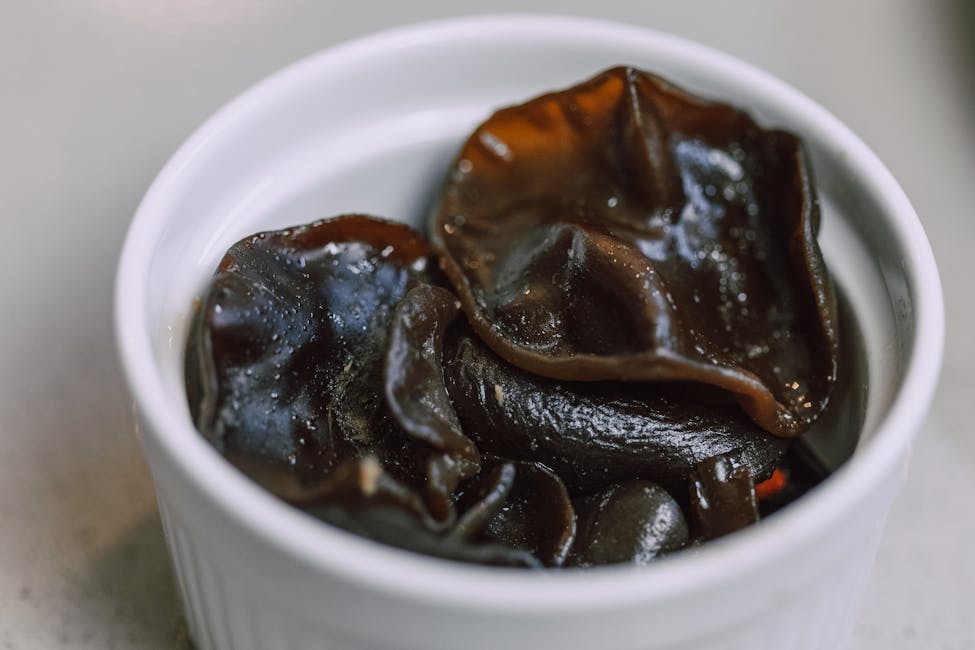
Wood Ear (Auricularia auricula-judae) is a Easy mushroom to cultivate, fruiting at 60-75°F on Hardwood sawdust, logs. Widely used in Asian cuisine. It delivers a mild, crunchy, gelatinous texture flavor and is popular for hot and sour soup, stir-fries, salads.
Overview
Auricularia auricula-judae, commonly known as Wood Ear, is cultivated worldwide for its mild, crunchy, gelatinous texture flavor and impressive nutritional profile. Widely used in Asian cuisine. Whether you're a hobbyist grower or planning to scale, Wood Ear rewards careful attention to substrate, humidity, and temperature.
The species contains notable amounts of Iron, collagen, polysaccharides, making it a nutritional powerhouse on top of its culinary value. Growers appreciate its relatively easy cultivation requirements compared to wild or mycorrhizal species. According to NCBI: Medicinal Mushroom Research, home cultivation of gourmet mushrooms has never been more accessible with the right substrate and spawn sources.
Substrate & Setup
The ideal substrate for Wood Ear is Hardwood sawdust, logs. This combination provides the carbon, nitrogen, and moisture content the mycelium needs to colonize aggressively and produce dense fruiting bodies.
Before inoculation, substrate must be pasteurized or sterilized depending on its nutrient level. High-nutrient substrates (supplemented sawdust, grain) require full sterilization at 250°F/15 PSI for 2.5 hours. Lower-nutrient substrates (straw, wood chips) can be hot-water pasteurized at 160–180°F for 60–90 minutes. See our pasteurization guide and our substrate guide for detailed instructions.
Once cooled to room temperature, inoculate with quality grain spawn at a 10–20% spawn-to-substrate ratio by weight. Mix thoroughly, pack into grow bags or containers, and seal with filter patches to allow gas exchange. Learn how to prepare your own spawn in our grain spawn guide.
Growing Conditions
During colonization (spawn run), maintain 70–75°F in darkness with minimal air exchange. Mycelium generates CO₂ during colonization, so too much fresh air at this stage can slow growth. Colonization typically takes 10–21 days depending on temperature and spawn rate.
Once fully colonized (substrate turns uniformly white/cream), transition to fruiting conditions:
- Temperature: 60-75°F
- Humidity: 85–95% relative humidity
- Fresh Air Exchange: 4–6 exchanges per hour
- Light: Indirect light, 12 hours/day (signals direction to the mushrooms)
A temperature drop of 5–10°F from colonization temperature often triggers pinning. Mist walls and substrate surface (not directly on pins) 2–3 times daily to maintain humidity. Consult Fungi Perfecti Research Library for additional environmental parameters and community-tested techniques.
Monitor for contamination throughout the process. Green, black, or pink patches indicate mold. Our contamination guide covers identification and remediation. See also our fruiting conditions guide for chamber setup tips.
Harvesting
Harvest Wood Ear at the correct stage — typically just before caps fully flatten or begin to turn upward. Over-mature mushrooms drop spores, reduce shelf life, and signal the mycelium to slow down for the next flush.
Twist and pull the entire cluster at the base rather than cutting, which can leave stumps that invite bacterial rot. After the first flush, remove all remaining stubs, allow the substrate to rest for 5–7 days, then rehydrate by soaking or misting heavily. Most blocks produce 2–3 flushes over 4–8 weeks.
Store fresh Wood Ear in a paper bag in the refrigerator for up to 5–7 days. For longer storage, sauté and freeze, or dehydrate at 110–120°F until fully dry and store in airtight containers.
Culinary Uses & Nutrition
Wood Ear offers a mild, crunchy, gelatinous texture flavor profile that works across a wide range of dishes. Common culinary applications include: Hot and sour soup, stir-fries, salads.
Nutritionally, Wood Ear provides Iron, collagen, polysaccharides. Like most culinary mushrooms, it is low in calories and fat while delivering meaningful amounts of fiber and umami compounds that satisfy without excess. Cook from raw or dried — dehydrated Wood Ear intensifies in flavor and reconstitutes well in soups, braises, and sauces.
Recommended Products
Frequently Asked Questions
How difficult is it to grow Wood Ear?
Wood Ear is rated Easy difficulty. Widely used in Asian cuisine. With proper substrate preparation and environmental control, home growers can achieve excellent results.
What substrate does Wood Ear grow best on?
Wood Ear grows best on Hardwood sawdust, logs. Proper preparation — including pasteurization or sterilization — is critical to prevent contamination and maximize yields.
What temperature does Wood Ear fruit at?
Wood Ear fruits best at 60-75°F. Keeping temperatures stable within this range, combined with 80–95% relative humidity, triggers healthy pinning and development.
How do I know when Wood Ear is ready to harvest?
Harvest Wood Ear just before the caps fully flatten or the veil breaks (if present). Younger mushrooms are more tender and have better shelf life. Twist and pull cleanly at the base.
What does Wood Ear taste like and how is it used in cooking?
Wood Ear has a mild, crunchy, gelatinous texture flavor profile. It is commonly used in: Hot and sour soup, stir-fries, salads. It pairs well with butter, garlic, and savory dishes.
Get weekly guides from GrowMushrooms
No spam. Unsubscribe anytime.