Quick Answer
Bleeding Fairy Helmet (Mycena haematopus) is a fascinating fungus rated N/A for cultivation — in practice, it is not grown commercially or at home. Bleeds dark red sap when broken. It is primarily of interest for mycological identification and scientific study rather than culinary use.
Overview
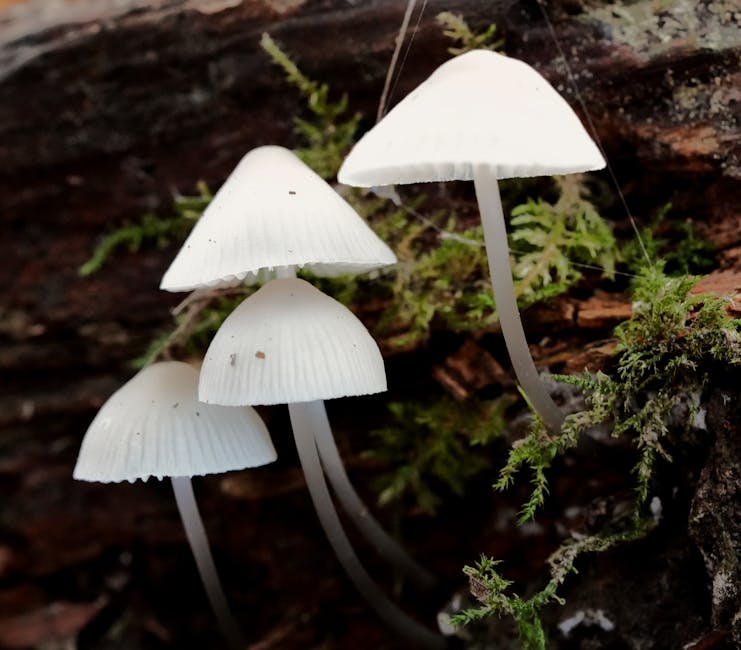
Mycena haematopus, known as the Bleeding Fairy Helmet, is a striking member of the fungal world. Bleeds dark red sap when broken. While not a culinary target, it plays an ecological role as a decomposer of dead hardwood in woodland and forest habitats.
For home mushroom cultivators, Bleeding Fairy Helmet serves as a reminder of the extraordinary diversity within the fungal kingdom. According to NCBI: Medicinal Mushroom Research, there are over 14,000 described mushroom species in North America alone, many of which — like Bleeding Fairy Helmet — are appreciated for their ecological rather than culinary roles.
Why It Cannot Be Cultivated
Difficulty: N/A. Bleeding Fairy Helmet has no viable cultivation pathway for home or commercial growers. Its substrate requirements and biology make artificial cultivation impractical with current technology. The species grows naturally on dead hardwood.
For those interested in home mushroom cultivation, we recommend starting with beginner-friendly species. Check our grow kit guide or our oyster mushroom guide to get started. Our fruiting conditions guide covers environmental requirements for cultivatable species.
Identification & Field Notes
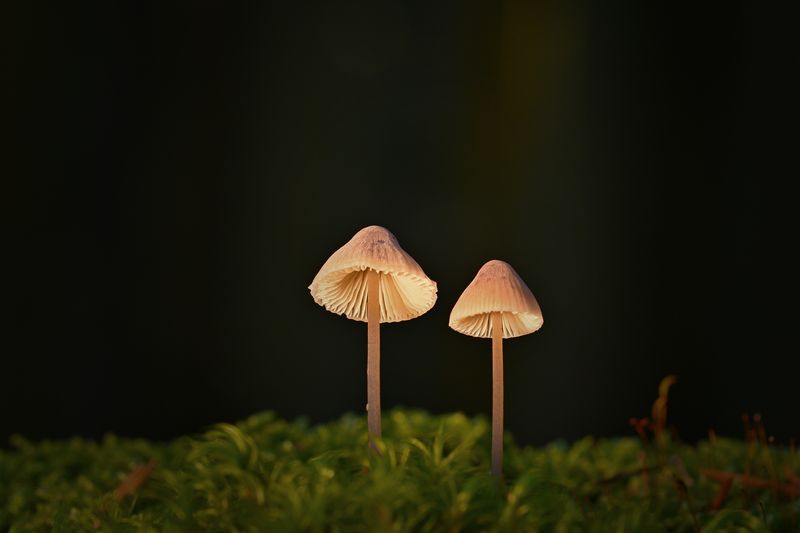
Bleeding Fairy Helmet fruits at temperatures around 55-70. The species can be found on or near dead hardwood. Identification is best confirmed with a field guide or mycological expert.
Fungi Perfecti Research Library maintains extensive photographic databases and community expertise for accurate species identification. Never handle or consume any wild fungus without absolute certainty of identification.
Ecological Role
Like most saprotrophic fungi, Bleeding Fairy Helmet plays a vital role in breaking down dead organic matter and returning nutrients to the forest floor. This decomposition function supports healthy forest ecosystems by cycling carbon and nitrogen. Even species with no culinary value contribute significantly to biodiversity and soil health.
Scientific Interest
The Bleeding Fairy Helmet is studied for its bleeds dark red sap when broken and its role in forest ecology. Researchers from institutions represented at NCBI: Medicinal Mushroom Research continue to document and catalog fungal species to better understand ecosystem dynamics.
For hobbyists interested in mycology beyond cultivation, joining a local mycological society or exploring resources at Fungi Perfecti Research Library can deepen your appreciation of species like Bleeding Fairy Helmet that are fascinating without being edible.
Recommended Products
Frequently Asked Questions
Can you eat Bleeding Fairy Helmet?
Bleeding Fairy Helmet is generally not considered a culinary mushroom — it is too small or not palatable for eating. It is primarily of interest for identification and mycological study.
Is Bleeding Fairy Helmet poisonous?
Bleeding Fairy Helmet is not typically classified as toxic, but it is not eaten due to size and flavor limitations. Always confirm species identification before consuming any wild mushroom.
Where does Bleeding Fairy Helmet grow?
Bleeding Fairy Helmet grows on Dead hardwood. It is typically found in 55-70 conditions and is primarily a decomposer of dead wood.
What makes Bleeding Fairy Helmet distinctive?
Bleeds dark red sap when broken. This characteristic makes it one of the more visually interesting small fungi despite its lack of culinary value.
How do I identify Bleeding Fairy Helmet correctly?
Key identification features include its growth on dead hardwood, its distinctive appearance, and bleeds dark red sap when broken. Always cross-reference with a reliable field guide or expert mycologist before handling unknown fungi.
Get weekly guides from GrowMushrooms
No spam. Unsubscribe anytime.