Key Takeaways
The global mushroom market topped $65 billion in 2026 and is on track to exceed $156 billion by 2033 (Grand View Research, 10.2% CAGR). China produces over 75% of the world's mushrooms. The US alone sells over 650 million pounds of Agaricus mushrooms annually. Functional and medicinal mushrooms — lion's mane, reishi, cordyceps — are the fastest-growing segment at 11%+ CAGR. And psilocybin therapy has crossed 134 registered clinical trials, signaling a seismic shift in how the world sees fungi.

Photo: Pexels / Global mushroom cultivation is one of the fastest-growing agricultural sectors on Earth.
Mushrooms have never been bigger — literally or economically. From a $65 billion commodity market to a cutting-edge psilocybin research boom, fungi are reshaping food, medicine, sustainability, and even mental health treatment. Whether you're a home grower, an investor researching the space, or just curious about what the numbers actually say — this is the most comprehensive collection of mushroom cultivation statistics for 2026 you'll find.
We've pulled data from USDA NASS reports, FAO production data, Grand View Research, Mordor Intelligence, Nutrition Business Journal, PubMed peer-reviewed studies, and the American Mushroom Institute. Every stat is cited. Every number is real.
1. Global Mushroom Market Size & Growth
The global mushroom industry has exploded in scale over the past decade, driven by health-conscious consumers, a plant-based food revolution, and surging interest in adaptogenic and functional products. Here's what the market data shows:
- Stat #1: The global mushroom market was valued at USD $65.6 billion in 2024, according to Grand View Research's 2025 industry report.
- Stat #2: The market is forecast to grow at a CAGR of 10.2% from 2025 to 2033, reaching $156.3 billion.
- Stat #3: A parallel estimate from Marknt&L Advisors values the market at ~$64 billion in 2024 with a projected $99 billion by 2030, at ~8% CAGR.
- Stat #4: IMARC Group pegs the 2025 global market at $76 billion, projecting $123.7 billion by 2034 at a 5.57% CAGR.
- Stat #5: Asia Pacific holds the largest regional share at 78.66% of the global market as of 2024, driven by China, Japan, South Korea, and India.
- Stat #6: Europe holds over 41.9% of global market share for specialty mushroom categories (IMARC Group, 2025).
- Stat #7: US growers are planning to increase mushroom filling area to 153 million square feet for the 2024–2025 season — a 22% rise versus the previous season (IMARC Group).
📊 Why the Range in Estimates?
Different market research firms use different methodologies — some include only fresh/processed mushrooms, others incorporate supplements, extracts, and derived ingredients. All agree on the direction: rapid, sustained growth. For context, the global mushroom market was under $30 billion in 2015. It has more than doubled in a decade.
2. US Mushroom Production Statistics (USDA Data)
The United States Department of Agriculture's National Agricultural Statistics Service (NASS) conducts an annual mushroom survey covering production volume, value, and grower data. Here are the most recent figures:
- Stat #8: US Agaricus (button/cremini/portobello) mushroom sales totaled 654 million pounds in the 2026–2025 season — up 2% from the prior year (USDA NASS, August 2025).
- Stat #9: The 2023–2024 season saw 643 million pounds of Agaricus mushroom sales — down 9% from the year before (USDA NASS, August 2024).
- Total mushroom value of sales in the US reached $1.09 billion across all varieties, including specialty types (USDA / Vertical Farm Daily, 2024).
- Stat #10: Pennsylvania is the dominant US mushroom state, accounting for 69% of total Agaricus volume, followed by California as a distant second.
- Stat #11: Fresh market sales of US Agaricus mushrooms totaled 564 million pounds in one recent season, with processed sales at 78.6 million pounds.
| Season | Agaricus Volume (lbs) | Change YoY | Source |
|---|---|---|---|
| 2024–2025 | 654 million | +2% | USDA NASS |
| 2023–2024 | 643 million | −9% | USDA NASS |
| US Total Market Value | All varieties | $1.09 billion | USDA / VFDaily |
Want to start growing your own? The US mushroom industry proves there's strong demand for locally grown product. A mushroom grow kit is the easiest entry point — fully colonized blocks that fruit in 7–14 days right on your kitchen counter.
3. Species Breakdown: What the World Grows
The popular image of "the mushroom" as a white button cap is increasingly outdated. Shiitake, oyster, and wood ear mushrooms have overtaken button mushrooms in global production volume. Here's how the world's cultivation is divided by species:
| Species | % of Global Production | Primary Growing Regions |
|---|---|---|
| Shiitake (Lentinula edodes) | 26% | China, Japan, South Korea |
| Oyster (Pleurotus ostreatus) | 21% | China, India, Europe |
| Black Ear / Wood Ear (Auricularia spp.) | 21% | China, Taiwan |
| Button (Agaricus bisporus) | 11% | USA, Netherlands, France |
| Enoki (Flammulina velutipes) | 7% | Japan, China, Korea |
| King Oyster (P. eryngii) | 5% | China, South Korea |
| Paddy Straw (Volvariella volvacea) | 1% | Southeast Asia |
| Other (reishi, lion's mane, nameko, etc.) | 13% | Global |
- Stat #12: Shiitake leads global mushroom production at 26% of total output by volume (ResearchGate / ICAR Mushroom Research, 2024).
- Stat #13: Oyster and black ear mushrooms each account for 21% of global production — together outpacing button mushrooms nearly 4-to-1.
- Stat #14: Button mushrooms, once the dominant variety, now represent just 11% of global production volume — down significantly from mid-20th-century dominance.
- Stat #15: Global mushroom production was estimated at 43 million metric tonnes in 2018–2019, and has continued growing substantially since (ICAR Mushroom Research).
- Stat #16: The "other" category — including lion's mane, reishi, cordyceps, nameko, and matsutake — accounts for 13% of global production and is the fastest-growing segment by value.
If you want to grow the world's most popular gourmet species at home, check out our guides: Oyster Mushroom Growing Guide and Shiitake Mushroom Growing Guide — both are highly achievable for home growers.
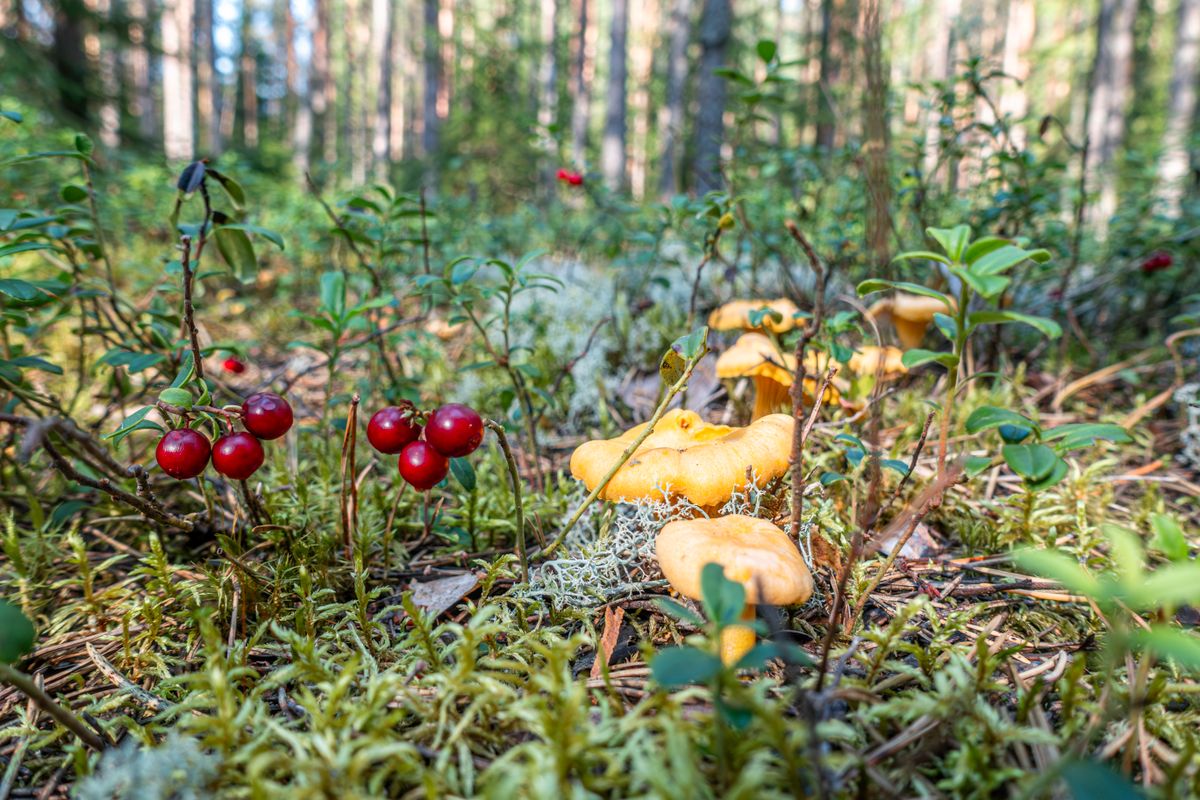
Wild chanterelles — wild-harvested varieties like chanterelles, morels, and matsutake command premium prices, adding billions in value to global mushroom trade. Photo: Pexels.
4. China's Dominance in Global Mushroom Production
No discussion of mushroom statistics is complete without acknowledging China's extraordinary scale. The country doesn't just lead in mushroom production — it essentially defines global production norms.
- Stat #17: China produces over 75% of the world's mushrooms, contributing more than 32 million metric tons annually — nearly four times the combined output of all other countries (FAO / Statista, 2025).
- Stat #18: Some FAO-cited sources report China's share at up to 94% of global production in certain measurement years, depending on whether wild harvest is included (StatLedger / FAO, 2022 data).
- Stat #19: China's per capita mushroom consumption exceeds 20 kg per person per year — among the highest in the world (StatLedger).
- Stat #20: Asia Pacific as a whole held 78.66% of the global mushroom market share in 2026, growing at a CAGR of 10.3% (Grand View Research).
- Stat #21: Outside Asia, the United States and the Netherlands are the two largest non-Asian mushroom producers globally (FAO FAOSTAT).
China's mushroom production is built on thousands of small-scale farms and increasingly on industrial vertical operations. This scale explains why bulk commodity mushrooms remain affordable globally, while premium specialty varieties — particularly lion's mane, which requires more careful cultivation — command 5–10× higher retail prices.
5. Medicinal & Functional Mushroom Market Statistics
The fastest-growing segment of the mushroom industry isn't the grocery store produce aisle — it's functional and medicinal mushrooms sold as supplements, extracts, and enhanced foods. Lion's mane, reishi, cordyceps, chaga, and turkey tail have gone from niche health food items to mainstream wellness staples.
- Stat #22: The global functional mushroom market was valued at USD $31.71 billion in 2023, projected to reach $65.83 billion by 2030 at a CAGR of 11.2% (Grand View Research).
- Stat #23: Mordor Intelligence reports the functional mushroom market at $13.20 billion in 2026, growing at 9.45% CAGR to $20.74 billion by 2031 — a narrower segment definition focused on supplements/extracts.
- Stat #24: Technavio forecasts the functional mushroom market will expand by $23.29 billion between 2025 and 2030, at a CAGR of 10.3%.
- Stat #25: The US market for mushroom supplements and enhanced functional foods reached $1.1 billion in 2023, growing at 11–13% CAGR (Nutrition Business Journal Mushroom Market Report 2024).
- Stat #26: Organic functional mushroom extracts are accelerating at 11.76% CAGR through 2031, with consumers paying 30–50% price premiums for USDA Organic, EU Organic, or JAS-certified products (Mordor Intelligence).
- Stat #27: The medicinal mushroom market (broader definition) is expected to reach $84.36 billion in 2026, growing at 11.64% CAGR through 2035 (Business Research Insights).
- Stat #28: Lion's mane demand has surged particularly strongly — interest in Hericium erinaceus for cognitive support and Nerve Growth Factor (NGF) stimulation has made it the fastest-growing supplement species by search volume and retail sales since 2021.
Want to grow lion's mane yourself? It's achievable at home with the right setup. See our Lion's Mane Growing Guide for everything you need to know about fruiting this stunning medicinal species.
6. Mushroom Nutrition Statistics & Health Data
Mushrooms aren't just flavorful — they're nutritionally unique in the plant-adjacent world. They're the only non-animal food source of vitamin D that naturally produces it (when UV-exposed). Here are the key nutritional numbers:
- Stat #29: Mushrooms are the only vegan, non-fortified dietary source of vitamin D. UV-exposed mushrooms can provide significant amounts of vitamin D2, rivaling fortified dairy products (Medical News Today / NIH).
- Stat #30: One cup (70g) of raw white mushrooms provides approximately 2.2g of protein, 2.3g of carbohydrates, 0.2g of fat, and just 15 calories (USDA FoodData Central).
- Stat #31: Mushrooms contain all essential amino acids, making them one of the most nutritionally complete plant-adjacent protein sources available.
- Stat #32: Mushrooms are a rich source of selenium — an antioxidant mineral often lacking in plant-based diets — as well as copper, potassium, B vitamins (riboflavin, niacin, pantothenic acid), and ergothioneine.
- Stat #33: Ergothioneine, an unusual antioxidant amino acid found almost exclusively in mushrooms, has attracted significant research attention for its potential role in reducing inflammation and protecting against neurodegeneration.
- Stat #34: Lion's mane contains bioactive compounds — hericenones and erinacines — that have been shown in clinical and preclinical studies to stimulate Nerve Growth Factor (NGF) synthesis, supporting cognitive function and nerve repair (multiple peer-reviewed studies, 2019–2026).
- Stat #35: Reishi (Ganoderma lucidum) contains over 400 bioactive compounds including polysaccharides and triterpenoids studied for immunomodulation, anti-inflammatory, and adaptogenic effects.
7. Environmental Impact & Sustainability Statistics
Mushrooms may be the most efficient food we can produce. They grow on agricultural waste, require minimal water and land, and produce a tiny carbon footprint compared to virtually any other protein source. The American Mushroom Institute calls growers "the ultimate recyclers" — and the data backs that up.
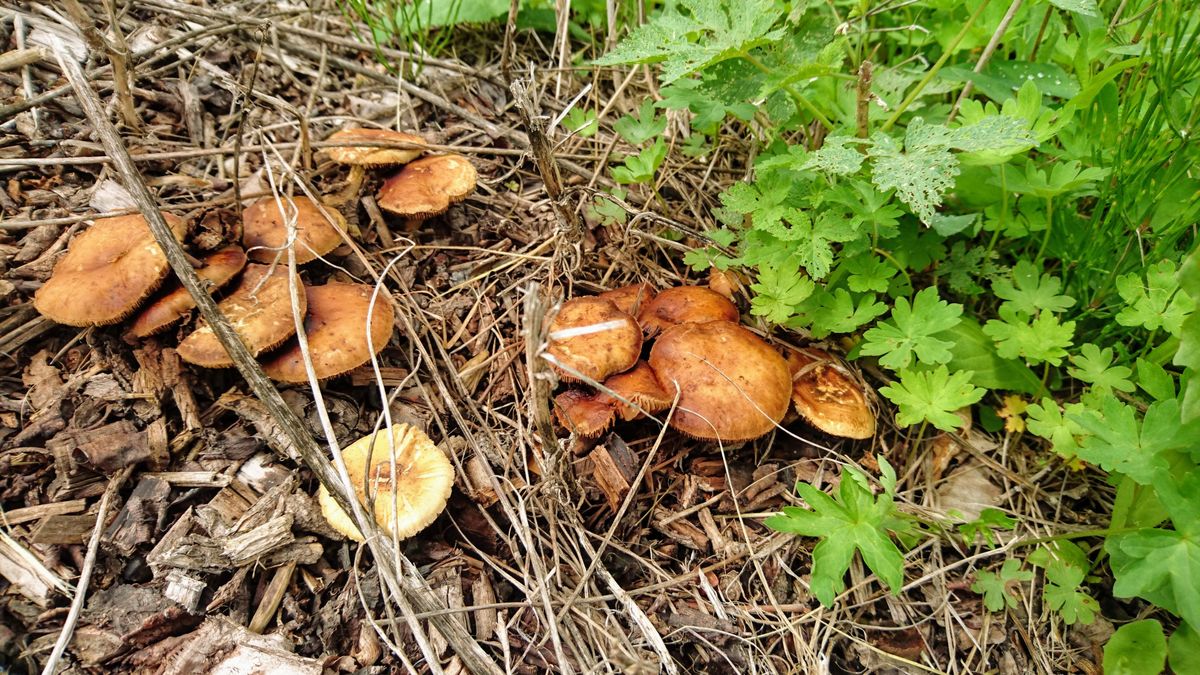
Mushrooms growing in wood chip substrate — a perfect example of turning agricultural waste into food. Photo: Pexels.
- Stat #36: Producing one pound of button mushrooms requires less than 2 gallons of water — approximately 32 eight-ounce glasses — from grow to store shelf (American Mushroom Institute).
- Stat #37: By comparison, producing one pound of other fresh produce requires an average of 50 gallons of water — making mushrooms 25× more water-efficient (American Mushroom Institute).
- Stat #38: A peer-reviewed PMC study found that producing 1 kg of mushrooms requires 322 liters of water and results in 1.1 kg of CO₂ emissions — dramatically lower than livestock products (PMC / NCBI, 2026).
- Stat #39: Producing one pound of button mushrooms requires just 1.0 kilowatt-hour (kWh) of electricity — the same as running a coffee maker for one hour (American Mushroom Institute).
- Stat #40: Mushrooms are grown on byproducts and waste from other agricultural sectors — corn cobs, straw, sawdust, coffee grounds, spent grain — converting agricultural waste into nutritious food with near-zero primary land input.
- Stat #41: A peer-reviewed comparison found mushroom protein has a dramatically lower environmental footprint than red meat: beef requires 15,000+ liters of water per kg of protein, versus mushrooms' 322 liters per kg of product (PMC, 2024).
The substrate your mushrooms grow on is a crucial environmental variable. Our Mushroom Substrate Guide covers which agricultural byproducts work best for different species — and why choosing the right substrate can double your yields.
8. Home Growing & Indoor Cultivation Trends
One of the most remarkable shifts in the mushroom world isn't happening at industrial farms — it's happening in apartments, basements, and garages. Home and small-scale mushroom cultivation has surged, driven by the grow-your-own food movement, the popularity of functional mushrooms, and the rise of accessible grow kit products.
- Stat #42: The mushroom growing kits market is one of the fastest-growing sub-segments of the home horticulture market, with multiple reports tracking double-digit CAGR growth through 2030 (Valuates Reports, 2024).
- Stat #43: Search interest in "how to grow mushrooms at home" has increased dramatically year-over-year since 2020, correlating with pandemic-era interest in food self-sufficiency and continued growth through 2026 (Google Trends data).
- Stat #44: US growers expanded mushroom filling area to 153 million square feet for the 2024–2025 season — a 22% increase over the prior year, reflecting both commercial and small-scale expansion (IMARC Group citing USDA data).
- Stat #45: Indoor vertical mushroom farming is attracting significant investment — unlike many vertical crops, mushrooms do not require light for photosynthesis, making them ideal for dark, controlled environments that maximize space utilization.
🏠 What This Means for Home Growers
The data confirms what many home growers already know intuitively: mushrooms are uniquely suited to small-scale, indoor, low-tech cultivation. A 5 lb block of colonized substrate can produce 1.5–2 lbs of premium gourmet mushrooms across 3 flushes in under 8 weeks — from a closet shelf. The same square footage growing other vegetables would produce a fraction of the food value. Mushrooms are the most space-efficient food you can grow indoors.
9. Psilocybin Research Statistics
The conversation around "magic mushrooms" has shifted dramatically from counterculture to clinical medicine. Psilocybin — the active compound in Psilocybe species — is now one of the most actively researched psychiatric compounds in the world. Here's where the data stands:
- Stat #46: As of 2024, there were 134 registered clinical trials for psilocybin on ClinicalTrials.gov, spanning 54 potential therapeutic indications (PMC, 2024).
- Stat #47: 102 of those 134 trials were registered in the preceding 5-year window (2019–2024), reflecting the explosive growth of the field post-FDA breakthrough designation (PMC, 2024).
- Stat #48: The FDA granted psilocybin "Breakthrough Therapy" designation for treatment-resistant depression in 2018 and for major depressive disorder (MDD) in 2019 — the fastest regulatory recognition pathway available (MDPI / FDA).
- Stat #49: Psilocybin research now spans Europe and North America, with notable EU growth since 2022 in Germany, the Czech Republic, Denmark, and the Netherlands — countries with legislative frameworks accommodating psychedelic research (MDPI, 2025).
- Stat #50: Oregon became the first US state to legalize supervised psilocybin therapy (Measure 109, 2020), with licensed service centers operating since 2023. Colorado passed a similar measure in 2022.
Note: Psilocybin remains a Schedule I controlled substance federally in the United States. All research occurs under strict regulatory frameworks. GrowMushrooms does not provide guidance on cultivation of psilocybin-containing species.
10. Future Outlook: Where Mushroom Cultivation Is Headed
The trajectory for mushrooms — as food, medicine, environmental solution, and research subject — is unambiguously upward. Here's a synthesized view of where the data points:
| Segment | Current Value | Projected Value | CAGR |
|---|---|---|---|
| Global Mushroom Market (total) | $65.6B (2024) | $156.3B (2033) | 10.2% |
| Functional Mushroom Market | $31.7B (2023) | $65.8B (2030) | 11.2% |
| US Supplement Market | $1.1B (2023) | ~$2B+ (2028 est.) | 11–13% |
| Organic Functional Extracts | Growing | Accelerating | 11.76% |
| US Agaricus Production | 654M lbs (2024–25) | Growing | ~2% YoY |
The forces driving this growth are structural, not faddish: an aging population seeking cognitive support (driving lion's mane demand), a planetary sustainability crisis making protein-efficient foods strategically important, and a mental health epidemic that psilocybin research is increasingly positioned to address.
For home growers, the opportunity is equally compelling. Fresh gourmet mushrooms retail for $12–25 per pound. A $30 grow kit can produce 1.5–2 lbs in 6–8 weeks. The unit economics are strong, the skill curve is gentle, and the satisfaction of harvesting your own food is underrated.
🌱 Ready to Start Growing?
The statistics tell the story: mushrooms are the future of sustainable food, functional wellness, and novel medicine. The best time to start growing is now — and it doesn't require a farm or specialized equipment.
- → Best Mushroom Grow Kits 2026 — easiest way to start harvesting in under 2 weeks
- → Substrate Guide — scale beyond kits with bulk substrate
- → Oyster Mushroom Guide — the world's #2 cultivated species
- → Lion's Mane Guide — the hottest medicinal mushroom you can grow at home
Sources & Citations
All statistics in this article are drawn from primary or secondary research sources. Where ranges exist across studies, we cite the source alongside the figure.
- Grand View Research. Mushroom Market Size And Share | Industry Report, 2033. 2026. grandviewresearch.com
- Marknt&L Advisors. Mushroom Market Size, Share & Trends Forecast Report 2030. marknteladvisors.com
- IMARC Group. Mushroom Market Size, Share & Growth Forecast 2034. imarcgroup.com
- Polaris Market Research. Mushroom Market Size 2025 | Growth Analysis, 2034. polarismarketresearch.com
- USDA NASS. Mushrooms 08/21/2026. esmis.nal.usda.gov (NASS Mushroom Report, August 2024)
- USDA NASS. Mushrooms 08/21/2025. esmis.nal.usda.gov (NASS Mushroom Report, August 2025)
- Vertical Farm Daily. All mushroom value of sales at $1.09 billion in the US. verticalfarmdaily.com. August 2024.
- ChannelIAM. China Dominates Global Mushroom Production. channeliam.com. August 2025.
- StatLedger. China Mushroom Market – Trend Analysis & Forecast to 2030. statledger.com
- ICAR Mushroom Research / epubs.icar.org.in. Status and trends in world mushroom production-III. 2021.
- ResearchGate / ICAR. Status of mushroom production: Global and national scenario. January 2024.
- Grand View Research. Functional Mushroom Market Size And Share Report, 2030. grandviewresearch.com
- Mordor Intelligence. Functional Mushroom Market Size, Growth, Share & Report Analysis 2031. February 2026.
- Food Institute. A Bundle of Fungi: Demand for Functional Mushrooms Surges. January 2026. foodinstitute.com
- Business Research Insights. Medicinal Mushroom Market Trends, Health Benefits & Forecast [2035]. businessresearchinsights.com
- Technavio. Functional Mushroom Market Growth Analysis 2026–2030. March 2026.
- Medical News Today. Mushrooms: Nutritional value and health benefits. February 2024.
- American Mushroom Institute. Sustainability. americanmushroom.org
- PMC / NCBI. Edible mushrooms as an alternative to animal proteins for having a more sustainable diet. 2024. pmc.ncbi.nlm.nih.gov/articles/PMC11608470/
- PMC / NCBI. The Promise of Therapeutic Psilocybin: An Evaluation of the 134 Clinical Trials. 2024. pmc.ncbi.nlm.nih.gov/articles/PMC11016263/
- MDPI. Evolution and Comparative Analysis of Clinical Trials on Psilocybin. September 2025.
- APA Monitor. Psychedelic treatment and mental health: Navigating a longer trip with optimism. January 2025.
Frequently Asked Questions
How big is the global mushroom market in 2026?
The global mushroom market was valued at approximately $65.6 billion in 2024 (Grand View Research) and is projected to exceed $76 billion in 2026, growing at a CAGR of 5.6–10.2% depending on the segment. The market is forecast to reach $99–156 billion by 2030–2033.
Which country produces the most mushrooms in the world?
China dominates global mushroom production, accounting for over 75% of worldwide output and contributing more than 32 million metric tons annually. China's per capita mushroom consumption exceeds 20 kg per person per year — among the highest globally.
What is the most cultivated mushroom species worldwide?
Shiitake (Lentinula edodes) leads global production at 26% of total output by volume, followed by oyster mushrooms and black ear (wood ear) mushrooms at 21% each. Button mushrooms now account for approximately 11% of production by weight — a dramatic decline from mid-20th century dominance.
How sustainable is mushroom cultivation?
Mushrooms are one of the most sustainable foods available. Producing one pound of button mushrooms requires less than 2 gallons of water and generates just 0.7 lbs of CO2 equivalents. They grow on agricultural waste byproducts and require minimal land. By comparison, beef protein requires thousands of gallons of water and generates dramatically more greenhouse gases per pound.
How many psilocybin clinical trials are there?
As of 2024 data, there were 134 registered psilocybin clinical trials on ClinicalTrials.gov covering 54 potential therapeutic indications. 102 of those trials were registered in the preceding 5 years, reflecting rapid growth since the FDA granted psilocybin "Breakthrough Therapy" status in 2018–2019.
Get weekly guides from GrowMushrooms
No spam. Unsubscribe anytime.