Quick Answer
Growing lion's mane from grain spawn to fruiting body takes 5-7 weeks total. Prepare grain spawn on sterilized rye or millet (10-14 days at 70-75F). Mix colonized spawn at 10-20% ratio into sterilized hardwood sawdust supplemented with 5-10% wheat bran. Colonize substrate for 14-21 days at 70-75F in darkness. Initiate fruiting with a 5-10F temperature drop, 80-95% humidity, and 4-6 FAE exchanges per hour under indirect light. Harvest when spines are 0.5-1 inch and pure white. Expect 2-3 flushes per block over 6-8 weeks.
Some links on this page are affiliate links (tag: ggref-20). We may earn a small commission at no extra cost to you. As an Amazon Associate, we earn from qualifying purchases.
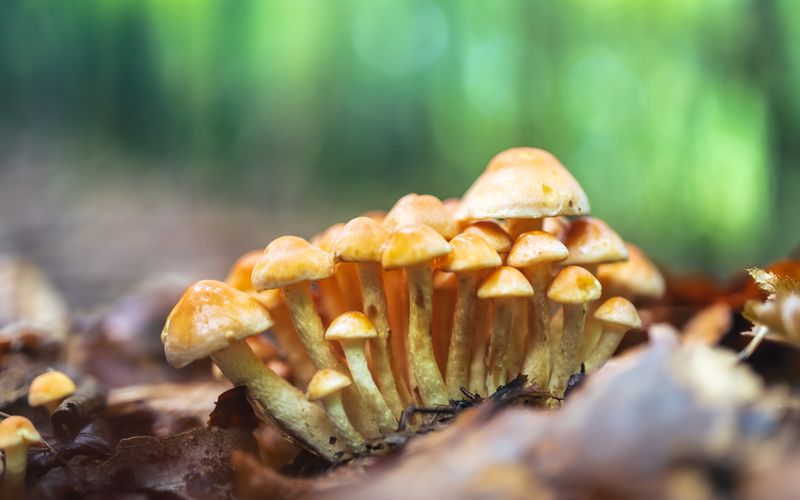
Lion's mane (Hericium erinaceus) is one of the most rewarding gourmet mushrooms you can grow at home. Its cascading white spines look spectacular, it tastes like lobster when cooked in butter, and the research-backed cognitive benefits — Nerve Growth Factor (NGF) stimulation — make it a true medicinal powerhouse.
While pre-colonized grow kits work well for beginners, serious home growers graduate to the full grain-to-fruiting-body workflow. This gives you complete control over genetics, substrate composition, and yield — and it is far cheaper per pound once you scale past a few blocks.
This guide covers every step: selecting grain, pressure sterilization at the correct PSI and duration, inoculation in a still-air box, monitoring colonization progress, building a fruiting chamber with proper humidity and fresh air exchange (FAE), triggering pinning, and harvesting at peak potency. By the end, you will be producing restaurant-quality lion's mane on a steady schedule.
Understanding the Grain-to-Fruiting-Body Workflow
Before you mix anything, understand the overall timeline. The grain-to-fruiting-body process breaks into four main phases:
- Grain spawn production (10-14 days): Hydrate and sterilize rye, millet, or wild bird seed. Inoculate with liquid culture or agar wedges. Incubate at 70-75F until fully colonized.
- Substrate colonization (14-21 days): Mix colonized grain spawn into sterilized supplemented hardwood sawdust at a 10-20% ratio. Incubate until the block is uniformly white.
- Fruiting initiation (7-14 days): Expose colonized block to fruiting conditions — lower temperature, higher humidity, fresh air, and indirect light. Pins appear in 3-7 days.
- Harvest cycles (6-8 weeks total): Harvest first flush, rehydrate block, restart fruiting conditions for the next flush. Expect 2-3 flushes per block.
Total time from grain inoculation to final harvest: 10-14 weeks for the first block. Subsequent blocks cut the timeline in half since you can use the first batch of grain spawn for multiple substrate blocks. A single quart jar of grain spawn can inoculate 4-6 five-pound substrate blocks, giving you a cascade of harvests from one initial culture.
Preparing Grain Spawn for Lion’s Mane
Grain spawn is the foundation of the entire grow. You are essentially creating a massive batch of mycelium-charged seed material that will colonize your substrate blocks. Quality spawn equals quality mushrooms — skip corners here and you will pay for it with contamination down the line.
Best grains for lion’s mane spawn:
- Rye berries: Gold standard. Holds moisture well, good nutrient profile, easy to shake. Requires rinsing and a 12-24 hour soak before cooking.
- Millet: Smaller grain means more inoculation points per volume. Colonizes fastest. Best for liquid culture inoculation. Needs less cook time than rye.
- Wild bird seed: Budget option. Mix of grains provides varied nutrition. Must be rinsed repeatedly to remove dust and sunflower seeds (which can rot).
- Hard red winter wheat: Excellent alternative to rye. Slightly harder texture, but holds up well to pressure cooking.
Grain prep protocol:
- Rinse grain thoroughly in cold water until water runs clear.
- Soak for 12-24 hours in cool water. Rinse again.
- Simmer for 15-20 minutes (rye/wheat) or 10 minutes (millet) — grain should be soft inside but still intact, not burst open.
- Drain and spread on a clean towel to dry surface moisture for 30-60 minutes. Surface-dry grain drastically reduces contamination risk.
- Fill quart mason jars or mushroom grow bags (with filter patches) about 2/3 full.
- Cover jars with lids that have a 1/4 inch hole stuffed with polyfill, or use self-healing injection ports.
- Pressure sterilize at 15 PSI (250F) for 90 minutes for quart jars, or 2 hours for 5 lb bags.
Once cooled to room temperature (wait 12-24 hours after the pressure cooker), inoculate each jar or bag with 1-2 mL of lion’s mane liquid culture per quart, or a single agar wedge. Incubate at 70-75F in complete darkness. You should see white mycelium visible within 3-5 days. Full colonization of quart jars takes 10-14 days.
Sourcing tip: Pre-made lion’s mane grain spawn is available from suppliers like North Spore if you want to skip the grain prep step on your first run. A 3 lb bag runs around $20 on Amazon.
Building the Perfect Substrate Formulation
Lion’s mane is a white rot fungus that evolved to break down hardwood in temperate forests. The ideal artificial substrate mimics that nutritional profile while packing in enough accessible energy for a dense, multiple-flush harvest.

Base substrate: Hardwood fuel pellets (oak, beech, or maple) or coarse hardwood sawdust. Avoid softwoods — pine, cedar, and fir contain terpenes and pitch that inhibit lion’s mane mycelium growth. Oak sawdust is the industry standard for commercial lion’s mane production.
Supplement (5-10% by dry weight): Wheat bran is the standard. It adds nitrogen, B vitamins, and simple carbohydrates that accelerate colonization. Soy hulls are an excellent alternative. Never exceed 10% supplementation — too much nitrogen invites Trichoderma contamination.
Moisture content (60-65%): The squeeze test is reliable: grab a handful of mixed substrate and squeeze firmly. A few drops of water should appear between your fingers. If water streams out, it is too wet. If no moisture releases, it is too dry.
Substrate mixing ratios (for a single 5 lb block):
- 500 g (4.5 cups) hardwood fuel pellets or sawdust
- 40 g (0.3 cups) wheat bran
- 775-800 mL water (adjust based on base moisture of your pellets)
Mix dry ingredients first, then add water and mix thoroughly by hand until uniform. Load into mushroom grow bags with 0.5 micron filter patches. Use bags rated for 245F+ to survive pressure sterilization.
For a detailed breakdown of substrate options by species, see our Mushroom Substrate Guide. For straw pasteurization, check our pasteurization guide.
Pressure Sterilization: How to Do It Right
Supplemented hardwood sawdust is a high-nitrogen environment that is prime real estate for contamination. You cannot pasteurize it — you must sterilize at 15 PSI for the full duration. Pasteurization only kills vegetative bacteria and some mold spores. Sterilization kills everything, including heat-resistant endospores.
Sterilization parameters:
- Quart jars of grain: 15 PSI for 90 minutes
- 5 lb substrate blocks: 15 PSI for 2.5 hours
- 10+ lb substrate blocks: 15 PSI for 3 hours
These are minimums. At altitude (above 3,000 feet), add 5 minutes per 1,000 feet. A Presto 23-quart holds 4-5 quart jars or 3-4 substrate bags per batch. An All-American 941 handles 7-8 grow bags.
Critical sterilization tips:
- Always vent the pressure cooker for 10 minutes before sealing the weight. This flushes out air and ensures pure steam at 250F. Air mixed with steam drops the temperature significantly below sterilization levels.
- Let the cooker cool naturally to zero pressure. Do not quick-release — rapid pressure drop can boil moisture out of your substrate and suck contaminated air into bags through filter patches.
- Once cooled to room temperature (12-24 hours), proceed to inoculation. Sterilized substrate left more than 48 hours risks airborne contaminants settling on filter patches.
Inoculation Technique for Contamination-Free Results
Inoculation is the highest-risk step in the entire workflow. You are opening sterilized substrate to the open air and introducing a foreign material (grain spawn). One airborne Trichoderma spore landing on the exposed grain can ruin a month of work.
Build or buy a still-air box (SAB): A clear plastic tub with 6-inch arm holes cut into the side. Spray the interior with 10% bleach solution or 70% isopropyl alcohol 15 minutes before use. Place all tools, spawn, and substrate inside before sealing the box.
Inoculation steps (inside the SAB):
- Wipe down the exterior of your colonized grain spawn jar with 70% isopropyl alcohol.
- Flame-sterilize your inoculation tool (spoon, scalpel, or wide-mouth funnel) until red-hot.
- Let the tool cool for 15 seconds in still air.
- Open the grain spawn jar and the substrate bag simultaneously.
- Transfer grain spawn at a 10-20% ratio by weight. For a 5 lb block: 0.5-1 lb of colonized grain.
- Mix grain into the substrate thoroughly — distribute evenly throughout the bag.
- Seal the bag immediately with a binder clip or heat sealer.
- Label with date, strain, and expected colonization completion date.
If working with liquid culture, inject 5-10 mL through a self-healing injection port. No need to open the bag — this is the cleanest method. The tradeoff is slower colonization since liquid culture takes longer to ramp up in a large substrate volume.
Contamination prevention checklist:
- Work in a still-air box or flow hood. Never inoculate in open air.
- Keep room air still — close windows, turn off fans and HVAC during inoculation.
- Wear gloves. Spray gloves with alcohol between every bag.
- If you see green, black, or pink mold in the grain spawn, discard the entire jar.
- Run a test jar of uninoculated substrate alongside your inoculated bags.
See our Mushroom Contamination Guide for detailed identification of green mold (Trichoderma), wet spot (Bacillus), cobweb mold (Dactylium), and black pin mold (Rhizopus).
Colonization Phase: What’s Happening Inside
Once inoculated, your substrate bag enters the colonization phase. The mycelium is digesting the substrate, breaking down cellulose and lignin into accessible sugars, and building a dense network of hyphae that will eventually form fruiting bodies.
Ideal colonization conditions:
- Temperature: 70-75F (21-24C). Mycelium slows below 65F and stops below 55F. Above 80F, metabolic heat can cook the block center.
- Light: Complete darkness. Light can signal the mycelium to fruit prematurely.
- Fresh air exchange: Minimal. The filter patch provides enough gas exchange.
- Positioning: Lay bags flat with space between them. Metabolic heat raises internal temperature by 2-5F above ambient.
Colonization timeline for a 5 lb block:
- Days 1-5: White tufts at grain spawn sites. Substrate turns white and dense around each point.
- Days 5-10: Mycelium spreads rapidly. At day 7, block is 30-40% colonized.
- Days 10-14: Network covers 60-80%. Block feels firm and cohesive.
- Days 14-21: Full colonization. Uniformly white with no visible brown substrate. Dense and rubbery.
At full colonization, move directly to fruiting conditions, or cold-store at 35-40F for up to 6 months. Cold storage lets you consolidate multiple blocks before fruiting simultaneously.
Setting Up Your Fruiting Chamber
Lion’s mane needs higher humidity than most gourmet species — 80-95% RH throughout the fruiting cycle. A shotgun fruiting chamber (SGFC) with perlite and drilled FAE holes is the gold standard for home growers.
Building a shotgun fruiting chamber:
- Start with a clear 66-quart Sterilite tub. Clear plastic lets light penetrate from all sides.
- Drill 1/4 inch holes in a grid pattern every 2 inches on all four sides and lid. This provides passive FAE through diffusion.
- Fill the bottom 4 inches with horticultural perlite. Soak until wet but not pooling — it maintains humidity through evaporation.
- Place a 3/16 inch wire mesh or hardware cloth platform 1-2 inches above the perlite.
- Add a small LED grow light or place near a north-facing window. 12 hours on, 12 hours off is ideal.
- Insert a digital hygrometer through a hole. If RH drops below 80%, mist the perlite (not the block).
Preparing the colonized block for fruiting:
- Remove the fully colonized block from the grow bag. Handle carefully — it is a solid mycelial mass but can crack.
- Place the block on the wire mesh in the fruiting chamber.
- Cut X-shaped flaps in the bag plastic or score the block surface with a sterile scalpel. Lion’s mane prefers to fruit from exposed surfaces.
- Alternatively, cut the bag open at the top and fold the plastic down like a collar — mushrooms will form on the exposed surface.
See our Mushroom Fruiting Conditions Guide for humidity, temperature, and FAE tables across 15+ gourmet species.
Pinning Triggers: Light, CO2, and Temperature Drops
Lion’s mane will not fruit just because you moved it to a chamber. It needs specific environmental signals to switch from vegetative to reproductive growth. Understanding these triggers is the difference between a block that fruits on schedule and one that sits for weeks doing nothing.
The three main pinning triggers:
1. Temperature drop (primary trigger): Move blocks from 70-75F colonization to 65-70F fruiting within 24 hours. The 5-10F drop mimics autumn cooling in nature. Pins appear 3-7 days after the drop. Without this change, some blocks refuse to pin entirely.
2. Fresh air exchange (CO2 gradient): CO2 inside sealed bags reaches 5,000-10,000 ppm, suppressing fruiting. Opening the bag drops CO2 to ambient (400-500 ppm), signaling it is time to fruit. If pins look elongated or coral-like, increase FAE by adding holes or removing the lid 30 minutes twice daily.
3. Light exposure: Lion’s mane uses light as a directional and timing cue. Ambient room light (200-500 lux) for 12 hours daily is sufficient. Too much direct light causes pinkish discoloration. Too little light results in pale growth without proper icicle-like spines.
If pins don’t appear within 10 days:
- Check humidity — it may be below 80%. Mist the chamber walls, not the block.
- Verify temperature — if still at 70-75F, drop to 62-65F.
- Try a cold shock — refrigerate at 40F for 12-24 hours, then return to fruiting temps.
- Scrape the block surface lightly with a sterile fork — physical disturbance can trigger pinning.
Harvesting Timing and Technique
Harvest timing dramatically affects both flavor and yield. Lion’s mane is at its peak when the dangling spines are 0.5-1 inch long and pure white. At this stage the mushroom is firm, fragrant, and packed with bioactive compounds.
When to harvest:
- Too early (under 0.5 inch): Still developing. Harvesting now reduces total yield by 30-50%.
- Perfect window (0.5-1 inch white spines): Peak flavor and potency. Spines should be crisp and standing straight.
- Too late (yellowing or browning): Dropping spores, flavor declines, texture becomes tougher. Harvest immediately.
Harvest method: Cut the entire cluster at the base with a clean, sharp knife. Do not twist and pull — lion’s mane clusters attach broadly and tearing can damage the block surface, inviting contamination on the next flush.
After the first harvest, remove stem stubs from the block surface. Let the block rest for 5-7 days at colonization temperatures. Then rehydrate by submerging in cold water for 6-12 hours (weigh it down). Return to fruiting conditions. Second and third flushes are typically 30-50% smaller but still excellent.
Storage: Fresh lion’s mane keeps 7-10 days in a paper bag in the refrigerator. For long-term storage, slice 1/4 inch thick and dehydrate at 110-120F for 8-12 hours until cracker dry. Store in an airtight jar for up to 2 years.
Troubleshooting Common Problems
Green, black, or pink patches during colonization: Contamination. Cut out small green spots with a sterile knife plus a 1-inch margin of healthy mycelium. If it has spread beyond 20% of the block, discard outdoors. Do not open indoors — Trichoderma spores are highly allergenic.
Long thin coral-like spines instead of rounded clusters: High CO2. Increase fresh air exchange in the fruiting chamber. This is the most common lion’s mane issue for new growers.
Yellow or brown discoloration on spines: Over-mature if the whole cluster is yellowing — harvest immediately. Browning tips mean low humidity (below 70%) — mist more frequently.
Pink discoloration: Too much direct light. Move the chamber away from windows or use indirect light only. Pink is cosmetic and does not affect flavor.
Stalled colonization (no growth after 10+ days): Check temperature — below 65F it slows. If temperature is fine, the spawn may have been weak or dead. Restart with fresh spawn from a reliable supplier.
Progressive smaller flushes: Normal. Ensure thorough rehydration between flushes (6-12 hour soak). By the fourth flush, compost the block.
Recommended Products for Growing Lion’s Mane
North Spore Lion’s Mane Grain Spawn ($20)
🔑 Key Takeaways
- Sterilize grain at 15 PSI for 90 minutes and inoculate in a still-air box to prevent contamination.
- Use hardwood sawdust with 5-10% wheat bran at 60-65% moisture for the best substrate.
- Colonize at 70-75F in darkness for 14-21 days; trigger fruiting with a temperature drop and high humidity.
- Harvest when spines are 0.5-1 inch and pure white — yellowing means you have missed the window.
- Rehydrate blocks between flushes by soaking 6-12 hours. Expect 2-3 flushes totaling 1.5-2.5 lbs per block.
Frequently Asked Questions
What do I need to grow lion’s mane from grain spawn?
You need lion’s mane grain spawn, hardwood sawdust substrate with wheat bran (5-10% by dry weight), a pressure cooker (15 PSI), grow bags with filter patches, a fruiting chamber (80-95% RH), and indirect lighting. Expect 2-3 weeks colonization, then 10-14 days to first harvest.
How long does grain colonization take?
Lion’s mane colonizes grain in 10-14 days at 70-75F. Fully colonized grain spawn can be used immediately or stored at 35-40F for up to 3 months. Signs include uniform white mycelium with no visible grain.
What temperature and humidity does lion’s mane need to fruit?
65-75F with 80-95% relative humidity. Fresh air exchange of 4-6 exchanges per hour is critical. A 5-10F temperature drop from colonization triggers pinning within 3-5 days.
How do I sterilize substrate for lion’s mane?
Pressure sterilize at 250F (121C) at 15 PSI for 2.5 hours for 5 lb blocks, or 90 minutes for quart jars. Do not pasteurize supplemented substrates — the high nitrogen content requires full sterilization.
When should I harvest lion’s mane mushrooms?
Harvest when spines are 0.5-1 inch long and pure white. Yellowing or browning means the mushroom is past maturity. Cut at the base with a clean knife. Expect 2-3 flushes over 6-8 weeks.
Why is my lion’s mane turning pink or yellow?
Yellowing means over-maturity or drying. Pink indicates too much direct light or very low humidity. Brown mushy patches suggest bacterial blotch from poor FAE or water pooling on the fruiting bodies.
Can I grow lion’s mane outdoors on logs?
Yes, on freshly cut hardwood logs (oak, beech, maple). Drill holes, insert plug spawn, seal with wax. Stack in shade. First harvest in 6-12 months; logs fruit for 3-5 years.
Get weekly guides from GrowMushrooms
No spam. Unsubscribe anytime.